


Chinese Lidded Vase
A chinese lidded vase brings ceramic craft and historical depth to a room, offering covered vessel forms ranging from blue and white porcelain to cloisonne enamel.
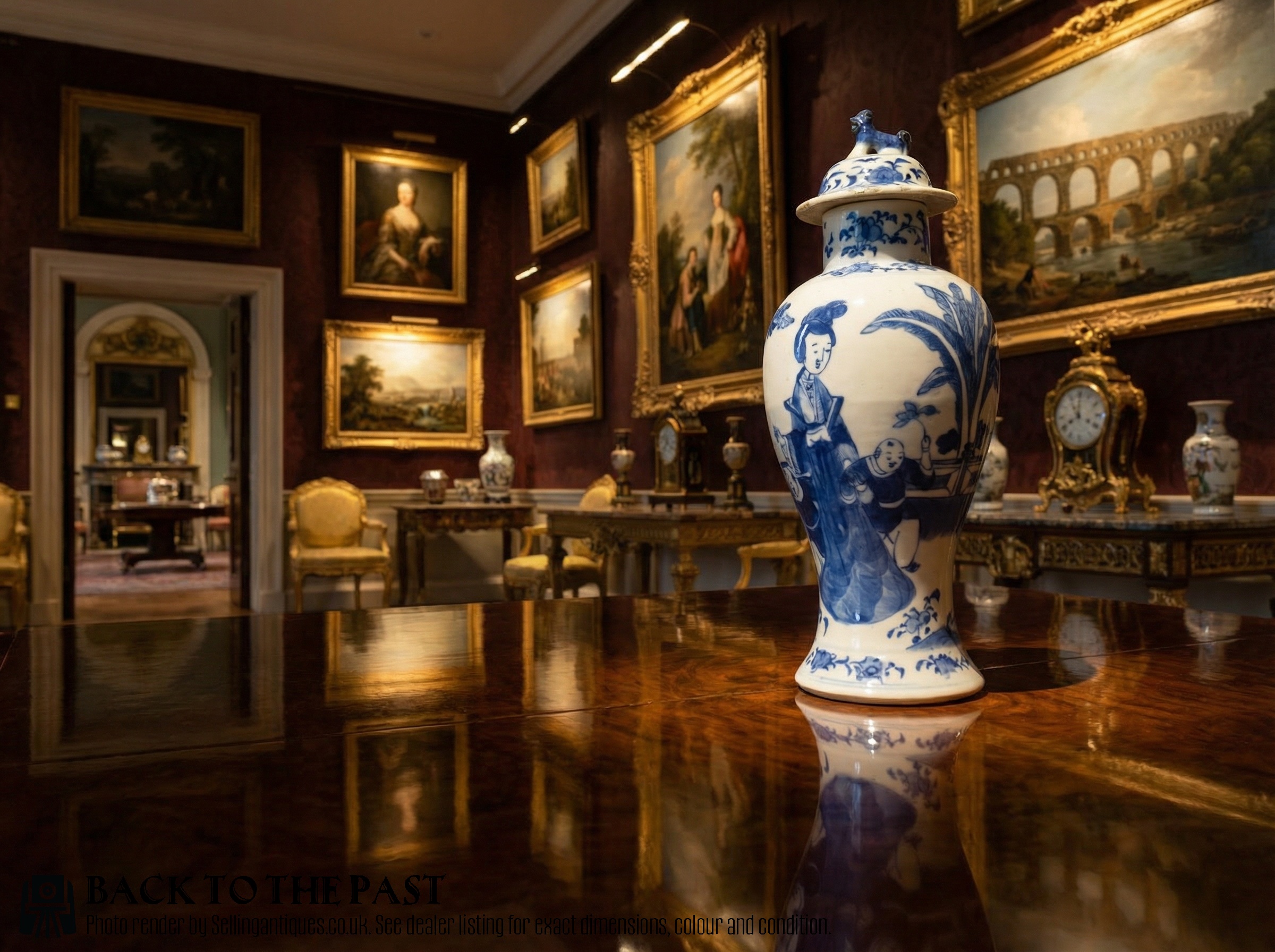
Chinese Lidded Vase
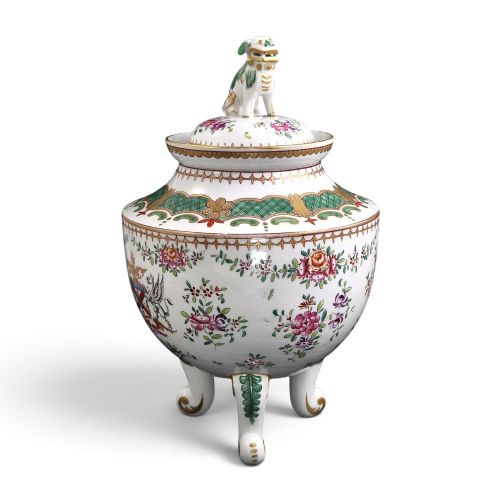
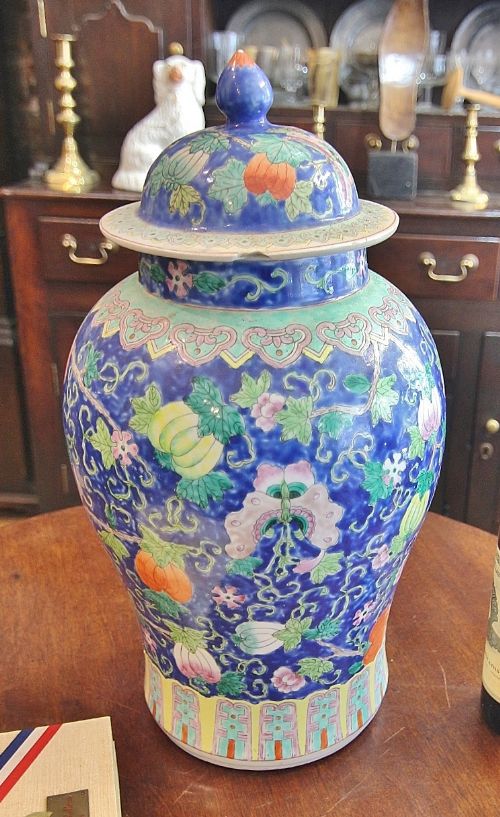
When you examine a chinese lidded vase, you encounter covered vessels shaped as baluster vases, jars, and urns from periods spanning the eighteenth, nineteenth, and twentieth centuries. The selection includes porcelain bodies painted in blue and white, famillle rose, or monochrome glazes alongside metal vessels decorated with cloisonne enamel.
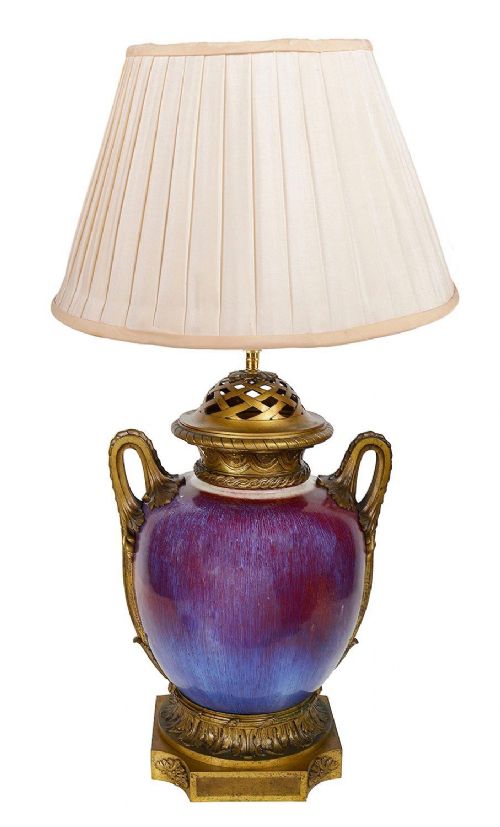
You are most likely to meet nineteenth century pieces on this page, particularly Cantonese Rose Mandarin works, blue and white porcelain, and enamel vessels dating around 1900. These objects appear both as standalone decorative vessels and as adapted table lamps fitted for modern domestic interiors.
Materials and construction methods
Hard paste porcelain forms the core of many pieces, shaped on the wheel or in moulds before receiving cobalt blue, famille rose, or monochrome glazes and firing in kilns. Enamel work relies on copper or brass foundations where soldered wire cells hold coloured pastes before firing and polishing.
Makers integrated surface enrichment through gold leaf gilding, hand painting, and champleve techniques. Porcelain covers fit matched bodies while metal vessels often incorporate carved wooden stands and lion finials.
Several heavy cloisonne jars arrive topped with fierce little metal lion finials standing guard over the covers.
Assessing craftsmanship and finish
The distinction between ordinary and exceptional examples rests in the crispness of the hand painting, the precision of the cloisonne wirework, and the harmony of the glaze distribution. Finer porcelain exhibits sharp cobalt definition or carefully applied famille rose enamel palettes without muddiness in the pigments.
Structural integrity of the cover fit and the preservation of original gilding or enamel fields elevate a piece. Superior metal vessels display dense, evenly soldered cell work and well finished surfaces on both exterior and interior walls.
Samson Paris·Mason’s Stoneware
The Chinese Lidded Vase Glossary
- Baluster
- A vase form characterised by a rounded body that tapers toward a narrow neck and flares at the base. This silhouette provides a balanced canvas for intricate painted scenes.
- Cloisonne
- An enamel technique where metal wires form raised cells on a copper or brass body to contain coloured glass pastes. Subsequent firing and polishing yield a smooth, patterned surface.
- Famille rose
- A palette of opaque enamels dominated by pink or rose colours introduced to Chinese ceramics during the eighteenth century. Artisans used these tones to depict floral and figural compositions.
- Sang de boeuf
- A rich red copper glaze producing deep, mottled crimson tones across a ceramic surface. Kiln temperature control dictates the final shading of the red finish.
- Garniture
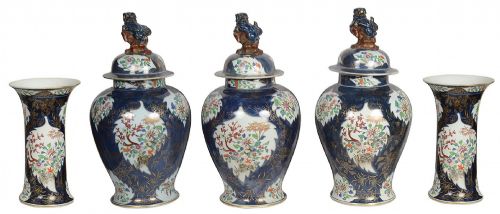
- A set of matching vases and jars designed to sit together on a mantelpiece or cabinet. These groupings typically comprise alternating shapes of uniform decorative style.
Chinese Lidded Vase: Frequently Asked Questions
How were lidded vases used historically?
These covered vessels served to store dry goods, spices, or potpourri within domestic interiors. Their secure lids protected fragrant contents while the decorated exteriors functioned as ornamental display items on tables and mantelpieces.
Over time, many examples transitioned into pure decorative focal points. Their scale and form made them prominent architectural accents in formal rooms.
How do I distinguish eighteenth century from nineteenth century pieces?
Eighteenth century examples often display refined potting, thinner porcelain walls, and specific stylistic traits associated with reigns like Kangxi. Pigment saturation and brushwork tend to show greater control and restraint during this period.
Nineteenth century and later pieces frequently adopt heavier bodies, bolder polychrome palettes such as Rose Mandarin, and denser overall surface coverage. Examining the foot ring, glaze pooling, and base markings helps clarify the period of production.
Can I use a lidded vase as a lamp?
Many vessels have been adapted into table lamps through professional wiring that preserves the body. This conversion allows antique porcelain or enamel forms to function safely with modern electrical lighting.
When evaluating a converted piece, check whether the mounting utilised existing apertures or required drilling through the ceramic or metal base. Retaining the original cover alongside a lamp conversion remains unusual.
How do I care for cloisonne and porcelain surfaces?
Porcelain bodies require gentle dusting with a soft, dry cloth and occasional cleaning with mild soapy water if unglazed areas are absent. Avoid abrasive cleaners that might scratch hand painted enamels or gold leaf details.
Cloisonne metalwork benefits from dry maintenance to protect the soldered wire cells and enamel pastes. Keep metal vessels away from damp environments to prevent corrosion on exposed copper or brass components.