


Qing Porcelain Lidded Urn
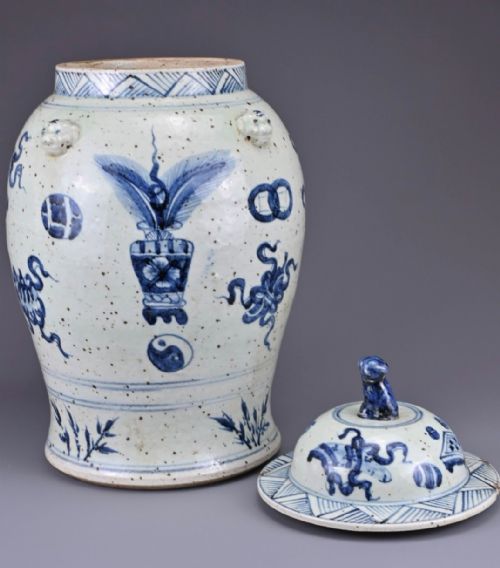
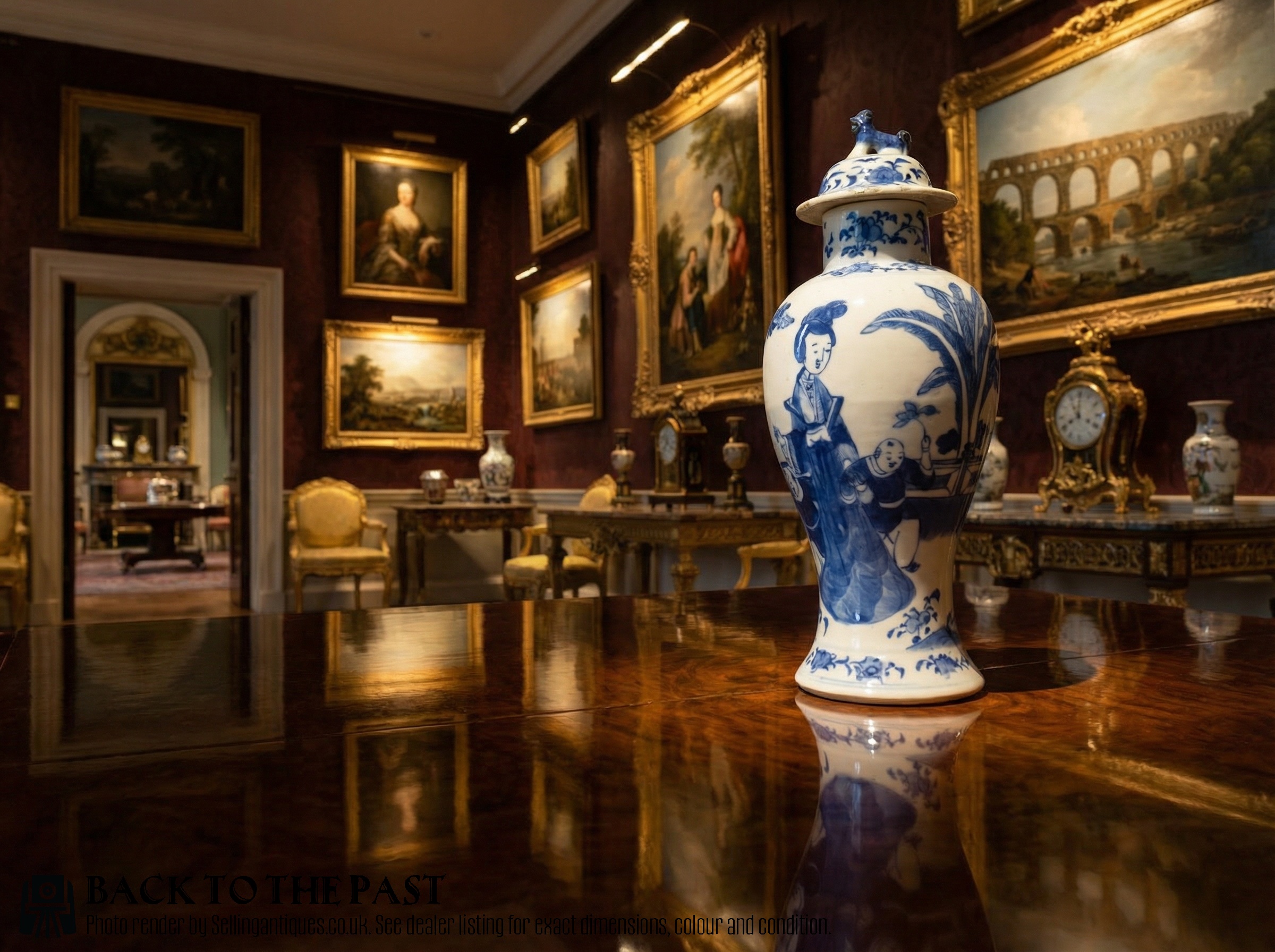
A qing porcelain lidded urn brings classic Qing Dynasty design and intricate cobalt pigment into a room.
Qing Porcelain Lidded Urn
When you search for a qing porcelain lidded urn, you encounter decorative jars, vases, and covered vessels dating from the 18th century through to 1900. These items represent traditional Chinese forms, including ginger jars and kamcheng vessels, often accompanied by lids or covers.
The pieces on this page span several decades of production, incorporating styles such as Chinese Export and Chinoiserie alongside traditional Qing Dynasty designs. Many examples utilise blue and white porcelain or monochrome glazes, while others adapt historical Kangxi period motifs.
Materials and construction
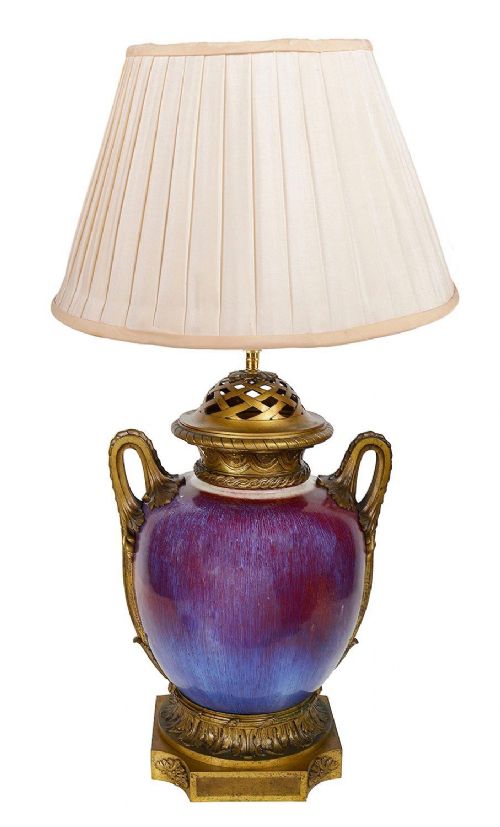
The makers formed these vessels using porcelain, applying cobalt pigment and coloured enamel to create detailed patterns before firing. Some 18th century pieces combine porcelain bodies with ormolu mounts, gold leaf accents, or cobalt glaze.
Certain items pair the porcelain body with other materials, such as padouk wood tables or fabric elements. The physical evidence shows skilled application of glazes and pigments across centuries of Chinese ceramic tradition.
The listings span the 18th century, 19th century, and 1900, utilising materials such as porcelain, gold leaf, and ormolu.
Assessing quality and craftsmanship
Quality in a qing porcelain lidded urn shows in the precision of the cobalt pigment work and the control of the glaze during firing. Pieces featuring intricate five-claw dragon designs or finely painted rose medallion scenes demonstrate higher levels of artistic execution.
The presence of period marks, such as Kangxi marks, and the overall harmony between the porcelain vessel and its matching cover influence the character of each piece. The integration of auxiliary materials like ormolu also distinguishes certain examples from standard production.
The Qing Porcelain Lidded Urn Glossary
- Qing Dynasty
- The final imperial dynasty of China, lasting from 1644 until 1912. This era produced distinctive porcelain styles that remain collected today.
- Cobalt Pigment
- A mineral colourant applied under the glaze to produce deep blue designs on white porcelain. It withstands high kiln temperatures without losing definition.
- Doucai
- A decorative technique combining underglaze blue outlines with overglaze enamel infills. Artisans used this method to create multi-coloured motifs on porcelain.
- Kamcheng
- A traditional type of covered jar originating in China and frequently exported for Southeast Asian markets. These vessels usually feature specific lid shapes and side lug handles.
- Monochrome Jar
- A ceramic vessel covered in a single, uniform glaze colour throughout the body. These pieces rely on form and glaze texture rather than painted patterns for their visual impact.
Qing Porcelain Lidded Urn: Frequently Asked Questions
How old are these lidded urns?
The pieces listed span from the 18th century through to the late 19th and early 20th century. Dates reflect the manufacturing period indicated in the individual evidence records.
Some items incorporate design elements or marks referencing earlier periods, such as the Kangxi era, while retaining their actual 19th-century production date.
What is a ginger jar?
A ginger jar is a traditional ceramic vessel featuring a wide body, high shoulder, and a small opening fitted with a lid. Originally used to store and transport spices, they evolved into decorative display items.
On this page, ginger jars appear alongside other forms like temple jars and kamcheng vessels, often decorated with blue and white porcelain patterns.
How do I identify Chinese export porcelain?
Chinese export porcelain encompasses wares made in China specifically for Western markets from the 16th to the 19th century. These pieces frequently blend traditional Chinese manufacturing methods with European decorative preferences.
Styles such as Chinoiserie and specific colour palettes often point towards items produced for international trade rather than domestic use.
Can these urns be used as lamps?
Certain lidded vases and jars are adapted into table lamps while maintaining their original porcelain bodies. This conversion allows historical ceramic forms to function as domestic lighting.
Evidence on this page includes specific examples like lidded vase lamps, combining antique porcelain containers with electrical fittings.