


Blue White Baluster Jar
A blue white baluster jar commands the room with its swelling body and crisp cobalt pigment, offering a timeless decorative anchor for any interior.
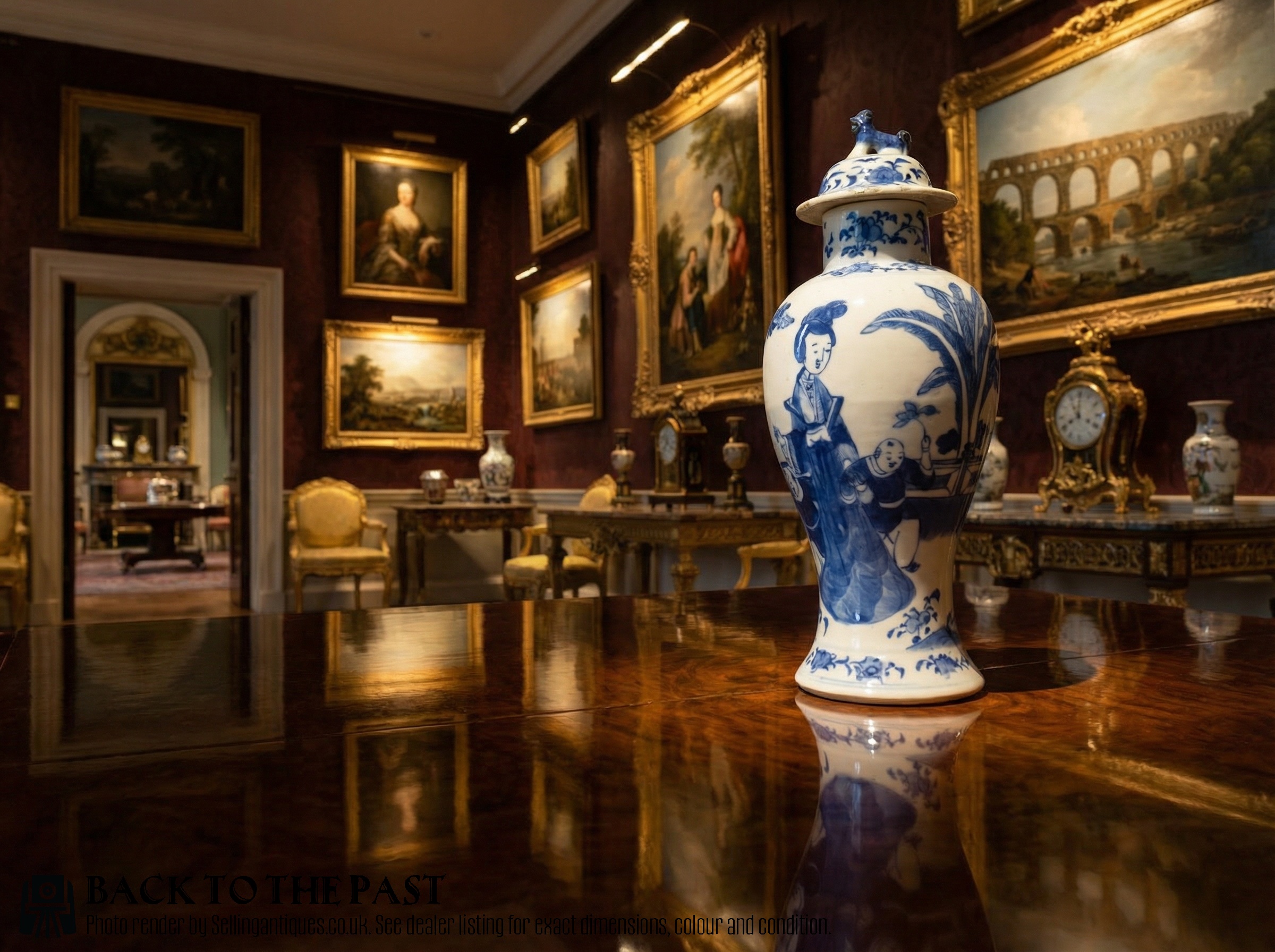
Blue White Baluster Jar
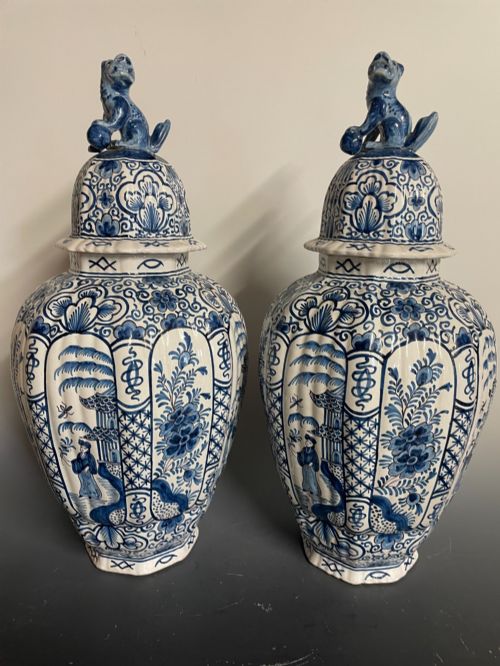
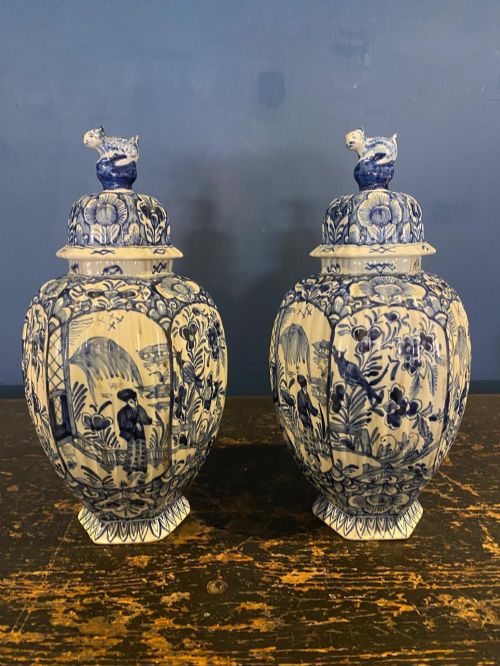
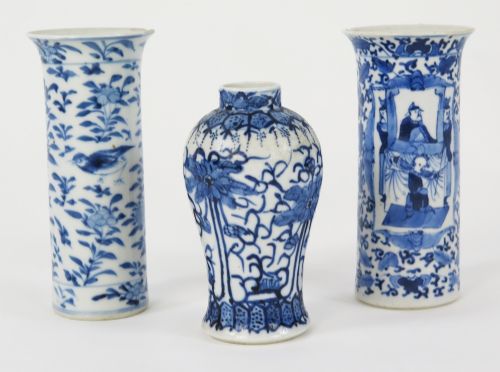
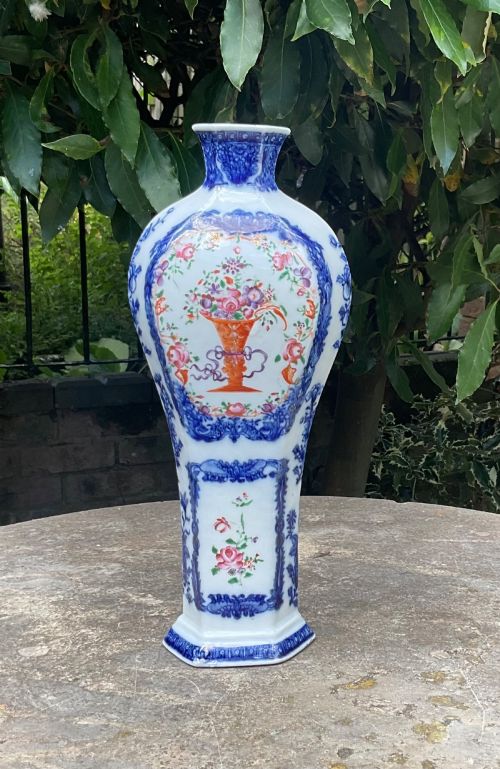
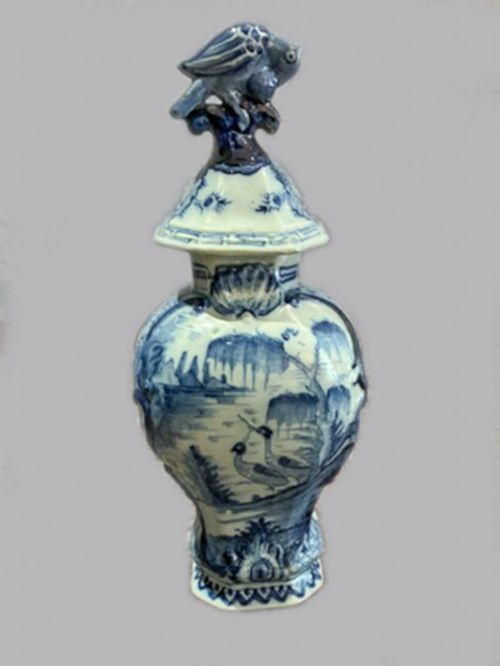
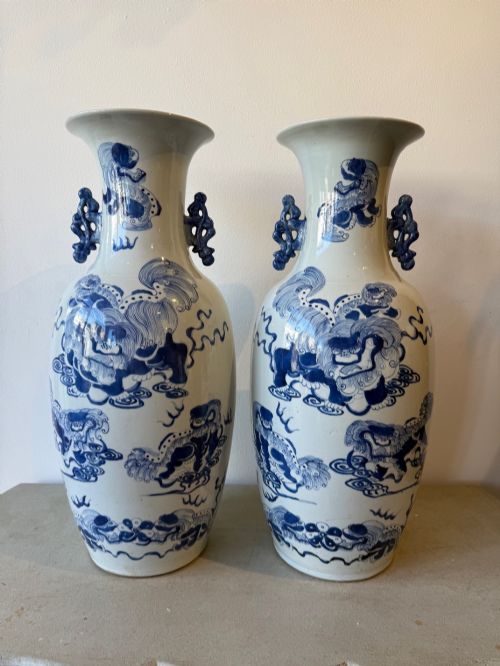
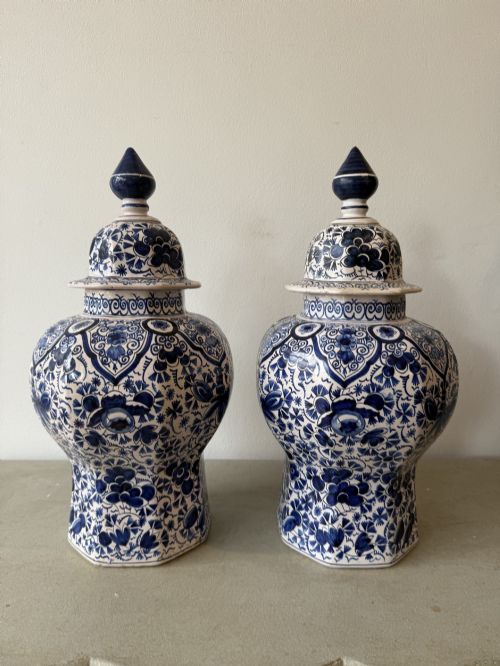
A blue white baluster jar typically presents a rounded lower body that tapers towards the base and neck, drawing on centuries of ceramic tradition. These vessels appear in forms ranging from lidded jars to adapted table lamps, originating from both Chinese export workshops and European Delftware potteries.
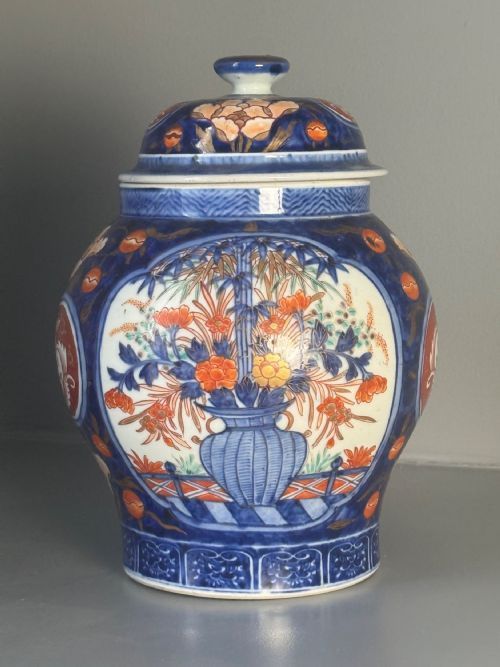
The pieces on this page span from the seventeenth century through to the Edwardian era, capturing shifts in global trade and domestic taste. Buyers encounter substantial nineteenth-century Chinese porcelain alongside Dutch tin-glazed earthenware and Japanese Arita wares.
Most examples retain their primary function as decorative display objects, though some nineteenth-century and Georgian pieces arrive converted into lamps. The surviving covers, where present, complete the characteristic silhouette of the form.
Materials and production methods
Potters shaped these vessels primarily from porcelain, ceramic, or tin-glazed earthenware, applying cobalt glaze to create the characteristic blue decoration beneath or upon the surface. Artisans frequently utilised enamel glaze accents to enrich the monochrome palette on specific styles.
Firing techniques varied from high-temperature kilns used for Chinese and Japanese porcelain to lower-firing earthenwares coated in tin glaze in Dutch workshops. Brass fittings appear on pieces adapted later into lamps, integrating metalwork with historic ceramic bodies.
The inventory encompasses Chinese export, Japanese Arita, and Dutch Delftware traditions, alongside Georgian and 19th-century lamp adaptations.
Defining quality in blue white baluster jar pieces
Quality rests in the clarity of the cobalt painting, where fluid, confident brushwork distinguishes superior specimens from stiff or repetitive decoration. The depth of the glaze and the purity of the underlying white porcelain or ceramic surface play a vital role in the overall visual impact.
The integrity of the body and the survival of matching original lids significantly influence the standing of an individual jar. Potter's marks and precise historical execution connect specific pieces more closely to their originating periods and traditions.
The Blue White Baluster Jar Glossary
- Baluster
- A shape characterised by a rounded lower portion that tapers towards a narrow neck, resembling an architectural baluster. This profile provides stability and a balanced canvas for painted decoration.
- Cobalt Glaze
- A metallic oxide pigment applied beneath or within the glaze layer to produce a rich blue colour upon firing. It withstands high kiln temperatures without losing definition.
- Tin-Glazed Earthenware
- Pottery coated with an opaque white glaze containing tin oxide, providing a smooth surface for painted motifs. Dutch Delftware is the most notable European exponent of this technique.
- Chinoiserie
- European decorative style reflecting Chinese artistic influences, popular in seventeenth and eighteenth-century Delftware. Artisans adapted motifs of birds, flowers, and landscapes into their own vocabulary.
- Imari
- Japanese export porcelain decorated in underglaze blue and contrasting iron red and gold. It gained immense popularity in Europe during the seventeenth and eighteenth centuries.
Blue White Baluster Jar: Frequently Asked Questions
How do I date a blue white baluster jar?
Dating relies on examining the characteristics of the glaze, the composition of the ceramic body, and the style of the painted motifs. Seventeenth and eighteenth-century pieces often display specific potting weights and blue tones distinct from later nineteenth-century or Edwardian revivals.
Maker's marks or cyclical symbols on the base can provide further chronological context, though these must be assessed alongside the manufacturing technique and wear patterns.
Were these jars used to store goods?
Many large lidded jars originally served to store dry goods, spices, or tea during long-distance maritime transport. Over time, their decorative qualities led households to display them purely as ornamental objects.
By the nineteenth century, many were produced specifically for display rather than utility, often paired as mantelpiece garnitures or converted into lighting.
How do I clean and care for antique ceramics?
Dusting gently with a soft, dry microfibre cloth is generally sufficient for regular maintenance of glazed surfaces. Avoid using harsh chemical cleaners or abrasive materials that could damage the historic glaze or exposed earthenware.
If the piece has been converted into a lamp or retains delicate brass components, keep moisture away from wiring and metal joints during cleaning.
What is the difference between Chinese and Dutch pieces?
Chinese pieces are typically hard-paste porcelain fired at extremely high temperatures, resulting in a dense, resonant body with cobalt painted beneath a clear glaze. Dutch Delftware is usually tin-glazed earthenware, possessing a softer, heavier body with an opaque white surface.
The brushwork and stylistic conventions also differ, with Dutch makers frequently interpreting Asian designs through a distinct European aesthetic lens.