

Floral Blue White Ceramic
Floral blue white ceramic pieces bring botanical patterns and cobalt pigments together across centuries of decorative vessels and tableware.
Floral Blue White Ceramic
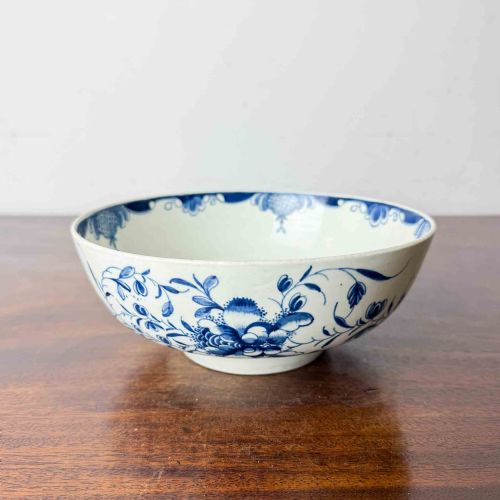
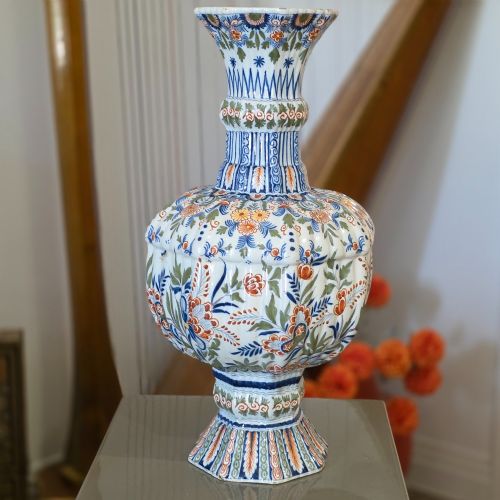
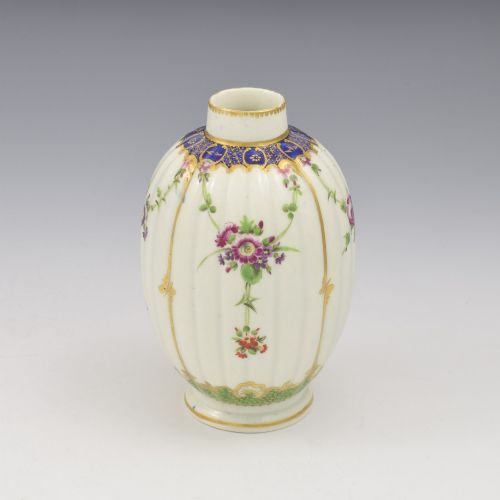
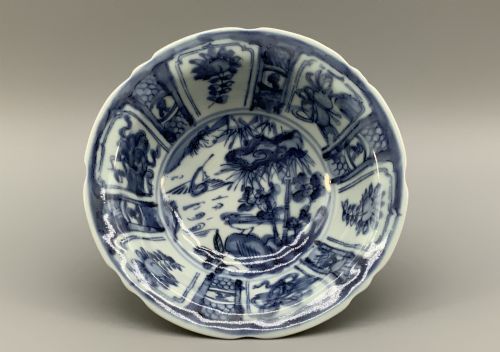
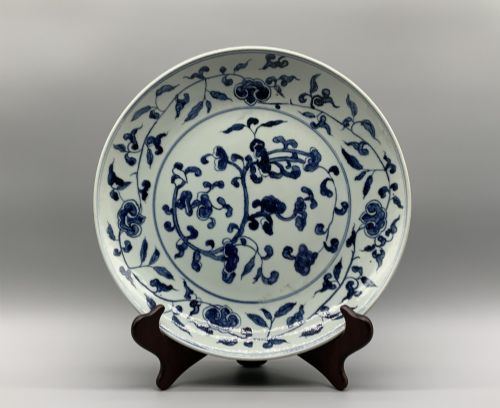
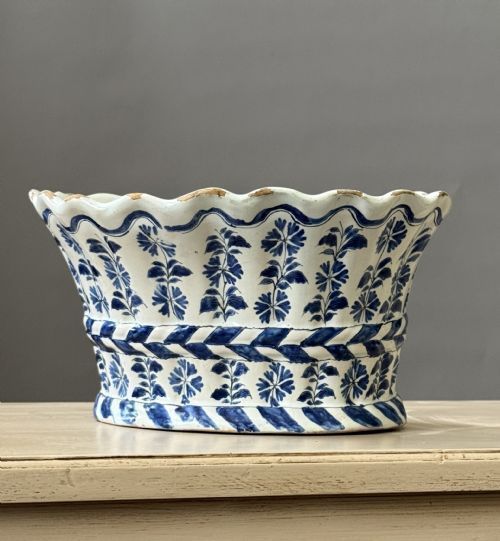
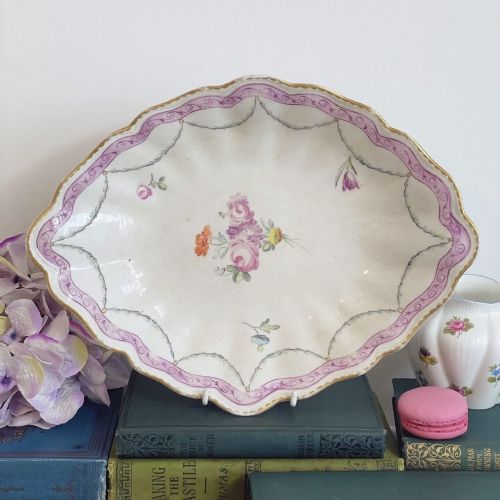
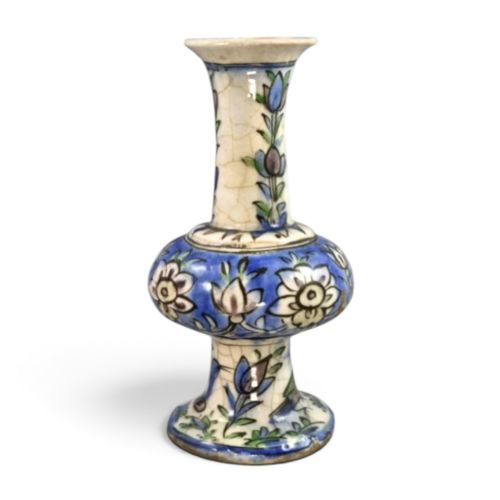
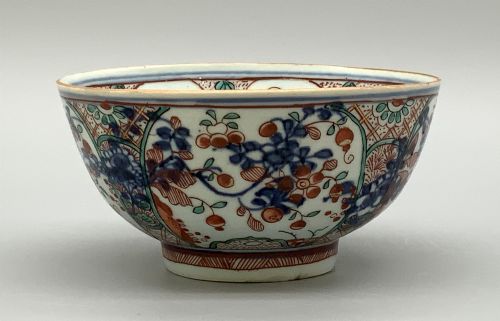
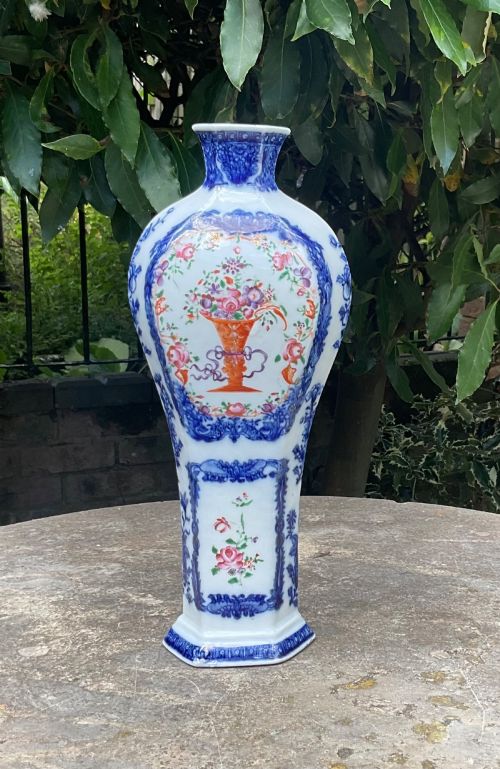
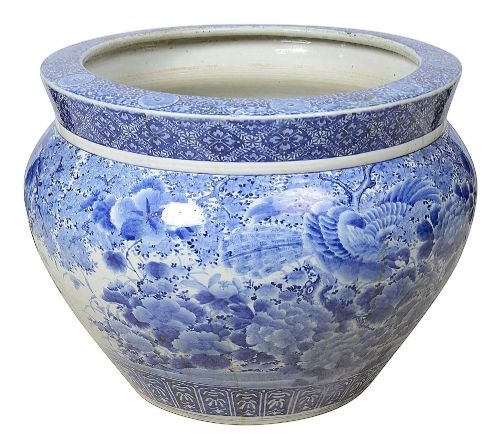
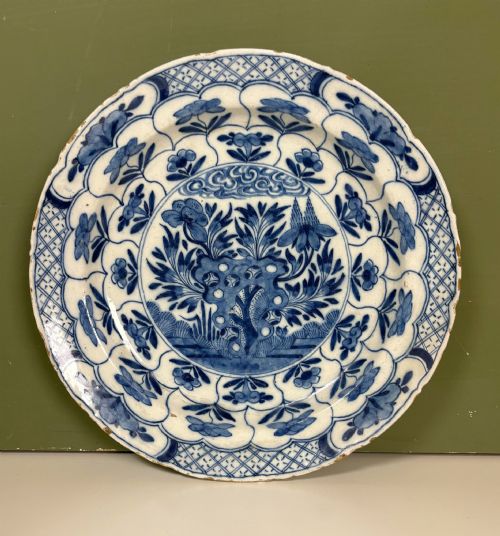
Floral blue white ceramic items encompass centuries of decorative vessels, tableware, and chargers originating from English, European, and Asian kilns. The selection on this page centres on domestic and decorative forms ranging from early Delftware and Chinese export porcelain to Victorian earthenware.
The objects take shapes such as chargers, vases, bowls, platters, jugs, and tea caddies, often painted or transfer-printed with botanical motifs. Buyers encounter both refined porcelain and robust pottery intended for daily service or display.
Originating across the eighteenth and nineteenth centuries, alongside earlier works, these pieces reflect distinct regional interpretations of floral design executed in cobalt and white palettes.
How they were made
Potters shaped porcelain, earthenware, and soft-paste bodies on the wheel or pressed them into moulds before applying tin glaze, enamel, or transparent lead glazes. Cobalt pigment provided the deep blue coloration, applied directly to the body or onto an opaque tin glaze before high-temperature firing.
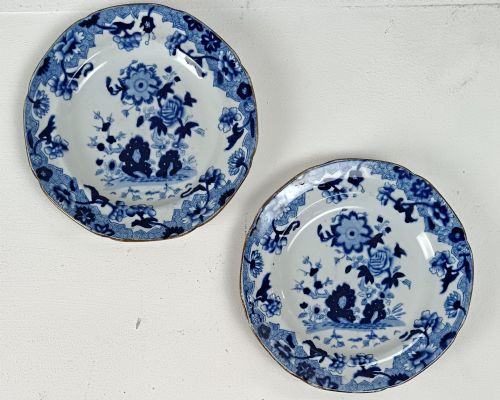
Transfer printing emerged alongside hand-painted brushwork, allowing complex floral scenes to be applied consistently to plates, jugs, and serving platters. Sèvres, Worcester, and various Delft kilns utilised these techniques to achieve durable, vitrified surfaces.
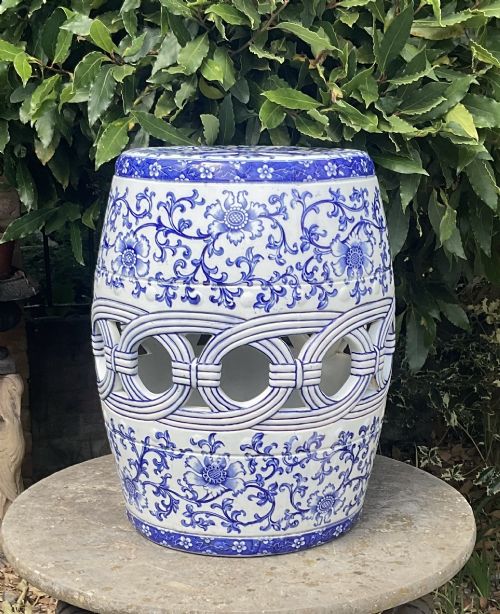
Listings span the seventeenth, eighteenth, and nineteenth centuries, featuring porcelain, earthenware, tin glaze, and cobalt pigment across forms from plates to garden seats.
What varies in quality
The refinement of the ceramic body and the precision of the cobalt painting dictate the distinction between standard utilitarian wares and exceptional cabinet pieces. Soft-paste porcelain and early tin-glazed earthenware display subtle variations in potting thickness and glaze pooling.
Clarity of the botanical transfer print or the fluidity of the hand-painted brushwork determines the visual impact of each charger, bowl, or vase. Pieces with crisp cobalt adherence and well-balanced forms represent the upper tier of production.
Dr Wall Worcester·John Rogers and Son·James Wallace and Co·Minton
The Floral Blue White Ceramic Glossary
- Cobalt Pigment
- A metallic oxide used to achieve deep blue decoration under or over the glaze. It withstands high kiln temperatures without losing intensity.
- Tin-Glazed Earthenware
- Pottery covered with a lead glaze made opaque by the addition of tin oxide. This surface provides a smooth white ground for painted floral designs.
- Transfer Printing
- A method of applying engraved decorative patterns to ceramics using paper tissue transfers. This technique allowed intricate floral scenes to be duplicated efficiently.
- Charger
- A large decorative or ceremonial plate intended for display on a sideboard or wall rather than dining use. They frequently feature elaborate floral blue and white schemes.
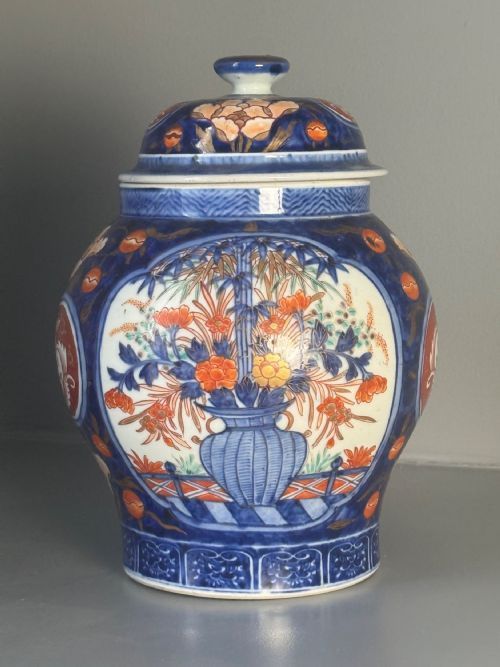
- Imari
- A Japanese style of porcelain decoration characterised by cobalt blue underglaze combined with iron red and gilt overglaze. Pieces often incorporate dense floral panels.
Floral Blue White Ceramic: Frequently Asked Questions
How do I date a blue and white ceramic piece?
Dating relies on identifying the ceramic body, glaze characteristics, and potting style specific to periods like the eighteenth century or Victorian era. Factory marks and painter symbols also help narrow down the exact decade of manufacture.
Changes in transfer printing technology and cobalt hues further assist in distinguishing earlier earthenware from later nineteenth-century production.
Were these floral ceramics used daily?
Many items, including platters, jugs, and tea caddies, served practical functions in domestic dining and food preparation. Robust earthenware and ironstone bodies handled regular use in households.
Delicate porcelain tea wares and large chargers were generally reserved for formal display or special occasions rather than rough kitchen service.
What is the difference between porcelain and earthenware?
Porcelain is fired at extremely high temperatures, resulting in a vitreous, non-porous body that often rings when struck and appears translucent in thin sections. Earthenware is a porous pottery body fired at lower temperatures, requiring a tin or lead glaze to become waterproof.
Earthenware pieces like Delftware and Staffordshire dishes tend to have heavier walls compared to fine porcelain tea canisters.
How should I display large chargers and platters?
Large chargers and serving platters are well-suited for wall mounting using secure wire hangers or placement on sturdy plate stands atop sideboards. Their broad surfaces showcase intricate floral and botanical compositions effectively.
Ensuring stable support prevents accidental slips while allowing the cobalt patterns to catch natural light.