

Late Victorian Ceramics
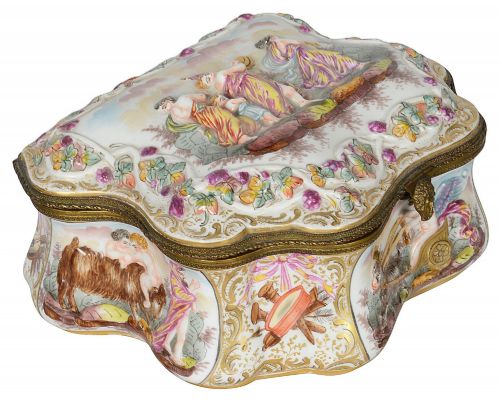
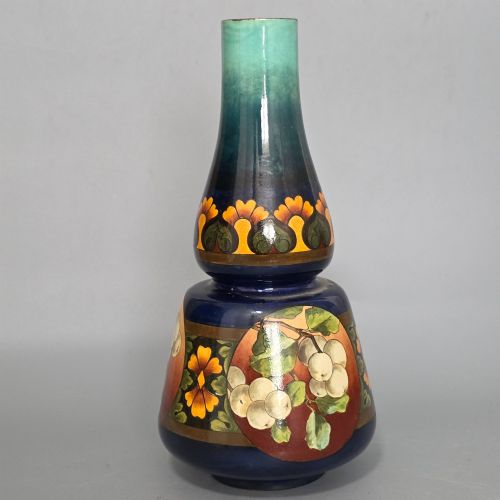
Late victorian ceramics bring together the varied sculptural forms, painted surfaces and decorative styles of the late nineteenth century.
Late Victorian Ceramics
When you search for late victorian ceramics, you encounter a diverse group of objects spanning decorative vases, ewers, bowls, plates, and sculptural figures created in the late nineteenth century.
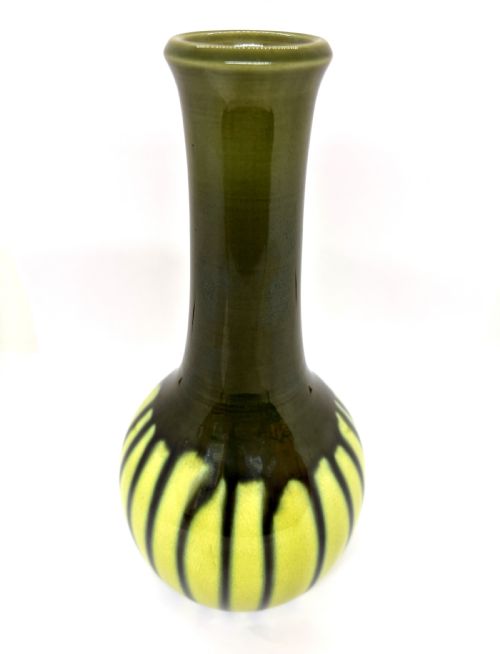
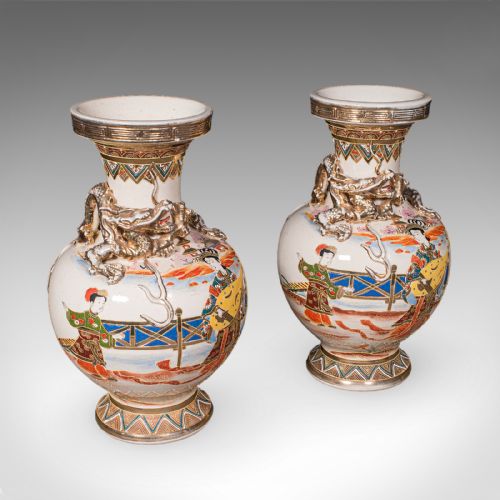
The objects on this page range from English art pottery and Worcester porcelain to European continental porcelain, majolica, faience, and Japanese export wares.
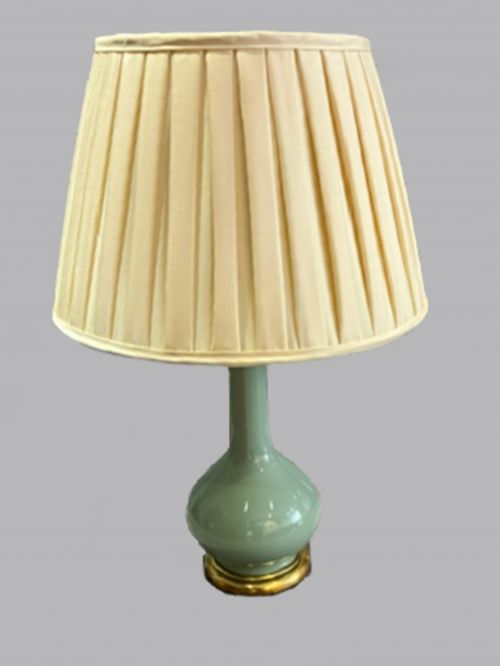
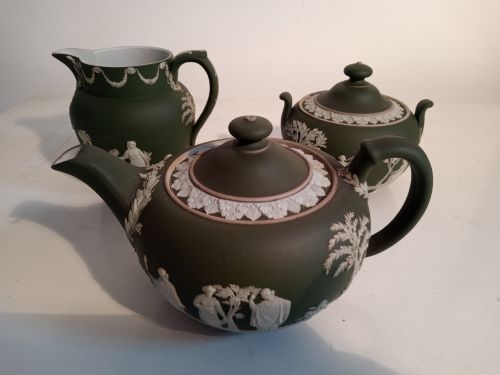
Forms include utilitarian items such as teasets and inkwells alongside purely decorative figures, lamps, and large chargers reflecting the eclectic tastes of the period.
Materials and production methods
Manufacturers utilised porcelain, earthenware, terracotta, and faience, shaping them into baluster vases, figures, and architectural pedestals.
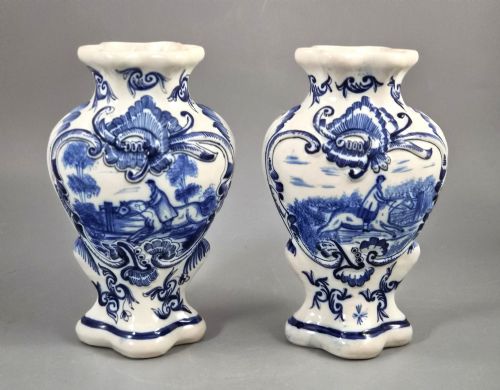
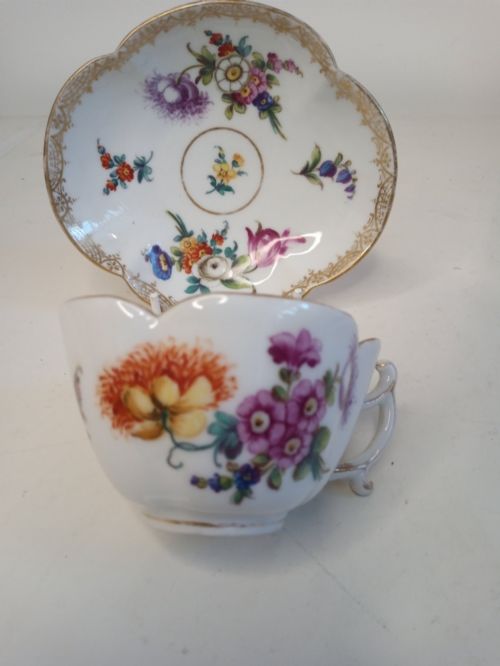
Decoration relied heavily on hand painting, enamel work, blue and white glazing, and applied gold leaf or gilt highlights.
Specialised techniques such as reticulation, blush ivory finishes, and intarsio faience distinguished the output of prominent potteries and studios.
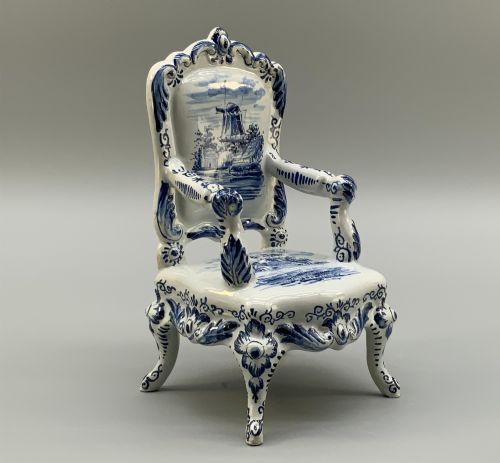
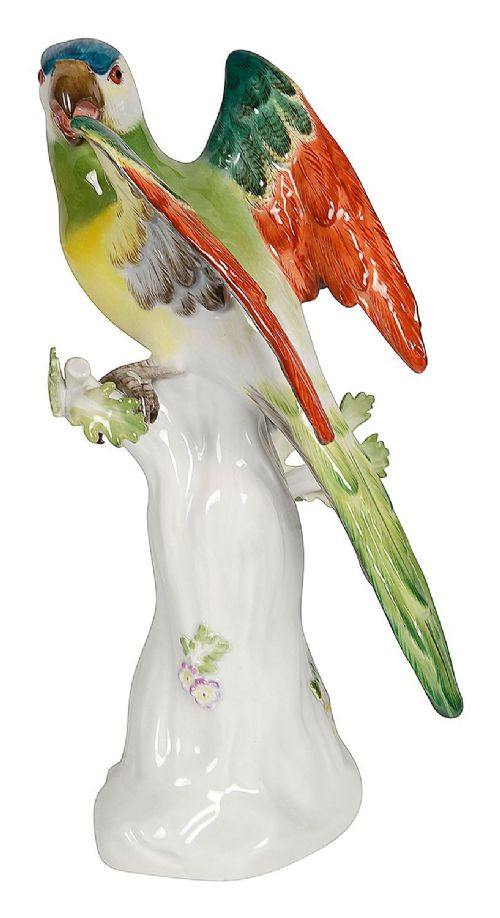
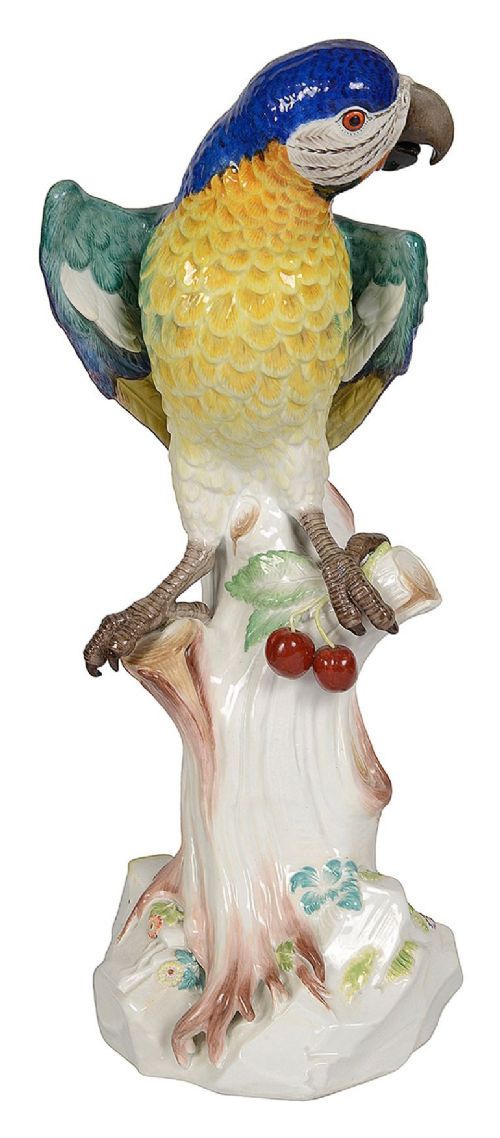
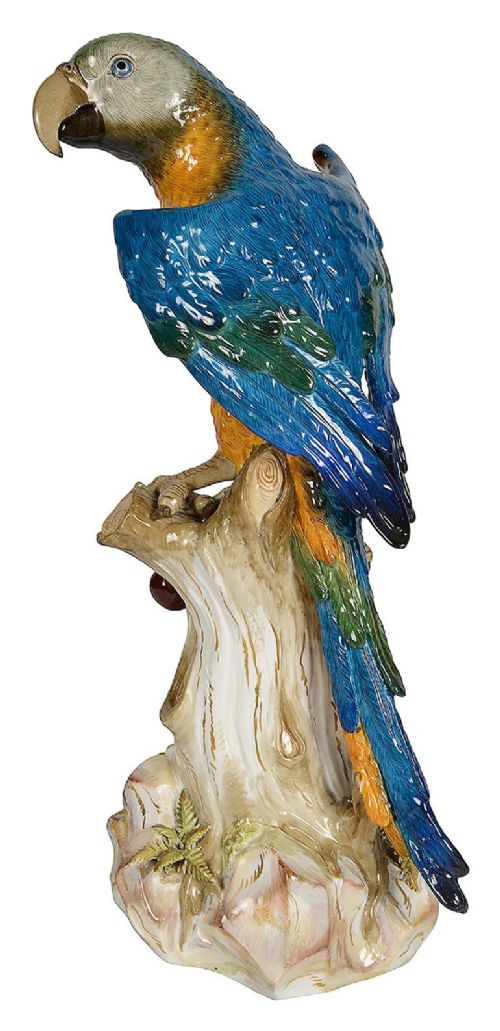
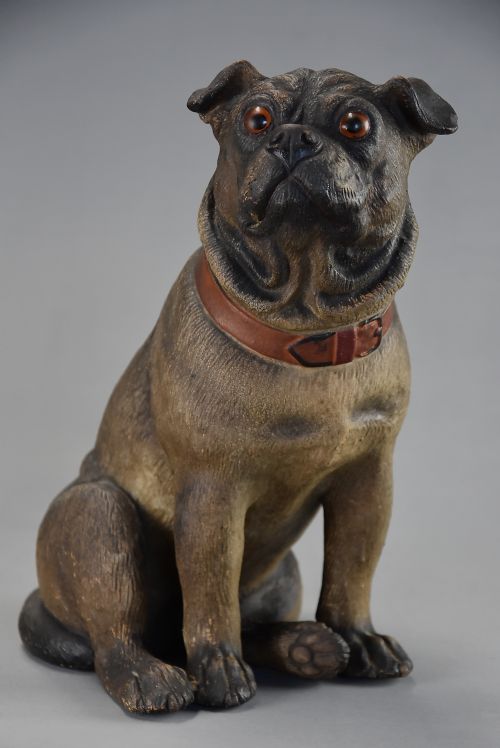
Among the seated pugs and exotic birds, a miniature porcelain armchair waits quietly for a very small Victorian visitor.
Assessing quality in the pieces
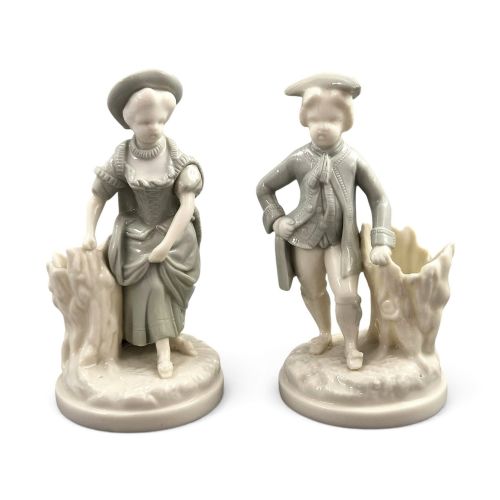
Quality rests upon the crispness of the modelled form, whether in a parian study or a moulded terracotta figure, and the precision of the hand-painted detail.
The finesse of the glaze application and the successful integration of gilding or enamel determine the visual success of porcelain and earthenware objects.
Works originating from documented makers and identifiable artists exhibit superior execution in both body composition and surface decoration.
Royal Worcester·Doulton Lambeth·Meissen·Burmantoft s Pottery·Wedgwood·Walker and Hall·Fourmaintraux Courquin·Locke and Co·Doulton Burslem·Grainger Worcester·Volkstedt
The Late Victorian Ceramics Glossary
- Faience
- Tin-glazed earthenware, often produced in France and Britain during the nineteenth century. It provides an opaque white surface suitable for elaborate hand painting.
- Parian porcelain
- A fine-grained unglazed porcelain developed to imitate marble. It was frequently used for classical sculptural studies and portrait busts.
- Imari
- A style of Japanese export ceramic featuring deep cobalt blue, iron red, and gold. Late nineteenth-century makers frequently adapted these saturated patterns.
- Reticulation
- An openwork lattice pattern pierced through the ceramic body before firing. It requires considerable skill to prevent warping in the kiln.
- Blush ivory
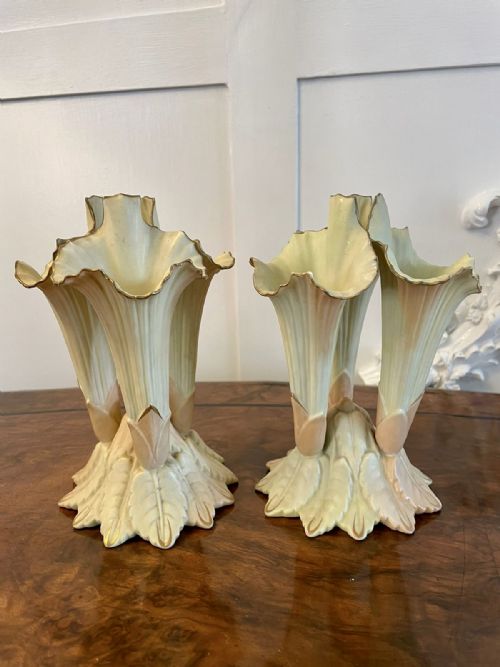
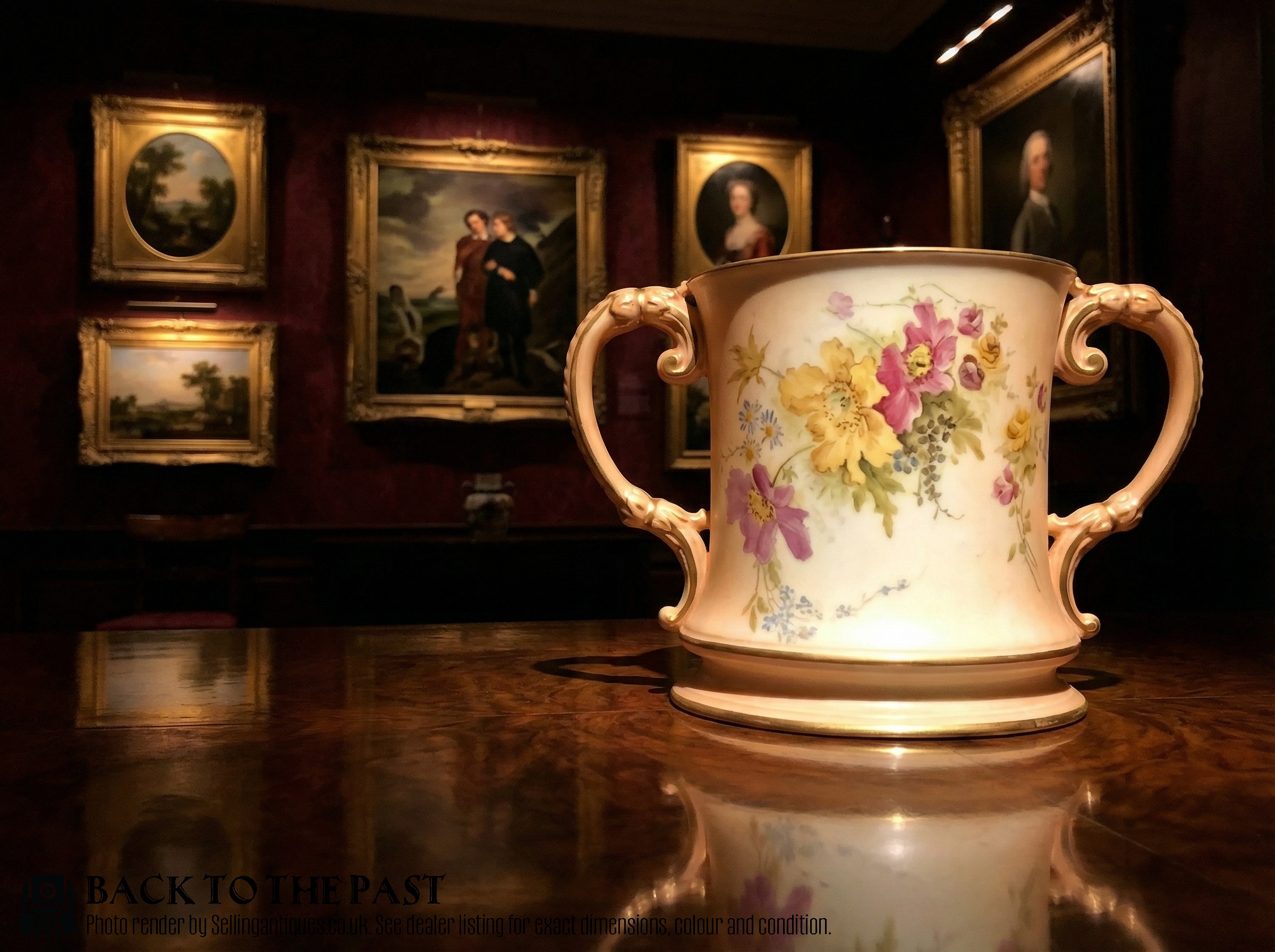
- A soft cream-coloured ceramic ground developed by English potteries. It is typically paired with delicate floral painting and gilding.
Late Victorian Ceramics: Frequently Asked Questions
What defines late victorian ceramics?
These items encompass decorative and functional pottery and porcelain produced during the final decades of the nineteenth century.
They reflect diverse influences including the Aesthetic Movement, Japanese art, and historical revivals.
How were these pieces used?
Many items served as decorative garnitures, mantel ornaments, or centrepieces in Victorian interiors.
Others had practical functions such as teasets, inkwells, oil lamps, and tableware.
How do I care for antique porcelain?
Keep pieces out of direct sunlight to prevent fading on hand-painted enamel and gilt surfaces.
Wash them by hand using mild warm water when cleaning is necessary, avoiding harsh abrasives.
How are periods identified?
Dating relies on factory backstamps, impressed marks, and stylistic indicators associated with specific potteries.
Design motifs like blue and white transfers or blush ivory finishes help narrow down the production era.