






Imari Porcelain Dish
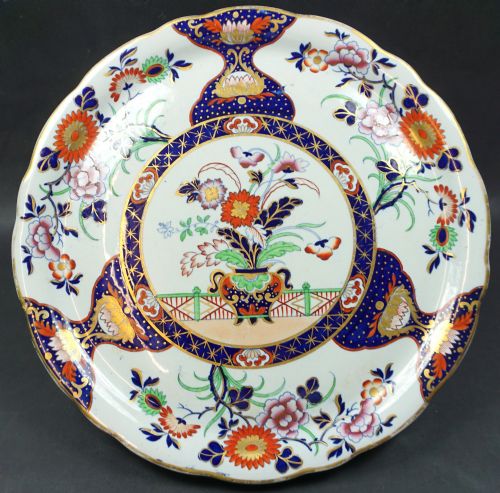
An imari porcelain dish brings striking red and blue enamel together with gold leaf, offering bold colour and pattern for any display.
What an Imari Porcelain Dish Is
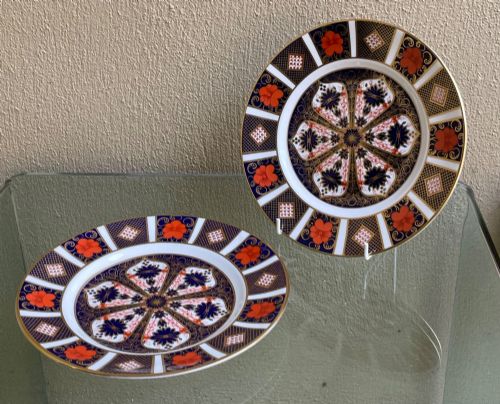
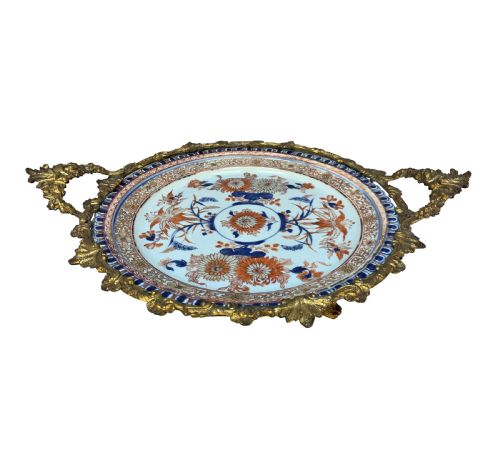
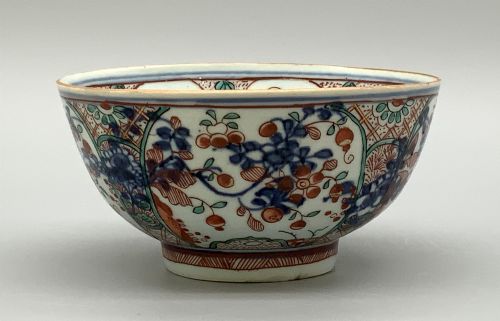
An imari porcelain dish represents a rich tradition of decorative ceramics spanning several centuries of export and domestic production. When you search for an imari porcelain dish, you encounter pieces originating from Japan and China, alongside European interpretations created by factories like Royal Crown Derby and Samson.
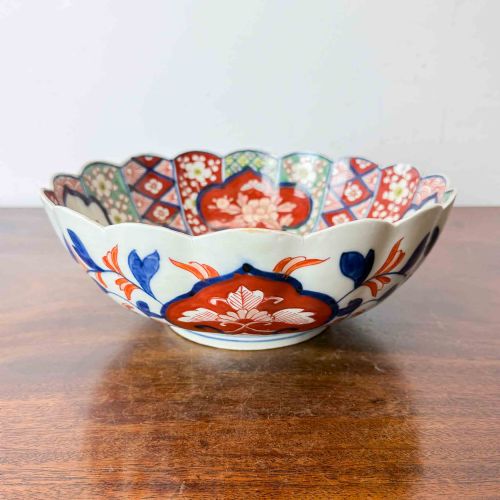
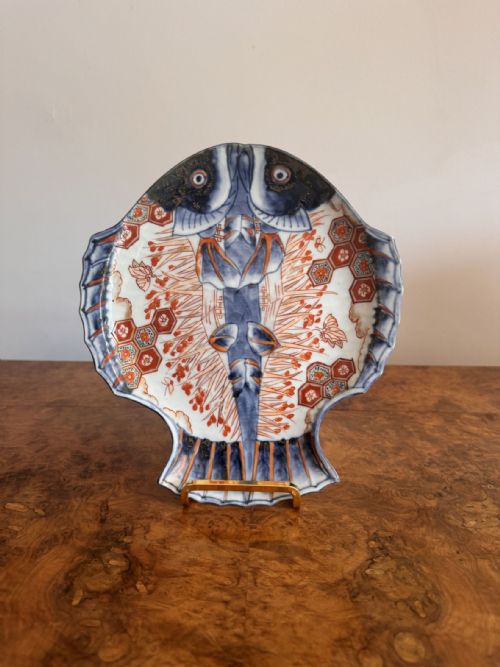
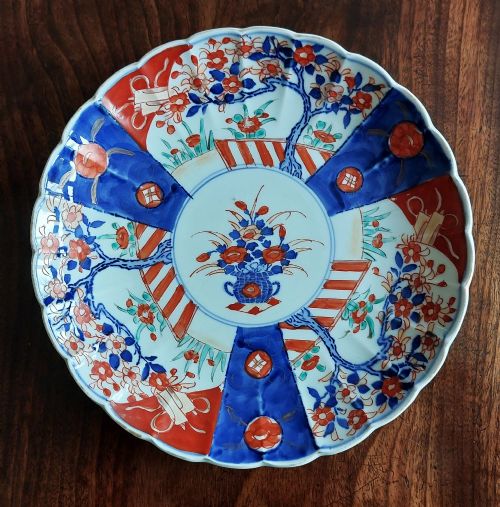
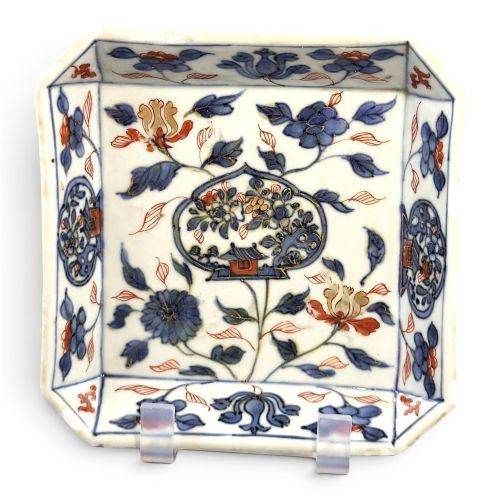
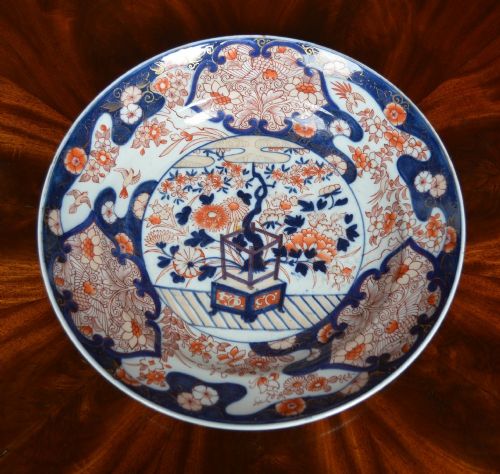
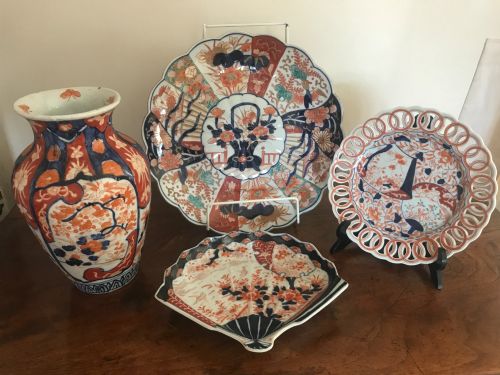
The forms vary widely across the inventory, ranging from standard plates and bowls to hexagonal shapes, square shapes, scallop-edged bowls, boat-shaped vessels, shell dishes, and large chargers. These items function primarily as decorative pieces rather than utilitarian tableware, designed to catch the eye with their distinctive palette.
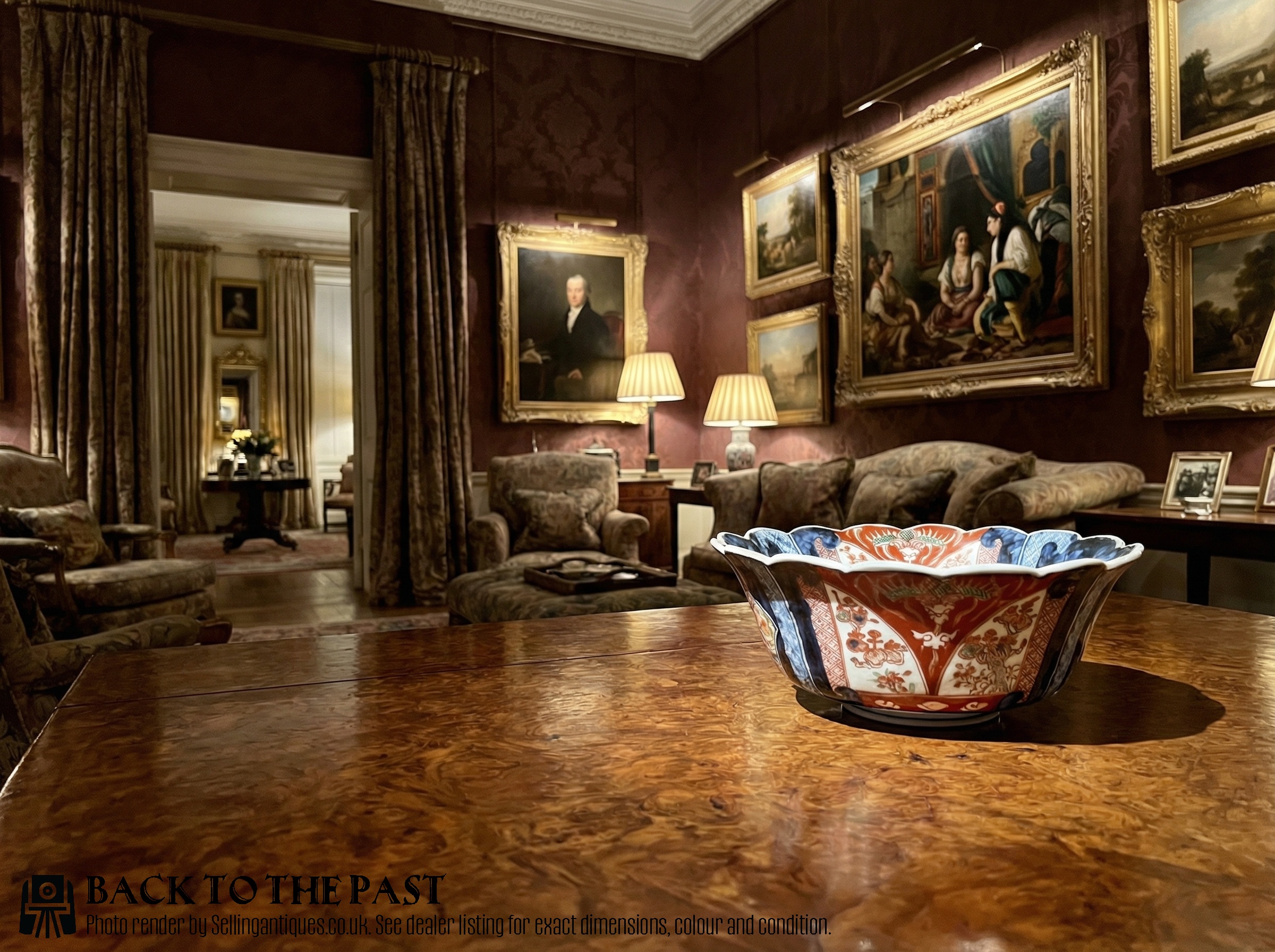
Japanese examples from the Meiji period and around nineteen hundred sit alongside earlier Chinese export wares and nineteenth-century European revivals. Each piece reflects the enduring appeal of the characteristic palette, whether produced in Arita or modelled after eighteenth-century styles.
Materials and Making
Production relies on fine porcelain shaped by hand or mould, finished with a smooth glaze that forms the base for elaborate surface decoration. Artisans apply pigments in underglaze blue and overglaze iron red, building intricate motifs across the ceramic surface.
Many examples incorporate additional embellishments such as enamel colours and gold leaf applied over the glaze. Firing fixes the cobalt blue beneath the glaze before subsequent firings fuse the coloured enamels and metallic highlights to the finished body.
Retail Price Guide 2026
Typical UK retail prices for imari porcelain dish, calculated from the Sellingantiques database of over a million retail prices indexed since 2003. This retail price guide relies exclusively on Sellingantiques data; no external sources or auction records are used, so the figures do not describe the wider market.
Object forms appearing in the inventory comprise decorative plates, decorative bowls, chargers, and boat-shaped dishes.
Distinctions in Quality
Quality reveals itself in the precision of the hand-painted details and the crispness of the enamel work against the white porcelain ground. Stronger pieces display deliberate brushwork and a balanced distribution of the blue, red, and gold leaf elements.
The execution of unusual forms, such as hexagonal plates, square shapes, scallop edges, and boat-shaped dishes, demands greater skill from the potter and decorator. Finer examples maintain structural symmetry alongside richly detailed surface patterns that define the aesthetic.
Royal Crown Derby·Samson
The Imari Porcelain Dish Glossary
- Imari palette
- A decorative scheme typically featuring underglaze cobalt blue, iron red enamel, and gold leaf highlights. This combination creates the high-contrast look associated with these ceramics.
- Arita
- A Japanese town famous for its porcelain production, serving as the historical centre for Japanese imari wares. Kilns in this region supplied both domestic markets and international trade.
- Meiji Period
- A period in Japanese history spanning from eighteen sixty-eight to nineteen twelve, known for producing detailed decorative arts including imari plates and bowls. Pieces from this era often feature complex surface patterns.
- Charger
- A large decorative plate used historically for display rather than for serving food at the table. These substantial pieces showcase expansive painted surfaces.
- Enamel
- Opaque or translucent glass applied over fired glaze and fixed in a secondary kiln firing. It provides the vibrant red and complementary colours found on these dishes.
Frequently Asked Questions
What is an imari porcelain dish?
An imari porcelain dish is a decorative ceramic piece decorated with a distinctive palette of underglaze blue, iron red, and gold leaf. These items include plates, bowls, chargers, and shaped dishes.
Originating in Japan and China before being copied by European makers, they served primarily as decorative items rather than everyday tableware.
Were these dishes used for food?
Most surviving imari dishes function as decorative plates, large chargers, or display bowls rather than functional kitchenware. Their delicate enamel and gold leaf decoration meant they were intended for visual appreciation.
Boat-shaped dishes and shell dishes were often used for specialised service or simply displayed on sideboards and tables.
Who made imari outside Japan?
Chinese kilns produced imari pattern porcelain for export during the Kangxi period and later years. European makers also adopted the style.
Factories like Royal Crown Derby in Britain and makers like Samson in France created their own interpretations of the traditional palette during the eighteenth and nineteenth centuries.