





Hand Painted Imari
These hand painted imari pieces bring together rich Japanese and British ceramic traditions, offering vibrant patterns that suit both traditional and modern rooms.

Hand Painted Imari
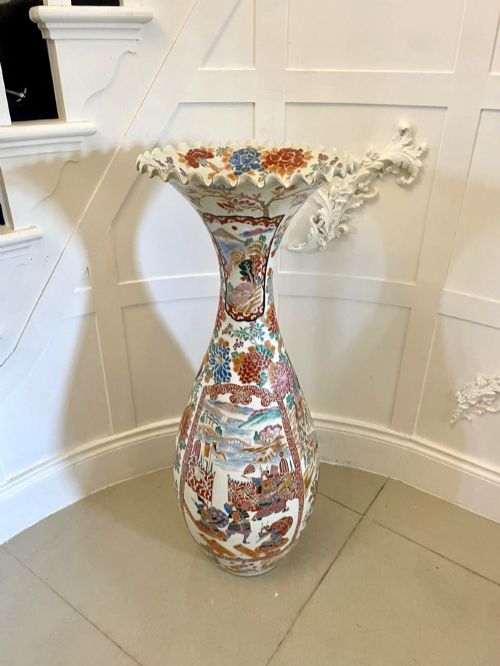
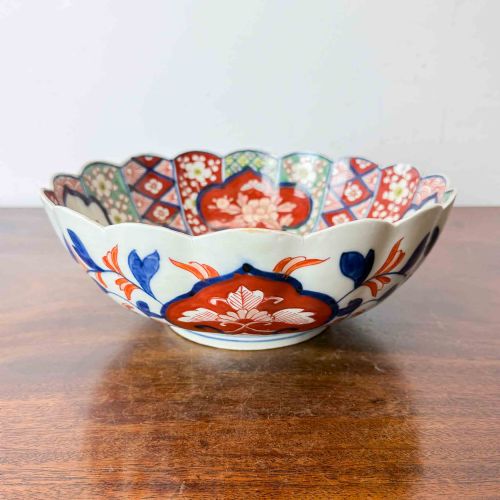
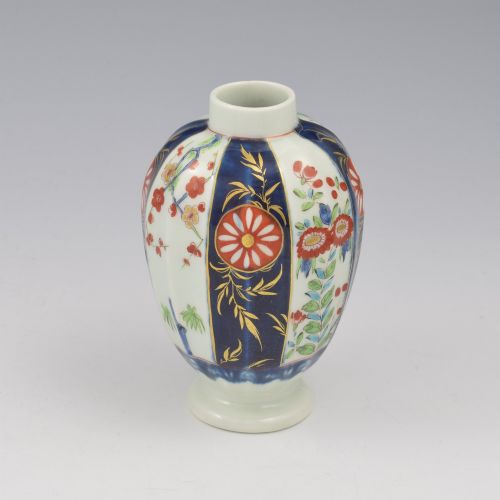
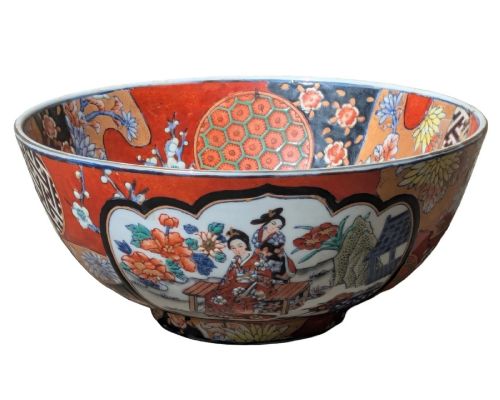
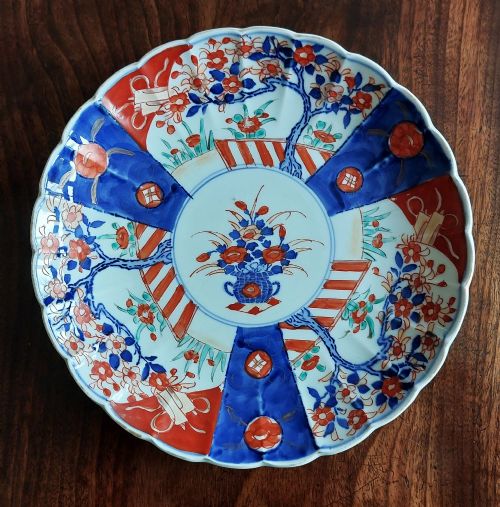
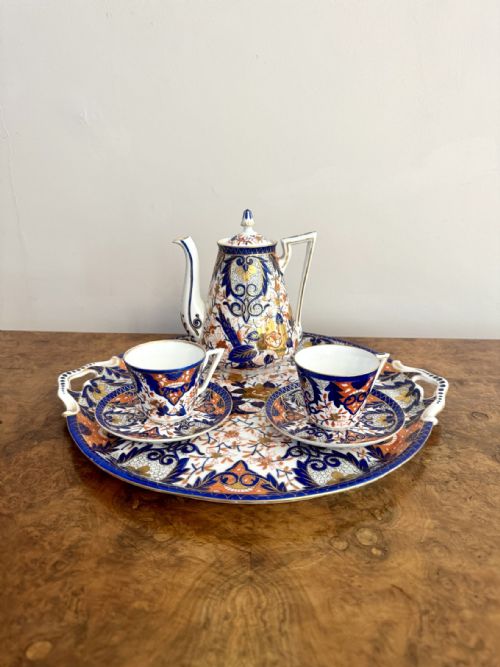
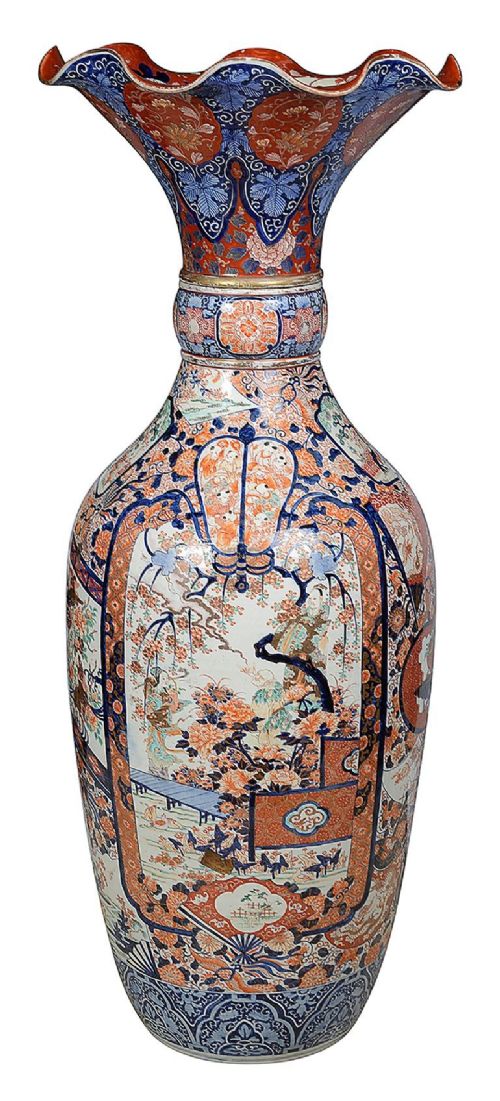
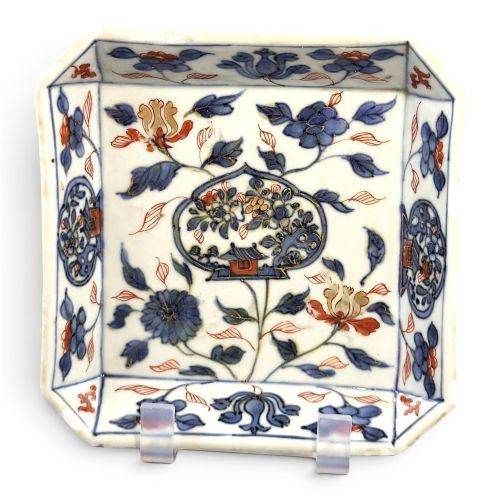
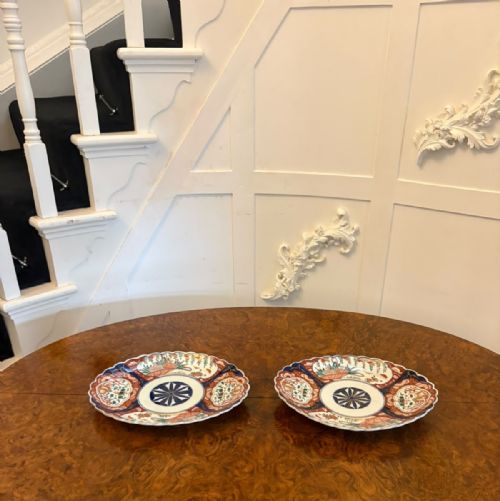
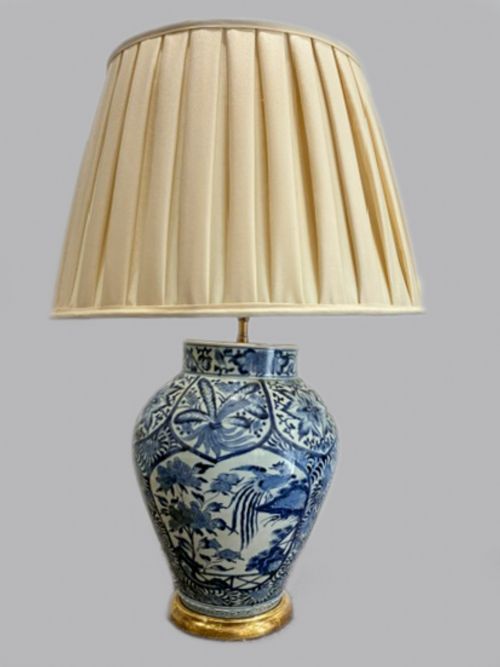
When you search for hand painted imari, you encounter a distinct group of ceramic objects defined by a characteristic palette of cobalt blue, iron red, and gold leaf. The items on this page span several centuries, with Japanese examples ranging from the Edo and Meiji periods alongside British adaptations like Gaudy Welsh ironstone and English porcelain.
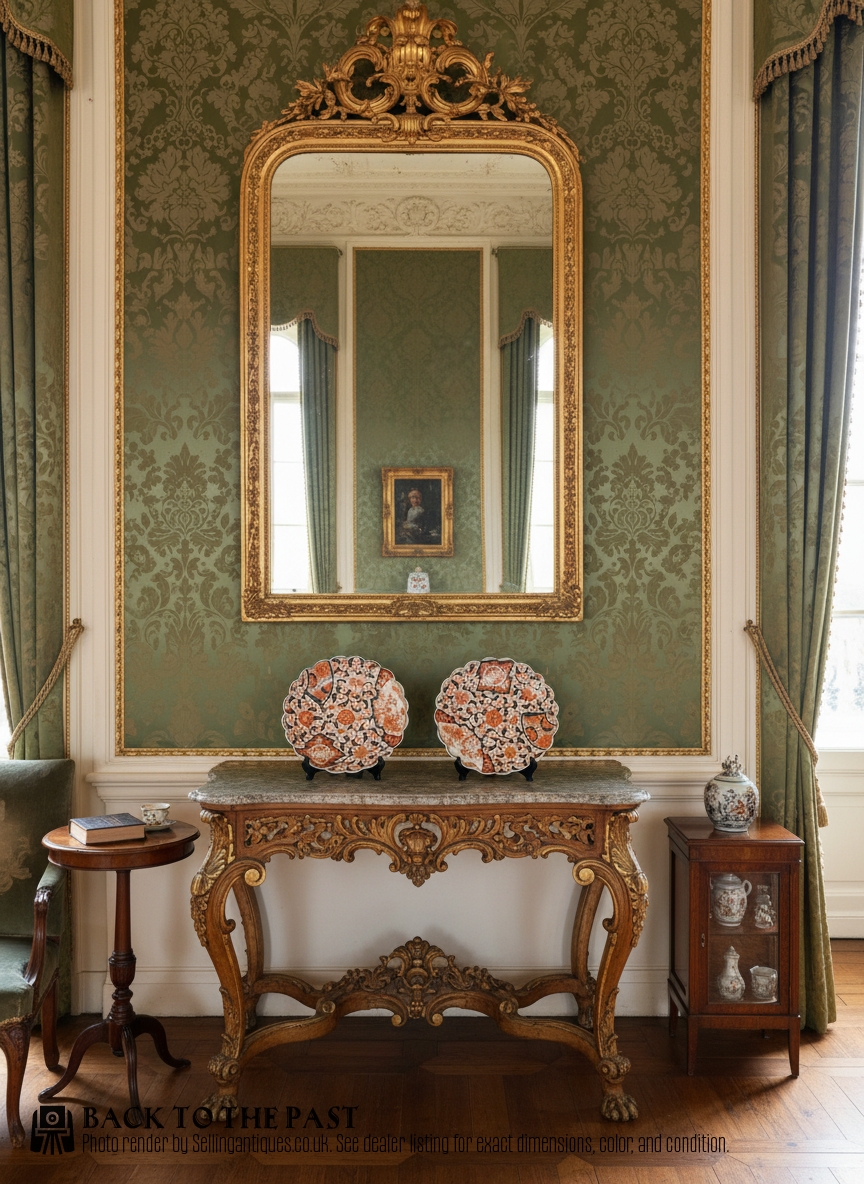
The forms vary widely from large chargers and floor-standing vases to everyday tableware such as plates, bowls, and jugs. Japanese porcelain and Arita wares form a major part of the selection, sitting alongside Georgian and Victorian English interpretations of the style.
How they were made
The makers utilised porcelain, earthenware, and ironstone as bodies for these vessels, applying underglaze cobalt blue before firing the piece. Enamel colours and gold leaf were then added in subsequent overglaze steps to create the intricate, multi-layered designs seen on plates and chargers.
Techniques evolved from early Japanese Arita traditions to 19th-century British factory production methods, where potteries employed similar hand painting and gilding processes on ironstone china and earthenware.
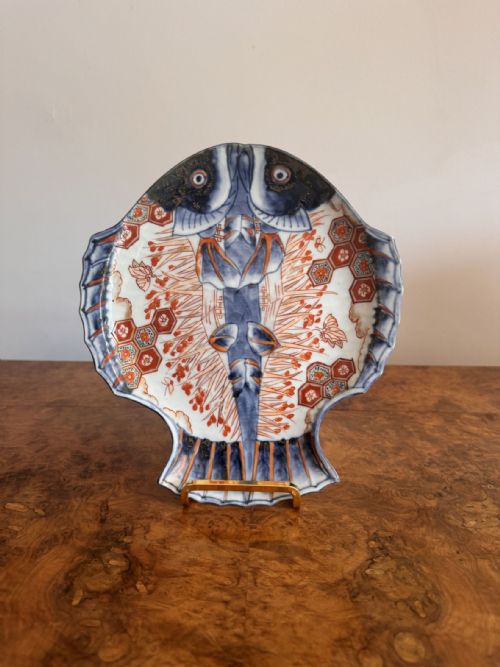
Among the plates on offer is one shaped precisely like a fish, proving that earlier potters enjoyed a touch of humour at the dinner table.
What varies in quality
The standard of hand painting is the primary factor that separates standard utility wares from finer collector pieces. Crisp brushwork in the cobalt blue and precise application of gold leaf indicate a higher level of artisan skill.
The weight, throwing quality of the ceramic body, and the complexity of the moulded shapes - such as scallop edges, fish forms, or shell-shaped dishes - also distinguish superior examples from simpler production items.
Hicks And Meigh·John Davenport of Longport·Taylor Tunnicliff
The Hand Painted Imari Glossary
- Imari
- A style of ceramic decoration originating in Japan, characterised by a palette of underglaze blue, iron red, and gilt, which later inspired European factories. The name derives from the port from which these goods were shipped.
- Arita
- The Japanese town and surrounding region where the porcelain industry developed, producing the earliest wares of this type. It forms the foundation of Japanese ceramic history.
- Ironstone
- A heavy, durable type of earthenware patented in the 19th century that mimics porcelain. British potteries utilised it extensively for patterned tableware.
- Charger
- A large decorative plate intended for display rather than dining. These pieces often feature the most elaborate hand painted designs.
- Meiji Period
- A period in Japanese history spanning from 1868 to 1912, known for opening trade with the West and producing highly detailed decorative arts.
Hand Painted Imari: Frequently Asked Questions
How do I date an imari piece?
Dating relies on examining the ceramic body, glaze characteristics, and the style of the hand painting. Japanese pieces often align with specific imperial periods, while British items show regional factory traits.
Markings on the base, where present, help narrow down the decade of production. Comparing the palette and weight against known examples provides further clarity.
Were these items meant for daily use?
Many smaller bowls, plates, and jugs served practical functions in domestic settings. Larger chargers and floor-standing vases were produced primarily for decorative display.
Over time, surviving tableware items transitioned from active service into cabinet or wall display pieces due to their age and artistic value.
How do I care for antique ceramic items?
Gentle hand washing in lukewarm water with mild soap preserves the delicate enamel and gold leaf decorations. Avoid soaking pieces or using automated dishwashers.
Display vessels benefit from stable placement away from direct sunlight and sudden temperature shifts to protect the glaze and body.
How do I tell Japanese imari from British imari?
Japanese examples typically utilise a true porcelain body with characteristic potting traits and traditional motifs. British versions often employ ironstone, earthenware, or soft-paste porcelain with European interpretations of the patterns.
Weight, translucency, and the specific shades of iron red and cobalt blue help differentiate the two origins.