
French Ormolu Centrepiece
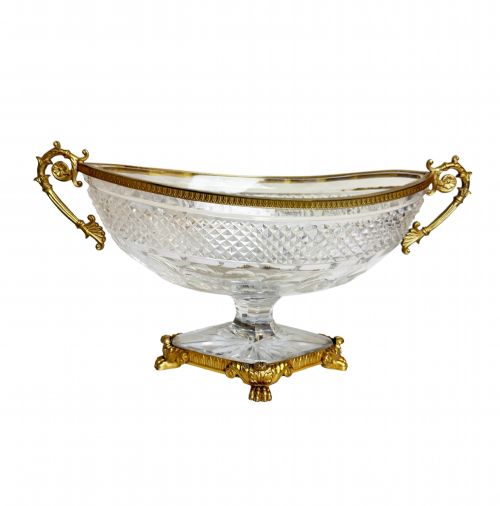
A French ormolu centrepiece brings nineteenth-century dining tables alive with cast bronze mounts, cut crystal bowls, and porcelain inserts.
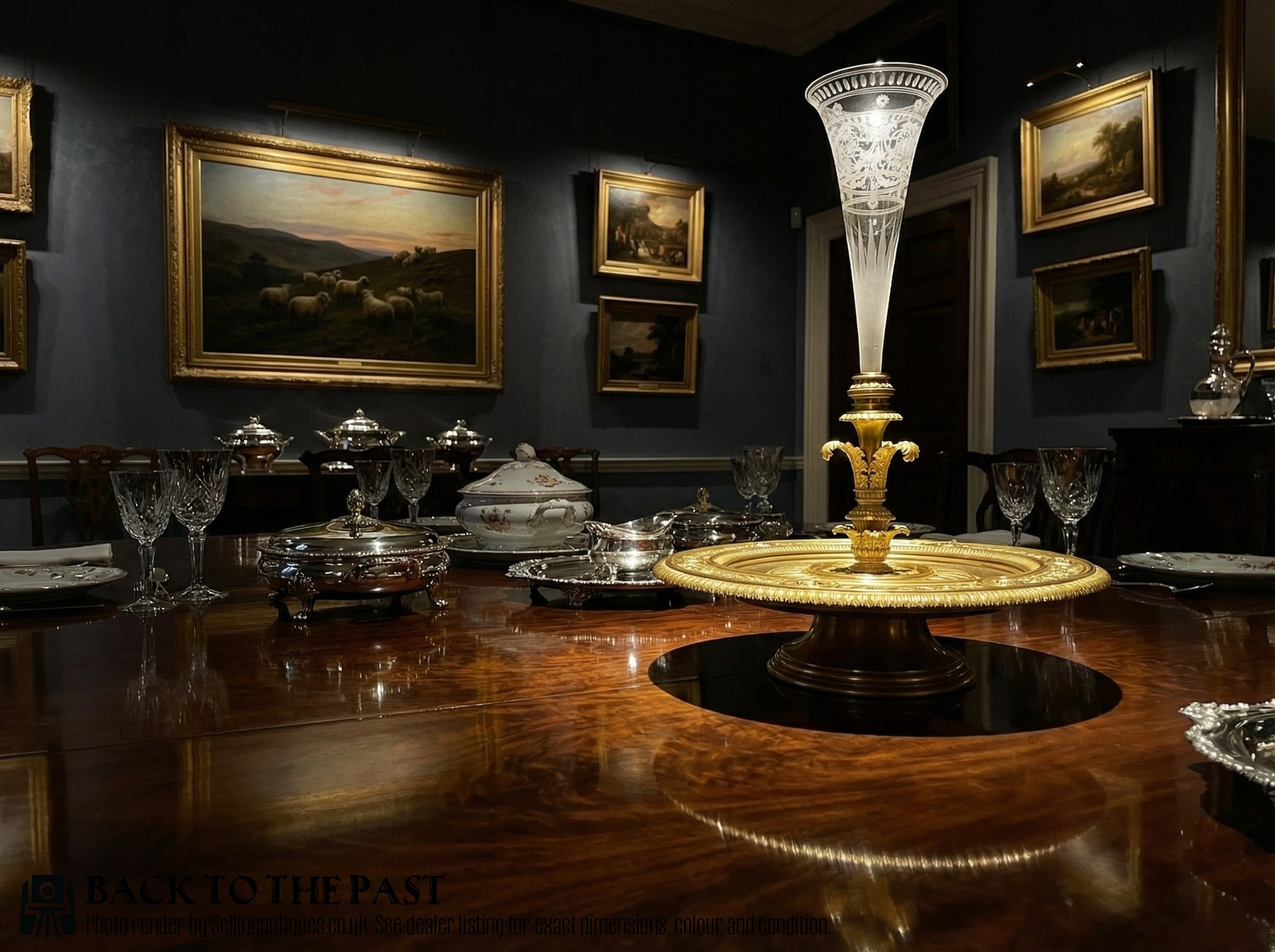
French Ormolu Centrepiece
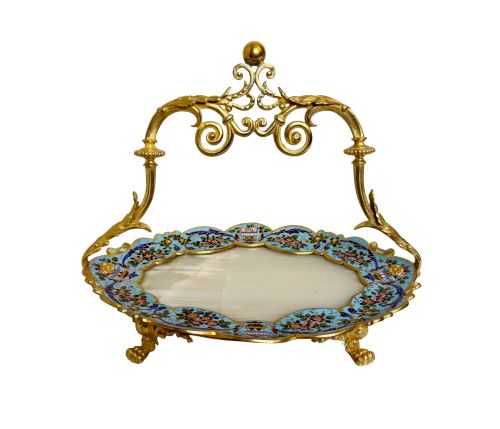
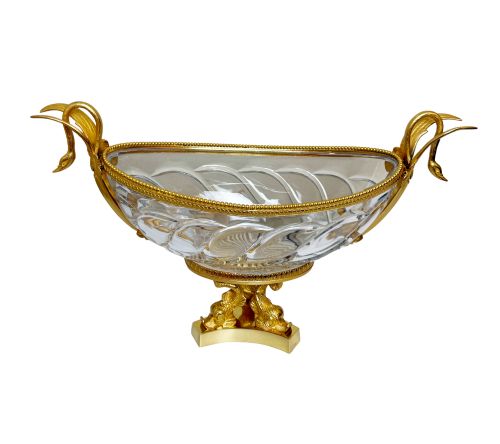
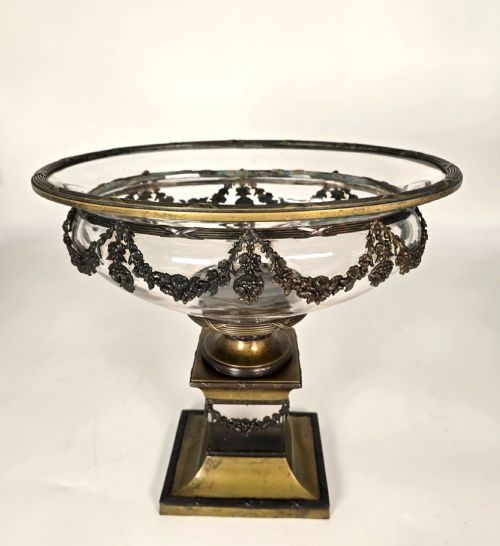
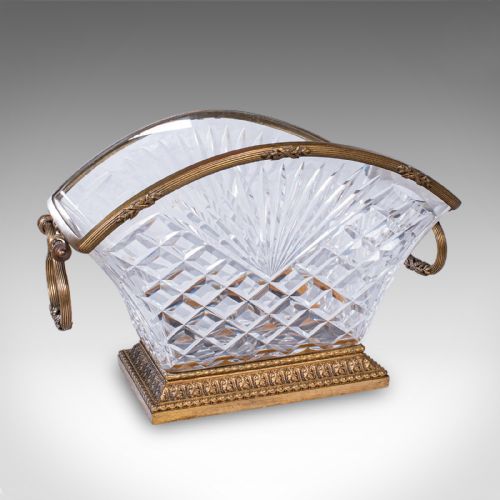
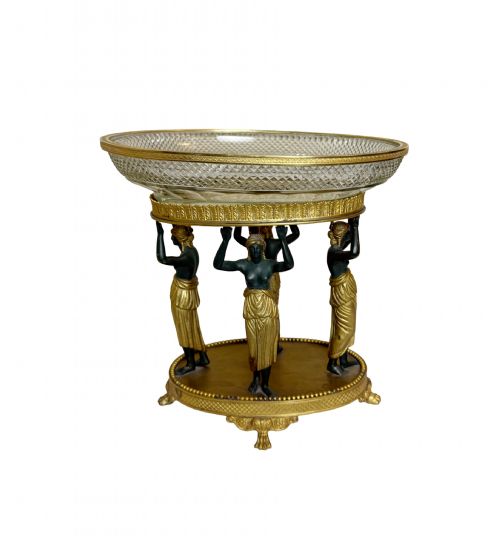
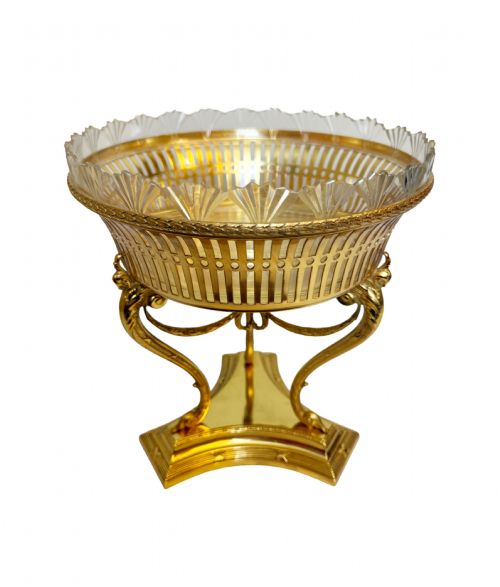
A French ormolu centrepiece serves as a decorative focal point for a table, combining gilded bronze framing with glass, porcelain, or stone containers. These pieces appear most frequently in nineteenth-century styles, ranging from Regency and French Empire to Rococo Revival and Neoclassical designs.
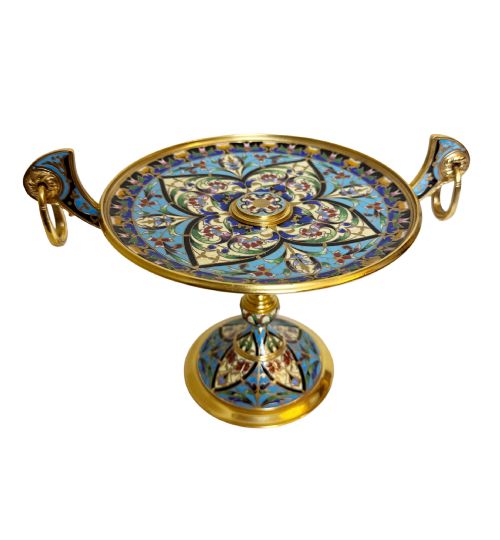
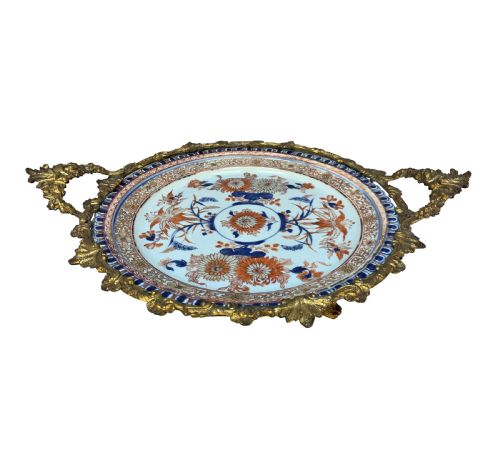
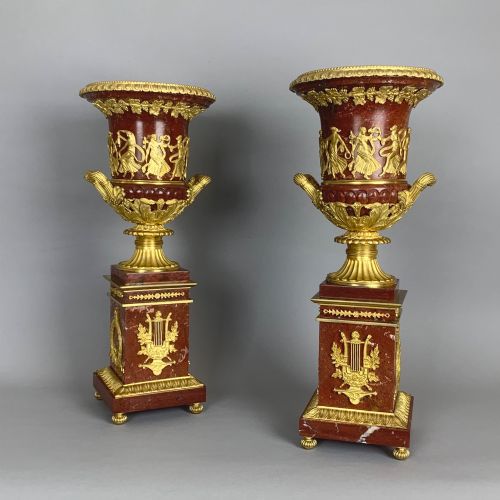
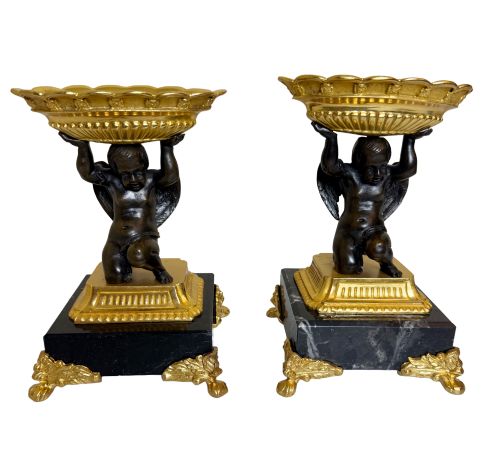
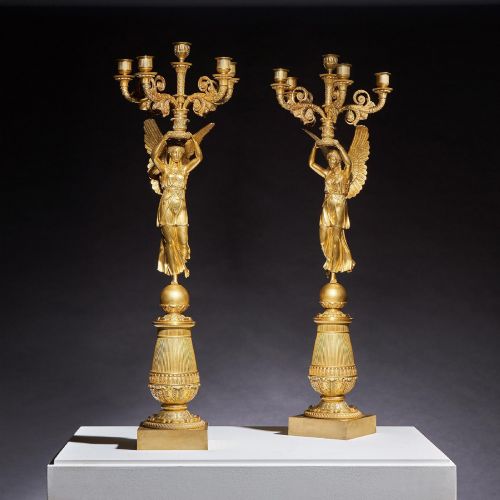
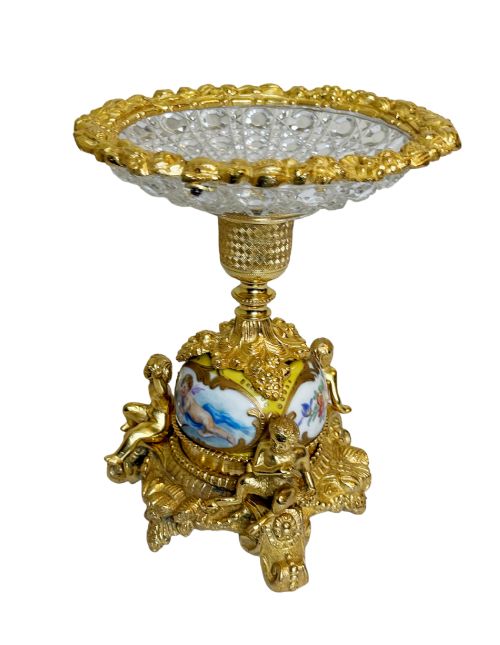
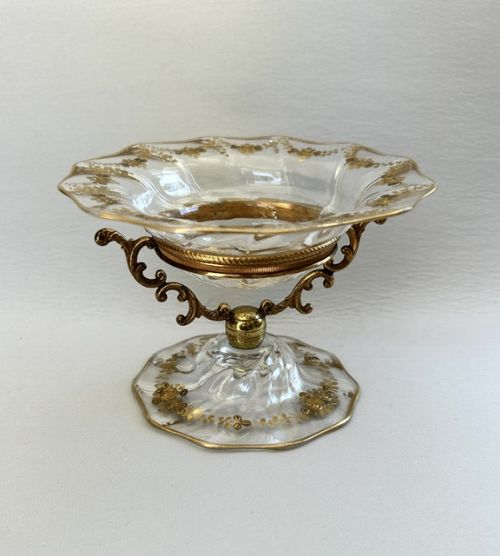
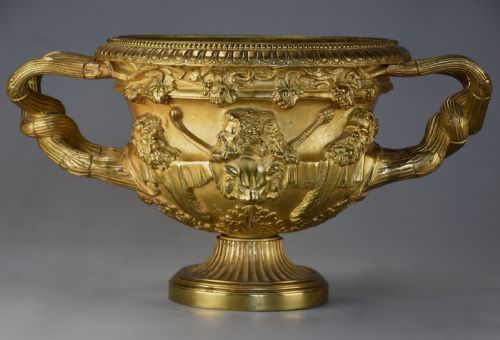
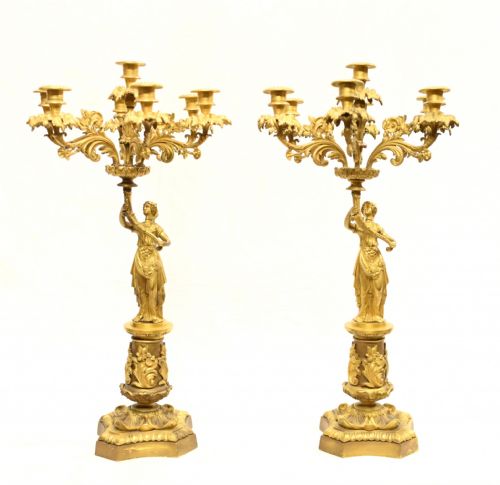
The objects take various forms on this page, including tazzas, pedestal bowls, candelabra, urns, and decorative trays. Buyers encounter items incorporating Sevres style porcelain, Chinese Imari plates, and Grand Tour reductions alongside standard crystal inserts.
Origins trace primarily to nineteenth-century French workshops, though items span the period from the early 1800s through the turn of the twentieth century. The integration of patinated bronze, champleve enamel, and coloured glass creates distinct visual combinations across the available inventory.
Distinctions in manufacture and artistic execution
Material selection dictates the tier of the piece, with solid marbles, heavy lead crystal, and hand-painted porcelain elevating the status of the vessel. The integration between the metal mount and the central insert reveals the precision of the initial design.
French Ormolu Centrepiece Retail Price Guide 2026
Typical asking prices for french ormolu centrepiece among the pieces listed under this phrase on Sellingantiques today, from the lower quarter to the upper quarter. They describe what is for sale here now, not the wider market.
Mermen and dolphins occasionally hold up the crystal bowls, proving that nineteenth-century tables enjoyed a splash of mythology.
Pierre Philippe Thomire
The French Ormolu Centrepiece Glossary
- Ormolu
- Gilded bronze, produced by applying a gold amalgam to a bronze base and heating it to drive off the mercury. This surface treatment gives nineteenth-century French metalwork its characteristic warm lustre.
- Tazza
- A shallow bowl or saucer set upon a stem and foot, used for display. These objects often combine cut glass or porcelain with gilt bronze mounts.
- Champleve
- An enamelling technique where troughs are dug into a metal surface and filled with vitreous enamel paste before firing. The method appears frequently on nineteenth-century trays and centrepiece borders.
- Jardiniere
- A decorative container designed to hold plants or floral arrangements. They appear in gilt bronze with glass inserts and porcelain bodies.
- Candelabra
- A branched candlestick used for lighting dining tables and mantelpieces. These fittings frequently match the material palette of adjacent centrepieces.
French Ormolu Centrepiece: Frequently Asked Questions
What was a French ormolu centrepiece used for?
These pieces sat at the centre of formal dining tables to display fruit, flowers, or sweetmeats during large nineteenth-century meals.
They also functioned as decorative ornaments on sideboards and salon tables when not in active dining use.
How do I identify a Regency period piece?
Regency items often feature classical Neoclassical motifs, patinated bronze contrasts, and specific figural supports like the 'Au Bon Sauvage' designs.
They date to the early nineteenth century and typically display restrained geometric proportions compared to later Rococo Revival extravagance.
What is the difference between ormolu and gilt bronze?
Ormolu specifically denotes the historic mercury gilding process used on French decorative arts from the eighteenth and nineteenth centuries.
Gilt bronze is a broader descriptive term for any bronze object coated in a layer of gold, regardless of the precise plating method.
How should I clean my antique centrepiece?
Dust metal components gently with a soft dry brush and avoid chemical metal cleaners that strip the historic gilding.
Removable glass inserts or porcelain bowls can be lifted out and washed in warm soapy water before drying thoroughly.