


Dutch Delft Pottery
Dutch delft pottery brings hand-painted tin-glazed earthenware into interiors through chargers, chargers, jars and plates spanning three centuries.
Dutch Delft Pottery
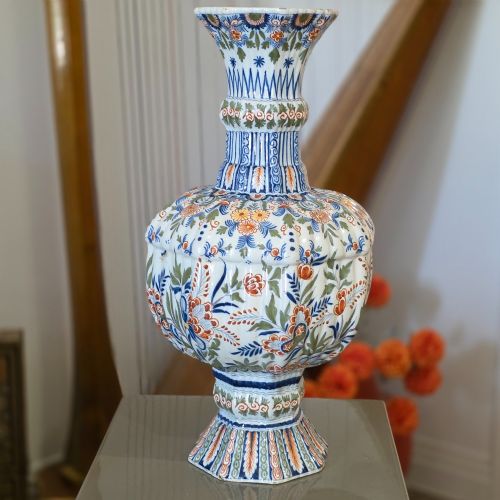
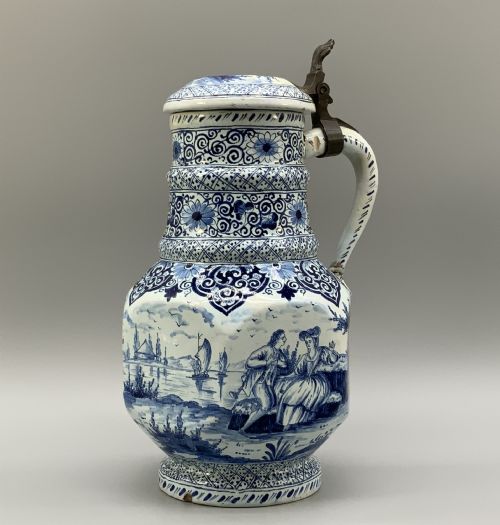
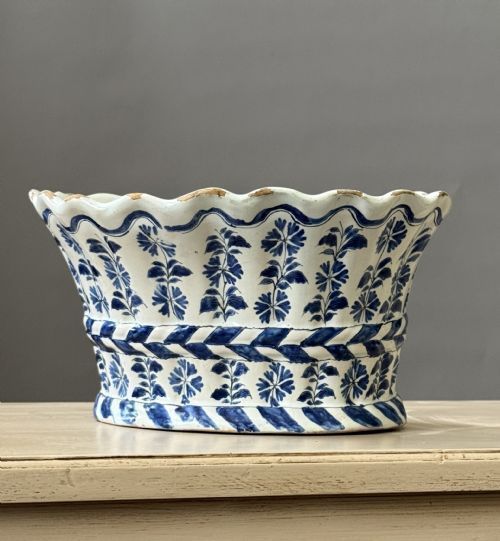
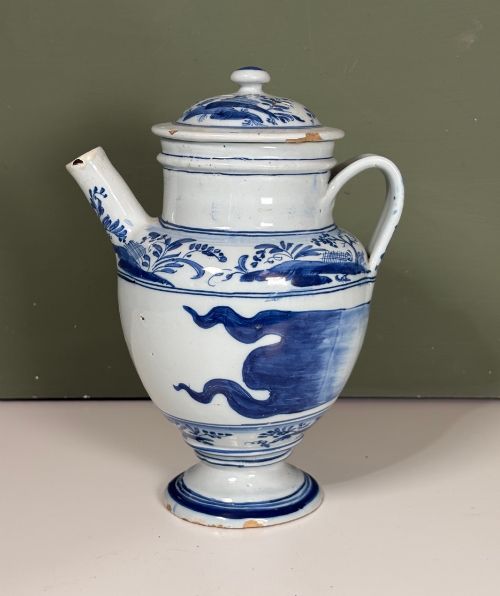
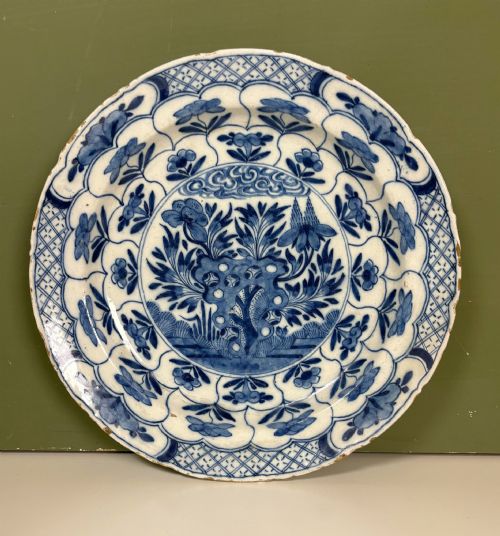
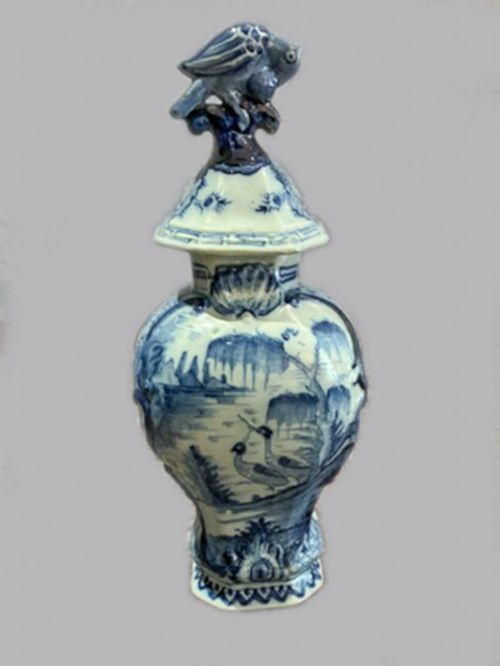
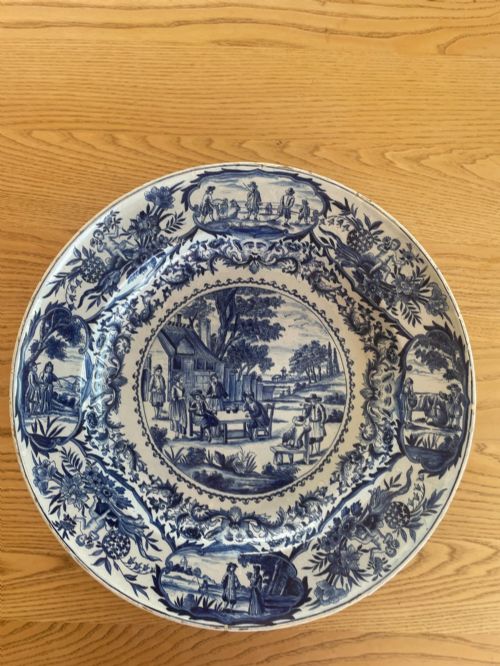
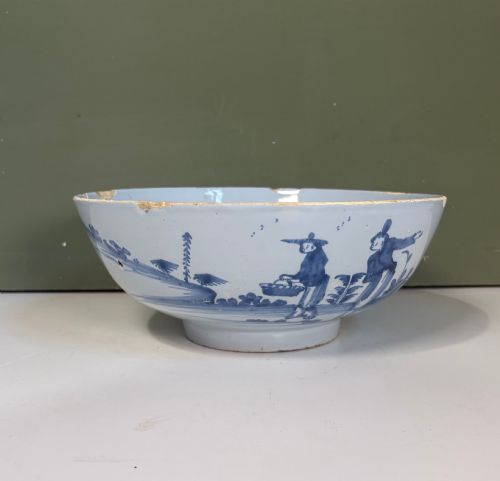
Dutch delft pottery comprises a diverse array of ceramic objects produced in the Netherlands, primarily spanning the seventeenth, eighteenth and nineteenth centuries. Collectors encounter utilitarian forms alongside decorative items, including chargers, plates, vases, bowls, jugs and apothecary jars. These domestic and ornamental goods reflect evolving European tastes through blue and white designs and polychrome palettes.
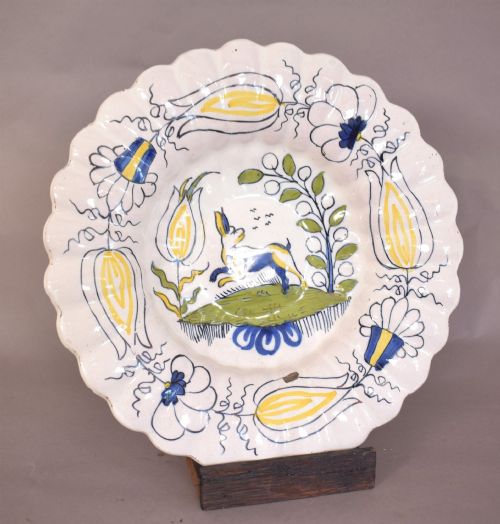
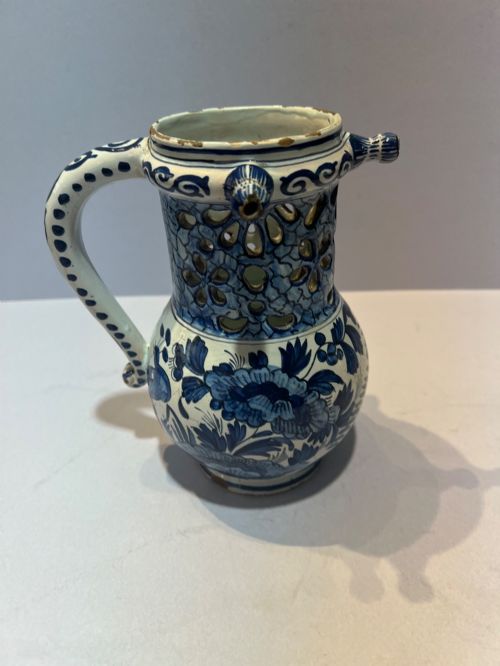
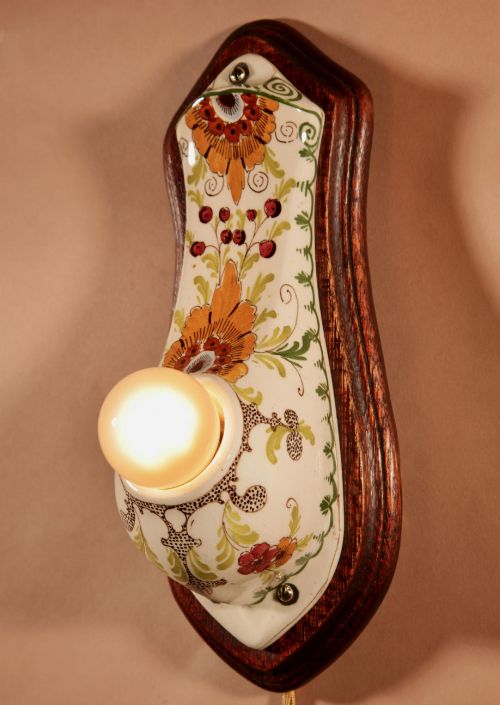
The selection ranges from early seventeenth-century lobed dishes and bough pots to later nineteenth-century table lamps and decorative figures. Chargers and large dishes dominate the historical archive, while surviving examples encompass specialised items such as barber's bowls, puzzle jugs and posset pots. Buyers navigate pieces shaped by distinct stylistic periods, moving from early Dutch baroque influences toward later nineteenth-century adaptations.
Materials and construction
Makers utilised earthenware bodies coated in a tin-oxide glaze that provided a smooth, opaque white surface for subsequent painting. Artisans applied cobalt pigment and various metal oxides directly onto this absorbent unfired or low-fired glaze layer before a final kiln firing fixed the design. Brass mounts and pewter lids occasionally complete domestic vessels such as jugs and tankards.
Decoration relied on hand-painted brushwork executed by skilled ceramicists following contemporary Dutch and oriental motifs. Potters shaped vessels on the wheel or pressed clay into moulds, creating lobed dishes, chargers and figural groups such as pottery cows. The interaction between the porous earthenware body, tin glaze and cobalt oxide generated the characteristic blue and white aesthetic.
Dutch Delft Pottery Retail Price Guide 2026
Typical asking prices for dutch delft pottery among the pieces listed under this phrase on Sellingantiques today, from the lower quarter to the upper quarter. They describe what is for sale here now, not the wider market.
Materials recorded across the archive include cobalt pigment, brass, pewter and earthenware bodies finished with white tin glaze.
Evaluating quality and execution
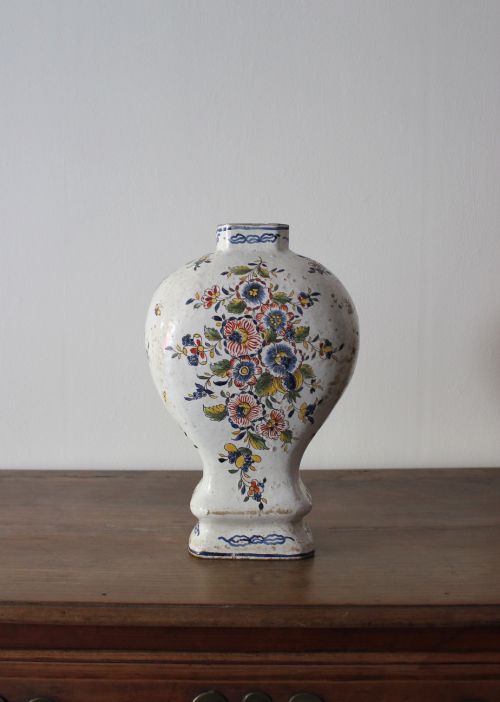
Quality rests upon the precision of the hand-painted brushwork and the clarity of the cobalt oxide against the opaque tin glaze. Superior examples display confident, fluid motifs without excessive pooling or blurring of the pigments. The discipline of the potter's form, whether a balanced baluster vase or a crisply moulded charger, separates standard domestic output from finer workshop productions.
The integrity of the tin glaze and the preservation of the painted surface dictate the physical condition of surviving pieces. Higher-grade items maintain an even glaze coverage with minimal disruption to the decorative scheme across centuries of handling. Subtle variations in the depth of the blue tones and the complexity of floral or figural arrangements indicate the ambition of the original maker.
The Dutch Delft Pottery Glossary
- Tin-Glazed Earthenware
- Pottery covered with a lead glaze made opaque by the addition of tin oxide. This surface served as a white canvas for painted decoration.
- Charger
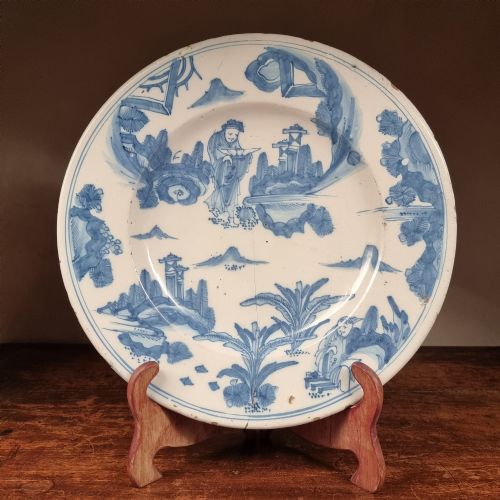
- A large ornamental plate designed for display on a wall or dresser rather than for dining use. These items frequently feature elaborate floral or figural scenes.
- Cobalt Pigment
- A metallic oxide used under the glaze to produce deep blue painting on ceramics. It withstands high kiln temperatures without losing intensity.
- Polychrome
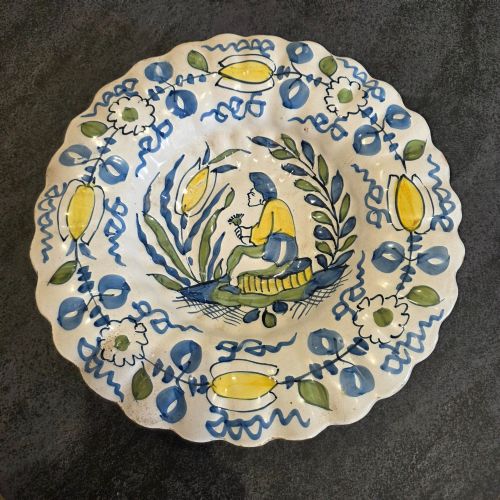
- Decoration employing multiple colours beyond traditional blue and white. Dutch pieces often incorporated green, yellow, iron red and manganese purple.
- Bough Pot
- A vessel constructed with pierced openings on the lid designed to hold cut flowers or branches. These containers formed part of elite interior decoration.
- Faience
- European tin-glazed earthenware produced in imitation of imported Chinese porcelain. The term shares technical similarities with delftware.
Dutch Delft Pottery: Frequently Asked Questions
How should I clean my delftware?
Dust surfaces gently with a dry, soft cloth to remove everyday particles. Avoid immersing porous historical earthenware in water or using chemical cleaning agents.
Protect the tin glaze from sharp impacts and sudden temperature shifts. Professional conservation advice helps preserve vulnerable nineteenth-century wiring on converted lamps.
What is a delft puzzle jug?
A puzzle jug is a clever drinking vessel featuring perforated necks and deceptive spouts that challenge the user to drink without spilling. Eighteenth-century makers designed these items for tavern entertainment and social gatherings.
Users had to cover hidden holes with their fingers to draw liquid through the hollow handle and rim. They represent the more playful side of historic Dutch ceramic production.
Why are some pieces marked polychrome?
Polychrome Dutch delft incorporates a broader palette of metallic oxide colours alongside standard cobalt blue. Artisans added hues like iron red, green and manganese to mimic imported oriental porcelain.
These multi-coloured designs frequently feature floral sprays and figures. They highlight the versatility of the tin-glaze technique across seventeenth and eighteenth-century workshops.
Were chargers meant for dining?
Large chargers were primarily decorative objects displayed on walls, sideboards or dressers in prosperous homes. Their substantial diameters provided artisans with a wide surface for intricate painted scenes.
Historical domestic inventories show these pieces functioned as status symbols. They were seldom subjected to daily table service.