

Dark Mahogany Glazed Cabinet
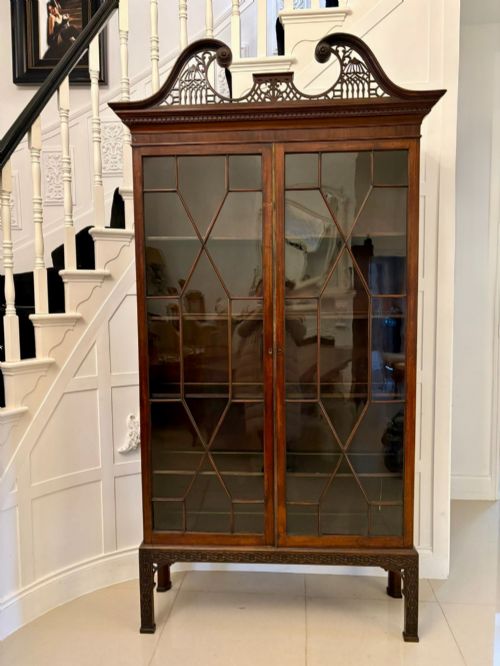
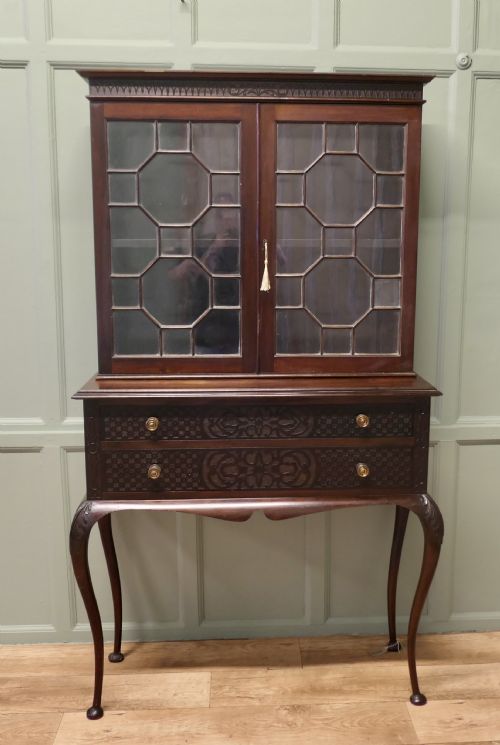
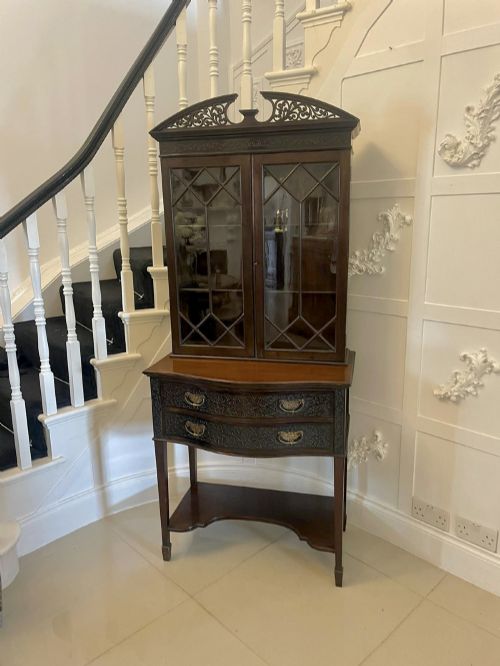
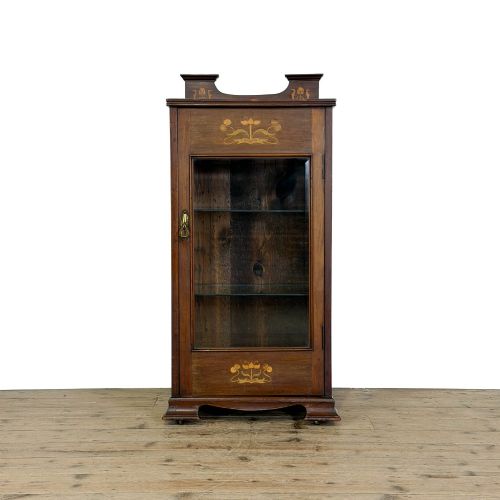
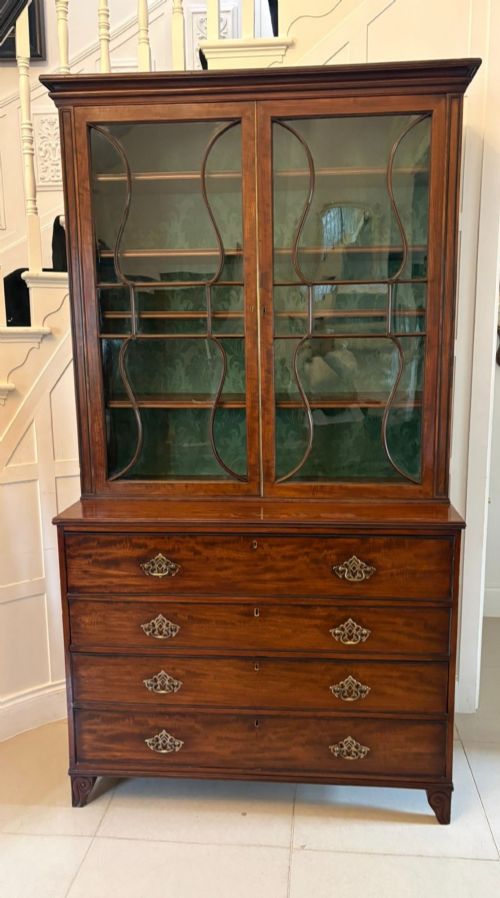
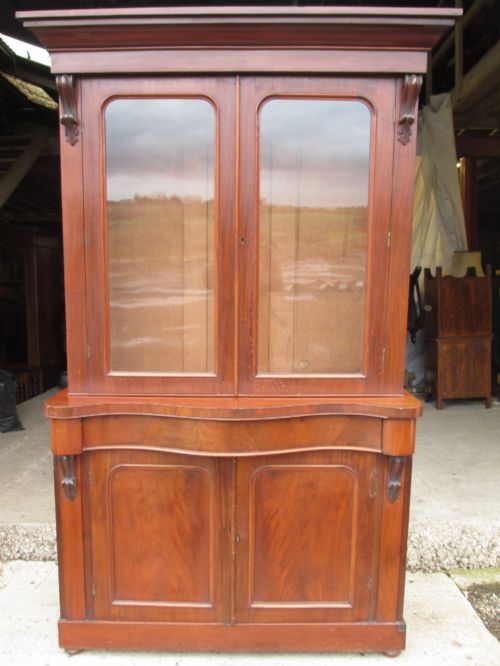
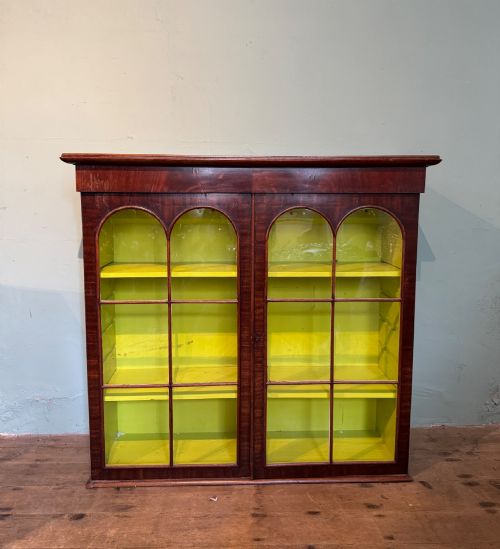
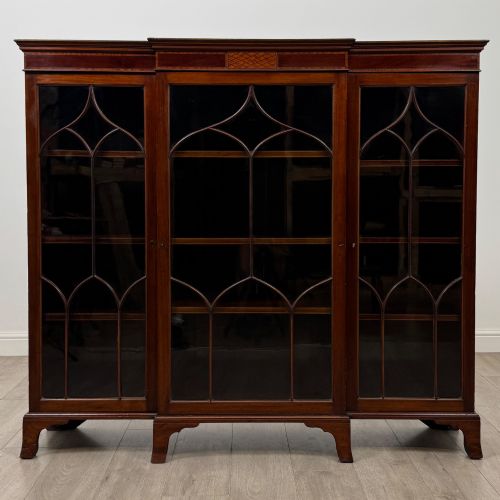
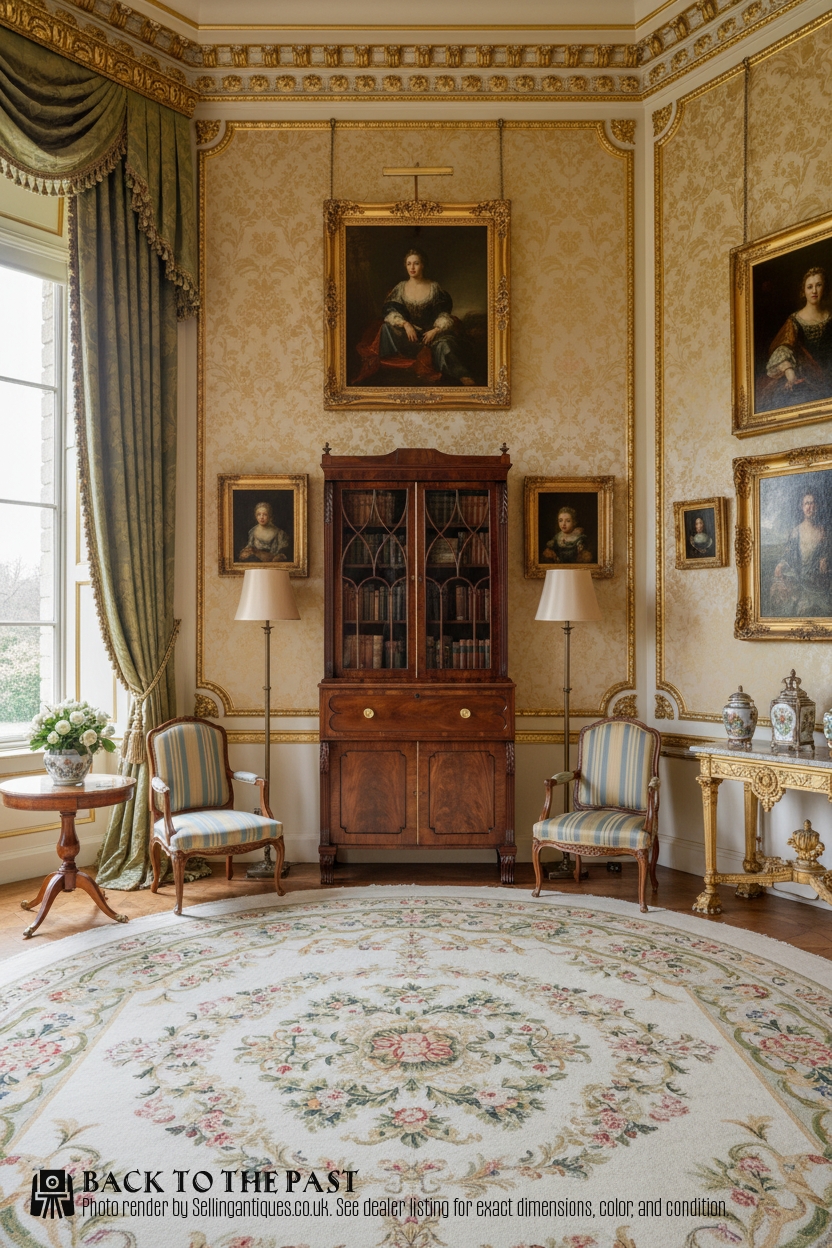
A dark mahogany glazed cabinet brings rich timber tones and clear visibility to displayed collections across Georgian, Victorian and Edwardian periods.
Dark Mahogany Glazed Cabinet
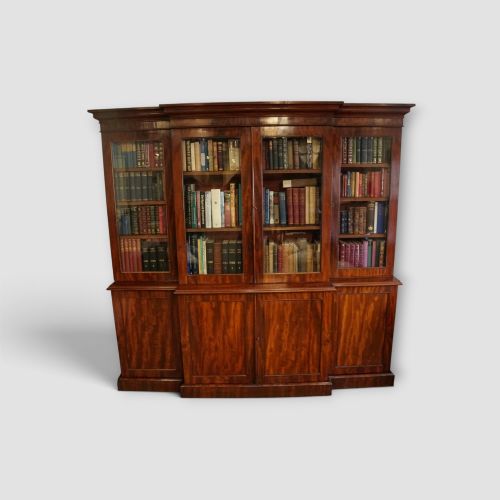
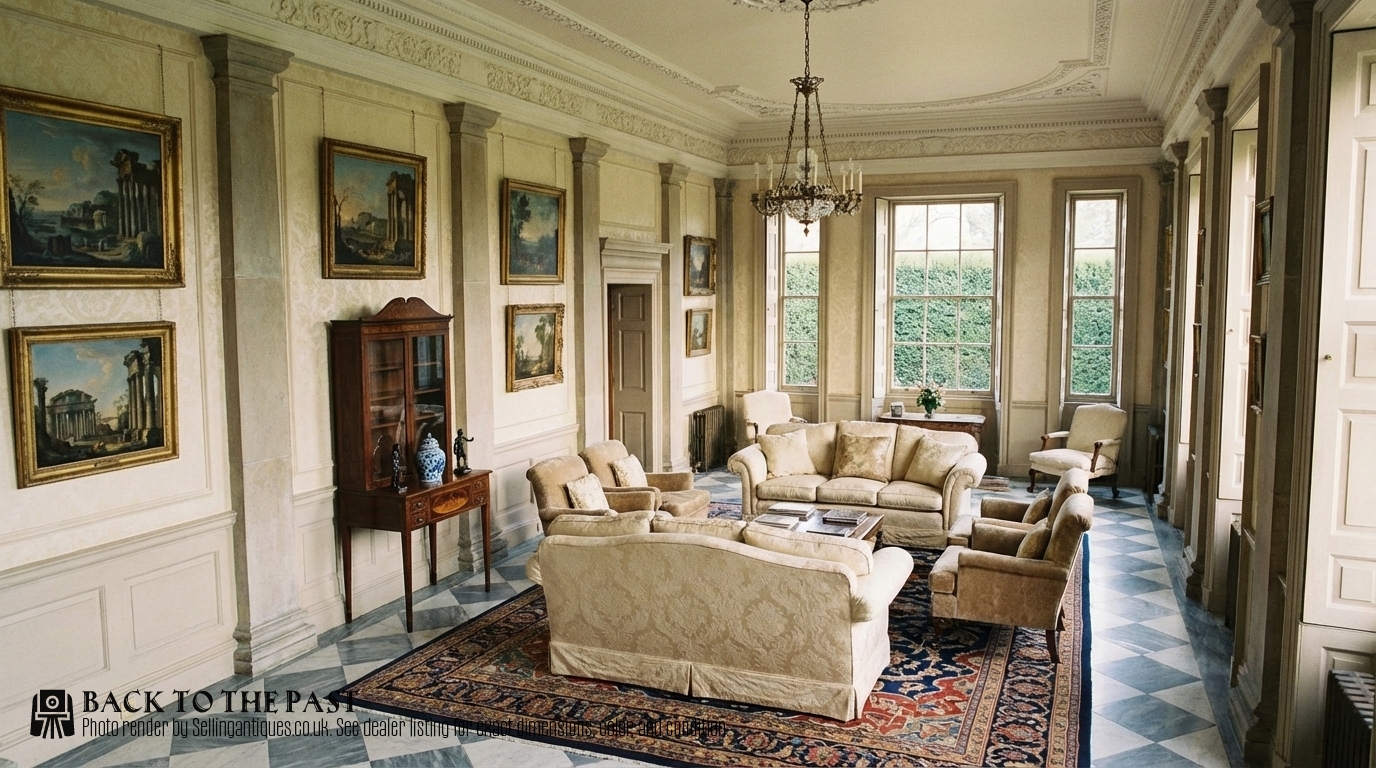
A dark mahogany glazed cabinet serves primarily to house and display books, ceramics or curiosities behind transparent glass doors. These pieces emerge predominantly from Victorian and Edwardian workshops, alongside earlier Georgian and Regency examples.
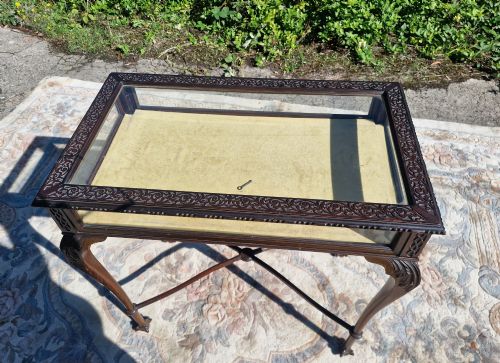
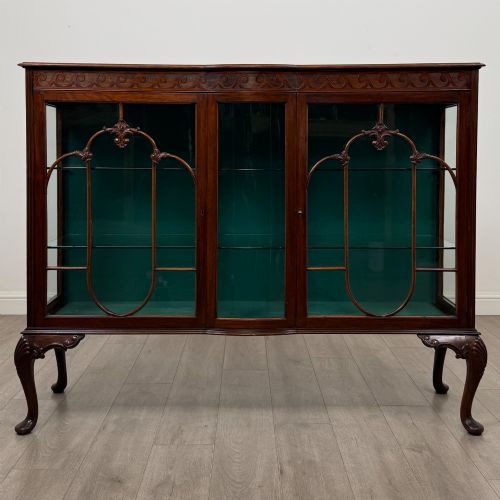
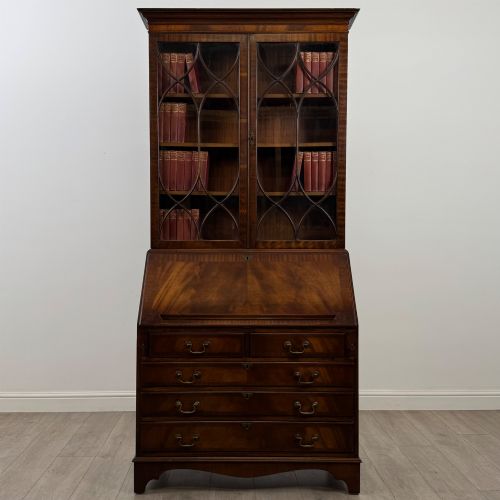
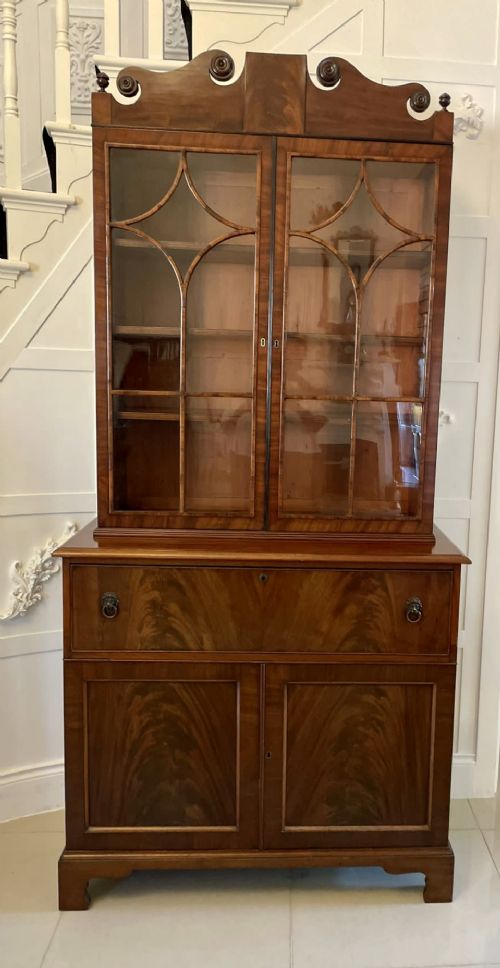
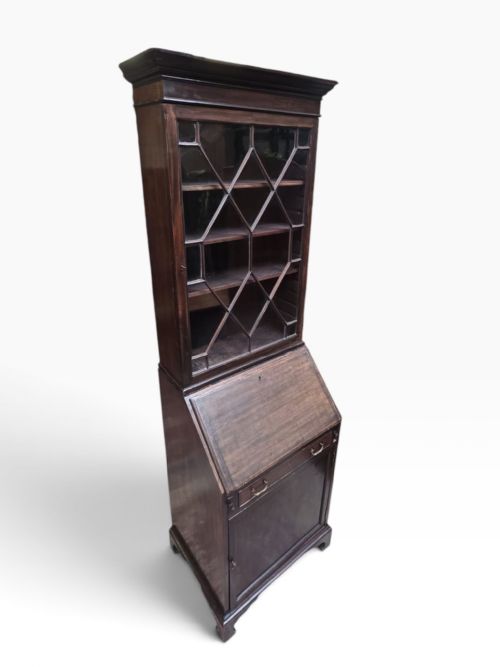
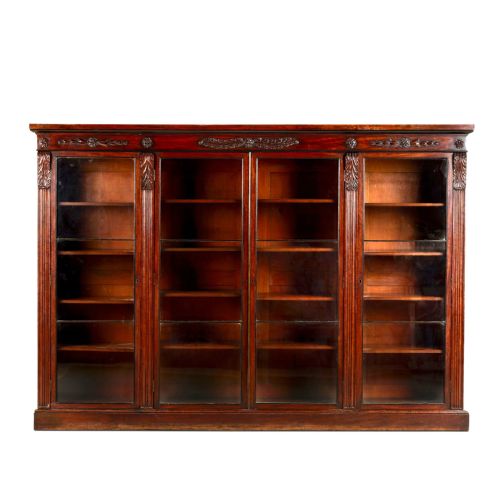
Forms span large breakfront bookcases, tall library bookcases, bureau bookcases with fitted writing desks, and corner cabinets designed to utilise room perimeters. Display tables and small vitrines also appear amongst the listings.
The timber shows deep, dark reddish-brown figures, sometimes enhanced by satinwood inlay or brass details. Buyers select these cabinets to anchor a room with substantial storage whilst keeping contents visible.
Materials and construction methods
Cabinetmakers utilised solid and figured mahogany timber, frequently selected for rich grain patterns and deep colouration. Glass panes are set into wooden frames, often utilising astragal bars to divide the glazed panels into geometric sections.
Secondary woods like oak support internal shelving and carcases, whilst brass hardware such as hinges, handles and escutcheons secure doors and drawers. Satinwood inlay appears on specific revival pieces to create contrasting decorative borders.
Barristers stacking bookcases allow owners to vertically rearrange glazed wooden tiers like architectural building blocks.
Factors determining quality
The selection of timber grain dictates much of the visual weight, with highly figured mahogany commanding greater presence than plain stock. Precision in the joinery of astragal glazed doors and the crispness of carved wooden details further separate standard utility pieces from finer salon furniture.
Proportion and scale influence desirability, particularly where two-part bookcases or breakfront forms maintain balanced architectural lines. Original brass fittings, fitted interior desk compartments and intact period glass also elevate the standing of an individual cabinet.
Jas Shoolbred·George Oakley
The Dark Mahogany Glazed Cabinet Glossary
- Astragal glazed
- Glass panes divided by narrow wooden bars into geometric patterns. These delicate frames structure the viewing area on cabinet doors.
- Breakfront
- A cabinet design where the central section projects forward from the flanking wings. This architectural arrangement creates depth and shadow.
- Secretaire bookcase
- A tall storage piece incorporating a drop-front writing drawer with internal small drawers and pigeonholes. It combines a desk workspace with upper shelving.
- Vitrine
- A glass-sided display cabinet designed for porcelain and small objects. It maximises light entry from multiple angles.
- Satinwood inlay
- Contrasting pale yellow timber inserted into darker mahogany surfaces to form decorative borders or motifs. It provides visual relief against deep wood tones.
Dark Mahogany Glazed Cabinet: Frequently Asked Questions
How do I date a mahogany cabinet?
Dating relies on architectural styles, construction methods and timber characteristics recorded across Georgian, Victorian and Edwardian periods. Cabinet proportions and decorative revival motifs provide further chronological markers.
Later pieces from the twentieth century often adopt lighter scales or specific Edwardian and Arts and Crafts design cues, distinguishing them from earlier nineteenth-century library furniture.
How do I care for dark mahogany timber?
Maintenance involves keeping the wood away from direct heat sources and strong sunlight to prevent the deep polish from fading. Gentle dusting with a dry lint-free cloth preserves the surface finish.
Avoid silicone-based sprays, relying instead on traditional wax formulas applied sparingly when the timber appears dry to maintain its natural lustre.
Where should I place a corner cabinet?
A corner cabinet fits neatly into room junctions, making efficient use of unutilised wall space without dominating the floor area. These pieces work well in dining rooms or studies where space is at a premium.
Matching the period style of the cabinet with surrounding furniture ensures the architectural angles integrate smoothly into the room layout.