


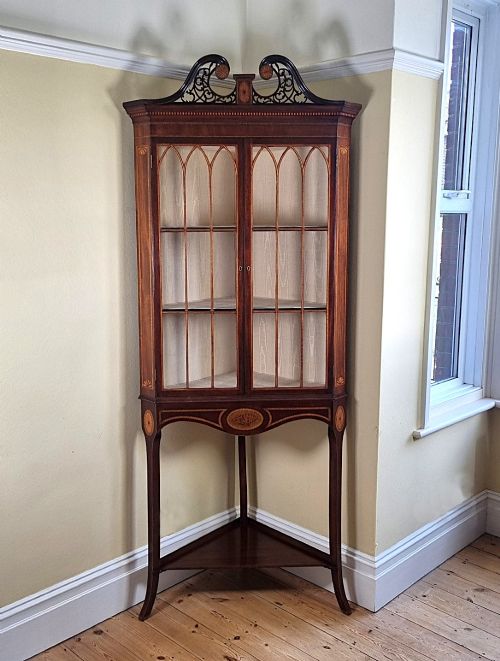
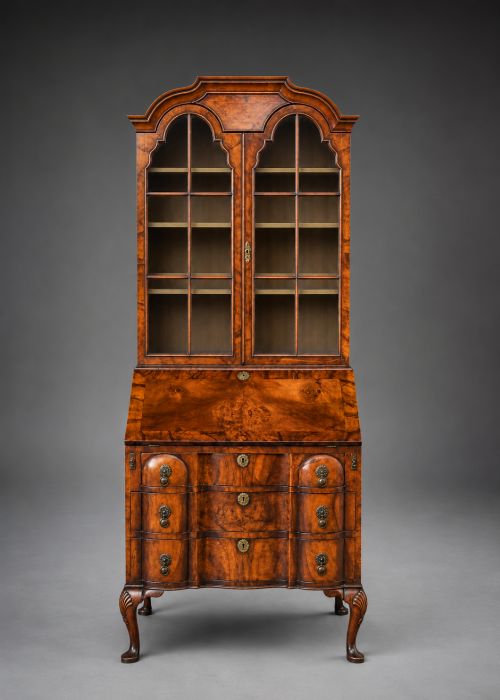
Georgian Style Glazed Cabinet
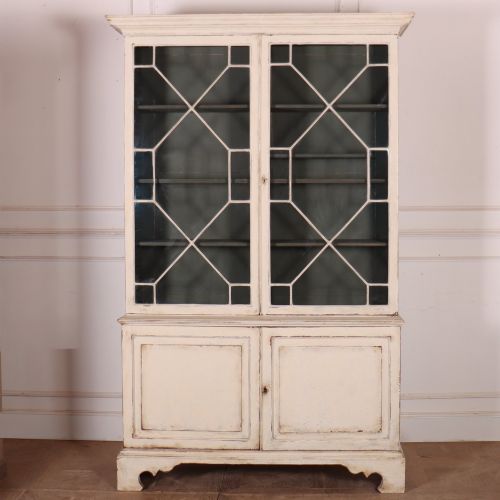
A georgian style glazed cabinet brings architectural order and visible display space to a room, uniting timber framing with clear glass fronts.
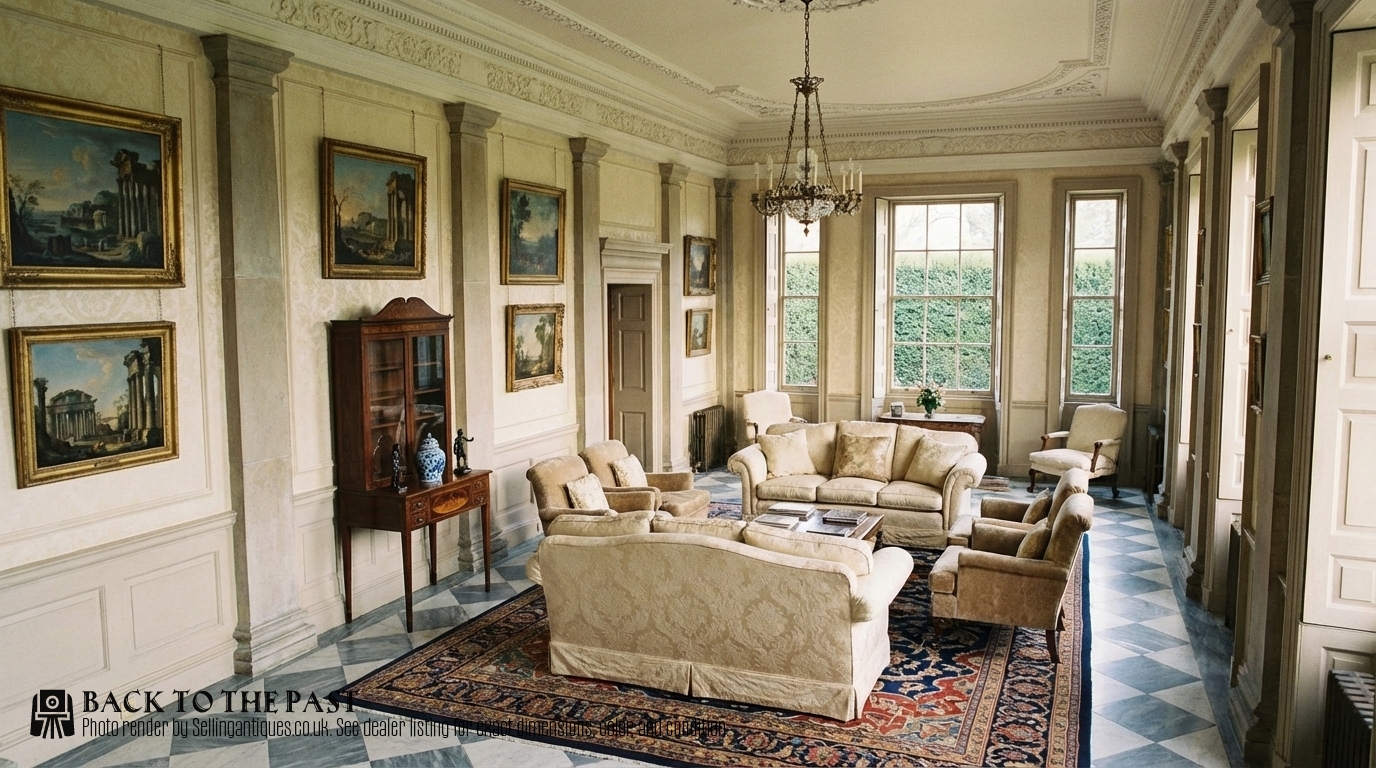
Georgian Style Glazed Cabinet
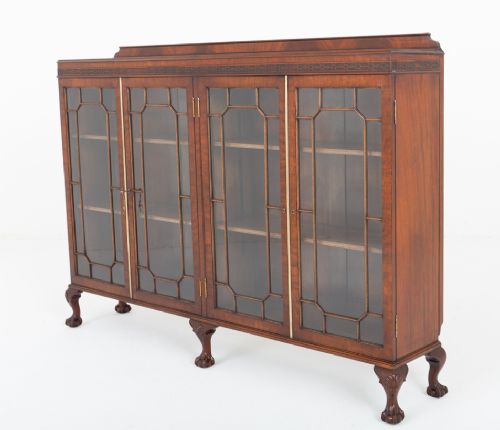
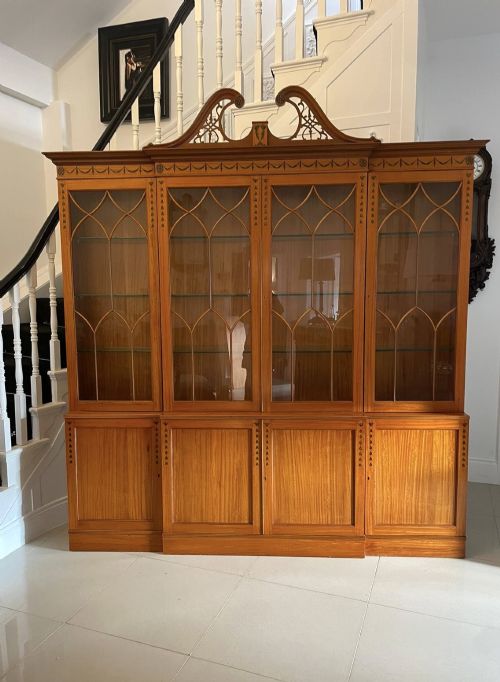
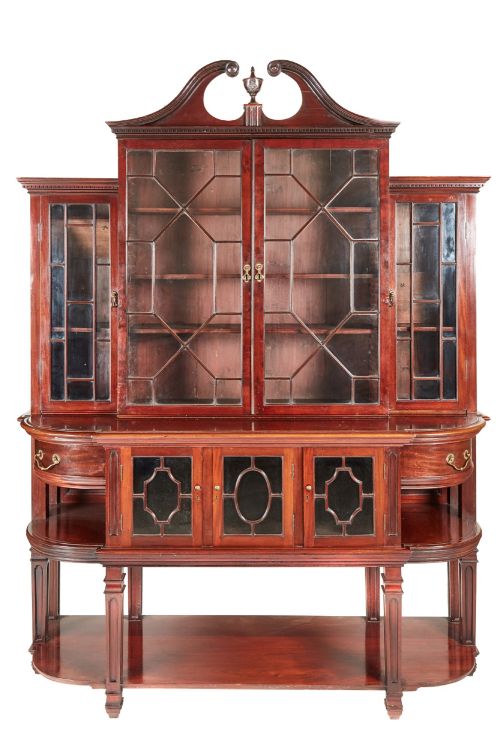
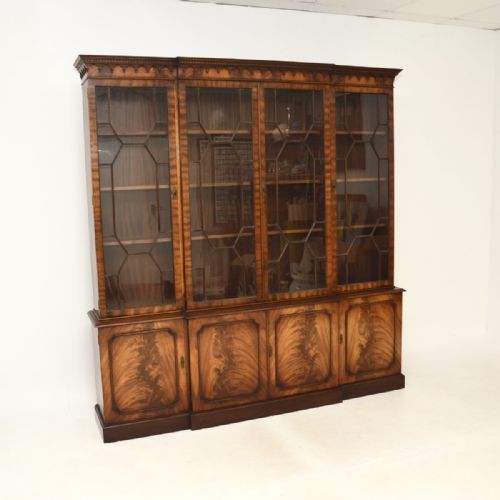
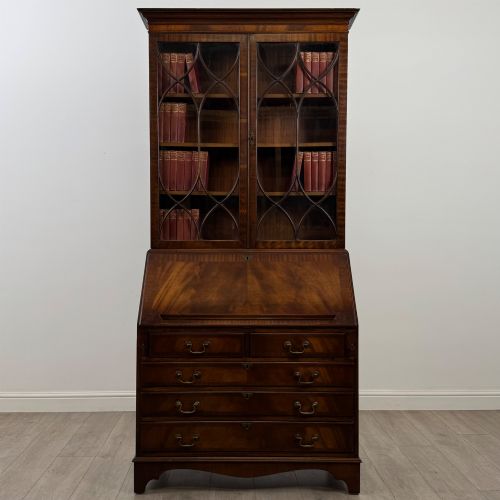
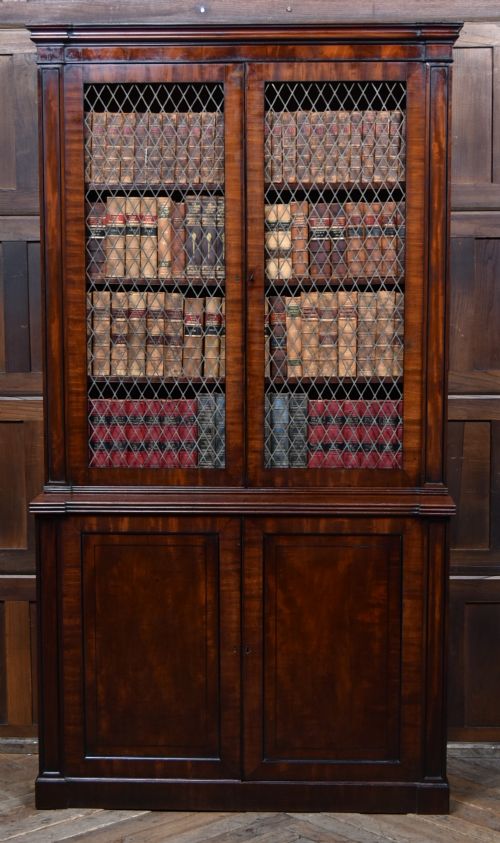
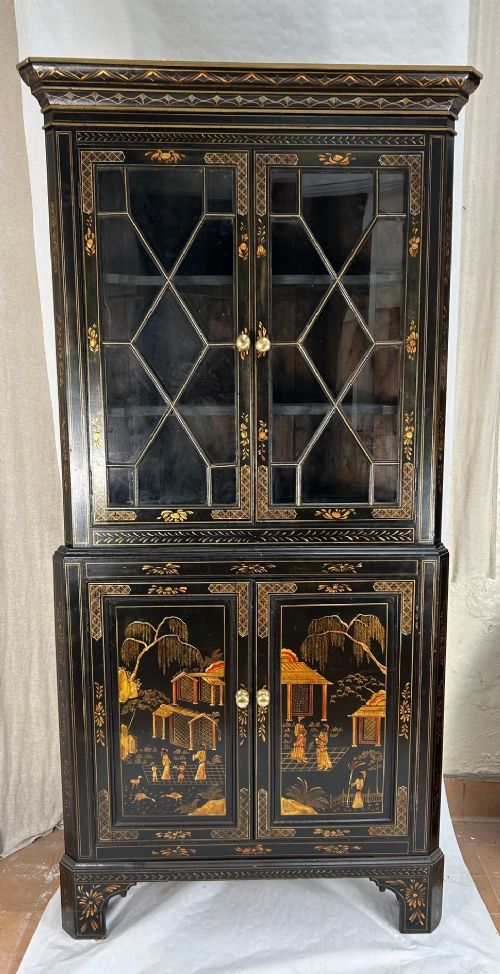
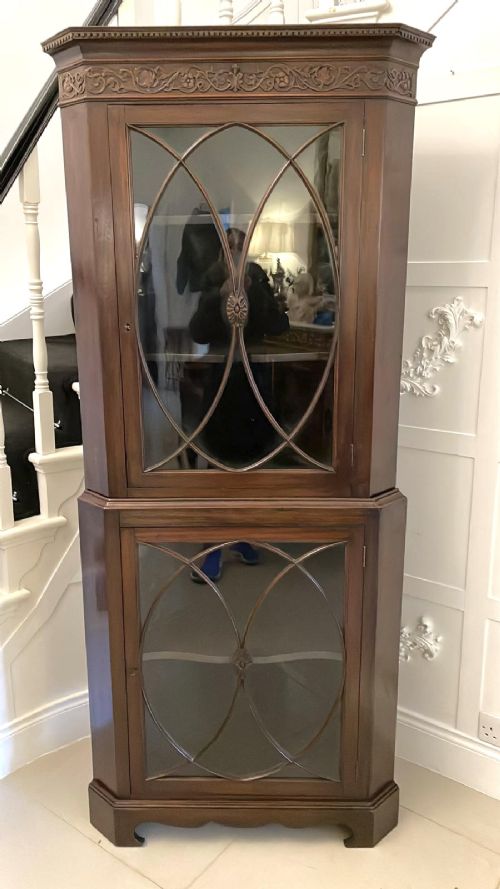
A georgian style glazed cabinet encompasses a broad variety of display forms, bookcases, and corner cupboards produced across the eighteenth, nineteenth, and twentieth centuries. The pieces on this page span vernacular formats such as corner cabinets and kitchen dressers alongside grand breakfront bookcases and secretaire desks.
You will encounter pieces originating from the Georgian period itself as well as later revivals including Victorian, Edwardian, and twentieth-century interpretations. These later iterations often adopt classic glazing patterns and timber choices established during the reign of Georgian makers.
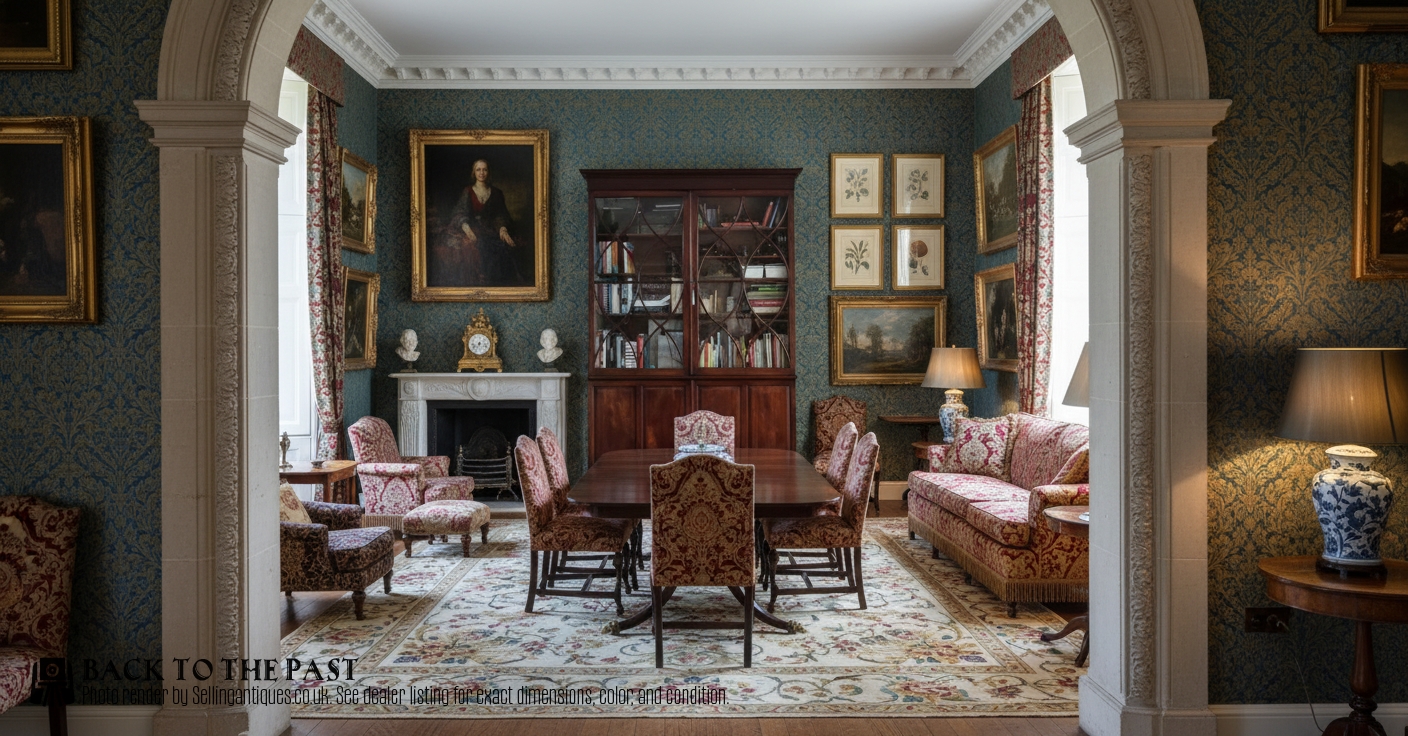
Materials and construction
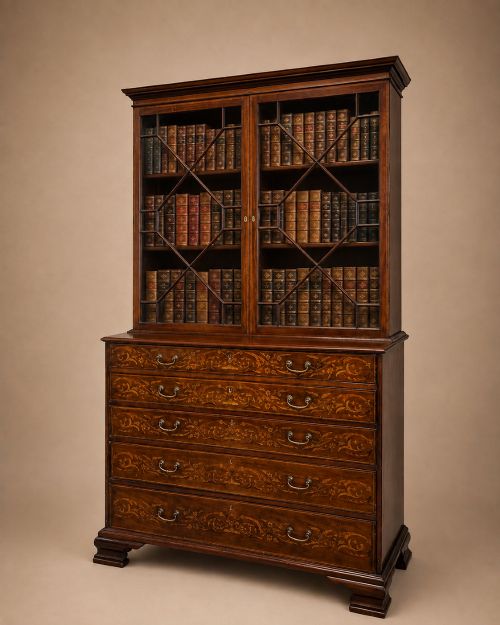
Mahogany serves as the primary structural timber across the selection, frequently paired with secondary woods like pine or enhanced through satinwood inlay and marquetry decoration. Walnut, rosewood, and yew wood also appear in specific pieces, sometimes finished with traditional French polishing.
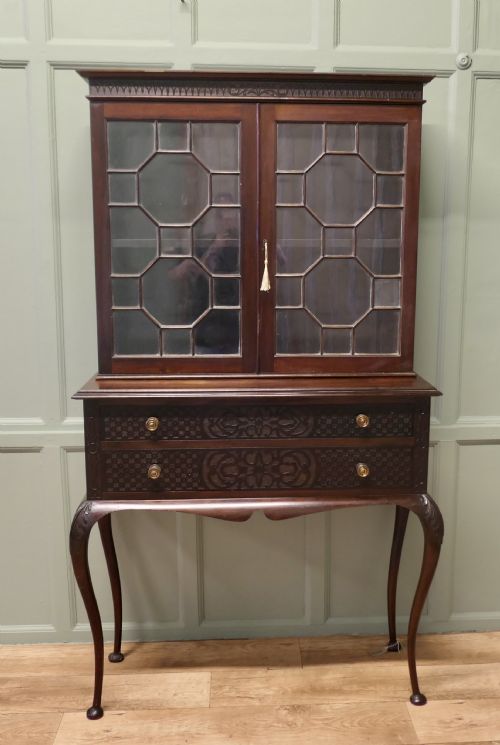
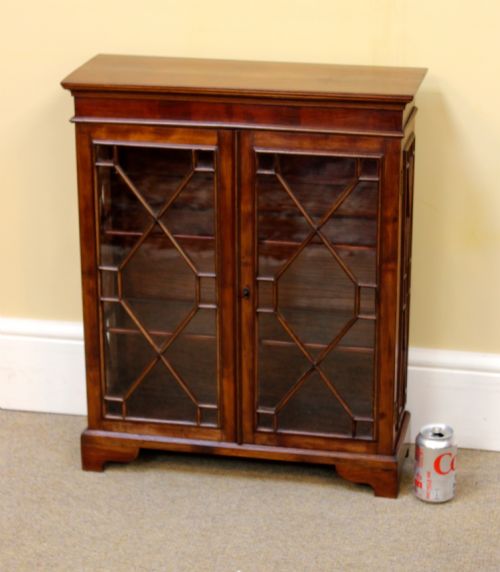
Glazing relies on glass secured by wooden glazing bars, often arranged in astragal or astral designs to divide the door panels into geometric panes. Brass hardware, fabric linings, and occasionally hand-painted decoration complete the construction details.
Miniature cabinets appear as delicate apprentice pieces reduced to a quarter scale for portable furniture samples.
Distinctions in execution
Quality reveals itself in the handling of timber grains, the precision of inlay work, and the finesse of carved details such as astragal bars and cornice mouldings. Pieces featuring finely figured mahogany or complex marquetry demonstrate a higher level of cabinet-making skill.
Tudor and Burrey·Maple and Co
The Georgian Style Glazed Cabinet Glossary
- Astragal glazed
- A method of framing glass windows within a door using thin moulded wooden bars, creating a grid of smaller panes. This technique defines the classic appearance of many period bookcases.
- Breakfront
- A cabinet design where the central section projects forward from the flanking wings. This architectural arrangement adds depth and shadow to large bookcases and display units.
- Secretaire bookcase
- A tall case piece incorporating a fitted drop-front writing drawer above lower shelving or cupboards. It combines a compact desk workspace with upper display storage.
- Bijouterie cabinet
- A glazed display table or small cabinet designed specifically for showing small precious objects, medals, or curiosities. They often feature fabric-lined interior compartments.
- Corner cabinet
- A specialist form built to fit neatly into ninety-degree room angles, available in floor-standing, hanging, or on-stand formats. They maximise awkward corner spaces while providing secure display.
Georgian Style Glazed Cabinet: Frequently Asked Questions
How do I tell an original Georgian cabinet from a later revival?
Original pieces from the eighteenth century show authentic construction methods, period timber ageing, and hand-cut joinery specific to their era. Later Edwardian and twentieth-century revivals typically display uniform secondary woods and modern machine-cut elements beneath their period styling.
Examination of the backboards, drawer linings, and internal fixings often reveals the true age of the carcase. Stylistic proportions can also guide attribution when compared against documented period designs.
Where should I place a corner cabinet in my home?
Corner cabinets are designed to slot directly into room intersections, making efficient use of otherwise neglected spaces. Floor-standing versions anchor dining rooms or sitting rooms, while hanging models mount securely to walls above other furniture.
Ensure the door swing has adequate clearance from adjacent walls and architectural mouldings before installation.
How were bureau bookcases used historically?
These dual-purpose pieces served as both a private writing desk and a visible library for storing bound volumes. The drop-front writing surface folded down for correspondence, concealing small pigeonholes and drawers inside.
The upper glazed doors kept valuable books free from dust while allowing titles to be viewed easily by the owner.