


Regency Secretary Desk
A regency secretary desk combines a fitted writing drawer with bookcase storage above, offering classic elegance and practical workspace for the home.
What They Are
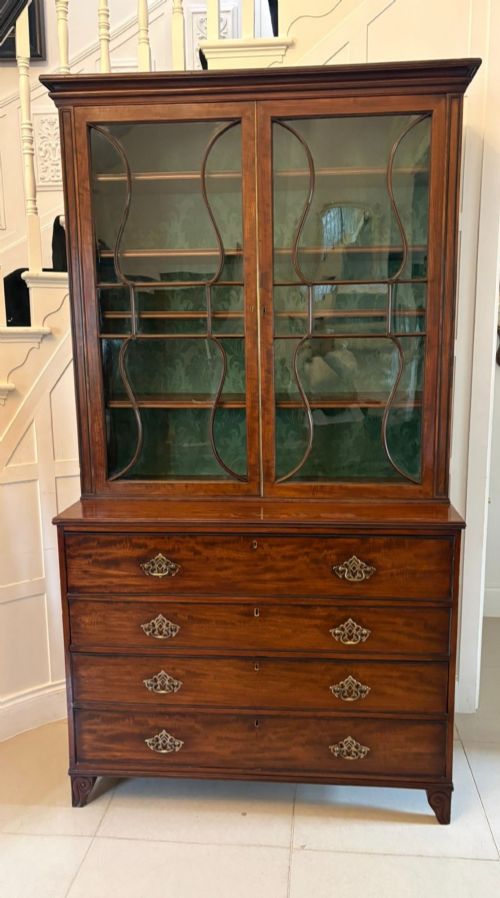
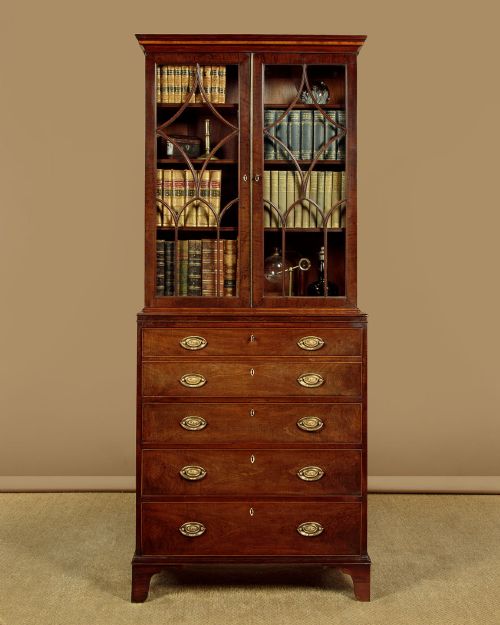
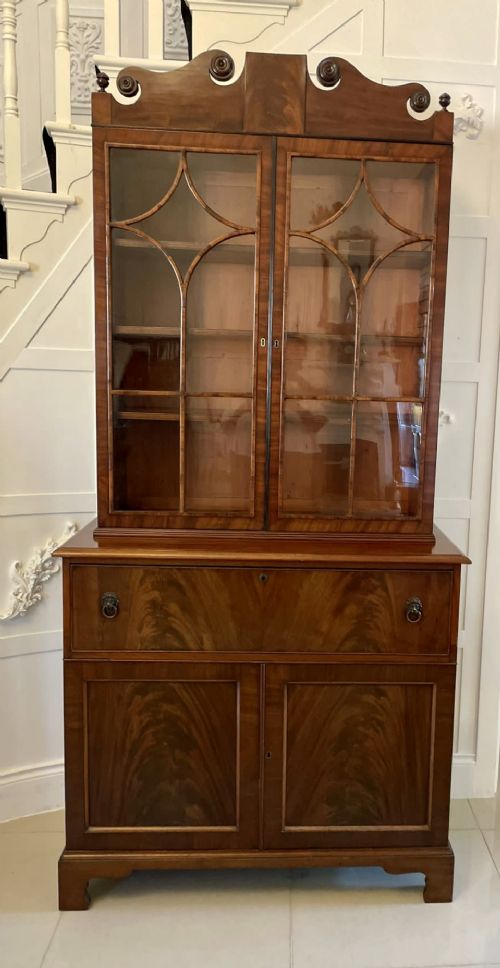
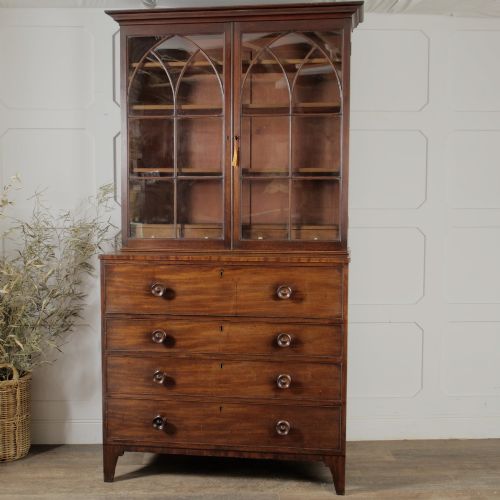
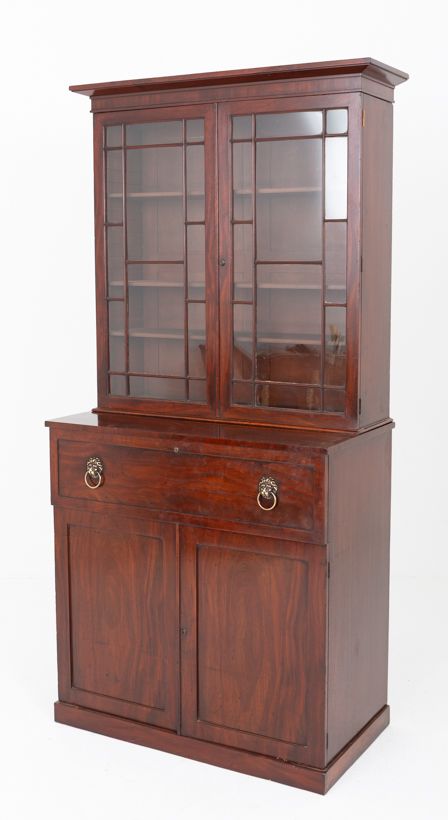
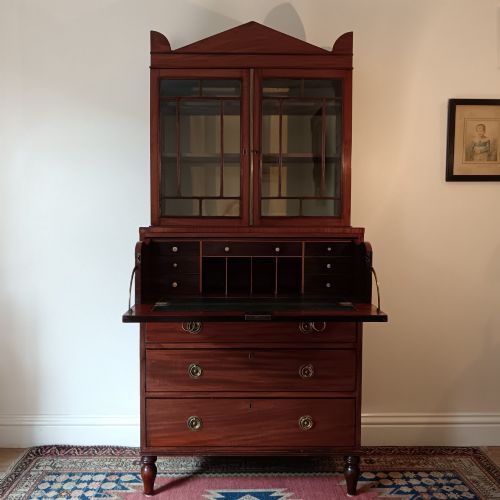
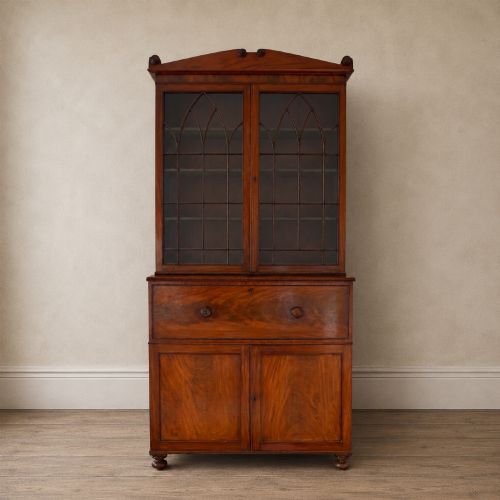
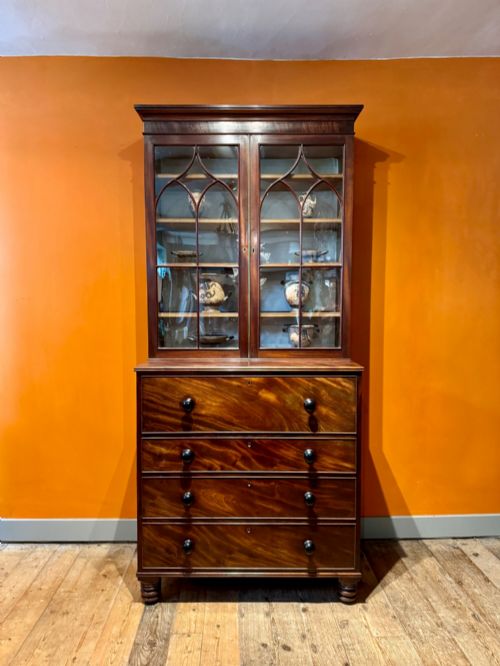
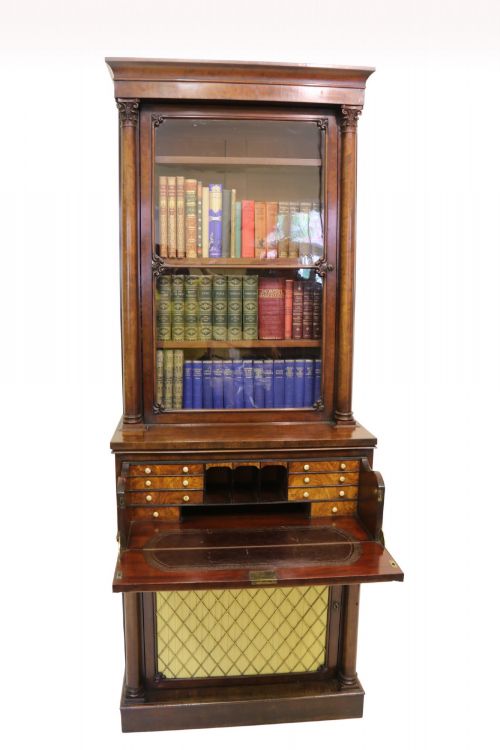
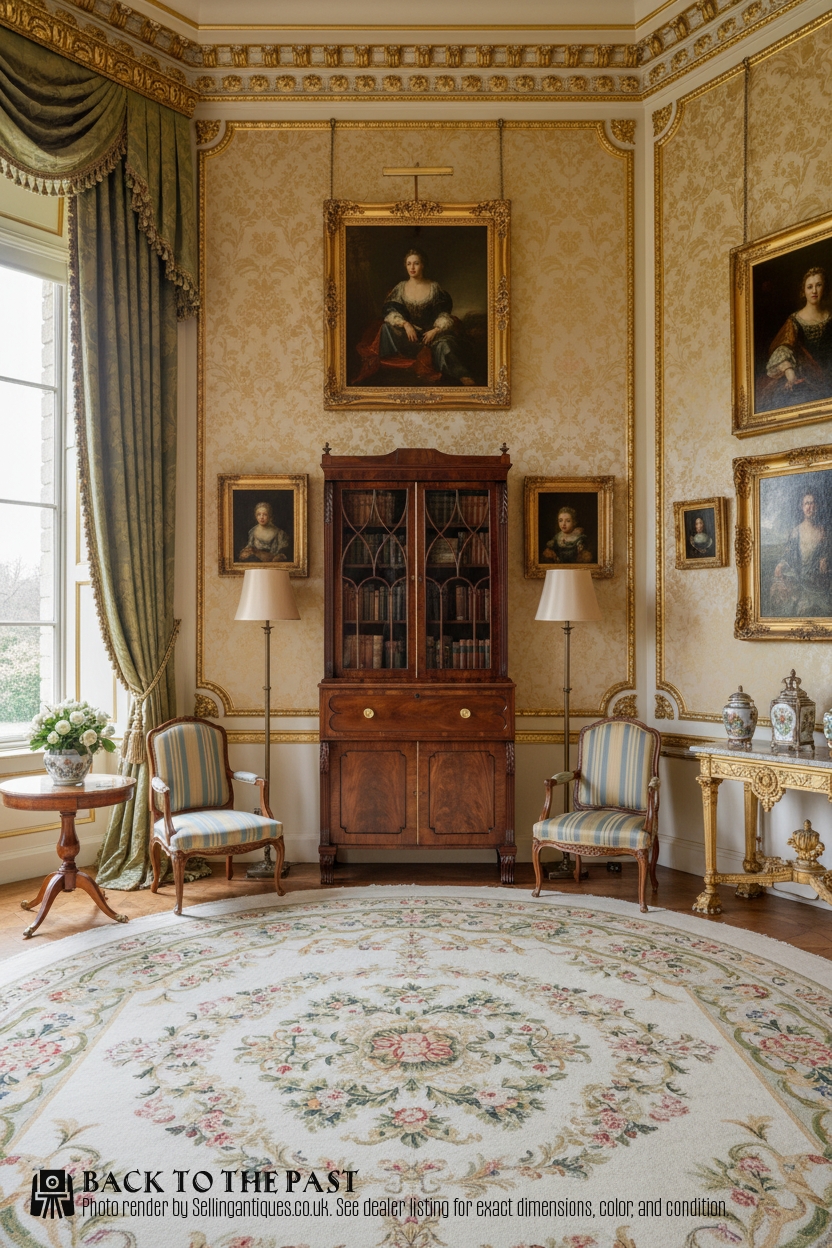
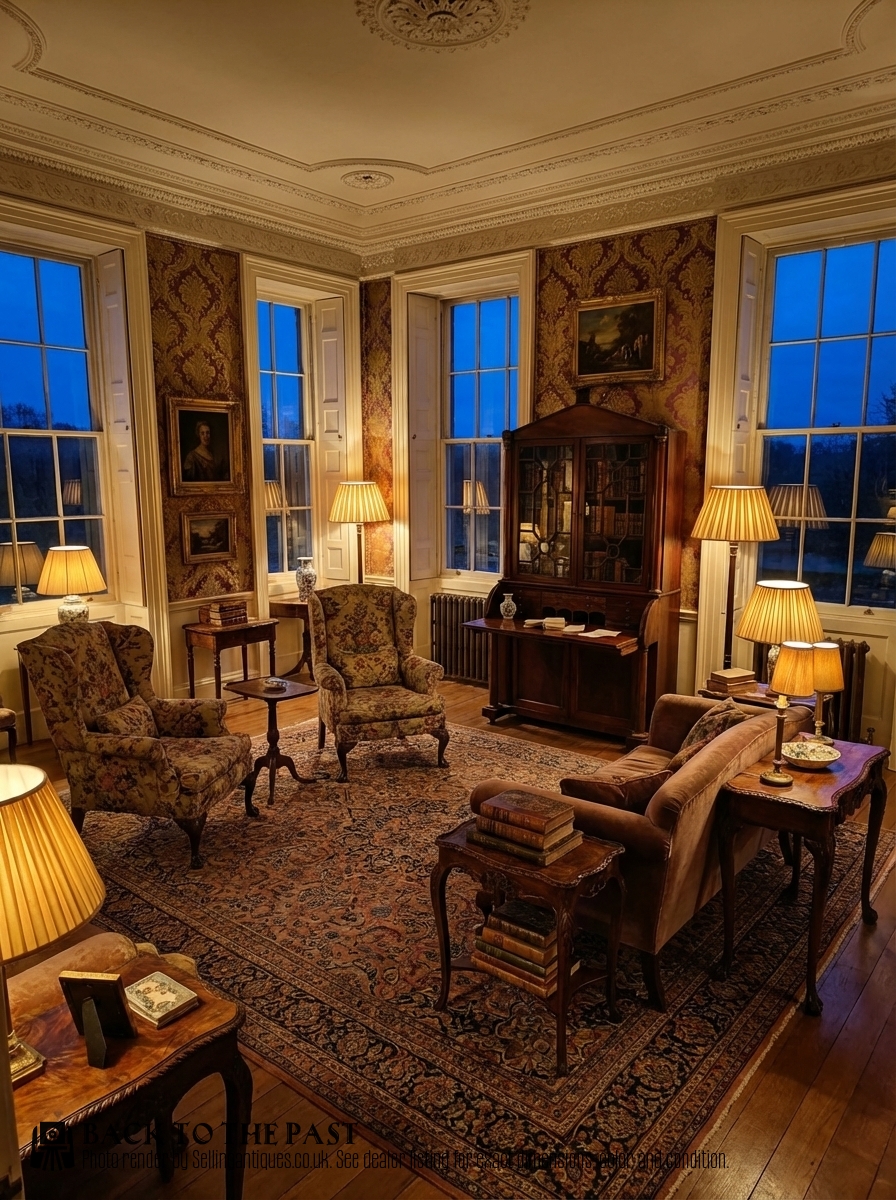
A regency secretary desk typically takes the form of a secretaire bookcase, featuring glazed doors above a pull-out writing drawer that conceals a fitted interior with small drawers and pigeonholes. These pieces originate predominantly from the Regency and nineteenth century periods, with occasional eighteenth-century examples appearing.
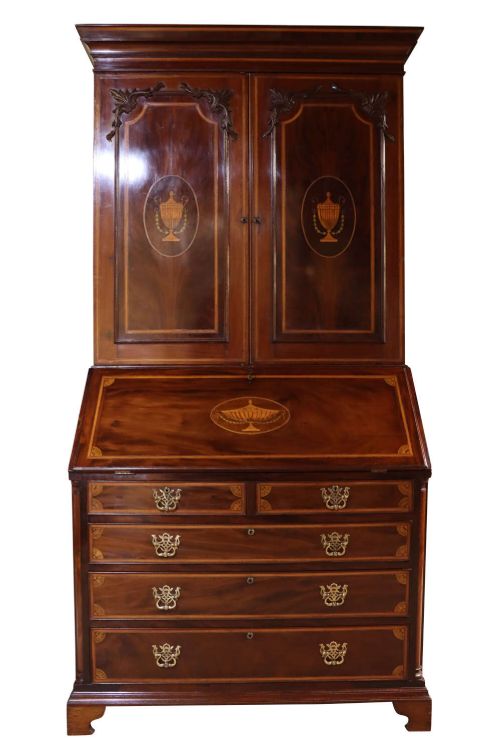
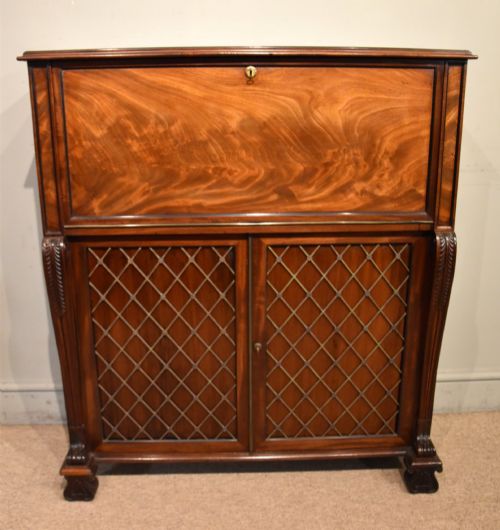
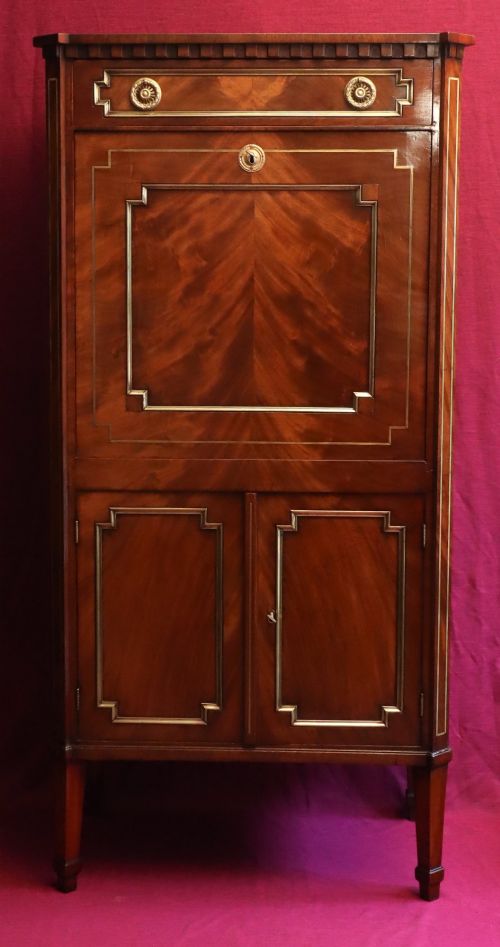
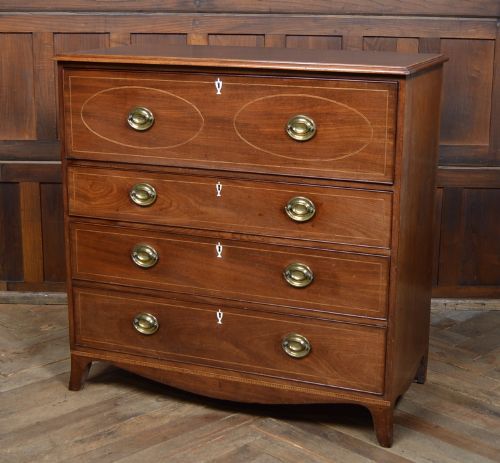
The primary forms include bureau bookcases and secretaire chests of drawers, which integrate compartments for correspondence behind drop-down panels or slanted lids. Each variant maintains the core characteristic of concealing a writing surface within a larger case piece.
How They Were Made
Cabinet makers utilised figured mahogany as the principal timber for these pieces, often combining it with secondary woods such as oak for internal linings like drawer boxes. Brass fittings provide hardware support, while glass panels are fitted into the upper bookcase doors.
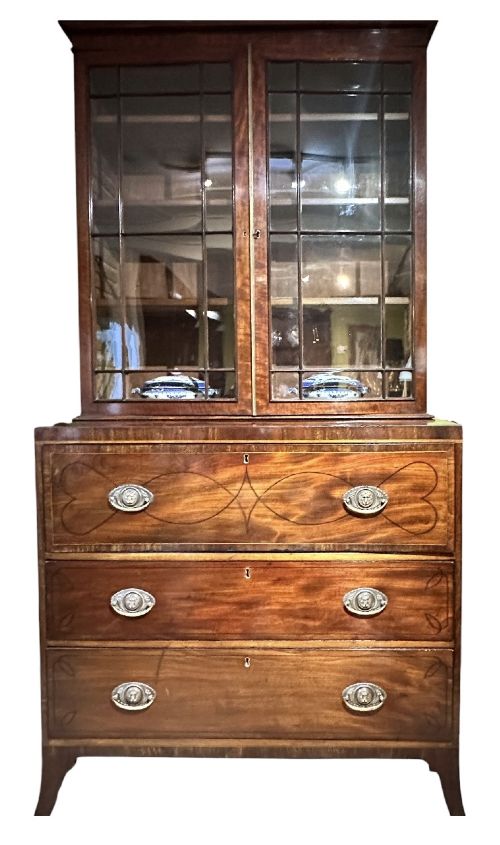
Surfaces frequently showcase decorative woodwork techniques including fine inlay work, alongside leather inserts incorporated into the pull-out writing drawers to provide a smooth surface for penmanship.
Retail Price Guide 2026
Typical UK retail prices for regency secretary desk, calculated from the Sellingantiques database of over a million retail prices indexed since 2003. This retail price guide relies exclusively on Sellingantiques data; no external sources or auction records are used, so the figures do not describe the wider market.
Listings feature mahogany construction with oak linings, glass doors, and brass hardware across Regency and nineteenth century periods.
What Varies in Quality
The choice of timber grain defines the visual appeal, with highly figured mahogany veneers creating greater depth and movement across the facade than plain surfaces. Superior cabinet work is evident in the precision of the internal fittings within the writing section.
Proportion and scale dictate the distinction between standard production and exceptional commissions, particularly in grand scale examples or pieces bearing documented maker attribution. The integration of secondary materials like oak linings and refined brass hardware further separates standard constructions from finer work.
Gillington of Dublin
The Regency Secretary Desk Glossary
- Secretaire
- A desk or chest of drawers containing a concealed writing drawer with a drop-front panel. This mechanism reveals an internal arrangement of small compartments upon opening.
- Glazed doors
- Glass-fronted upper cabinet doors designed for the display of books. They protect the contents while maintaining visibility.
- Fitted interior
- The collection of small drawers, pigeonholes and secret compartments hidden behind the writing flap. It provides organised storage for stationery and documents.
- Figured mahogany
- Timber cut to accentuate the natural grain patterns and swirls of the wood. It creates a decorative, mottled appearance on large flat surfaces.
- Bureau bookcase
- A combined furniture form featuring a sloping desk front or pull-out writing drawer beneath a bookcase. It unites workspace and library storage in a single unit.
Frequently Asked Questions
What is a regency secretary desk?
A regency secretary desk is a dual-purpose piece of furniture combining a bookcase top with a pull-out writing drawer. The writing section conceals internal compartments for letters and papers.
These pieces date primarily from the Regency period and the nineteenth century, constructed mainly in mahogany with glass doors.
How do I use a secretaire bookcase?
The drop-front or pull-out drawer lowers to form a writing surface covered in leather. This allows you to write correspondence while keeping stationery stored in the internal compartments above.
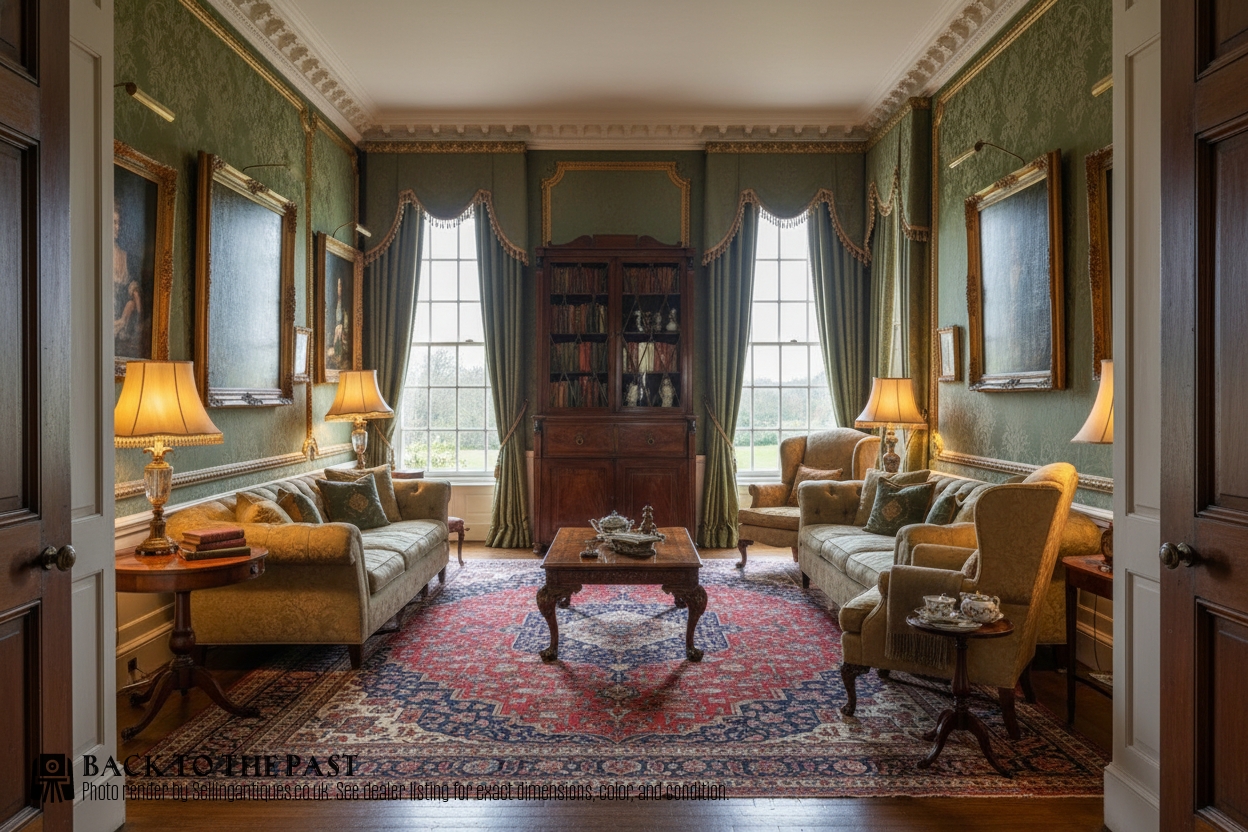
The upper glass doors allow you to display books while keeping them free from dust in a living room or study.
What woods were used?
Mahogany served as the primary timber for these pieces, often selected for its rich grain and figured patterns. Secondary woods like oak were utilised for internal drawer linings.
Additional materials include brass for hardware fittings and glass for the upper display doors.
How do I identify the Regency period?
Regency pieces date from the early nineteenth century and often feature clean architectural lines, figured mahogany veneers, and subtle inlay work. They reflect classical influences distinct from earlier Georgian designs.
Look for proportion, brass hardware, and fitted interiors that characterise furniture from this era.