
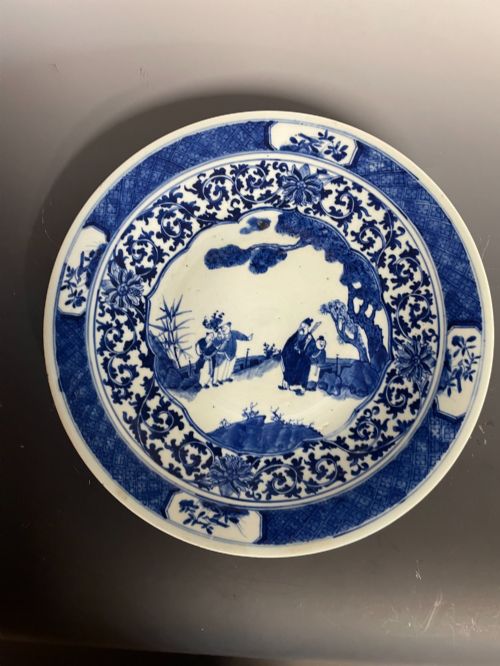
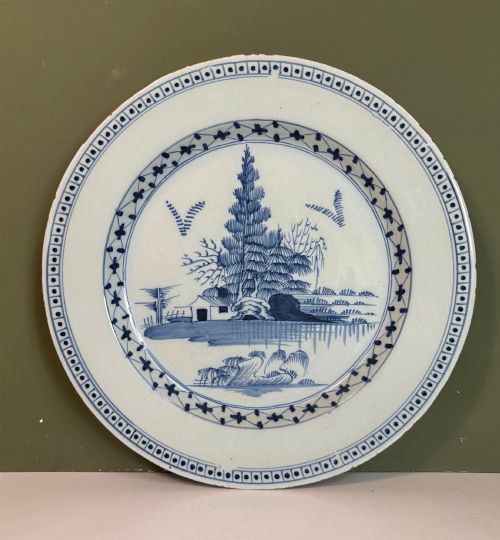

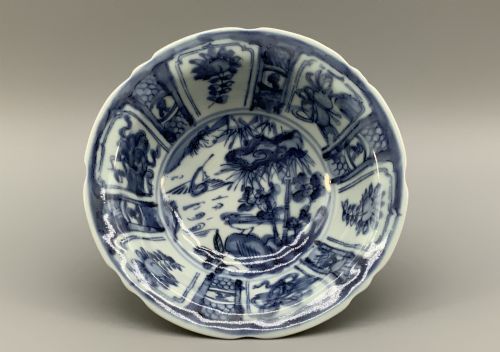
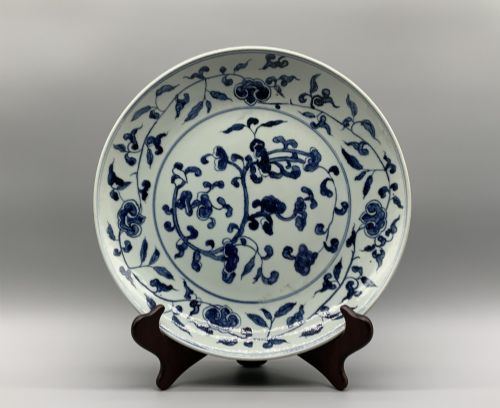

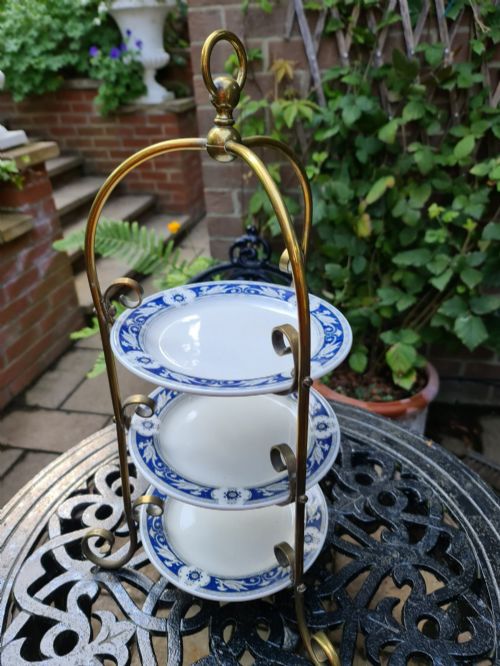
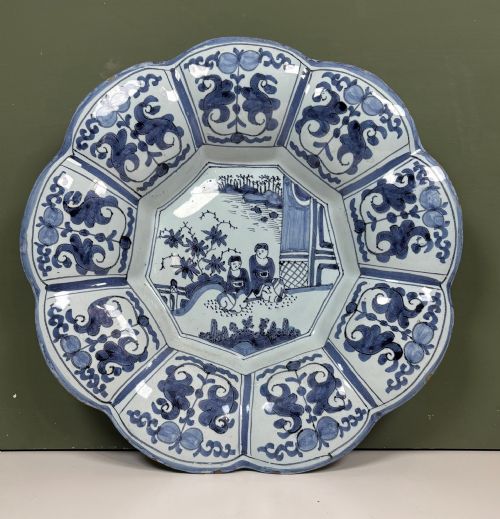

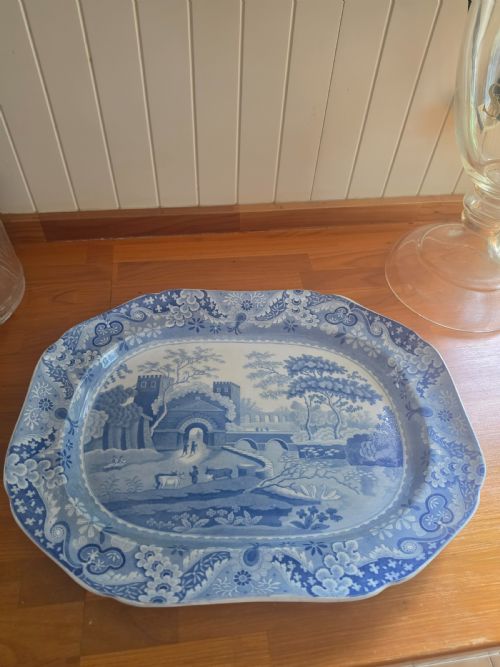
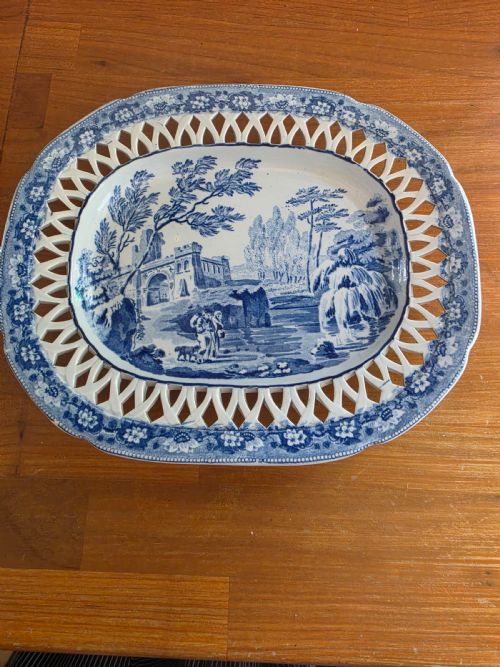
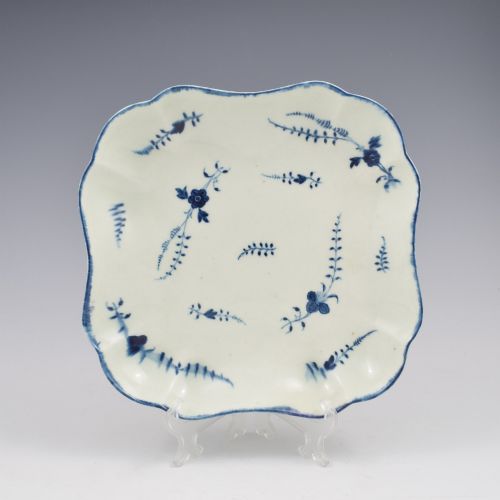
Blue White Ceramic Plate
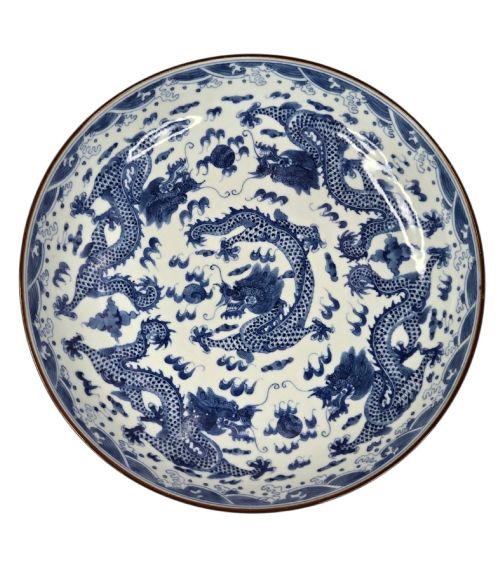
A blue white ceramic plate brings the crisp contrast of cobalt pigment against tin glaze or porcelain into domestic spaces.
Blue White Ceramic Plate
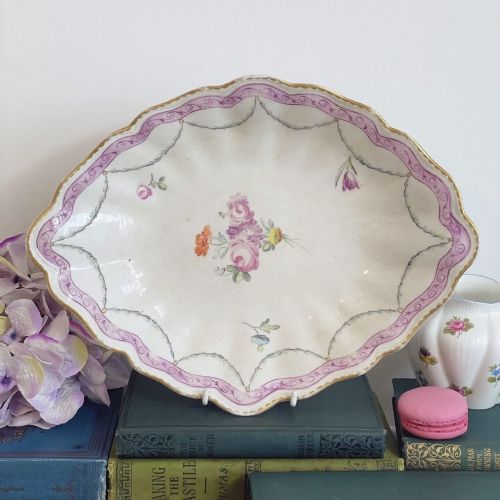
A blue white ceramic plate encompasses a diverse range of forms, from large chargers and serving platters down to dessert dishes and tea plates. Buyers searching this phrase meet domestic tablewares produced across centuries, including utilitarian vessels and purely decorative display pieces.
The selection spans numerous manufacturing traditions, featuring English transferware alongside tin-glazed earthenware and continental pottery. Pieces reflect historical periods from the seventeenth century through the Edwardian era, incorporating styles such as Dutch Baroque, Qing Dynasty, and Victorian designs.
Many items function as wall chargers or decorative dishes, while others served specific dining purposes like meat platters or hot-water plates. The variety reflects changing domestic requirements and shifting aesthetic preferences across generations of ceramic production.
What determines quality
Quality rests upon the precision of the cobalt painting and the clarity of the glaze. Handpainted examples by established potteries display fluidity of brushwork, whereas transfer-printed pieces depend on the crispness and alignment of the pattern application.
The refinement of the ceramic paste itself separates standard utilitarian items from luxury productions. Thinner porcelain bodies, well-balanced forms, and successful kiln firings without warping distinguish the superior pieces in this category.
Blue White Ceramic Plate Retail Price Guide 2026
Typical asking prices for blue white ceramic plate among the pieces listed under this phrase on Sellingantiques today, from the lower quarter to the upper quarter. They describe what is for sale here now, not the wider market.
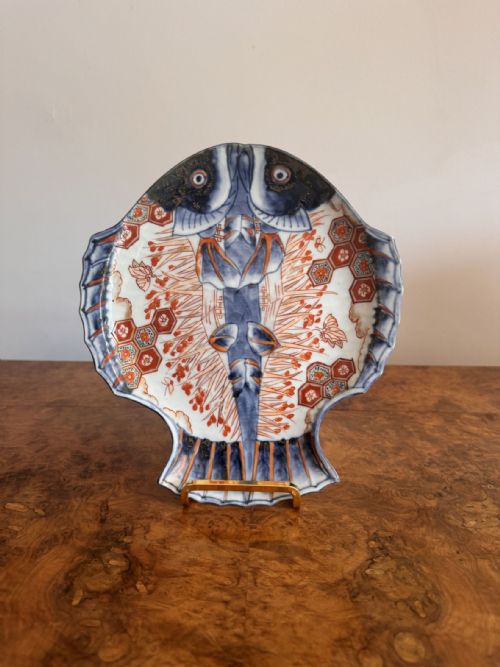
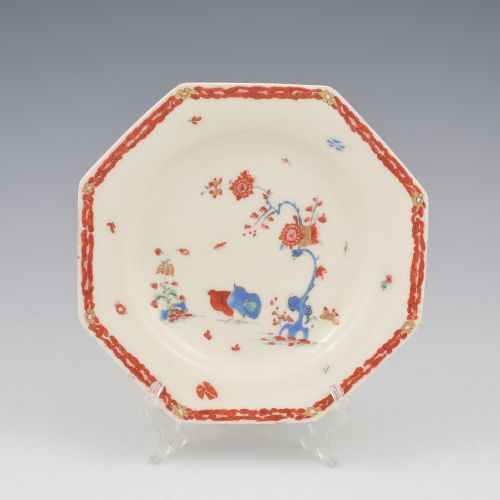
Several plates abandon standard circles entirely, appearing in the playful form of a swimming fish or a crisp octagonal silhouette.
Spode·Royal Worcester·Meissen·Davenport·Minton·Stubbs·Royal Bonn
The Blue White Ceramic Plate Glossary
- Cobalt Pigment
- The metallic oxide used to create deep blue decoration on ceramics. It withstands high kiln temperatures without losing its colour.
- Tin-Glazed Earthenware
- Pottery covered with an opaque white glaze containing tin oxide. This surface provided an ideal opaque background for painted blue designs.
- Transferware
- A pottery type decorated by transferring a printed design from an engraved copper plate onto tissue paper and then onto the ceramic body.
- Charger
- A large ornamental plate intended for display on a sideboard or wall rather than for individual dining use. These items frequently feature elaborate painted scenes.
- Soft-Paste Porcelain
- A ceramic composite made from clay and glass-like materials rather than natural kaolin and petuntse. It was widely utilised by eighteenth-century European factories.
Blue White Ceramic Plate: Frequently Asked Questions
How do I date a blue white ceramic plate?
Dating relies on examining the ceramic body, glaze characteristics, and any factory marks stamped or painted on the reverse. stylistic clues such as chinoiserie motifs or transfer-printed historical views also help narrow down the period of manufacture.
Heavier earthenware bodies with tin glazes typically point toward earlier centuries, while refined porcelains and transfer-printed wares become more common during the Georgian and Victorian eras.
Were chargers used for dining?
Chargers were primarily designed for formal display on sideboards or walls during earlier centuries. Their substantial size made them decorative centrepieces rather than everyday tableware.
Over time, tastes shifted, and many large chargers survived as purely ornamental objects due to their striking pictorial designs.
Can I use these antique plates for food?
While many plates were originally created for culinary service, older tin-glazed earthenware and soft-paste porcelains require careful handling. Modern usage is best limited to dry foods or decorative display to preserve the historic glaze and ceramic body.
Handwashing is essential for antique ceramics, as modern dishwashers can damage fragile glazes and historic pigments.
What is the difference between Delft and porcelain?
Delft is a tin-glazed earthenware featuring a porous, opaque white body that accepts handpainted cobalt designs. Porcelain is a vitrified, denser material fired at higher temperatures to create a hard, non-porous body.
Porcelain often transmits light when held up to a lamp, whereas earthenware remains completely opaque.