


Victorian Blue White Pottery
Victorian blue white pottery brings together crisp cobalt pigments and earthenware bodies, offering functional utility and robust domestic charm for the table.
Victorian Blue White Pottery
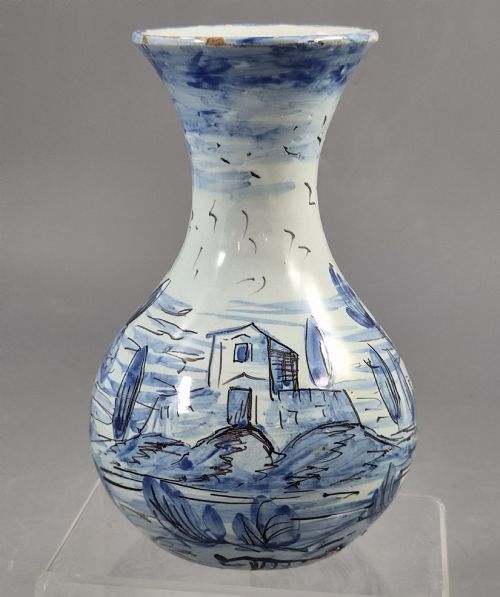
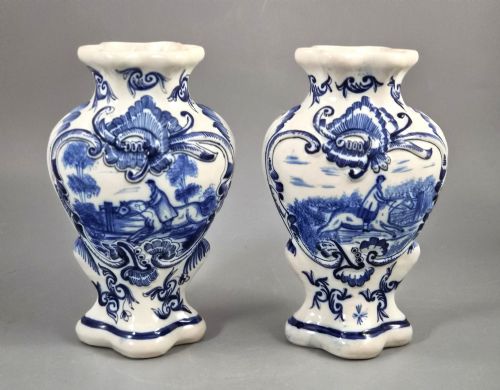
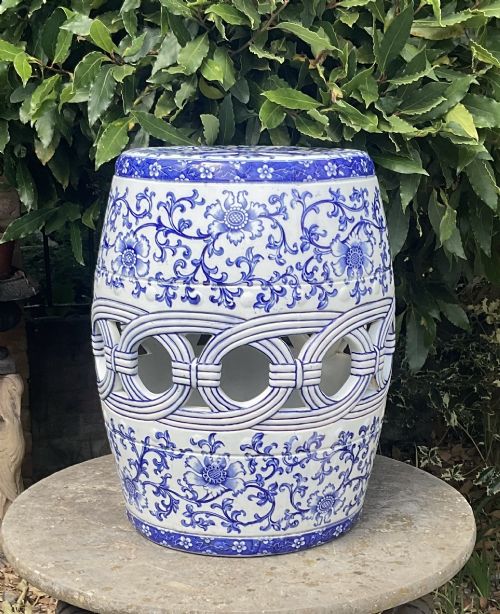
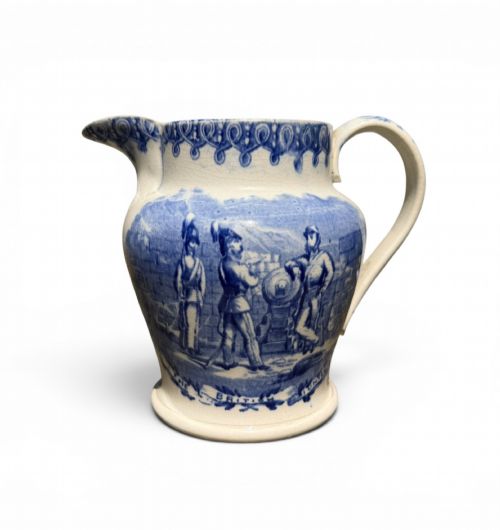
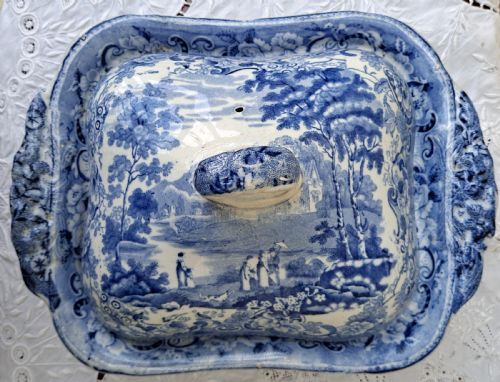
When buyers search for Victorian blue white pottery, they encounter a diverse array of nineteenth-century domestic wares ranging from large footbaths and meat plates to transfer-printed jugs, tureens, and garden seats. These objects reflect the industrial scale and artistic ambition of nineteenth-century ceramic production in England, alongside continental counterparts like Dutch Delft and French faience.
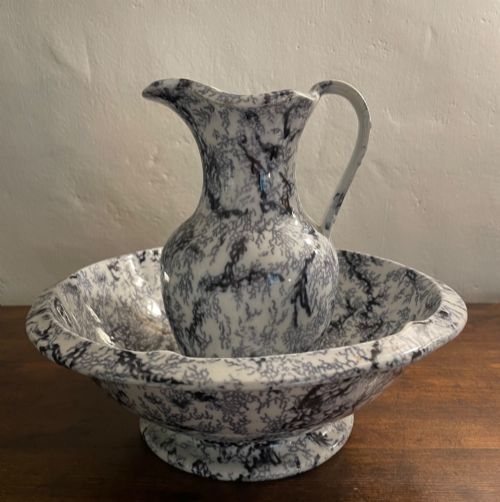
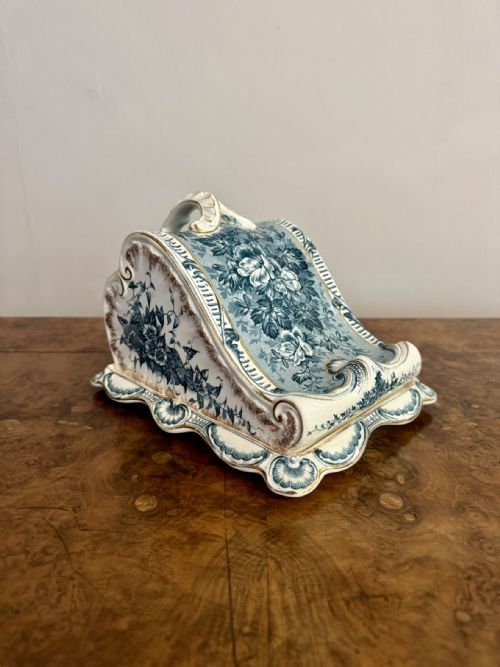
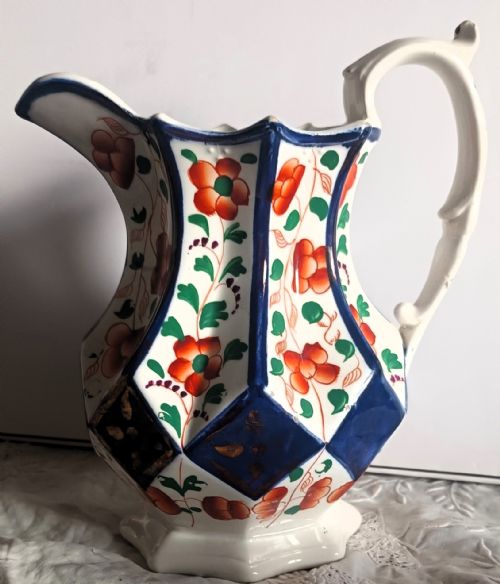
The pieces on this page lean heavily towards Staffordshire earthenware and transfer-printed household vessels, often decorated with pastoral scenes, classical motifs, or orientalist patterns such as Chinoiserie. Buyers frequently meet functional items meant for daily service, including milk jugs, cheese dishes, and toilet services, alongside decorative figures and ceramic animals.
Originating largely from the nineteenth century, these objects embody the transition from hand-painted traditions to mechanised transfer printing while retaining tactile weight and depth of colour. They suit both utilitarian display and active collection, bridging the gap between kitchen utility and Victorian parlor ornament.
How They Were Made
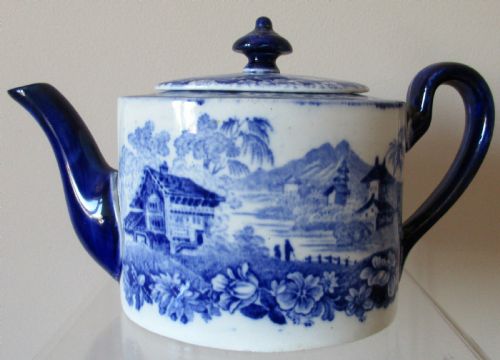
Potters built these items using earthenware, stoneware, and ironstone bodies, coated with lead glazes or enamel finishes to achieve a glossy, protective surface. Transfer printing dominated the aesthetic, allowing intricate blue patterns from engraved copper plates to be applied onto the ceramic substrate before glazing and firing.
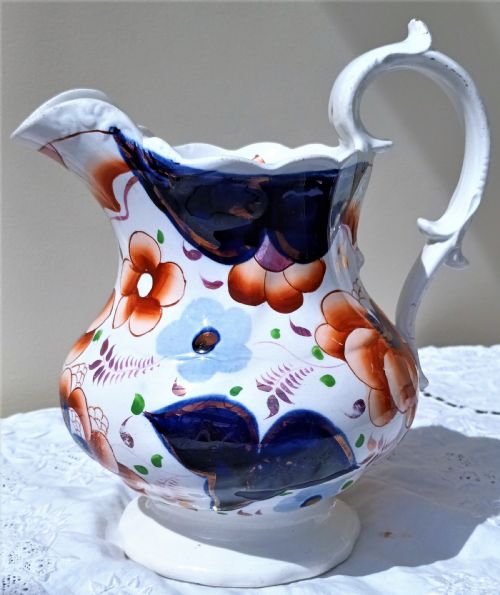
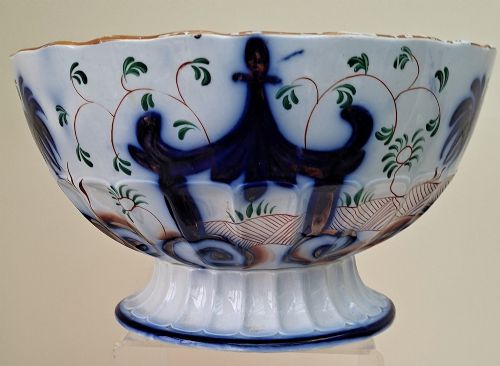
Some pieces incorporate applied gilt accents, copper lustre, or hand-painted details over the transfer-printed base to elevate the visual texture. Workshops also utilised specialised moulding techniques for three-dimensional figures, jugs, and architectural items like garden seats and inkwells.
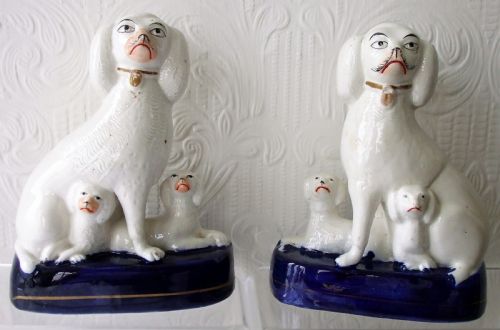
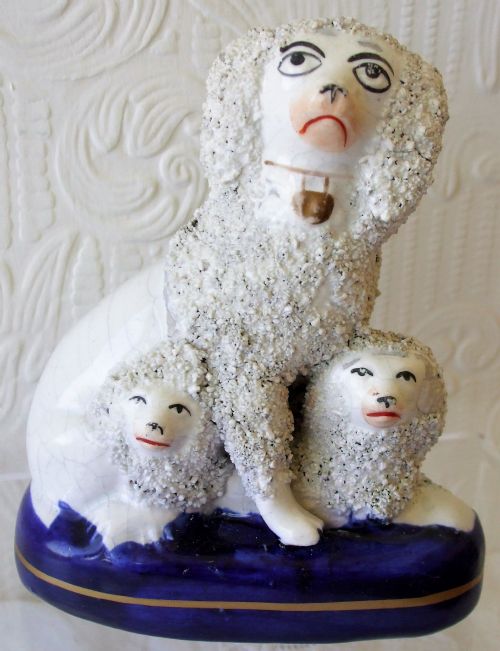
Ceramic poodles arrive accompanied by their pups, guarding the Victorian mantelpiece with unyielding vigilance.
What Varies In Quality
Quality rests in the crispness of the transfer print, where blurred lines and smudged cobalt indicate rushed production while sharp, detailed contours reveal careful engraving and firing control. The complexity of the underlying ceramic form - such as moulded handles on hydra jugs or the substantial weight of a footbath - also distinguishes standard utilitarian output from ambitious exhibition pieces.
Surface finish separates everyday kitchen vessels from premier display objects, with smooth, evenly pooled glazes and clean enamel or gilt additions marking superior workshops. Maker attribution further elevates an item, as established potteries maintained tighter control over clay purification and pigment consistency.
James Wallace and Company·Mintons·Copeland·John Ridgway·Doulton Lambeth·Burgess and Leigh Burslem·John Meir and Son
The Victorian Blue White Pottery Glossary
- Transfer printing
- A decoration technique where an engraved copper plate transfers a design onto tissue paper, which is then stamped onto the ceramic body before glazing. This method enabled mass production of highly detailed cobalt patterns across nineteenth-century dinner services.
- Flow blue
- A style where cobalt oxide intentionally bleeds into the surrounding white glaze during the kiln firing, creating a soft, misty halo effect. It gained immense popularity in mid-nineteenth-century earthenware.
- Earthenware
- A porous pottery body fired at lower temperatures than stoneware or porcelain, requiring a vitreous glaze to hold liquids. Most domestic nineteenth-century tableware and jugs utilised this versatile material.
- Ironstone
- A patented ceramic compound developed to imitate porcelain while offering superior durability and strength for heavy kitchen use. Mason's ironstone is a prominent example seen in nineteenth-century jugs.
- Faience
- European tin-glazed earthenware, often associated with continental production methods seen in French and Dutch decorative items. It provides an opaque white canvas for painted blue designs.
- Staffordshire figure
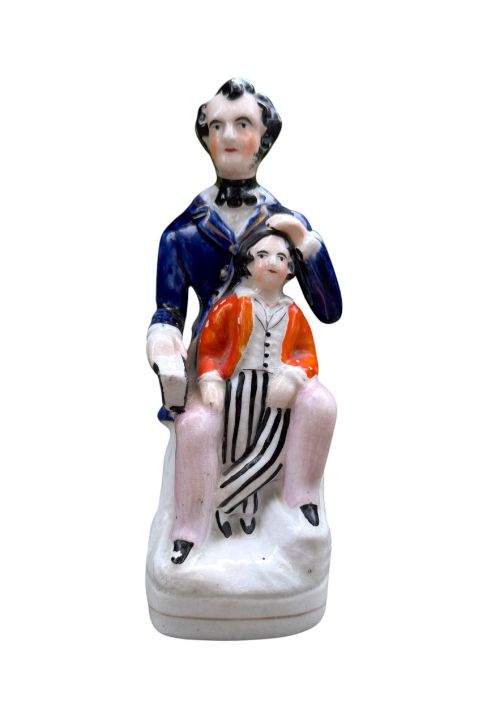
- Moulded ceramic portrait pieces and animal sculptures produced in the English potteries. These figures frequently depicted contemporary royals, public figures, or domestic animals like poodles and dalmatians.
Victorian Blue White Pottery: Frequently Asked Questions
Can I use these plates for dining?
Most nineteenth-century earthenware items contain lead in their historic glazes, making them unsuitable for daily food service or acidic meals.
Display them on walls, dressers, or tables to enjoy their visual patterns without risking damage to the antique surface.
What caused flow blue to blur?
Potters intentionally introduced lime or ammonia vapours into the kiln atmosphere during firing, which caused the cobalt pigment to vaporise and bleed into the surrounding glaze.
This chemical reaction transformed standard transfer printing into a hazy, atmospheric aesthetic that defined mid-nineteenth-century tableware.
How do I date nineteenth-century ceramics?
Examine the base for impressed maker marks, registry diamonds, or printed pattern names, which often correspond to specific archival production years.
Stylistic cues, such as the weight of the ironstone body or the depth of the cobalt pigment, also help narrow down the decade of manufacture.