


Blue White China Charger
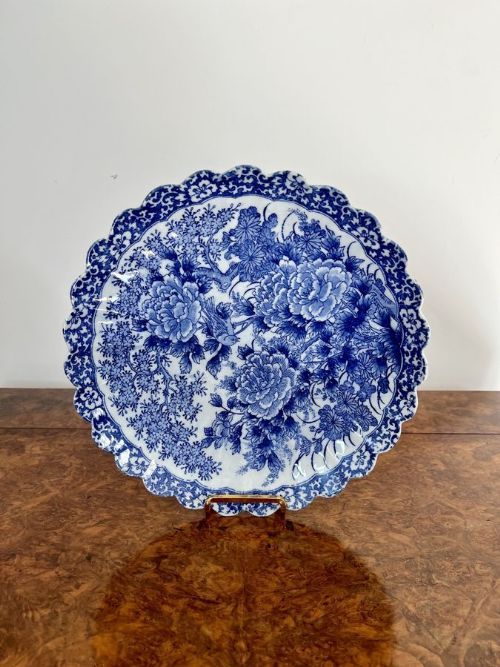
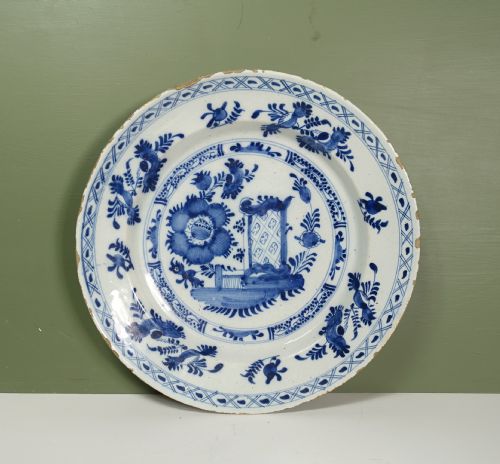
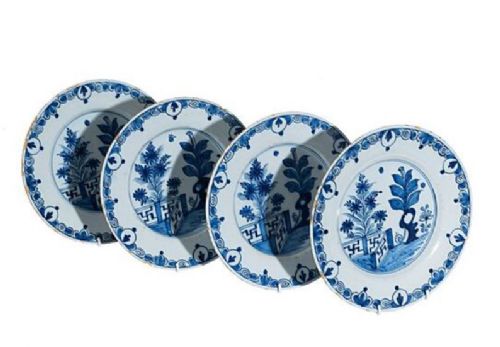
A blue white china charger brings cobalt pigment and ceramic together in large display plates from the eighteenth and nineteenth centuries.
Blue White China Charger
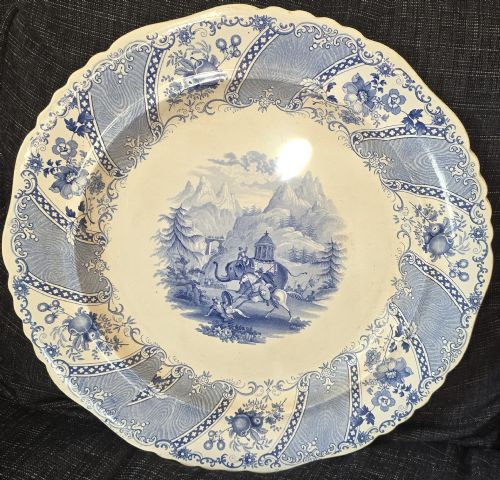
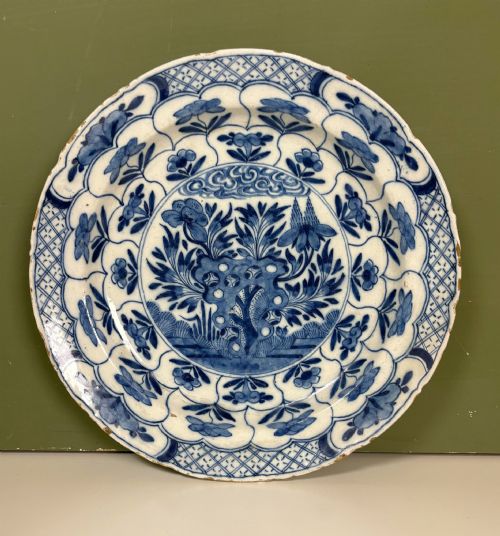
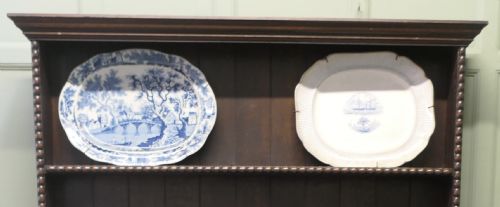
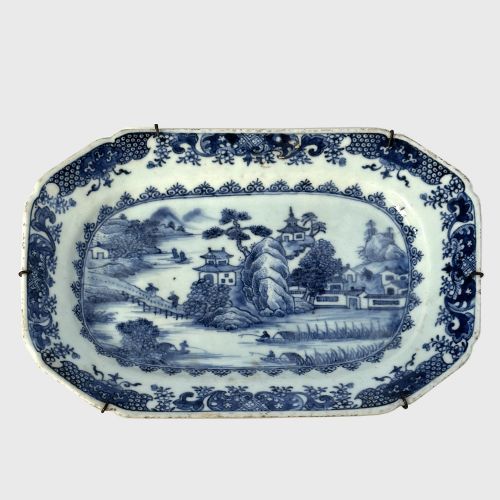
A blue white china charger is a broad display plate or serving platter decorated in cobalt blue upon a white ceramic body. When you search for this phrase, you find large platters, decorative plates and chargers designed for visual impact.
The pieces on this page span the eighteenth and nineteenth centuries, taking in periods such as the Victorian era, Georgian period, and seventeenth and eighteenth centuries. You meet examples from Dutch Delftware traditions, Chinese Export porcelain, and Japanese Imari styles.
Forms range from simple circular plates to large scalloped edges and deep chargers meant for sideboard display. Each object reveals how potters across different cultures handled cobalt pigment and white glaze.
How they were made
Maker's workshops utilised earthenware, improved stone china, and porcelain as the ceramic body for these large plates. Potters shaped the clay by hand or mould before applying a white glaze to the surface.
Cobalt pigment provided the intense blue decoration, painted directly onto the un-fired glaze or beneath it. Firing in kilns set the cobalt into a permanent, glossy finish that contrasts sharply against the white background.
Listings feature earthenware, porcelain, and tin-glazed ceramic bodies decorated with cobalt pigment.
What varies in quality
The clarity of the cobalt pigment sets finer examples apart from simpler production ware. Deep, even tones and crisp brushwork indicate skilled hand-painting, whereas blurred outlines suggest hasty execution.
The precision of the ceramic body and the smoothness of the glaze influence desirability. Uniform thickness and careful trimming around the footrim show superior workshop standards.
William Smith And Co
The Blue White China Charger Glossary
- Charger
- A large decorative plate or serving platter, typically measuring twelve inches or more across. These pieces were primarily intended for display on sideboards or dining tables.
- Cobalt Pigment
- A metallic colorant used to achieve deep blue decoration on ceramic wares. It withstands high kiln temperatures without losing its intense colour.
- Tin-Glazed Earthenware
- Pottery covered with a tin oxide glaze that dries to an opaque white finish. This technique formed the basis for traditional Delftware production.
- Chinese Export Porcelain
- Porcelain manufactured in China specifically for western markets. These objects combined traditional oriental motifs with shapes requested by European buyers.
Blue White China Charger: Frequently Asked Questions
What is a blue white china charger?
A blue white china charger is a large decorative plate or serving platter decorated with cobalt blue patterns on a white ceramic or porcelain body.
These pieces were produced across the eighteenth and nineteenth centuries in various ceramic bodies, including earthenware and stone china.
How were these large plates used?
Historically, large chargers served rich food at grand tables or functioned as decorative display pieces on sideboards.
Today, collectors use them as wall hangings or centrepiece displays to showcase traditional cobalt and white patterns.
How do I tell Delftware from Chinese Export?
Delftware typically utilises a tin-glazed earthenware body with a softer, chalkier appearance. Chinese Export pieces employ a hard paste porcelain body that feels denser and rings when tapped.
Brushwork and glaze thickness also differ between European earthenware traditions and East Asian porcelain workshops.