
English Ceramic Plate
When you search for an english antique ceramic plate, you enter a world of handpainted flowers, transferprinted landscapes and lustrous glazes spanning several centuries.
English Ceramic Plate
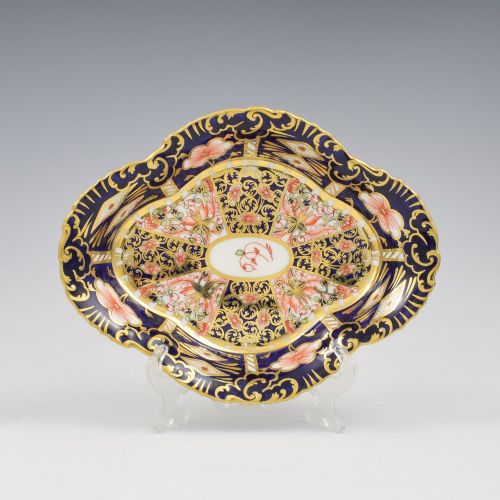
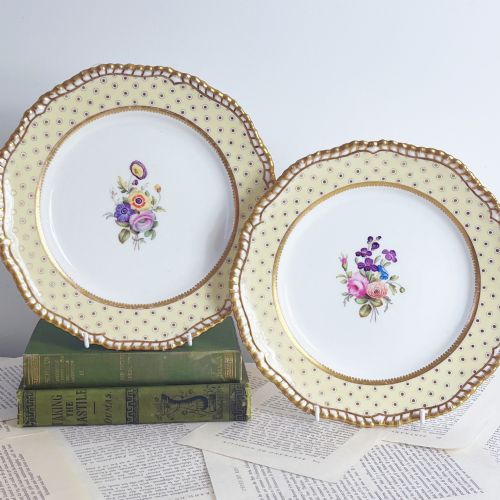
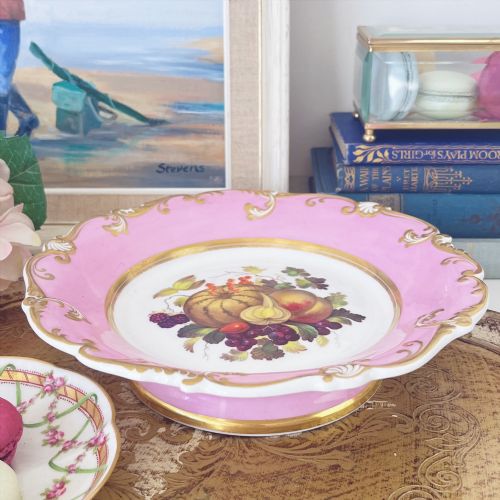
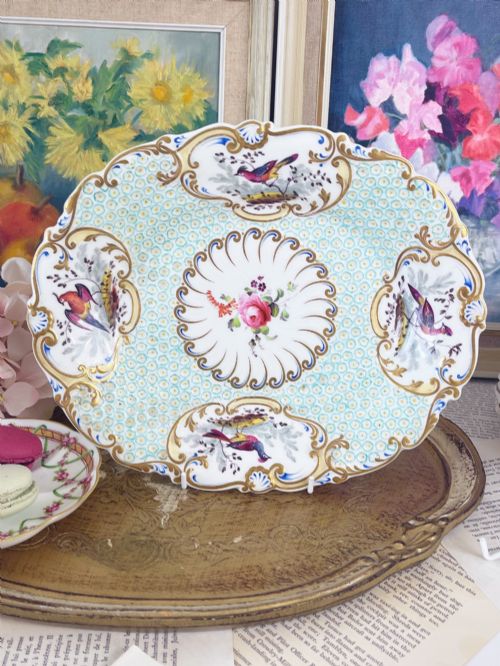
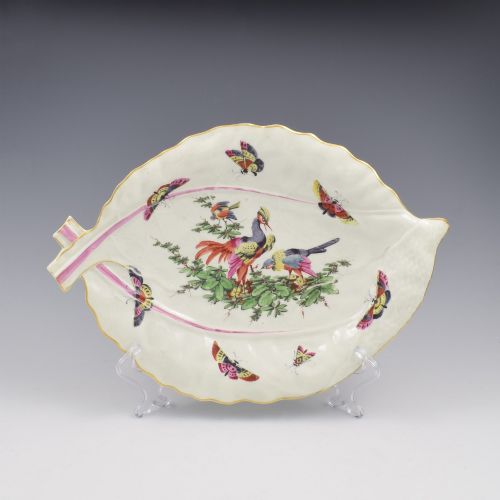
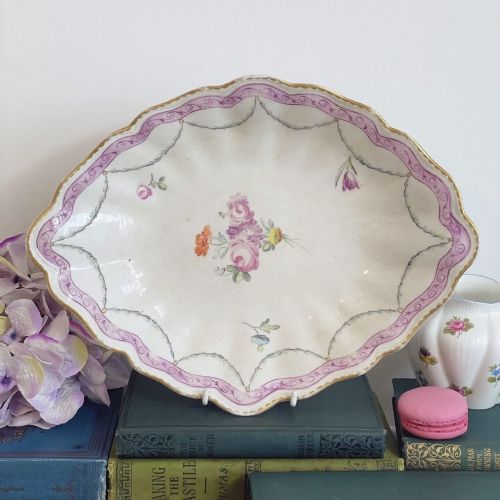
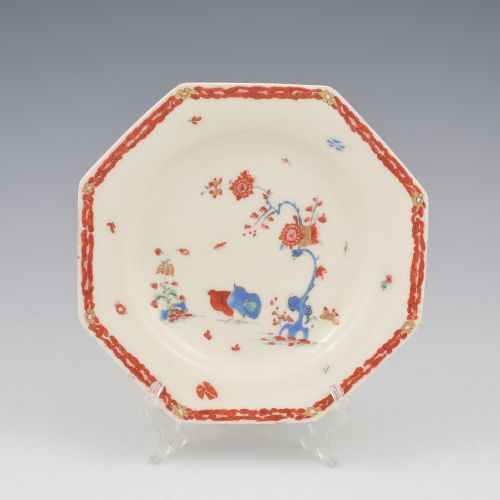
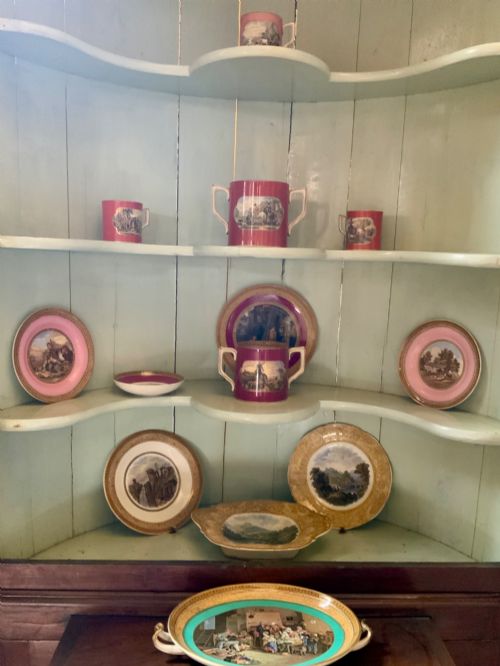
Collectors seeking an english antique ceramic plate encounter an array of forms, from cabinet pieces and serving dishes to large chargers and deep dinner plates. The selections span the eighteenth, nineteenth, and early twentieth centuries, capturing major stylistic shifts from Georgian Neoclassical and Rococo Revival to Victorian taste.
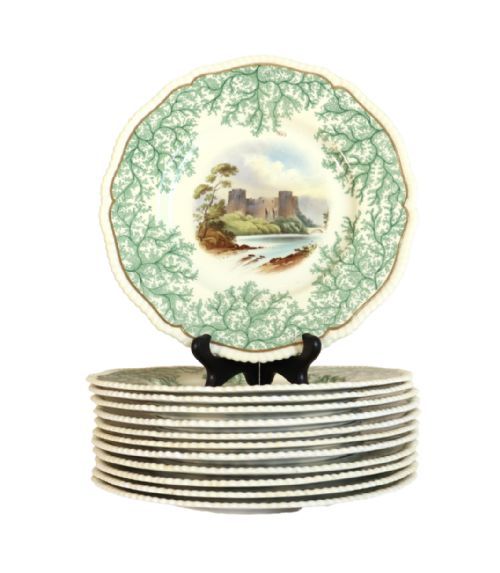
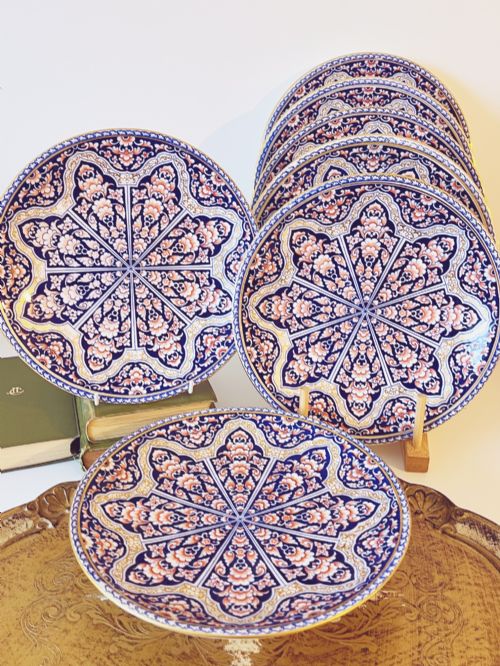
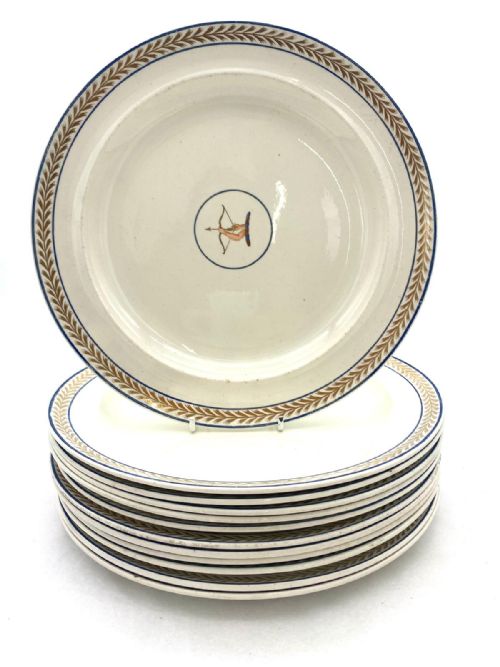
The objects on this page originate from esteemed kilns and factories across England, representing varied domestic and dining table traditions. Plates and dishes arrive in matched sets, pairs, or singular display items intended originally for dessert service or grand dinners.
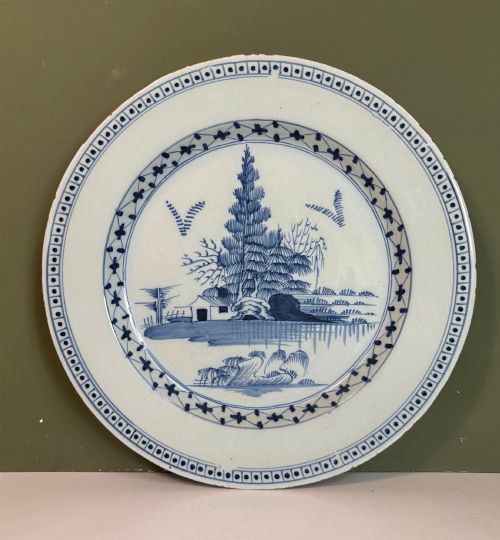
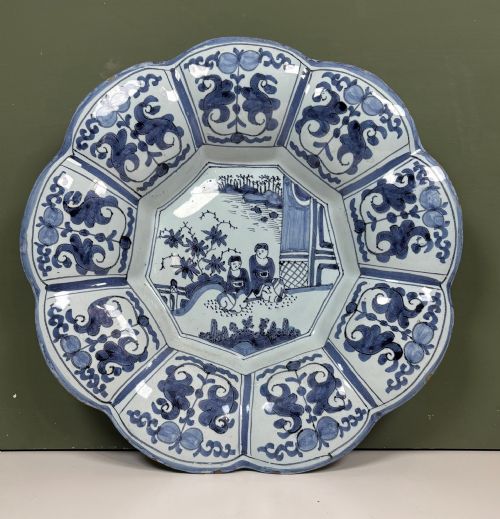
Eighteenth-century examples often display tin-glazed earthenware and soft-paste porcelain, whilst nineteenth-century pieces incorporate bone china, ironstone, and robust transferware. Each period leaves a distinct mark upon the glaze, weight, and decorative motifs of the ceramic body.
Materials and Techniques
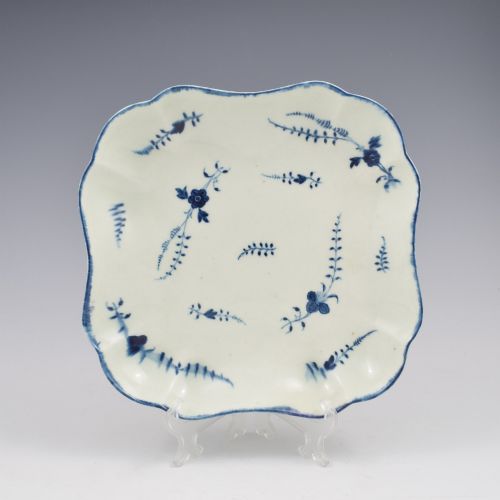
Potters built these wares using refined bodies of earthenware, bone china, ironstone, and porcelain, often enriched with enamel colours, gold leaf, and gilt accents. Artisans shaped the clay on wheels or pressed it into moulds to achieve octagonal, lobed, or shell-edged profiles.
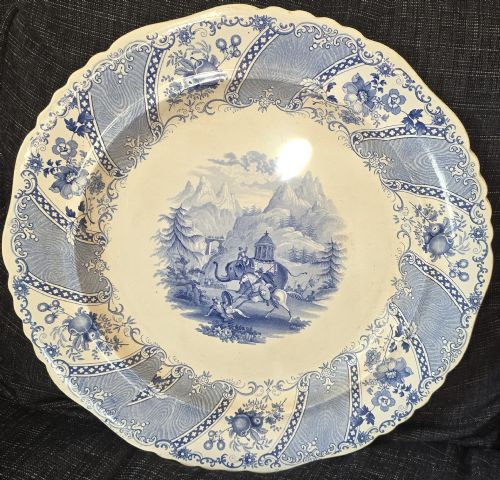
Decoration relied upon handpainted polychrome pigments, delicate underglaze blue, and transferprinting techniques that transferred complex historical or botanical scenes onto the biscuit surface before glazing and firing.
The listings span multiple centuries of English ceramic production, incorporating earthenware, porcelain, bone china, and tin-glazed delftware.
What Separates Fine Pieces
The upper tier of these ceramics is distinguished by the precision of the handpainting, the clarity of the transfer print, and the artistic merit of the handpainted subjects such as botanical studies, birds, or armorial crests. Superior potting shows in the thinness and translucency of the porcelain or the uniform thickness and glaze smoothness of the earthenware.
Provenance and documented association with known porcelain works or named artists elevate certain plates far above standard production pieces. The crispness of moulded details, such as Rococo scrolls or gadrooned rims, further defines the grade of the finished dish.
Royal Crown Derby·William Smith And Co·Grainger Lee And Co·Spode·H And R Daniel·Wedgwood·Bow Porcelain·Royal Worcester·Chamberlains Worcester·Moses Webster·Richard Sebright·Hicks And Meigh·Minton·George Jones·John Rogers And Son
The English Ceramic Plate Glossary
- Cabinet plate
- A decorative plate intended for display in a cabinet or on a wall rather than for everyday dining use.
- Transferware
- Pottery decorated by applying a monochrome design from an engraved copper plate onto tissue paper and transferring the ink onto the unglazed ceramic body.
- Bone china
- A type of porcelain composed of clay, feldspar, and animal bone ash, producing a strong, translucent white body.
- Charger
- A large decorative plate or shallow dish, often used for serving or as a base for other courses during grand meals.
- Creamware
- A refined pale cream-coloured earthenware developed in Staffordshire during the eighteenth century, known for its light weight and thin walls.
English Ceramic Plate: Frequently Asked Questions
How do I care for antique plates?
Wash these fragile ceramics by hand in warm water using a mild detergent, avoiding modern dishwashers entirely to protect the delicate enamel and gilt decoration.
Store them securely in plate stands or padded racks to prevent edge chipping and surface rubbing over time.
Were these plates used for dining?
Many examples on this page served practical functions at grand dining tables, holding meats, desserts, or hot water to keep food warm.
Others, particularly cabinet plates and large chargers, were designed purely for visual display and ceremonial presentation.
How do I identify the period?
Examine the paste, glaze characteristics, and factory marks on the reverse, comparing them against established chronological styles such as eighteenth-century Delftware or Victorian ironstone.
Handwritten inscriptions, impressed ciphers, and pattern numbers often provide clues to the exact decade of manufacture.
What is a dessert service?
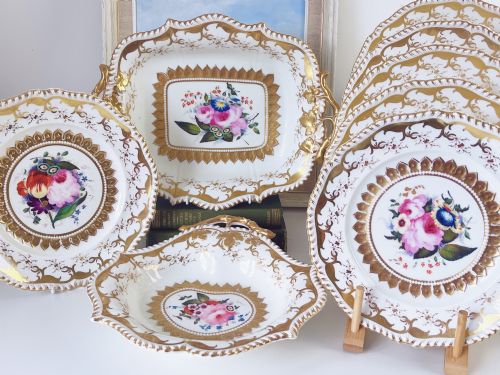
A dessert service is a matched set of plates, comports, and serving dishes intended for the final sweet course of a formal meal.
These sets frequently feature elaborate botanical paintings or matching borders designed to unify the tablescape.