


Antique Delftware Ceramics
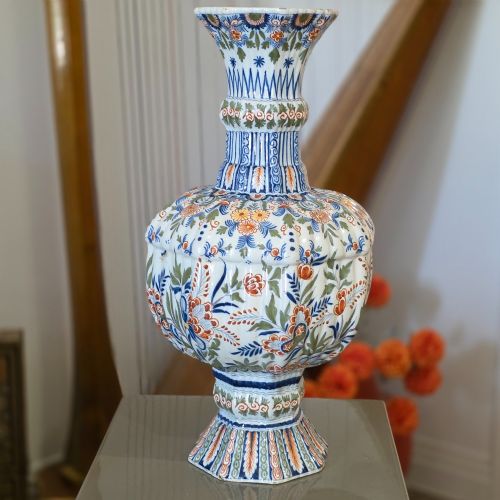
Antique delftware ceramics bring tin-glazed earthenware and faience into rooms through chargers, vases, and apothecary jars made across the seventeenth, eighteenth, and nineteenth centuries.

Antique Delftware Ceramics
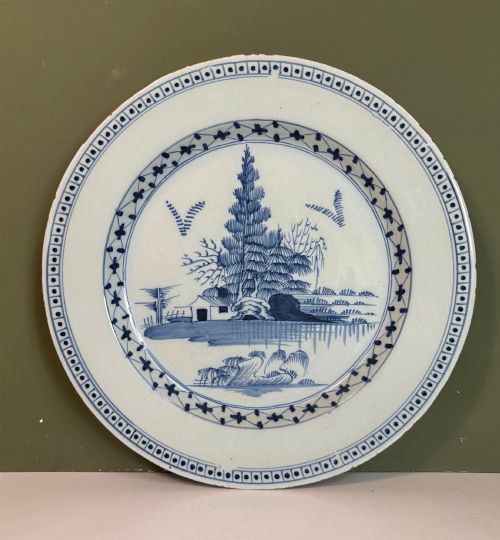
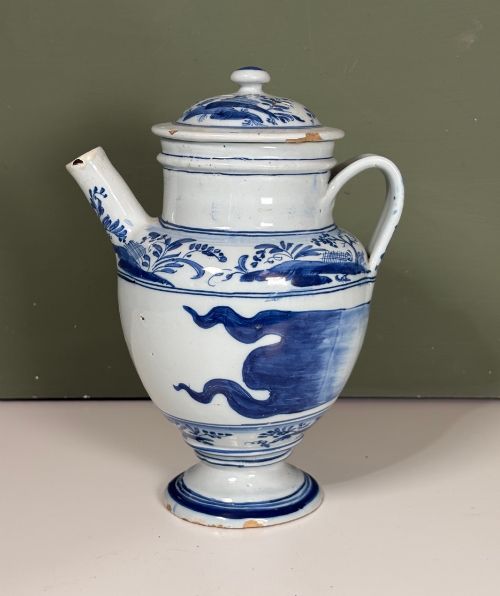
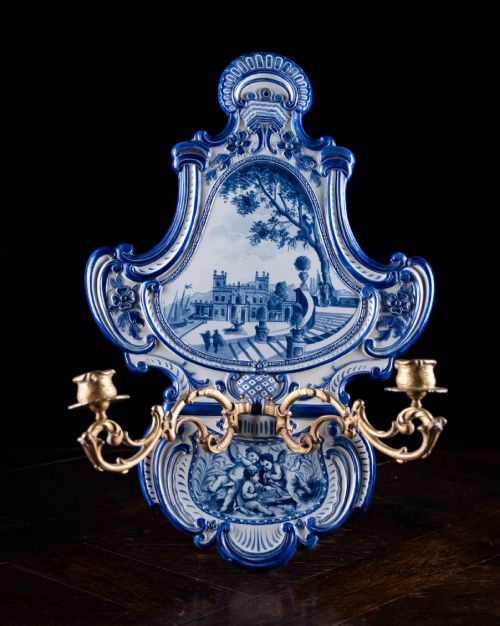
When searching for antique delftware ceramics, buyers encounter chargers, decorative plates, and vases spanning multiple centuries of production. The seventeenth and eighteenth centuries provide numerous examples of chargers, dishes, and apothecary jars originating from Dutch and English kilns.
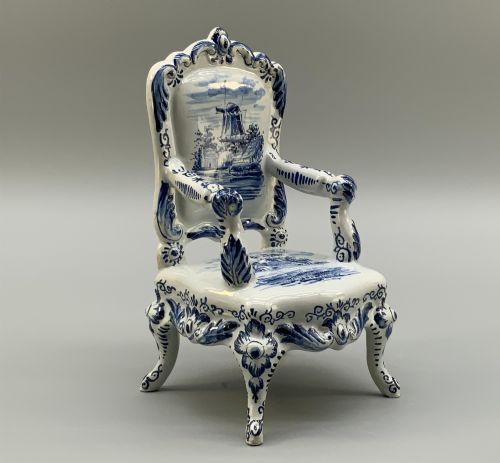
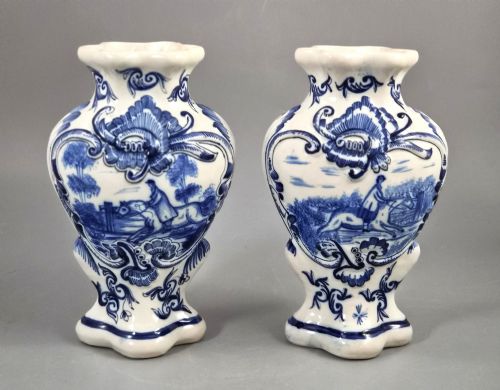
Nineteenth-century variations appear frequently, including blue and white pottery cows, miniature armchairs, and lidded vases alongside French faience pieces from Desvres. Continental pieces also include Moorish style charger plates reflecting later stylistic revivals.
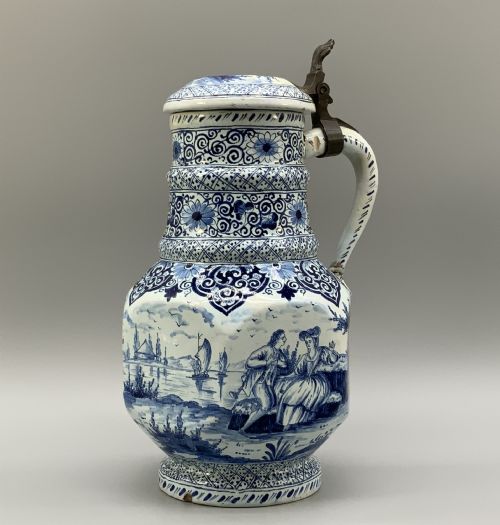
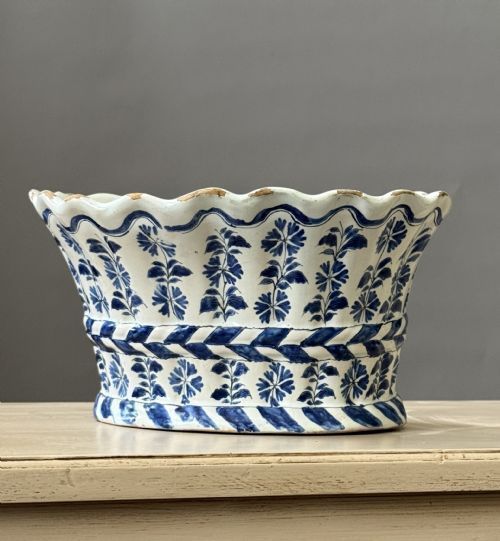
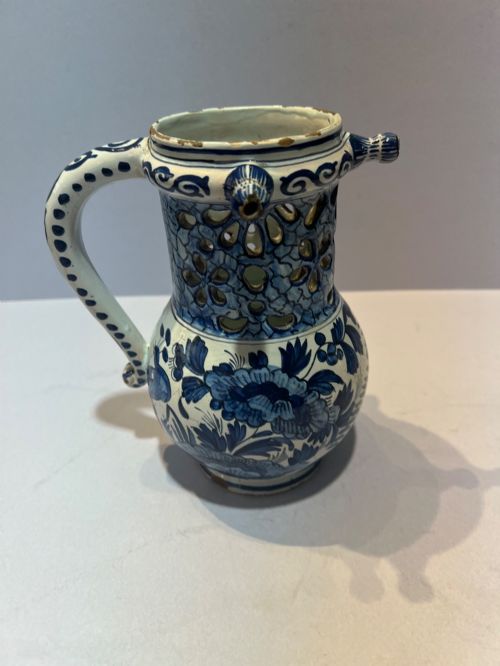
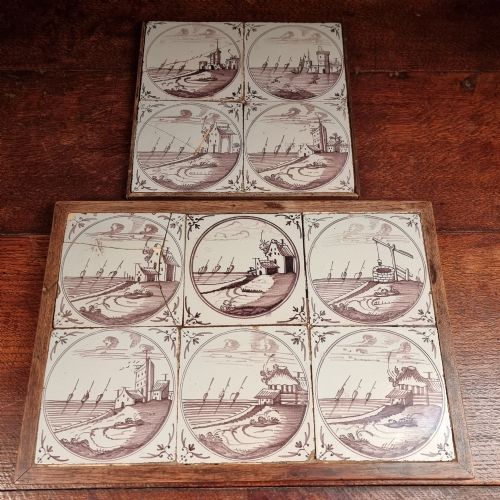
Plates and chargers dominate the earlier centuries, whilst jugs, bough pots, and puzzle jugs represent the more domestic forms. Tin-glazed dishes and tiles featuring hand-painted motifs complete the range of traditional shapes available.
Materials and construction methods
Makers shaped earthenware bodies before applying an opaque tin glaze that created a white surface suitable for painting. Artisans utilised cobalt pigment and cobalt oxide to produce the characteristic blue designs seen across domestic wares and chargers.
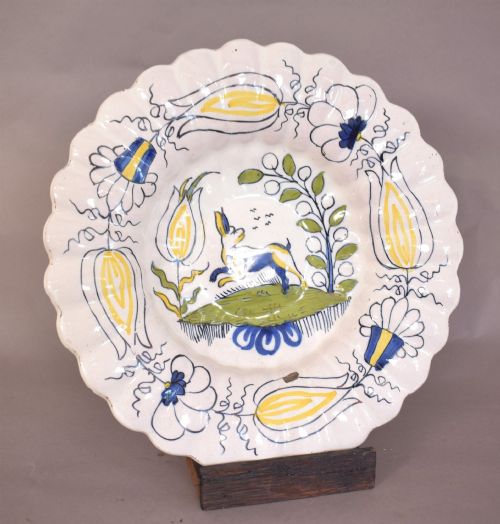
Polychrome decoration incorporated manganese and yellow pigments, particularly on English and French faience dishes. Firing techniques fixed these mineral colours into the tin glaze, occasionally supplemented by clear lead glazes.
Potters created ceramic cows complete with blue and white patterns, ready to stand on any mantelpiece.
Distinctions in quality and execution
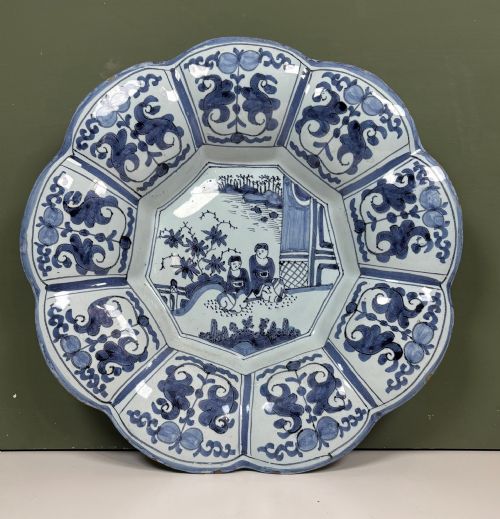
Brushwork precision separates simpler utility wares from ambitious decorative chargers and apothecary jars. The clarity of cobalt pigment against the tin glaze determines visual depth in floral and Chinoiserie scenes.
The smoothness of the tin glaze and the stability of the earthenware body during firing dictate the overall integrity of each vessel. Hand-painted motifs display varying degrees of confidence by individual hands in the workshops.
Fourmaintraux-Courquin·Villeroy and Boch
The Antique Delftware Ceramics Glossary
- Tin-Glazed Earthenware
- Pottery coated with a lead glaze rendered opaque by the addition of tin oxide. This surface provided a white ground for painted decoration.
- Charger
- A large decorative plate intended for display on walls or sideboards rather than dining use. These items form a major category among seventeenth and eighteenth-century survivals.
- Faience
- European tin-glazed earthenware, a term applied particularly to French and continental production. It shares technical origins with Dutch delftware.
- Apothecary Jar
- A ceramic container utilised by chemists and apothecaries for storing dry drugs and remedies. Many feature painted labels or decorative panels.
- Polychrome
- Decoration employing multiple colours rather than a single pigment. In these ceramics, this typically involves manganese, yellow, and blue on a tin glaze.
- Puzzle Jug
- A drinking vessel with a perforated neck and multiple spouts designed to trick drinkers into spilling liquids. Solving the puzzle required covering hidden holes with the fingers.
Antique Delftware Ceramics: Frequently Asked Questions
What is an antique delftware charger?
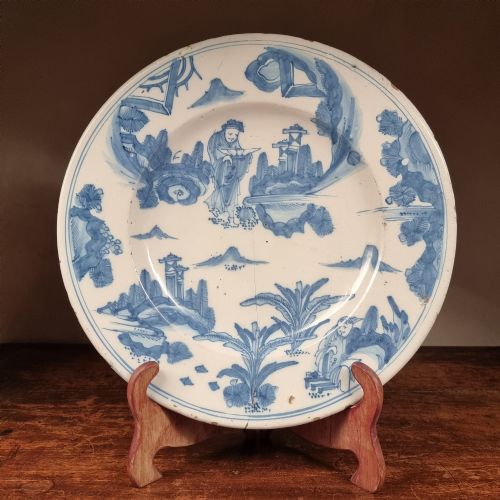
A charger is a large decorative plate produced primarily in the seventeenth and eighteenth centuries. Makers decorated these wide surfaces with cobalt blue or polychrome designs intended for display.
Most feature hand-painted floral or Chinoiserie motifs across tin-glazed earthenware bodies. They were hung on walls or exhibited on dressers in domestic interiors.
How do I identify seventeenth-century pieces?
Seventeenth-century items often exhibit heavier earthenware bodies and specific early painting styles such as Kraak-inspired motifs. Cobalt blue pigments on thick tin glazes characterise these survivals.
Posset pots, early tiles, and large chargers represent the forms typical of this period. Documentation and physical characteristics like glaze thickness help separate them from later nineteenth-century revivals.
Where were these ceramics made?
Production centred largely in the Netherlands, particularly Delft, alongside significant centres in England such as Bristol. French factories like Desvres also manufactured tin-glazed faience wares.
Different regions developed distinct palettes and vessel forms, from English polychrome plates to Dutch blue and white apothecary jars and puzzle jugs.
How should I display chargers and plates?
Chargers and decorative plates suit wall mounting using secure wire hangers designed for heavy earthenware. Plate rails and sturdy display stands also support safe exhibition on surfaces.
Keeping them away from high moisture areas protects the tin glaze from deterioration over time. Proper placement highlights the hand-painted details without risking structural damage.