
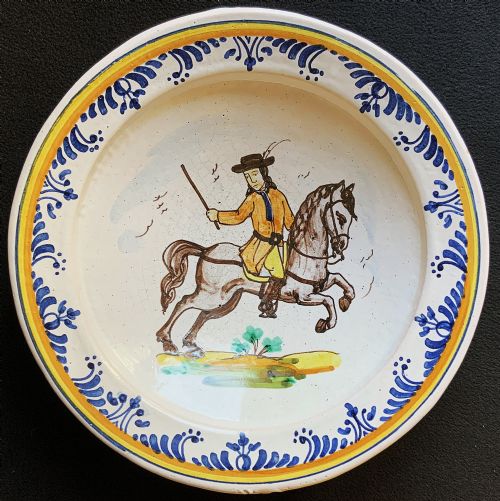


Blue Delftware Bowl
A blue delftware bowl brings tin-glazed earthenware into the home, prized for hand-painted cobalt pigment on ceramic surfaces.
Blue Delftware Bowl
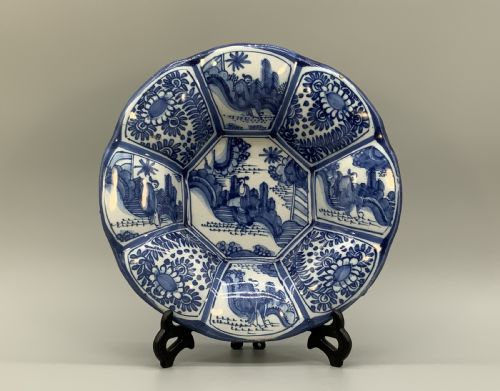
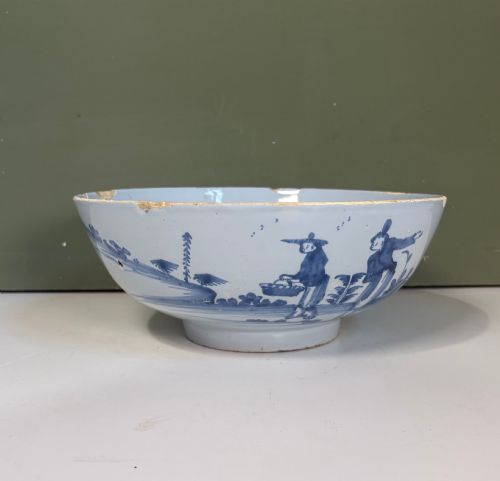
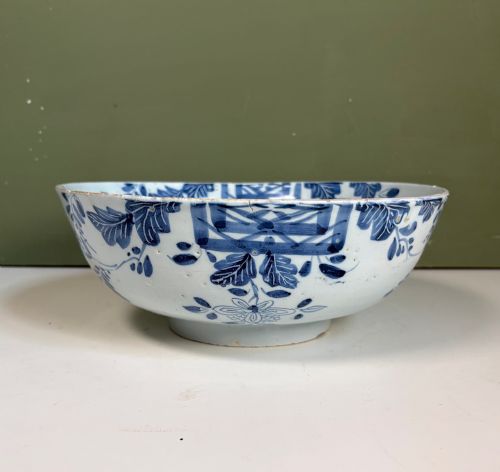
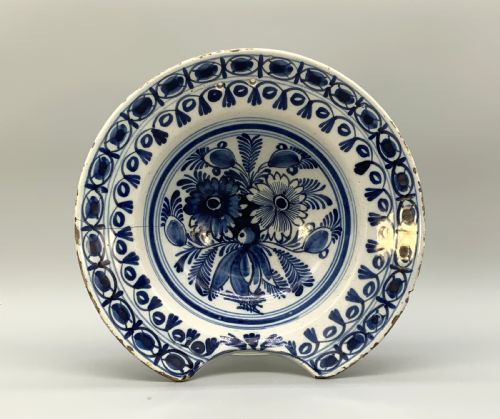
A blue delftware bowl represents centuries of ceramic tradition, spanning the eighteenth and nineteenth centuries with notable Dutch, Spanish, and English origins. These pieces manifest primarily as bowls, decorative dishes, shallow bowls, and barber's bowls.
Buyers encountering this selection will frequently meet eighteenth-century examples alongside nineteenth-century interpretations. Forms range from simple bowls and dishes to specialised items like bleeding dishes and lobed chargers.
Materials and Techniques
These items are constructed from ceramic, earthenware, and tin-glazed earthenware utilising tin glaze as a primary surface coating. Artisans applied cobalt oxide and cobalt pigment to achieve the characteristic blue and white decoration.
The decorative process relies on hand-painted execution across tin-glazed surfaces, frequently drawing inspiration from seventeenth-century Kraak style and Dutch Baroque aesthetics as well as polychrome Catalan traditions.
Some eighteenth-century barbers relied on these specialised bowls for medical bleeding before the practice went out of fashion.
Assessing Quality
Quality in these ceramics rests upon the crispness of the hand-painted cobalt pigment against the tin glaze. Superior examples display confident brushwork and balanced compositions across the bowl or dish.
The complexity of the form also distinguishes the pieces, such as lobed rims or specialised vessel types compared to standard shallow bowls. Historical depth, from eighteenth-century production to later nineteenth-century interpretations, further defines the character of each item.
The Blue Delftware Bowl Glossary
- Tin-Glazed Earthenware
- Earthenware pottery coated with a white tin-oxide glaze that provides an opaque background for painted decoration. This technique forms the foundation of all delftware production.
- Cobalt Oxide
- A mineral pigment used to create the deep blue coloration characteristic of traditional delftware painting. It reacts with the glaze during firing to produce stable, vibrant hues.
- Kraak Style
- A Chinese aesthetic style featuring panelled borders and central motifs that heavily influenced European delftware designers. This style appears frequently on early bowls and dishes.
- Barber's Bowl
- A specialised shallow bowl featuring a semi-circular cutout designed to fit against a customer's neck during shaving or medical bleeding. These functional vessels are a distinct form within delftware collections.
Blue Delftware Bowl: Frequently Asked Questions
What is a blue delftware bowl?
A blue delftware bowl is a tin-glazed earthenware vessel decorated with cobalt pigment, originating primarily from the eighteenth and nineteenth centuries.
These ceramic pieces include decorative bowls, shallow dishes, and specialised forms made in Dutch, Spanish, and English workshops.
How were these bowls used historically?
Many examples served as decorative bowls and chargers displayed within homes, while specialised forms like barber's bowls fulfilled specific utilitarian and medical functions.
The hand-painted surfaces were designed for visual appeal rather than heavy daily service.
How do I care for a delftware bowl?
These ceramic items require gentle handling and should be kept away from modern dishwashers and harsh cleaning agents. Dust them softly with a dry cloth to protect the tin glaze and hand-painted surface.
Display them securely on stable surfaces or dedicated plate stands to prevent accidental drops.
How can I tell the period of a bowl?
Dating relies on examining the characteristics of the earthenware body, tin glaze, and the style of the cobalt pigment painting. Eighteenth-century pieces often exhibit distinct Dutch Baroque or Kraak influences compared to later items.
Comparing the form, such as lobed dishes or shallow bowls, against known historical examples helps determine the era.