


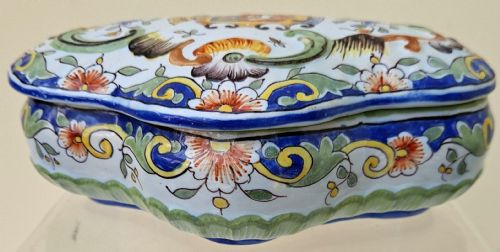
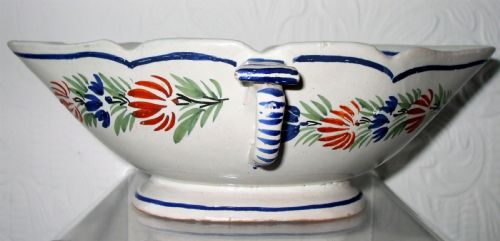
Tin Glazed Ceramic Dish
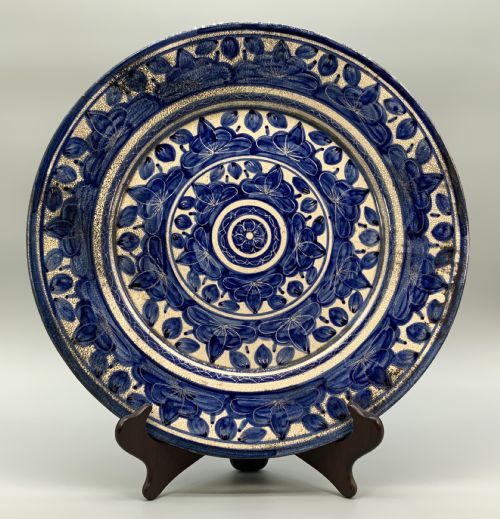
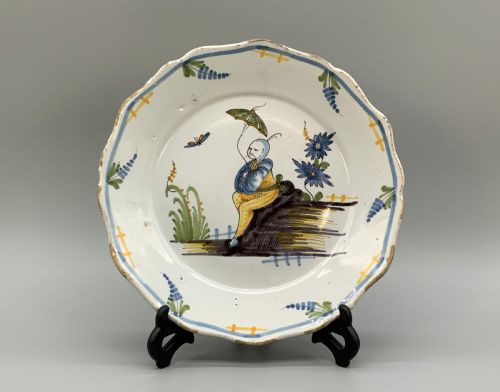
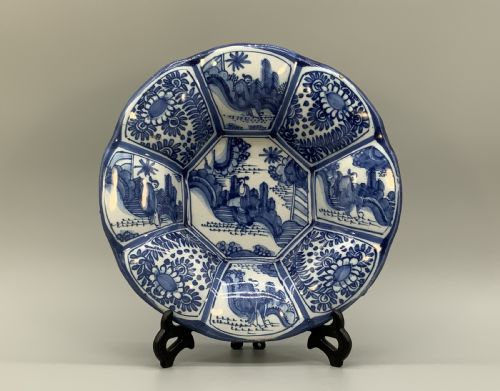
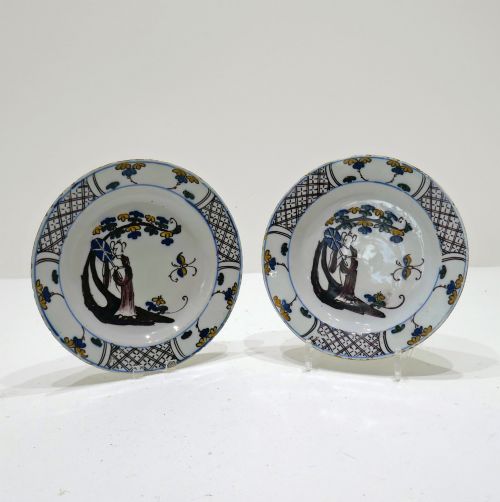
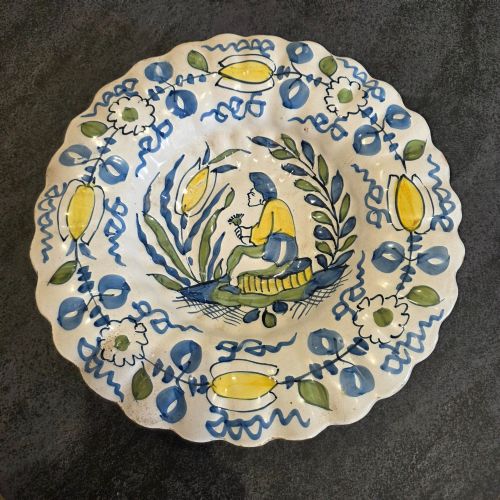
A tin glazed ceramic dish brings centuries of painted tin-glazed earthenware and faience into a room, offering bold blue and white or polychrome panels that collectors prize for their rich pigment depth.

Tin Glazed Ceramic Dish
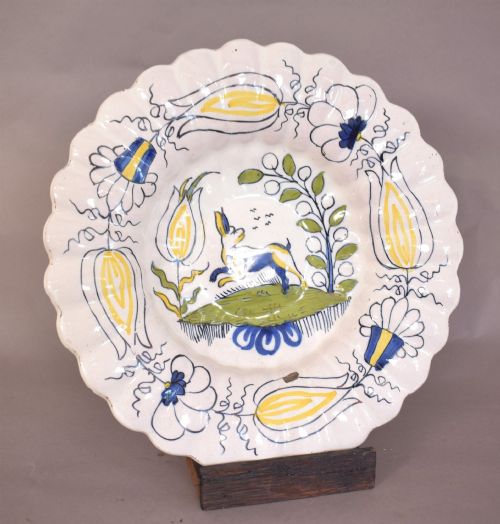
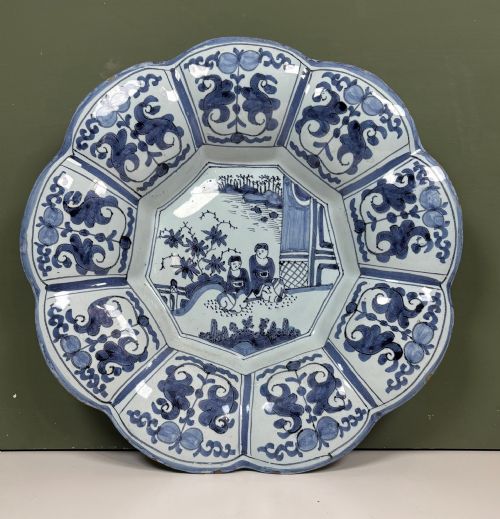
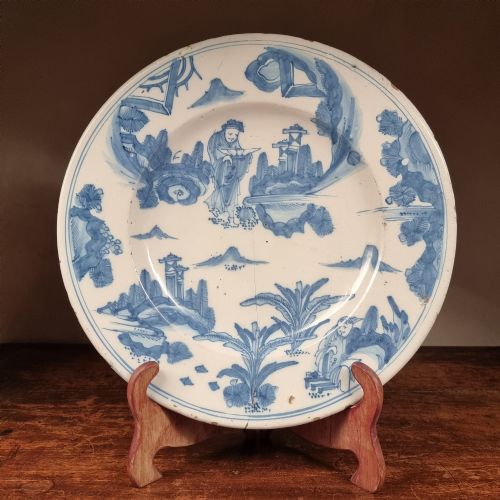
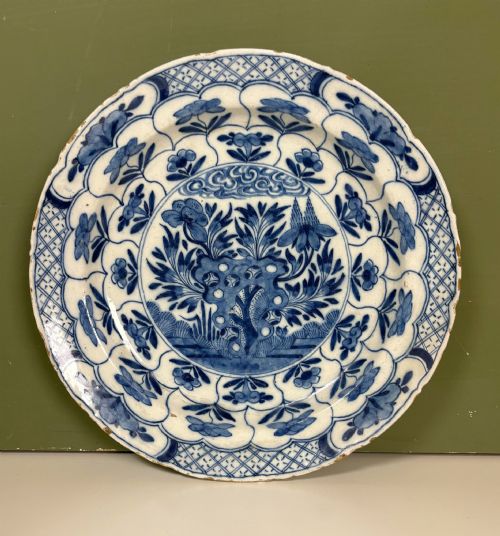
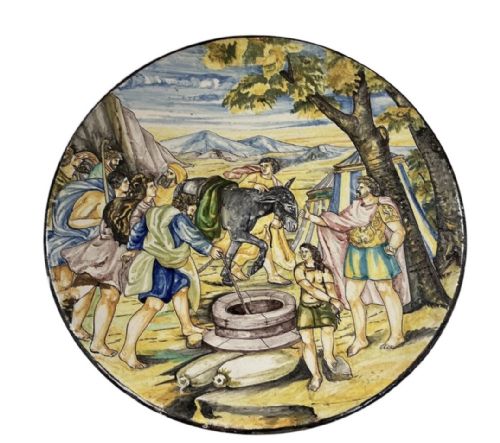
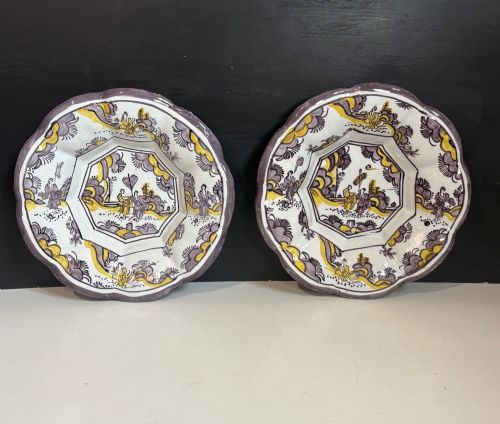
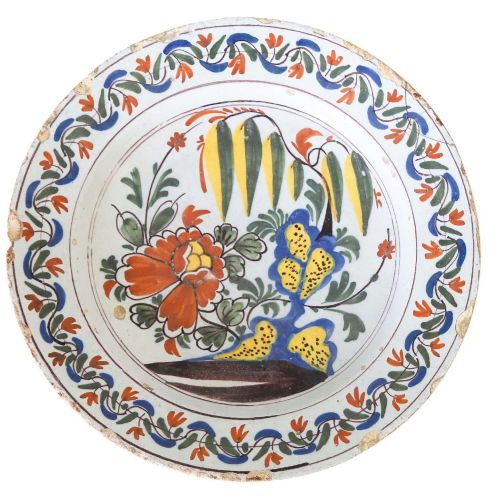
A tin glazed ceramic dish encompasses large chargers, shallow bowls, plates, and specialised forms such as barber's bowls, sauceboats, and salt cellars spanning several centuries. The selection leans heavily toward eighteenth-century English and Dutch delftware alongside seventeenth-century examples and continental faience.
Buyers encounter substantial wall-hanging chargers decorated in blue and white or polychrome palettes alongside smaller domestic plates. Regional styles range from English delftware and Dutch Baroque to French faience and Italian maiolica.
The category also includes nineteenth-century revival pieces and decorative wares produced in Quimper, Desvres, and Rouen. These pieces bridge utilitarian tableware and purely decorative display items.
Materials and Technique
Potters formed these pieces using earthenware clay, applying a tin glaze that fired into an opaque white surface suitable for holding pigments. Cobalt oxide provided the deep blues, whilst manganese, yellow, and other mineral oxides delivered polychrome tones.
Painters applied hand-painted decoration directly onto the unfired or raw glaze, where the porous surface absorbed the liquid pigment permanently. This required immense dexterity from the decorator, as any brush hesitation left an indelible mark in the fired glaze.
Barber's bowls feature a crescent-shaped cutout to fit snugly against a customer's neck during a traditional shave.
Judging Quality
Quality rests upon the crispness of the hand-painted brushwork and the stability of the tin glaze across the earthenware body. Pieces with fluid, confident pictorial scenes or botanical motifs command greater attention than rigid or heavily blurred decoration.
The brilliance of the white glaze and the depth of the cobalt or polychrome pigments dictate visual success. Superior examples retain a luminous surface gloss with minimal glaze pooling or distortion from the kiln firing.
HB Quimper·Desvres
The Tin Glazed Ceramic Dish Glossary
- Tin-Glaze
- A pottery glaze made opaque by the addition of tin oxide, creating a white background for painted decoration. This technique forms the foundation of European delftware and faience.
- Charger
- A large decorative plate intended primarily for display on a wall or dresser rather than daily dining use. These pieces often measure over thirty centimetres across.
- Polychrome
- Decoration employing multiple colours rather than a single pigment like cobalt blue. Painters typically used yellow, green, manganese purple, and red alongside blue.
- Delftware
- Tin-glazed earthenware produced in the Netherlands and England, famous for blue and white Chinoiserie and floral patterns. The term denotes both the Dutch origin and the English adaptation.
- Faience
- The continental European term for tin-glazed earthenware, particularly associated with French, Spanish, and Italian workshops. Production centres like Rouen and Quimper developed distinct regional aesthetics.
Tin Glazed Ceramic Dish: Frequently Asked Questions
What is a tin glazed ceramic dish?
It is an earthenware vessel coated in an opaque white tin glaze and decorated with hand-painted mineral pigments. These range from domestic plates and dishes to large ornamental chargers.
Potters across England, France, Holland, and Italy produced these items over multiple centuries, utilising styles from Chinoiserie to floral polychrome.
How were these dishes used originally?
Many large chargers and plates served as decorative display items on walls or sideboards in prosperous homes. Smaller bowls and dishes functioned as tableware, sweetmeat containers, or barber's basins.
Specialised forms like salt cellars and sauceboats held provisions at formal dining tables during the seventeenth and eighteenth centuries.
How do I date a tin glazed dish?
Dating relies on stylistic clues, palette choices, body thickness, and tin glaze characteristics. Seventeenth-century pieces often feature thick earthenware bodies and Kraak-influenced designs.
Eighteenth-century examples typically show finer potting and brighter palettes, while nineteenth-century revival pieces display heavier manufacturing techniques or specific workshop marks.
How should I display antique delftware?
Large chargers look striking mounted securely on walls using specialist brass wire hangers designed for antique plates. Smaller dishes and bowls suit placement in shallow cabinets or on plate rails.
Keep these ceramic pieces away from direct sunlight and damp environments to protect the porous earthenware body and historic glaze.