


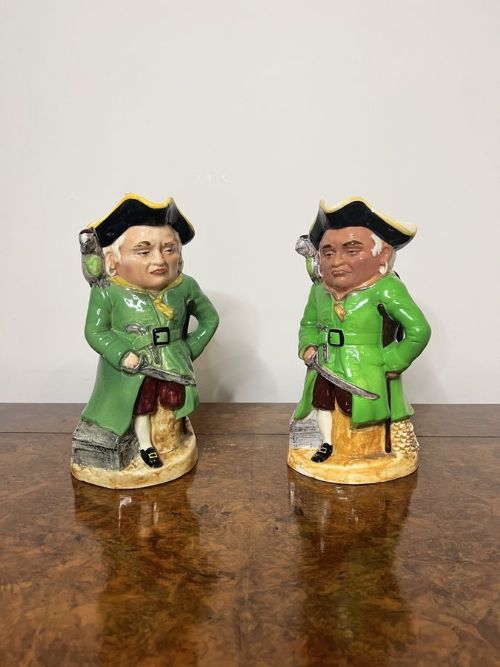

Victorian Character Pitcher
These Victorian character pitchers bring spirited Victorian personality to your shelf through glazed earthenware and polychrome paint.

Victorian Character Pitcher
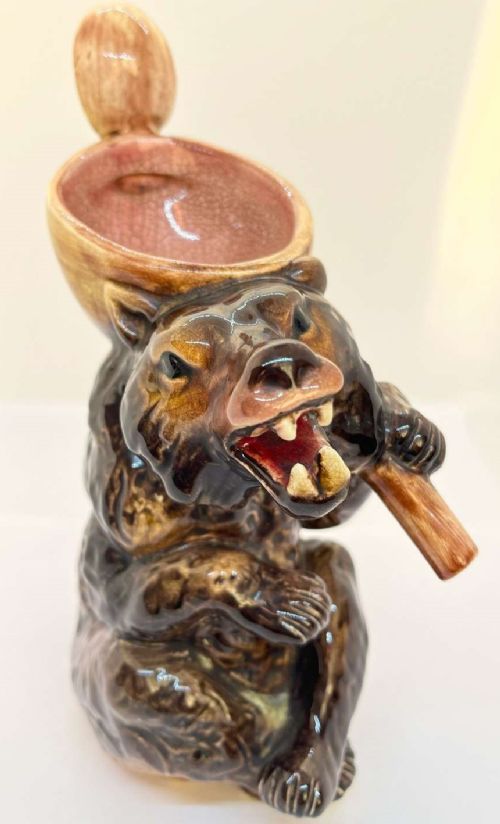
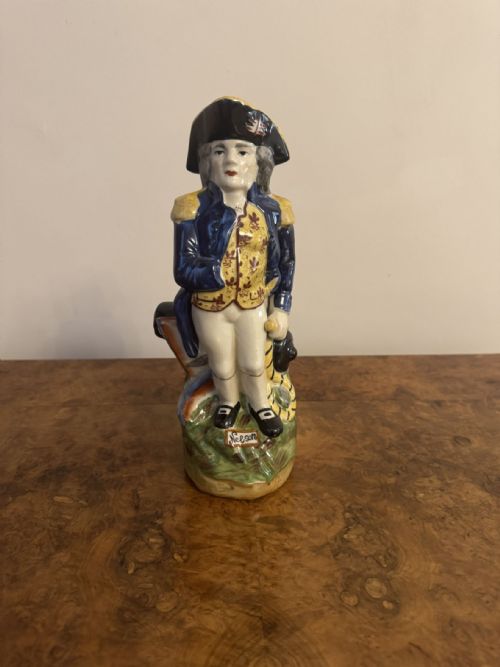
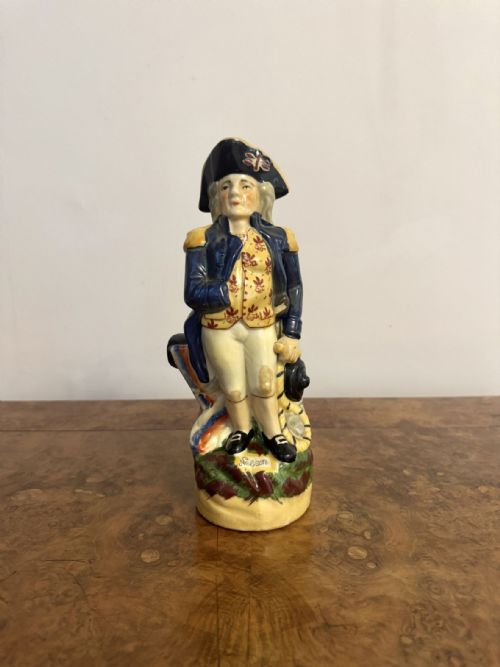
When you search for a victorian character pitcher, you encounter earthenware vessels shaped into human figures, historical commanders like Lord Nelson, and animals such as spaniels. These pieces hail from the nineteenth century, with forms ranging from eighteen-fifty to nineteen hundred.
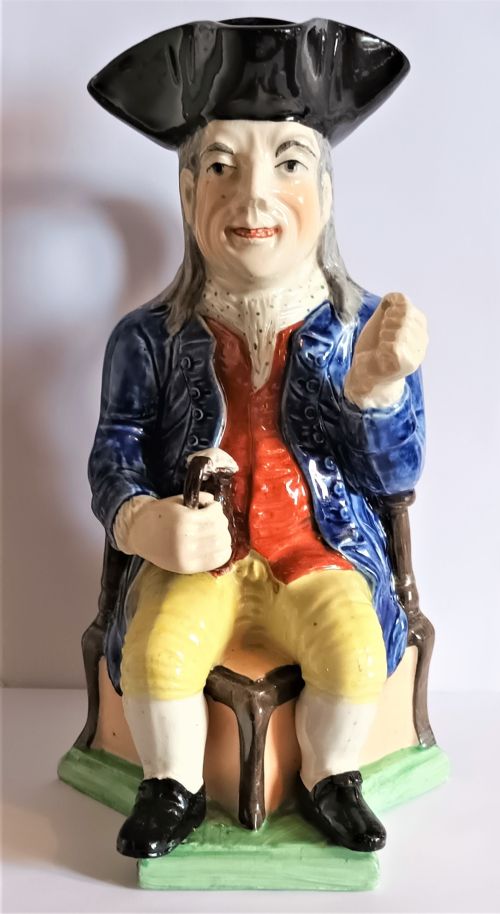
The versions you meet most frequently on this page are Staffordshire pottery and Dutch Delftware Toby jugs. Makers produced these functional vessels to serve drink while also depicting distinct characters such as Mr Snuff and the Squire.
The form spans straightforward jugs and pitchers to vessels that double as vases. Earthenware construction underpins nearly every piece, finished with lead glazes and enamel paint.
How they were made
Potters shaped these vessels using earthenware clay, moulding the distinct figures of admirals, squires, and animals in relief. The resulting forms received hand-applied paint in polychrome palettes before firing.
Listings span the nineteenth century from eighteen-fifty to nineteen hundred, utilising earthenware, lead glaze, and enamel paint.
What varies in quality
Quality in a victorian character pitcher rests upon the crispness of the moulded details and the precision of the hand-painted enamels. Finer examples display sharp facial expressions and clean application of polychrome pigments across the earthenware body.
Holdcroft
The Victorian Character Pitcher Glossary
- Earthenware
- A porous pottery body fired at lower temperatures, requiring a glaze to hold liquids. It forms the structural base for these jugs and pitchers.
- Lead glaze
- A glossy coating containing lead oxide applied to earthenware before firing. It creates a waterproof surface that deepens the appearance of the underlying clay and paint.
- Staffordshire pottery
- Ceramics produced in the Staffordshire region of England during the nineteenth century. This tradition accounts for many of the figurative Toby jugs found here.
- Toby jug
- A pottery jug shaped as a full-bodied person, typically a seated figure holding a mug or jug. They form a core category of the character pitchers on this page.
Victorian Character Pitcher: Frequently Asked Questions
What is a victorian character pitcher?
A victorian character pitcher is an earthenware vessel modelled into the shape of a human figure or animal, produced during the nineteenth century. These pieces often depict recognizable figures such as Lord Nelson or fictional characters like the Squire.
Potters combined sculptural moulding with hand-painted enamel decoration to give each pitcher a distinct personality. They served functional roles in the home while doubling as decorative tablewares.
How were character pitchers used?
These pitchers served as functional vessels for pouring beverages at the table during the nineteenth century. Their sturdy earthenware construction and generous handles made them practical for daily use.
Beyond service, their engaging figurative designs meant they spent time displayed on sideboards and shelves. They combined utility with entertaining portraiture that sparked conversation among guests.
What materials make up these jugs?
These jugs consist primarily of earthenware ceramic bodies formed through moulding techniques. Potters then coated the clay with lead glaze to create a durable, non-porous surface.
Enamel paints provided the colour for the clothing, faces, and decorative borders. The combination of ceramic, glaze, and paint defines the physical makeup of every piece.