


A 2026 Guide by Sellingantiques
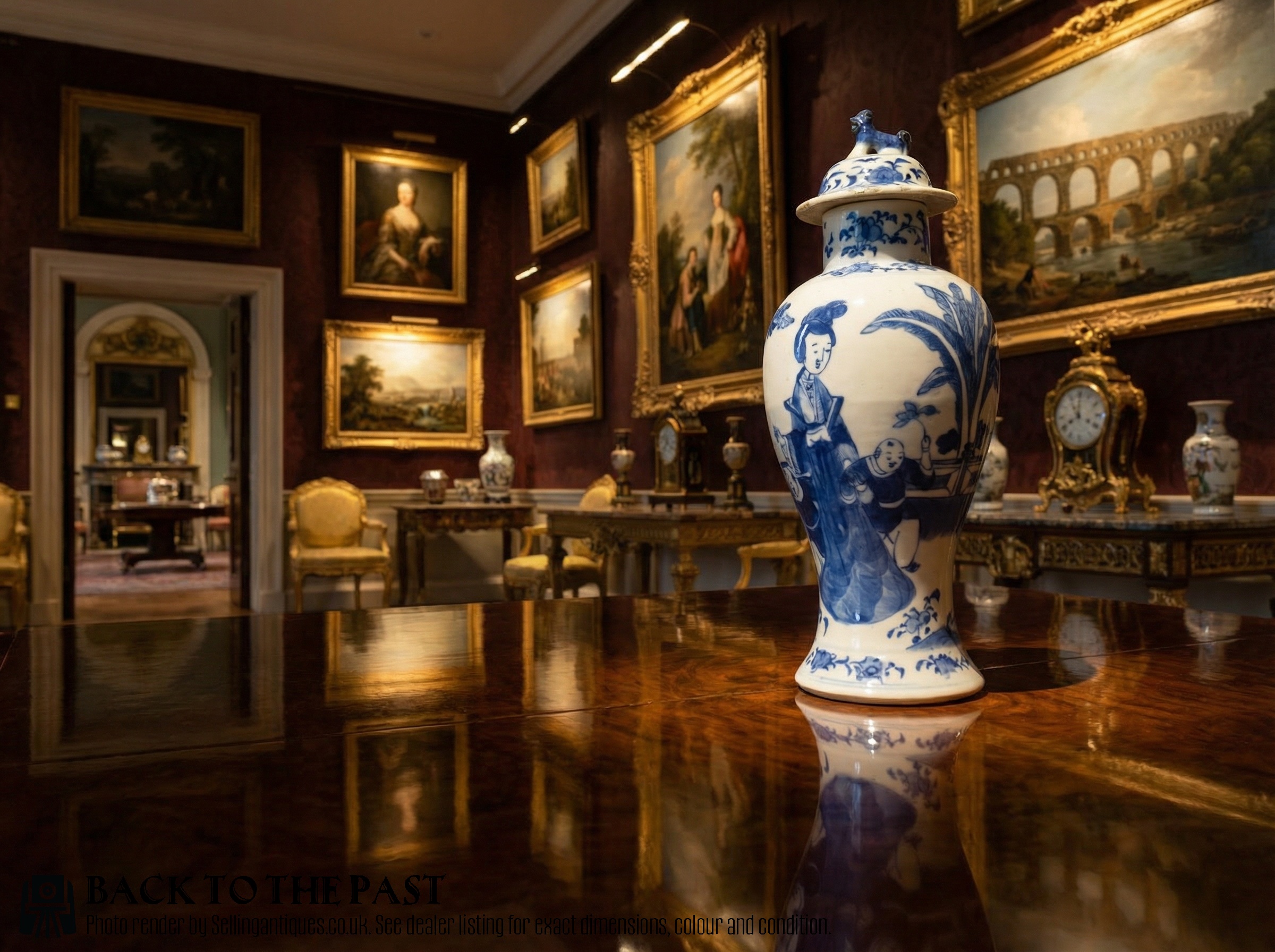
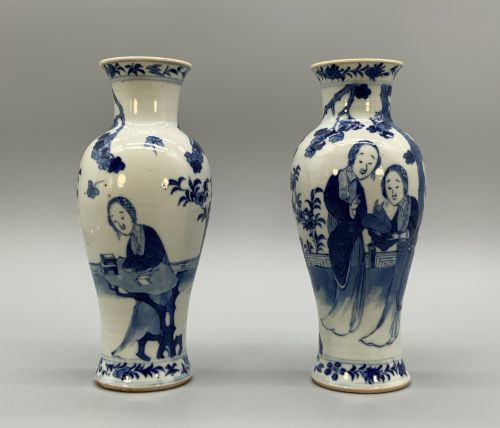
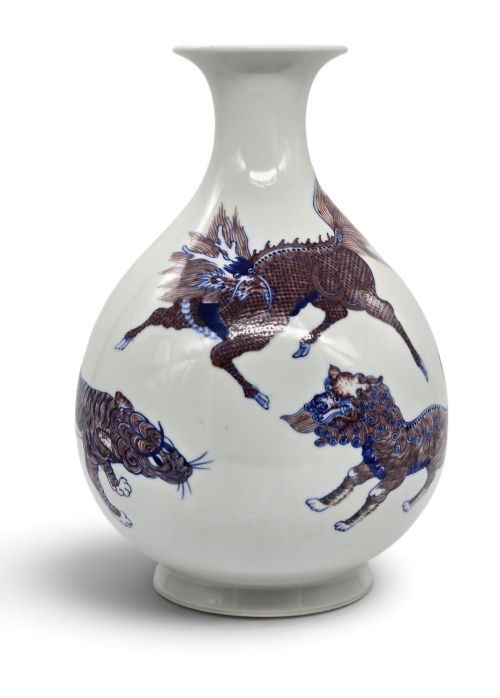
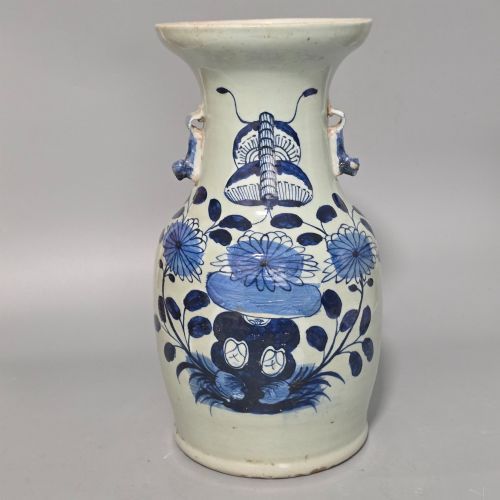
19th Century Chinese Blue and White Vase, 19th Century
Priced at £475 from Shackladys Antiques
Chinese potters perfected underglaze cobalt decoration during the Yuan dynasty.
Huge shipments of antique blue and white vases arrived in Europe via trade companies during the seventeenth century.
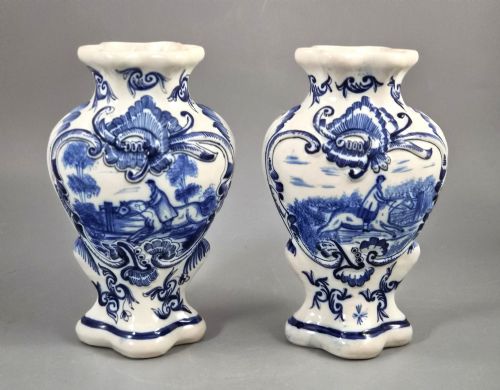
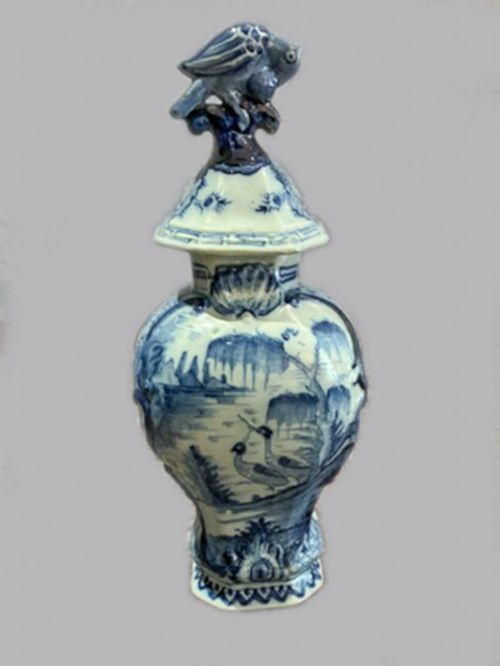
Dutch makers at Delft soon began copying the imported Chinese porcelain using local tin-glazed earthenware.
Look at eighteenth-century English factories like Bow. They developed soft-paste porcelain to compete directly with Asian imports.
Transfer printing allowed Staffordshire potteries to mass-produce these wares for nineteenth-century homes.
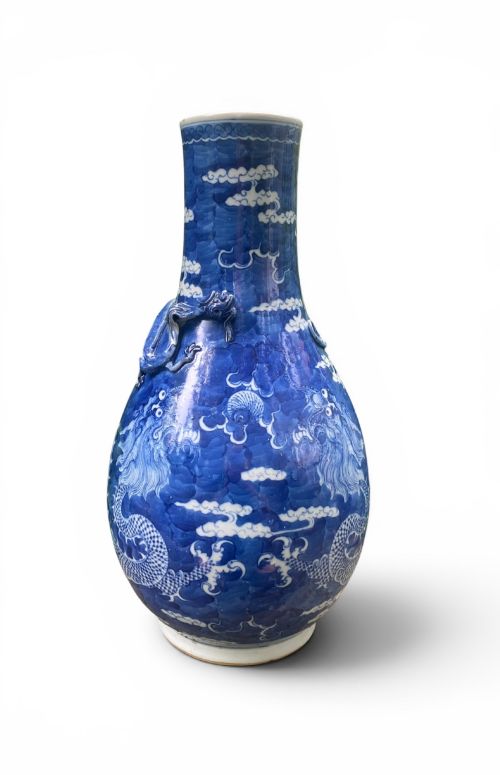
Jingdezhen kilns produced the vast majority of Chinese export porcelain during the Ming and Qing dynasties.
Factories like Spode developed early transfer-printed designs on earthenware from the late eighteenth century.
Identify Royal Worcester pieces by their date ciphers. Earlier Worcester wares rely on painted crescent marks.
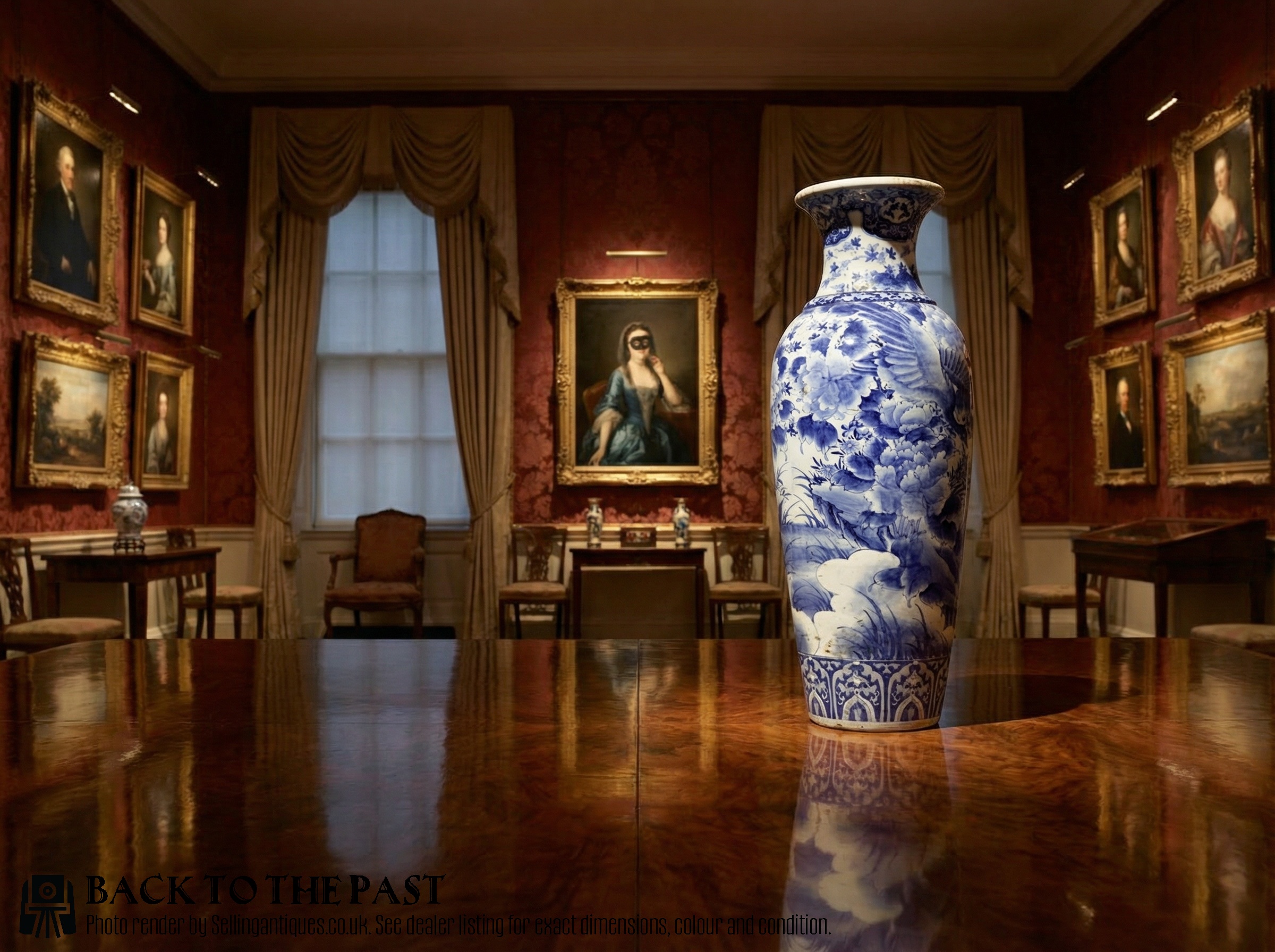
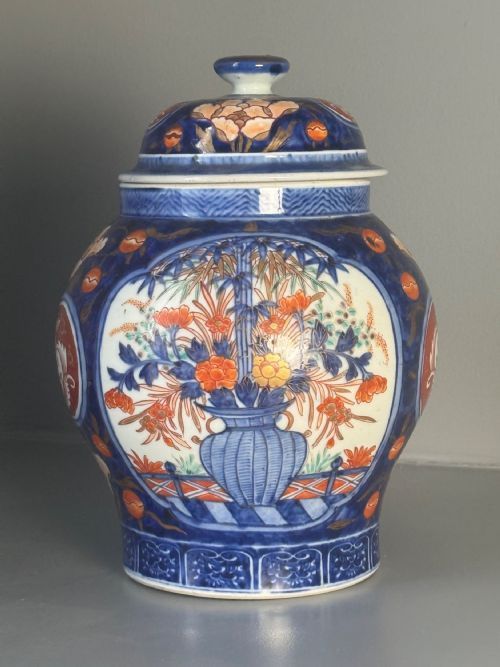
Large 19th Century Japanese Vase, 19th Century
Priced at £1,380 from Jake Wright Antiques Ltd.
The 2026 retail price guide for Antique Blue And White Vases is drawn from a proprietary archive of over 1.1 million retail prices indexed by Sellingantiques since 2003. This guide relies exclusively on their own internal data; no external sources or auction records are used.
Analysing nearly 25 years of UK antique market history alongside current retail values, the data indicates that typical UK retail prices for Antique Blue And White Vases range between £400 and £2,900. Entry-level prices generally fall under £400 and premium examples upwards of £2,900.
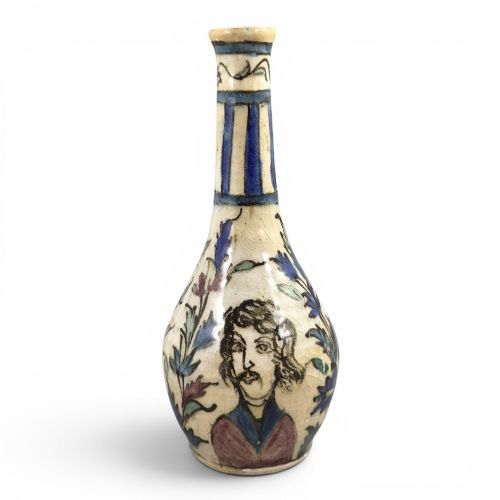
Most antique blue and white vases feature painted landscape scenes or geometric bands around the neck.
Turn it over. The foot rim usually remains unglazed so it doesn't stick to the kiln shelf.
Shapes range from simple cylindrical forms to complex baluster bodies with flared rims.
Throwing clay on a wheel creates the basic rounded shapes. Makers often moulded hexagonal bodies instead.
Painters applied the pigment directly onto porous unfired clay. Mistakes absorbed instantly and could not be erased.
Watch for seams on later printed wares. Tissue paper carrying the ink had to be joined around curved surfaces.
"Many early designs incorporate hidden rebuses. Painted objects sound like auspicious words in the Chinese language."
"European potters sometimes sent plain fired vases overseas to be decorated by skilled enamellers in different countries."
"Cobalt was often ground by hand for days to achieve the smoothest possible wash of colour under the glaze."
Based on almost 25 years of Sellingantiques UK antique market data, Antique Blue And White Vases appeared 778 times (out of 1,100,000 antiques) which gives it a rarity score of 86/100.
This score measures scarcity within the Sellingantiques archive only and is not a survey of the entire antiques market, so these statistics may not be indicative of the general availability of Antique Blue And White Vases elsewhere.
Soak the interior with warm biological washing powder. The enzymes break down old organic residue.
Never use bleach. It can seep into fine crazing lines and cause long-term damage.
Those holes indicate your piece originally had a fitted cover. Makers often pierced the neck of a vessel to allow a metal mount to secure the lid.
Lids often break or get separated from their bases over the centuries. Many of these objects survive today as open vases despite starting life as covered jars.
Hard-paste porcelain generally holds water well. The dense clay body is non-porous and resists leaking.
Earthenware and soft-paste porcelain present more risk. Moisture can seep through crazed glazes and cause dark staining within the clay body itself.
Slip a simple glass jar inside the antique vase to hold the water and protect the ceramic.
This blurring is known as flow blue. Victorian potters intentionally added a chemical to the kiln during firing. This caused the cobalt pigment to spread slightly into the surrounding glaze.
The resulting hazy effect became popular in the nineteenth century. It masked minor printing errors and gave the wares a distinct appearance.
Please note: This Antique Blue And White Vases guide and its associated pricing data are provided for general informational purposes only. It does not constitute formal financial, investment, or appraisal advice and should not be relied upon as the sole basis for any commercial activity, purchasing, or sales decisions. Sellingantiques.co.uk accepts no liability for any actions taken in reliance on this information. Always consult with a qualified professional or independent appraiser.
