
A 2026 Guide by Sellingantiques
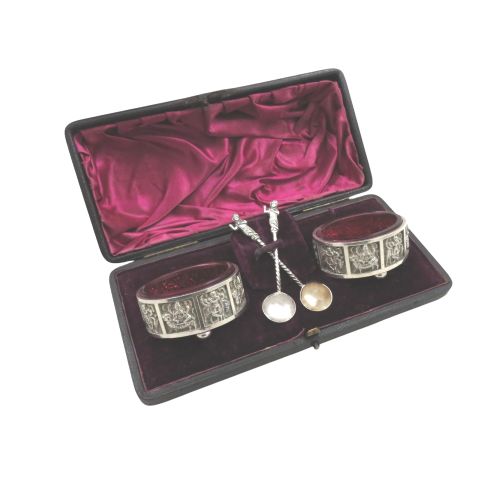
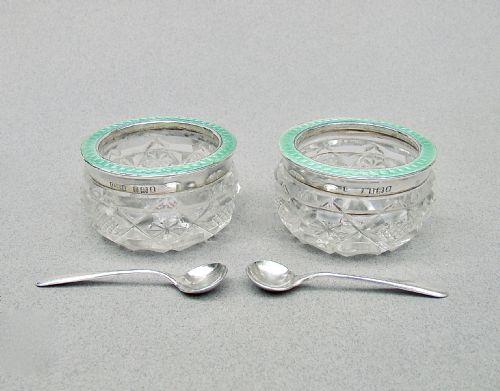
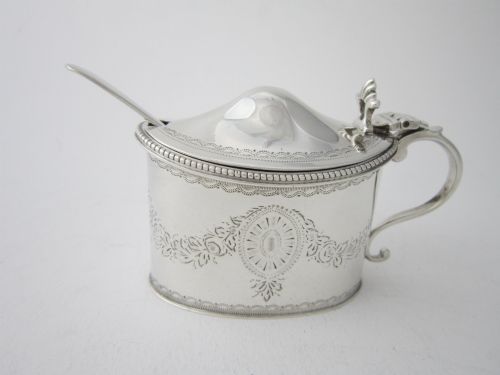
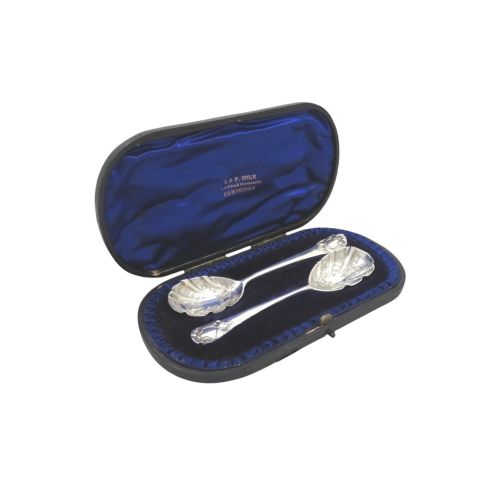
George V Cased Four Piece Solid Sterling Silver Condiment Set by Viners, Sheffield, 1930
Priced at £585 from London City Antiques
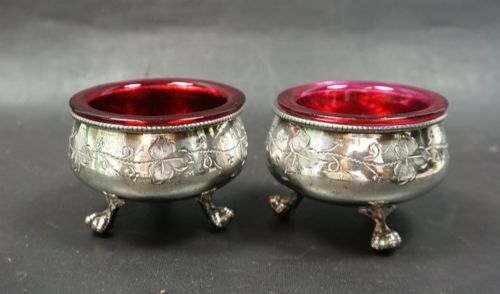
Dining habits shifted during the eighteenth century. Elaborate centrepieces gave way to smaller individual cruet sets and castors passed around the table.
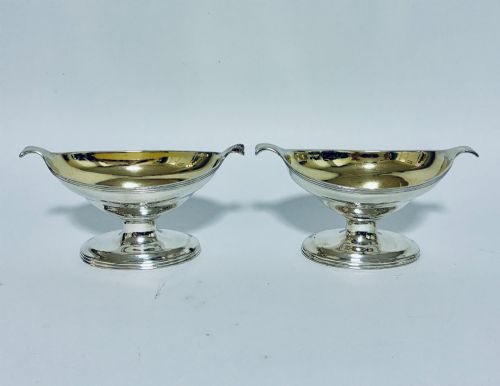
Salt was once a luxury requiring a massive ceremonial vessel. Later Georgian tables relied instead on sets of four or six small open cellars.
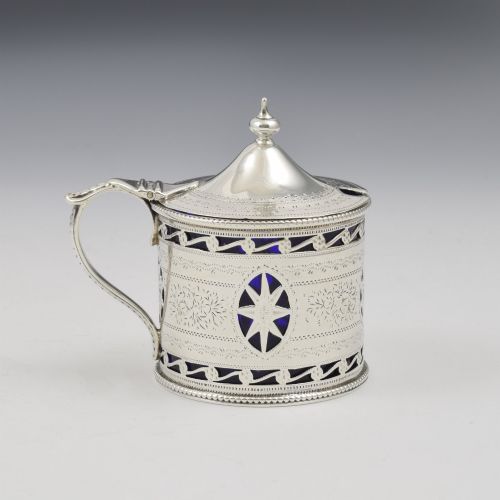
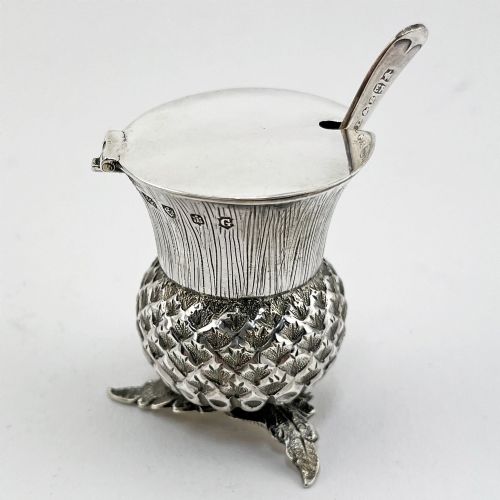
Look at how mustard pots evolved. Early forms were dry casters before wet mustard became fashionable, requiring a hinged lid and a glass liner.
Mechanisation changed the trade. Stamped parts replaced heavy cast components as the nineteenth century progressed.
Hester Bateman produced many pierced condiments in late eighteenth-century London. Her workshop focused on thin-gauge silver with bead borders.
Paul de Lamerie crafted heavy cast cruet sets earlier in the same century. His rococo pieces feature dense asymmetrical decoration.
Try to find pieces by Paul Storr. Operating in the early nineteenth century, his workshop supplied massive, classical dining silver.

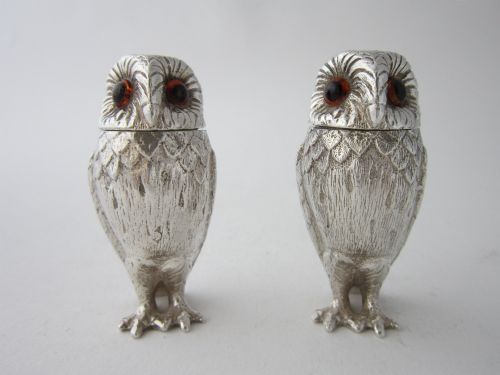
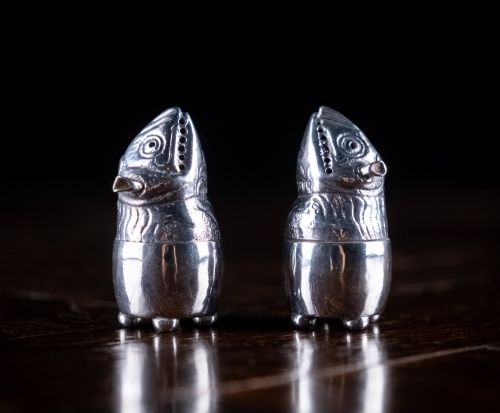
Elizabeth II Silver Set of Owl Salt, Pepper and Mustard, London 1967
, 1960
Priced at £1,795 from Highland Antiques Ltd
The 2026 retail price guide for Antique Silver Condiments is drawn from a proprietary archive of over 1.1 million retail prices indexed by Sellingantiques since 2003. This guide relies exclusively on their own internal data; no external sources or auction records are used.
Analysing nearly 25 years of UK antique market history alongside current retail values, the data indicates that typical UK retail prices for Antique Silver Condiments range between £200 and £900. Entry-level prices generally fall under £200 and premium examples upwards of £900.
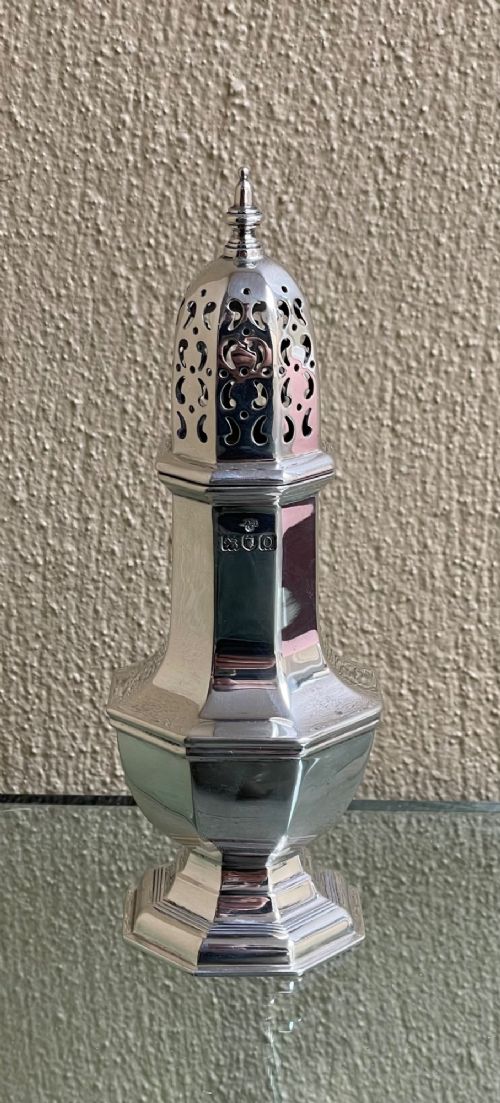
Casters often have pierced pull-off covers. The piercing patterns range from simple drilled holes to complex scrolling foliage.
Look for the small spoon notches. A proper mustard pot always leaves a gap in the rim or lid to hold the ladle.
Feet vary widely on these sets. You will find everything from plain pedestal bases to applied cast animal paws on Georgian examples.

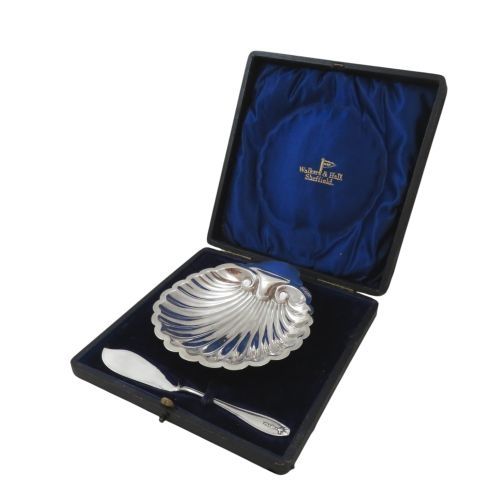
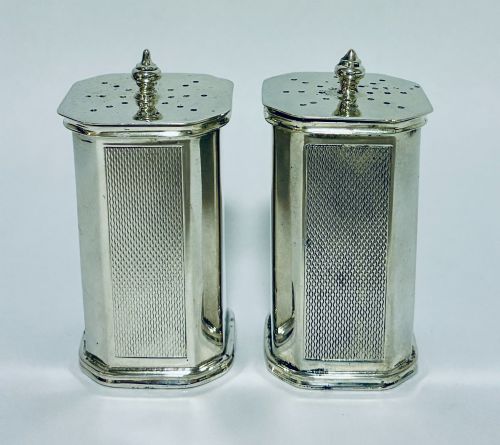
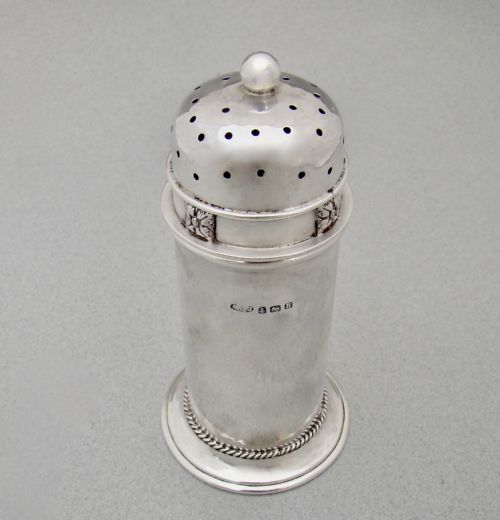
An Edwardian Silver Salt Tub & Pepper Pot, Edwardian
Priced at £135 from Andrew Cox Antiques
Silversmiths often raised early bowls from a single flat sheet. They hammered the metal over anvils to form a seamless vessel.
Pierced decoration required endless patience. A craftsman hand-cut complex geometric patterns into the metal using a tiny jeweller's saw.
Cast elements were soldered on later. Feet, handles and heavy rims were formed in sand moulds before being attached to the main body.
"Many early cruet frames include a small silver label. These handy rings hung around glass bottle necks to identify the dark sauces inside."
"Silversmiths purposefully weighted the bases of tall casters. This hidden lead or pitch kept the narrow towers from tipping over easily."
"A full matching set is a rare survivor. Families often grouped together similar pieces from different makers over generations to complete a table."
Based on almost 25 years of Sellingantiques UK antique market data, Antique Silver Condiments appeared 1087 times (out of 1,100,000 antiques) which gives it a rarity score of 80/100.
This score measures scarcity within the Sellingantiques archive only and is not a survey of the entire antiques market, so these statistics may not be indicative of the general availability of Antique Silver Condiments elsewhere.
Wash the silver body gently in warm soapy water. Never submerge the piece if it has a wooden base or felt bottom.
Dry it immediately with a soft cotton cloth. Silver polish should only be used rarely when heavy tarnish develops.
Yes, they are practical for modern dining. Just ensure the glass liner is intact before spooning in the salt.
Always empty the salt out after the meal to prevent pitting.
Cased sets often did include spoons when they left the silversmith. These small condiment ladles were held in dedicated slots cut into the velvet lining.
Spoons are easily lost over the decades. Families frequently used them for other tasks, meaning many surviving cased sets now have empty slots or mismatched replacements.
Finding period-correct spoons to fill the gaps is a common task. Dealers often keep a box of loose salt spoons for this exact purpose.
Silver is soft and deforms easily. Prying a tight lid with a tool will warp the metal and ruin the rim.
Try holding the base in one hand and gently rocking the cap back and forth. Sometimes a tiny drop of mineral oil applied to the seam helps ease the friction on a stubborn fit.
Please note: This Antique Silver Condiments guide and its associated pricing data are provided for general informational purposes only. It does not constitute formal financial, investment, or appraisal advice and should not be relied upon as the sole basis for any commercial activity, purchasing, or sales decisions. Sellingantiques.co.uk accepts no liability for any actions taken in reliance on this information. Always consult with a qualified professional or independent appraiser.
