



A 2026 Guide by Sellingantiques
Developed from the heavy medieval armoire. These enclosed forms gave households a dedicated space to keep textiles away from damp walls.
By the eighteenth century, the typical antique hall cupboard emerged in more domestic proportions. They started appearing in daily entry spaces rather than just grand manor corridors.
Look at the panel configuration. It often reflects the architectural panelling practice popular in the specific region where the piece was built.
Hanging rails weren't standard early on. Many originally relied on simple wooden pegs driven straight into the backboards.
Signed antique hall cupboards are scarce. Provincial joiners built most of them for local clients and didn't leave a maker's mark or paper label.
Regional workshops relied on local timber yards. A Welsh workshop produced different proportions and panel shapes compared to a joiner working in Yorkshire.
Gillows of Lancaster did produce domestic storage furniture in the late eighteenth century. Their stamped pieces occasionally turn up with sophisticated mahogany veneers.
The 2026 retail price guide for Antique Hall Cupboards is drawn from a proprietary archive of over 1.1 million retail prices indexed by Sellingantiques since 2003. This guide relies exclusively on their own internal data; no external sources or auction records are used.
Analysing nearly 25 years of UK antique market history alongside current retail values, the data indicates that typical UK retail prices for Antique Hall Cupboards range between £500 and £1,500. Entry-level prices generally fall under £500 and premium examples upwards of £1,500.
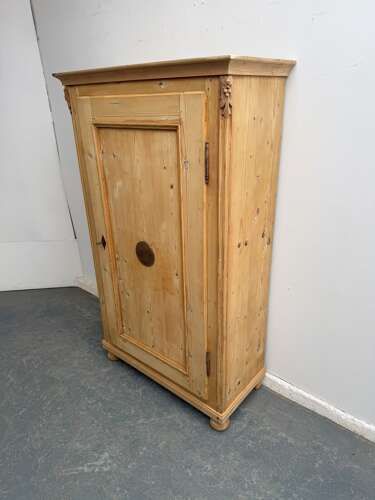
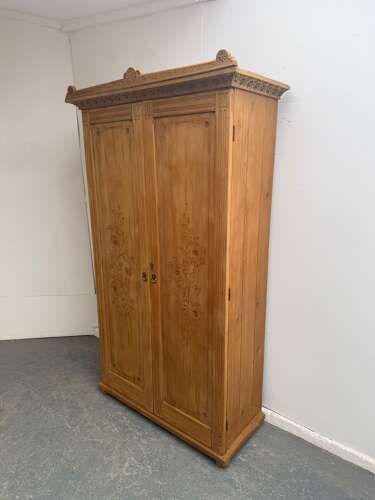
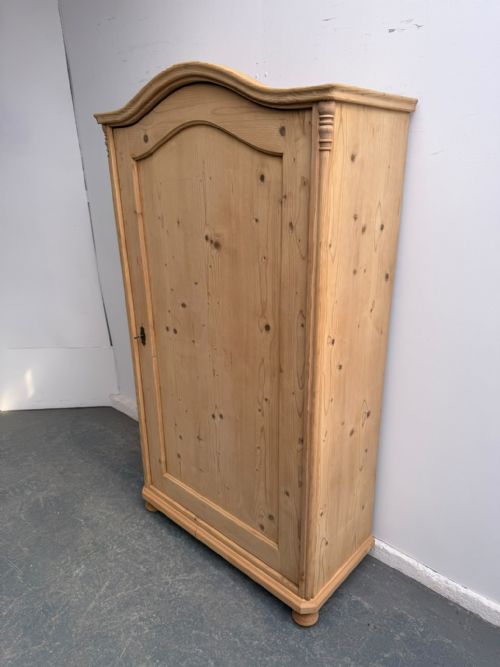
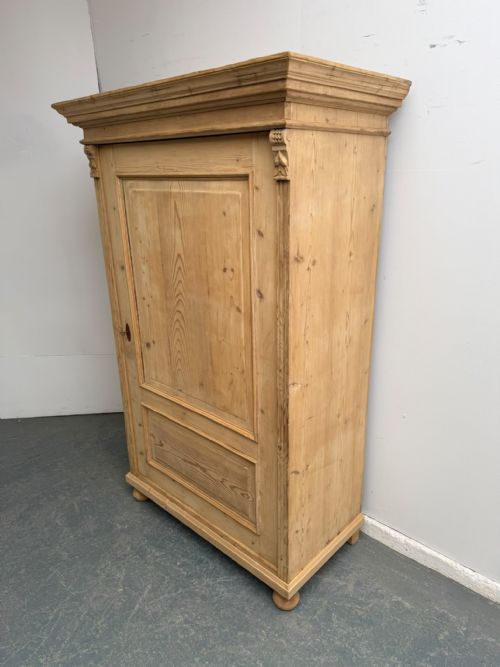
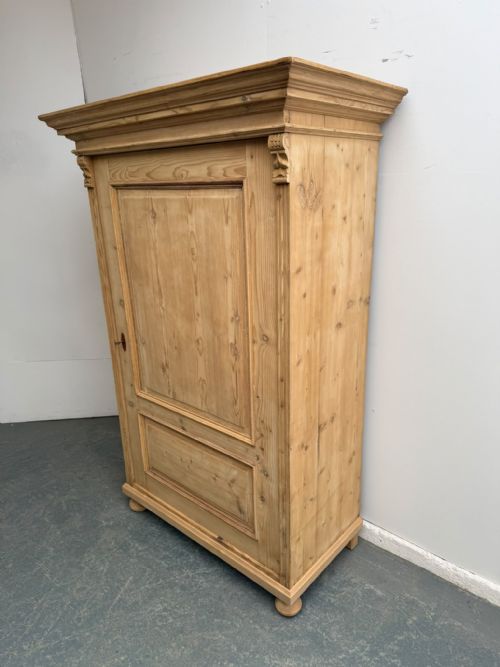
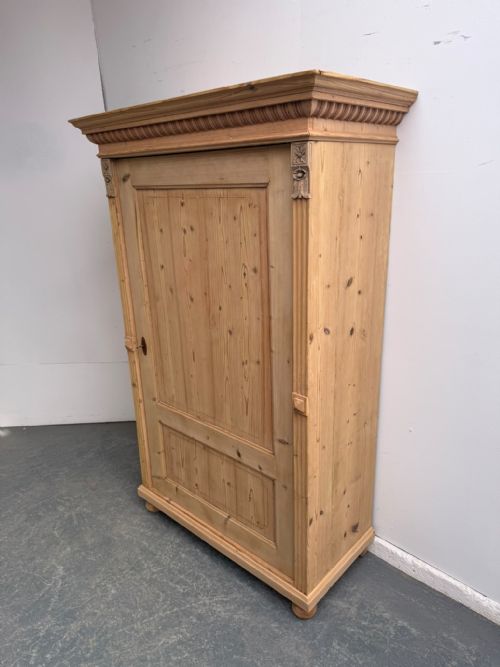
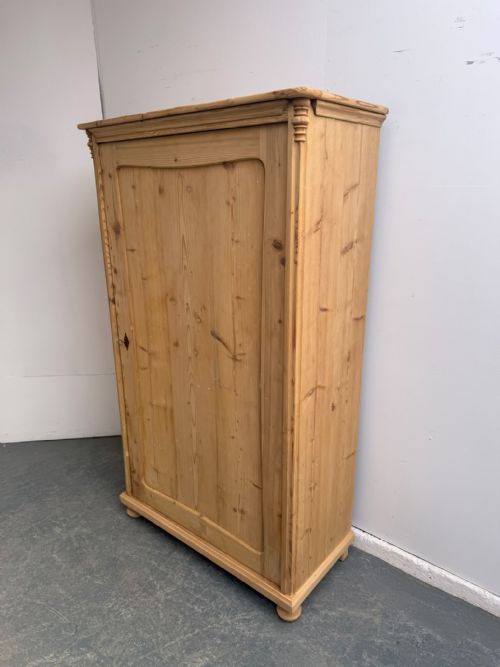
A heavy overhanging cornice is standard. This architectural mould sits at the very top and caps the entire carcase.
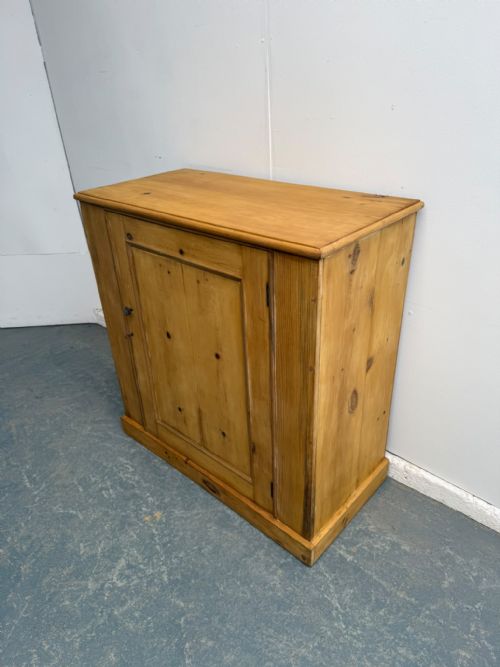
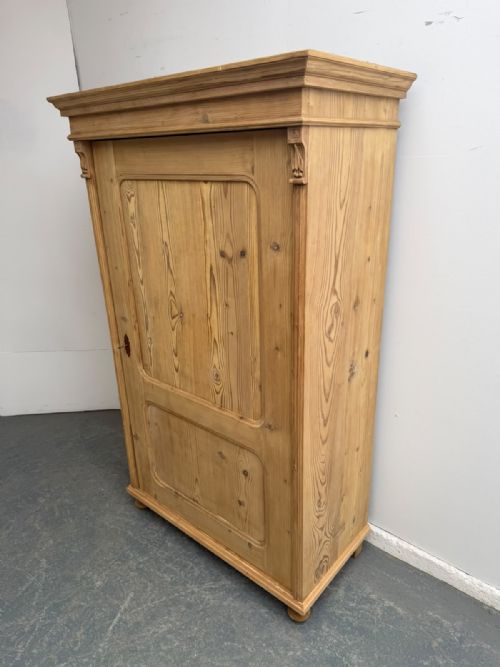
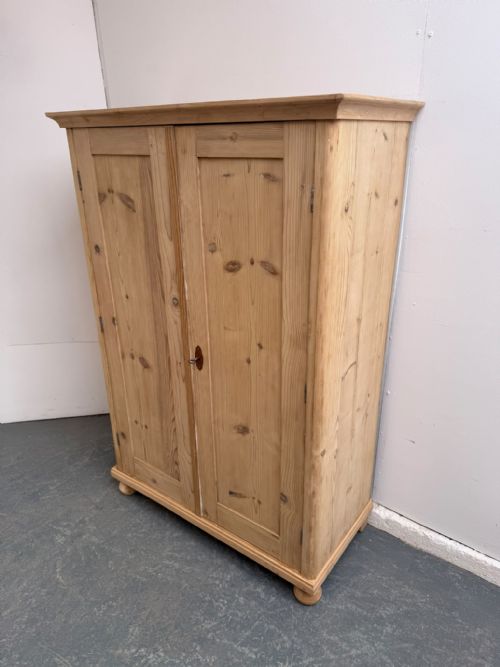
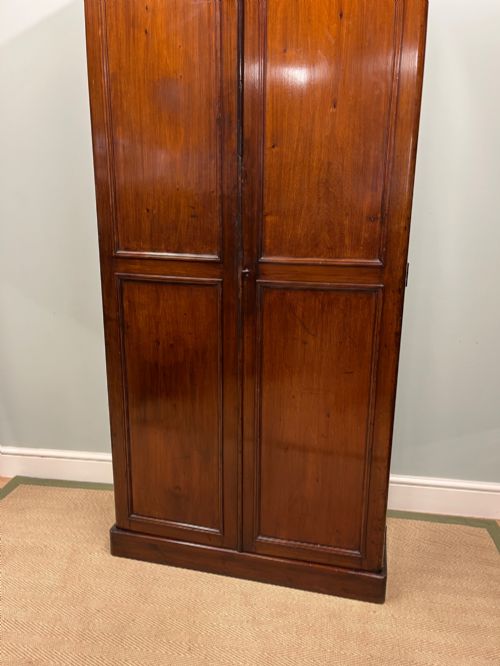
Panelled doors keep the weight down while stopping the frame from warping. The arrangement dictates the visual rhythm of the whole piece.
Turn the iron key. Large brass or iron lock plates are usually fitted to the right-hand door, securing both sides against a central rebate.
Early examples rely on frame and panel joinery. This method allows the solid timber to expand and contract with seasonal humidity without splitting.
Later Georgian workshops introduced flush doors covered in decorative veneers. These required a stable carcase wood beneath to prevent the thin surface from blistering.
Notice the drawer construction. Hand-cut dovetails bind the sides to the front, growing finer and narrower as the eighteenth century progressed.
"They're often built to break down into two pieces. The upper carcase lifts off the drawer base, making it possible to negotiate tight staircases and narrow doorways."
"Wooden pegs found inside were sometimes shaped from different timber. Craftsmen used whatever offcuts lay around the bench to fashion the hanging hooks."
"The deep cornice provided a hidden shelf. Households often stored seasonal items right on top of the carcase, out of sight from the ground."
Based on almost 25 years of Sellingantiques UK antique market data, Antique Hall Cupboards appeared 850 times (out of 1,100,000 antiques) which gives it a rarity score of 84/100.
This score measures scarcity within the Sellingantiques archive only and is not a survey of the entire antiques market, so these statistics may not be indicative of the general availability of Antique Hall Cupboards elsewhere.
Start with a soft brush or a vacuum attachment. Clear out any loose dust and debris that gathers in the corners of the base and along the shelf edges.
If the wood feels grimy, wipe the boards down with a slightly damp cloth. Don't saturate the timber, as old secondary woods like pine absorb moisture quickly.
Leave the doors wide open for a few hours. Letting air circulate ensures the interior dries out before you store any textiles or coats inside.
Gaps are quite normal for antique pieces. The backboards are usually made from thin planks of pine or oak tacked straight into the frame. Over centuries, central heating and dry indoor air cause these unsealed boards to shrink across the grain.
You can leave them exactly as they are. The gaps allow air to flow through the carcase, which stops damp building up around stored coats or linens.
Many do separate into two distinct sections. The large upper cupboard often lifts directly off a lower drawer base.
Check the sides where the sections meet. You'll likely find wooden blocks or simple alignment dowels holding the top half steady on the base.
This usually happens because the carcase is sitting on an uneven floor. If the whole structure leans slightly forward or twists to one side, gravity pulls the doors open on their iron hinges.
Try sliding a wooden shim or a wedge of folded card under the front feet. Levelling the base often corrects the door swing without any need to adjust the historic hinges or locks.
Please note: This Antique Hall Cupboards guide and its associated pricing data are provided for general informational purposes only. It does not constitute formal financial, investment, or appraisal advice and should not be relied upon as the sole basis for any commercial activity, purchasing, or sales decisions. Sellingantiques.co.uk accepts no liability for any actions taken in reliance on this information. Always consult with a qualified professional or independent appraiser.
