




White Ceramic Charger
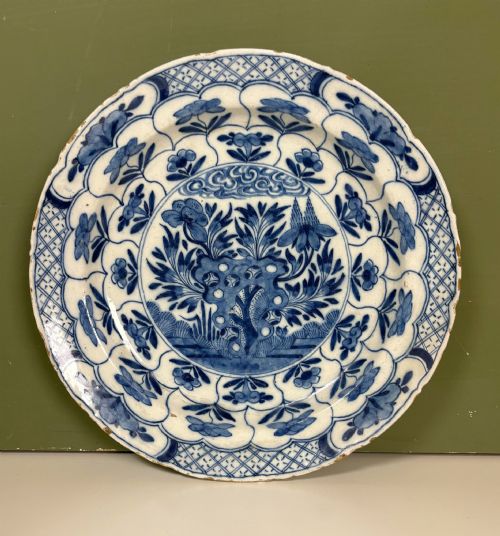
A white ceramic charger offers a wide, decorative surface that brings seventeenth-century Delftware or Chinese porcelain straight to a modern table or wall.

White Ceramic Charger
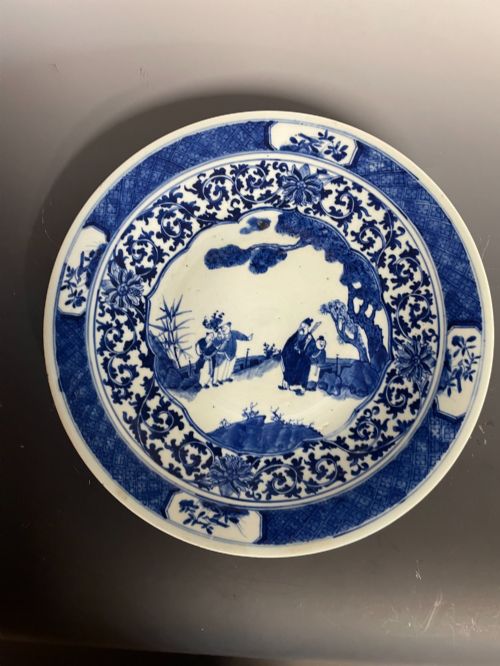
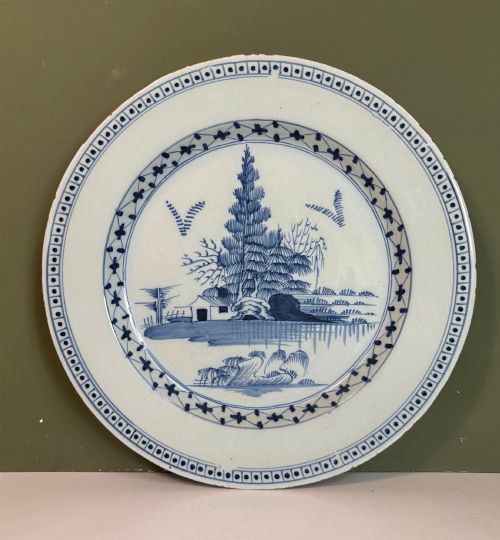
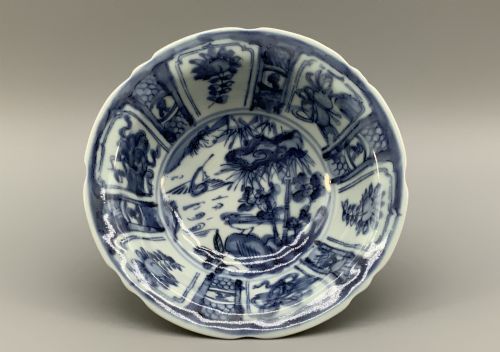
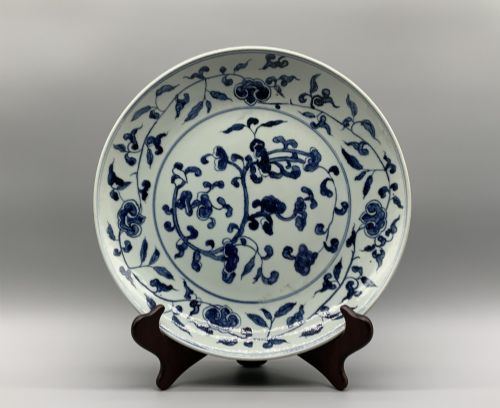
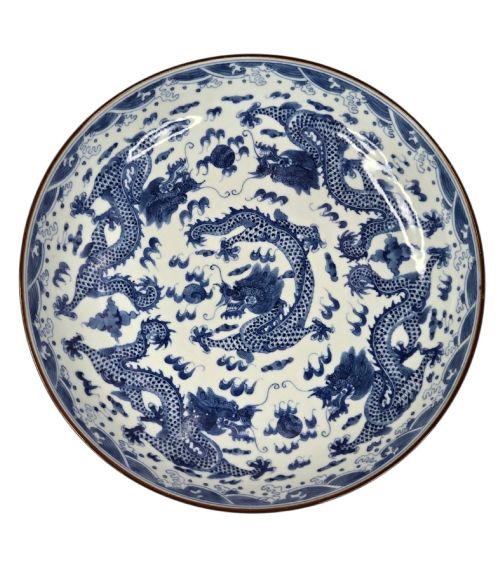
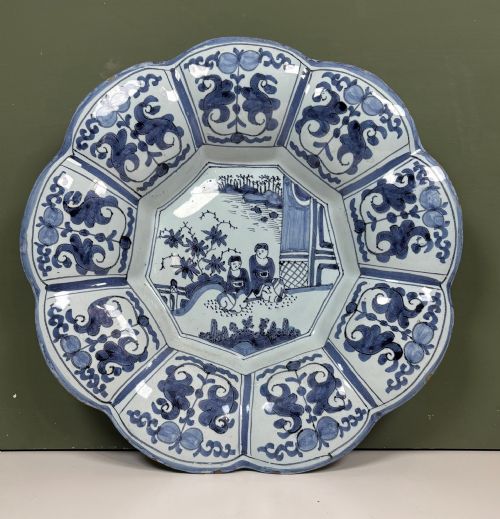
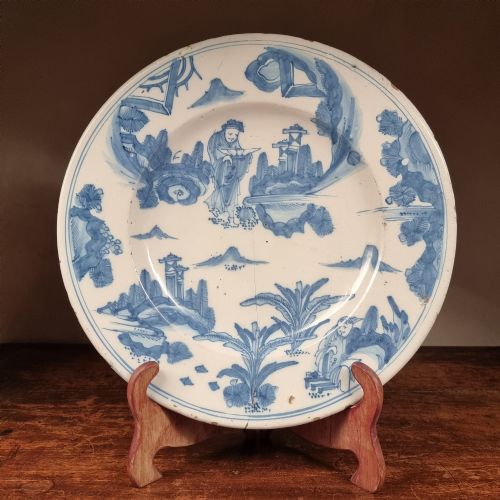
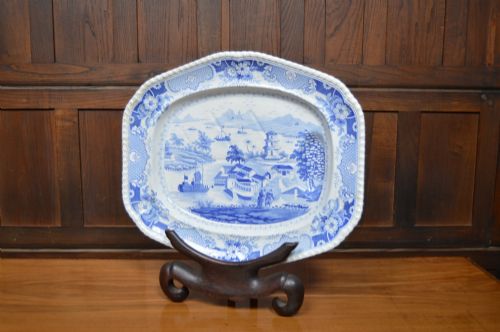
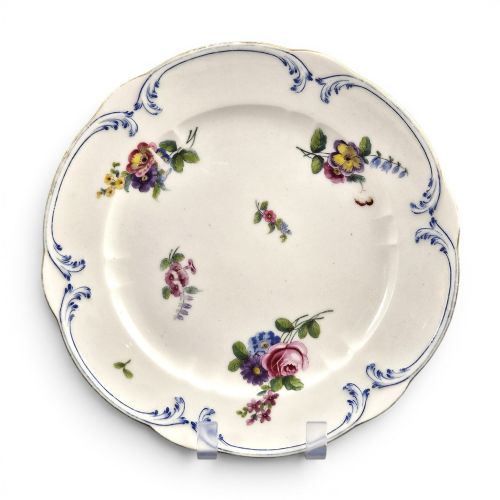
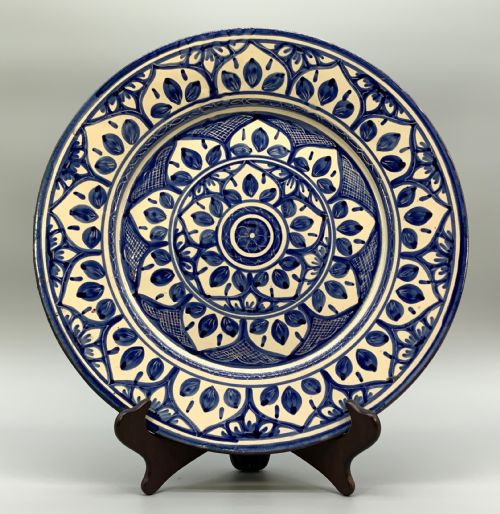
A white ceramic charger is a large decorative plate or serving platter spanning periods from the seventeenth century through to the twentieth century. These pieces encompass English, Dutch, and Spanish Delftware, alongside Chinese export porcelain and Japanese Arita Imari wares.
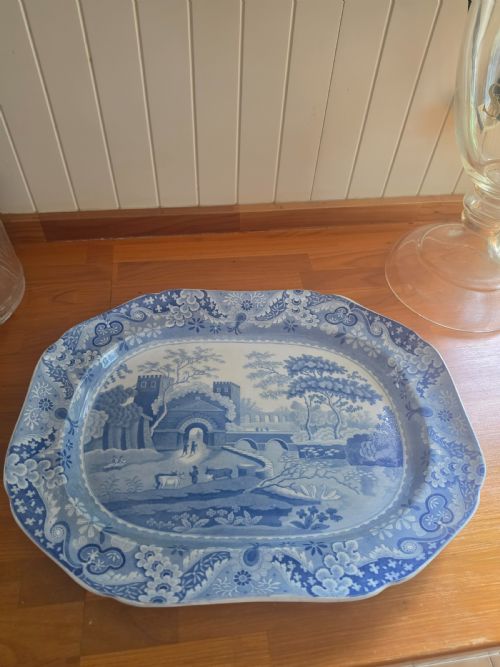
The most frequent examples found in this selection are eighteenth-century Delft chargers and nineteenth-century blue and white platters. They arrive in round, lobed, and silver-shaped formats, often decorated with cobalt pigment, manganese, or enamel.
Buyers select these objects for their strong visual presence and historical depth. They function equally well displayed on walls or used as centrepieces on large dining tables.
How they were made
Makers shaped these chargers from earthenware, creamware, saltglazed pottery, and soft-paste or hard-paste porcelain. Tin glaze provided an opaque white surface suitable for painting in cobalt pigment or polychrome enamel.
Potters threw earthenware and porcelain bodies on wheels or formed them in moulds before applying lead or tin glazes. Firing took place in traditional kilns, sometimes requiring multiple firings to fix delicate transferware patterns or overglaze enamel colours.
Listings feature earthenware, porcelain, and tin-glazed vessels spanning the seventeenth century through to the mid-twentieth century.
What varies in quality
Quality rests upon the crispness of the painted or transfer-printed design and the stability of the glaze. Finer pieces display confident brushwork in cobalt pigment or precise alignment in transfer-printed patterns such as Chinese Chinoiserie or English topographical scenes.
The weight and finish of the ceramic body also determine standard. Thicker, heavily potted earthenware chargers contrast with the delicate, thin walls of eighteenth-century Chinese export porcelain or French soft-paste plates.
John Rogers And Son·Royal Bonn·Meissen·Spode
The White Ceramic Charger Glossary
- Charger
- A large ornamental plate or platter typically exceeding twelve inches in diameter. Originally intended for ceremonial dining, they later transitioned to wall display.
- Tin Glaze
- A pottery glaze made opaque by the addition of tin oxide. It creates a smooth white background that accepts painted decoration before firing.
- Imari
- A style of Japanese export porcelain characterised by underglaze blue and overglaze iron red, gold, and secondary colours. It gained immense popularity across Europe.
- Transferware
- Pottery decorated by applying a printed design from an engraved copper plate onto tissue paper, which was then transferred onto the unglazed or biscuited ceramic surface.
- Delftware
- Tin-glazed earthenware produced in the Netherlands and England from the sixteenth century onward. It is noted for its white glaze and blue painting inspired by Chinese porcelain.
White Ceramic Charger: Frequently Asked Questions
How were chargers used historically?
Chargers served as impressive platters for joint meats at grand banquets or sat beneath smaller dishes to elevate them during service. Wealthy households also displayed them on sideboards and walls to signal status and taste.
Over time, their primary role shifted from dining table utility to purely decorative display. Large formats made them ideal canvases for detailed narrative scenes, armorials, and floral patterns.
How do I tell Delftware from porcelain?
Delftware uses an earthenware body covered in an opaque white tin glaze that can feel slightly softer and thicker at the edges. Porcelain is harder, more resonant when tapped, and often translucent where the body is thinner.
Examining the unglazed foot ring usually reveals the biscuit body beneath. Earthenware is porous and buff-coloured, whereas true porcelain appears fine-grained and white.
Can I use antique chargers for food?
Most antique earthenware and soft-paste porcelain chargers feature porous bodies, historic crazing, and lead-bearing glazes that absorb moisture and oils. These characteristics make them unsuitable for serving wet or greasy foods today.
Displaying them dry on walls or tables preserves the fragile glaze and prevents staining. Modern tableware is better suited for regular culinary use.