




Oriental Decorative Ceramics
Oriental decorative ceramics bring rich colour and intricate patterns into a room, spanning centuries of Asian and European craftsmanship.
Oriental Decorative Ceramics
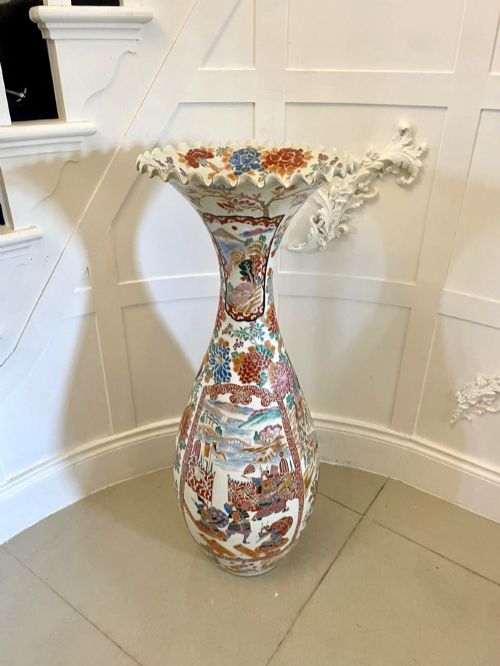
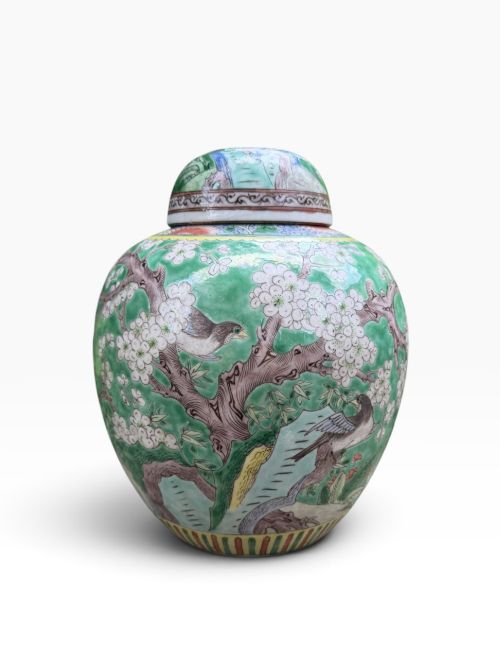
Oriental decorative ceramics encompass a diverse range of ornamental objects designed to catch the eye, including large floor standing vases, ginger jars, punch bowls, chargers, and table lamps. These pieces originate from distinct periods such as the Qing Dynasty, Meiji Period, and the twentieth century, bringing global history directly into domestic interiors.
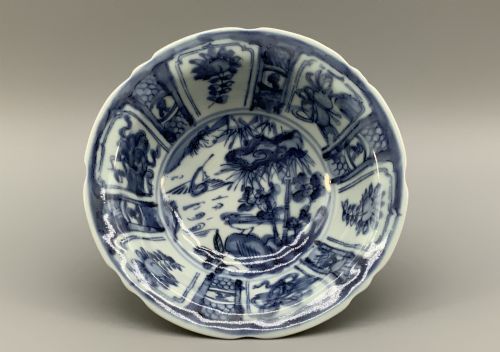
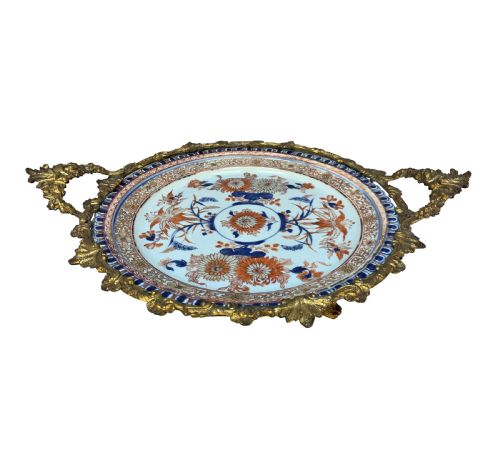
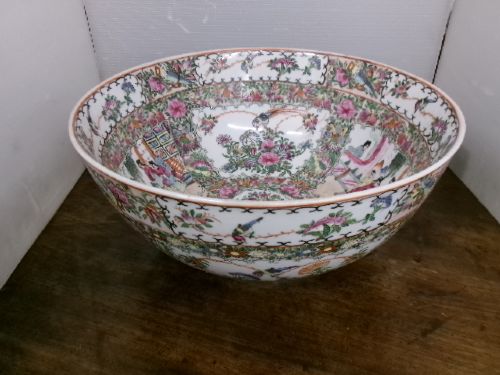
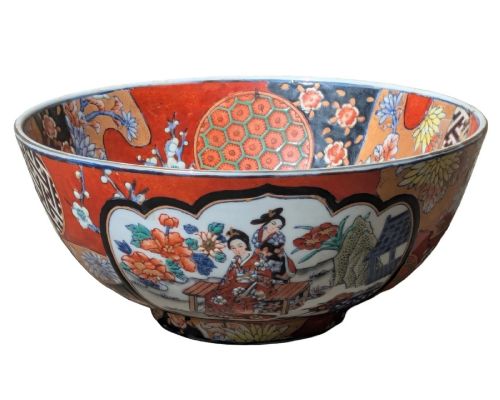
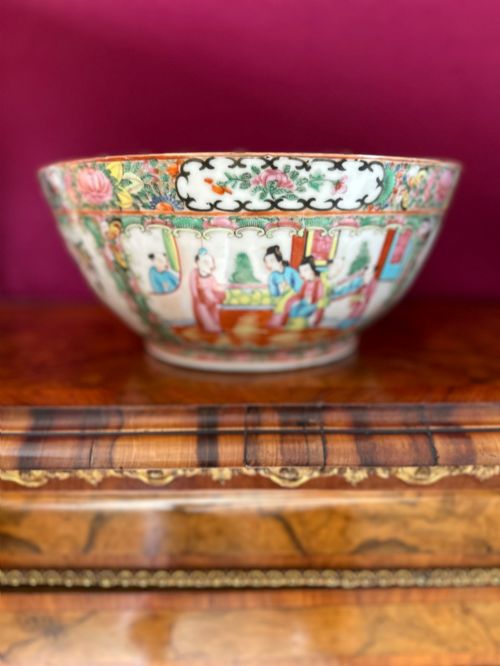
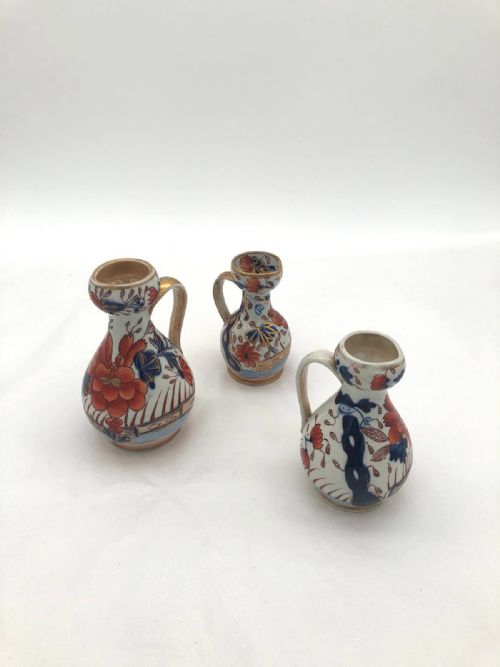
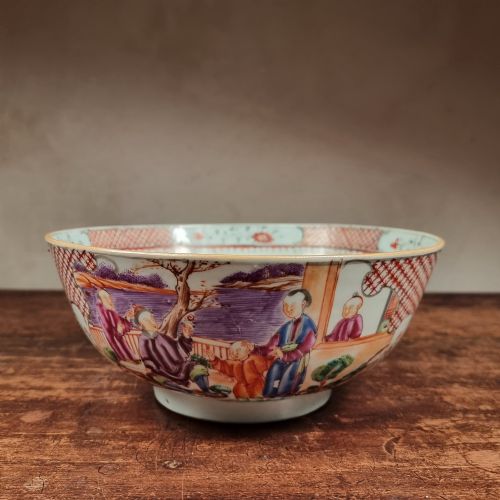
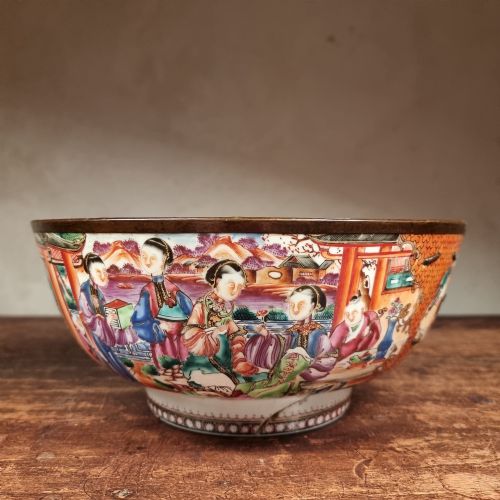
Buyers browsing oriental decorative ceramics encounter notable regional styles, with Japanese Imari and Satsuma wares appearing frequently alongside Chinese Canton, Famille Rose, and blue and white porcelain. Forms vary from monumental vessels to delicate dishes and scholarly brush washers, often featuring hand-painted botanical or figurative motifs.
European interpretations also emerge within this category, reflecting the enduring Western fascination with Eastern aesthetics through Regency Chinoiserie and nineteenth-century ironstone adaptations. These hybrid pieces sit comfortably alongside authentic imported wares, offering similar decorative impact through alternative ceramic traditions.
How they were made
Makers shaped porcelain, earthenware, and ironstone into robust vessels before applying mineral glazes and detailed hand-painted enamels. Many works incorporate rich gilding and gold leaf to highlight intricate borders and central pictorial scenes.
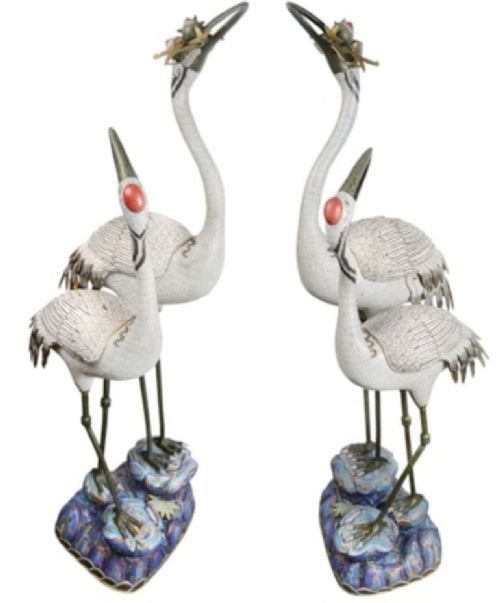
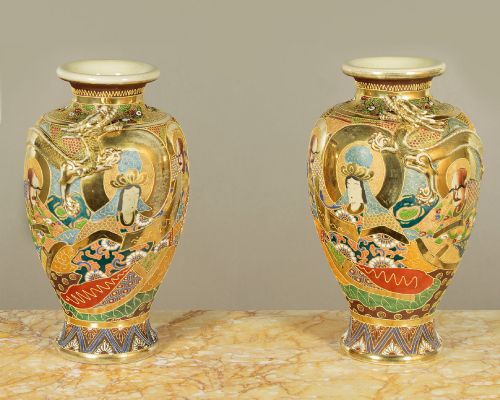
Certain decorative pieces utilise specialised techniques like cloisonné enamel, where metal wires form individual cells to hold vibrant coloured pastes before firing. Other items employ moriage relief work on Satsuma pottery to create raised, textured surfaces that invite touch.
Oriental Decorative Ceramics Retail Price Guide 2026
Typical asking prices for oriental decorative ceramics among the pieces listed under this phrase on Sellingantiques today, from the lower quarter to the upper quarter. They describe what is for sale here now, not the wider market.
Several porcelain figures and vessels feature birds and fantastical creatures keeping a watchful eye over the room.
What varies in quality
The precision and brushwork of the hand-painted enamel distinguish superior pieces from standard production wares. Finer examples display meticulous detail in figurative scenes and botanical motifs, whereas lesser items rely on repetitive or simpler patterns.
The weight, resonance, and integrity of the porcelain body indicate the skill involved in initial firing and material selection. Furthermore, the presence of refined metal mounts, such as ormolu fittings, elevates the status and visual harmony of the finished object.
The Oriental Decorative Ceramics Glossary
- Imari
- A Japanese export porcelain style characterised by a distinct palette of underglaze blue, iron red, and gold. This technique originated in Arita and became immensely popular across Europe during the trading centuries.
- Satsuma
- A type of earthenware from Japan featuring a crackled ivory glaze decorated with polychrome enamels and gilding. These pieces frequently depict elaborate figural and natural scenes.
- Cloisonné
- A metalwork technique where flat wires are soldered to a base to create compartments filled with enamel paste. The object is then fired and polished to a smooth finish.
- Famille Rose
- A major palette of Chinese ceramic enamels introduced in the Qing Dynasty, dominated by opaque pink or rose colours. This style allowed for softer tonal gradations in painted floral and human subjects.
- Canton
- A term for Chinese porcelain decorated in the port city of Canton, typically featuring vibrant panels of birds, butterflies, and figures. The borders are often heavily patterned with green and gold foliage.
Oriental Decorative Ceramics: Frequently Asked Questions
How do I display a heavy floor vase safely?
Large floor vases require stable, level placement away from high-traffic pathways where accidental knocks might occur. Placing them directly on solid flooring rather than thick carpet ensures a firm foundation.
For exceptionally tall or top-heavy vessels, ensure the weight is evenly distributed and consider positioning them in low-risk corners. Avoid placing them near doors or windows that create strong drafts.
Can these antique bowls still be used for food?
Most antique decorative bowls feature delicate overglaze enamels and historic glazes that are not suited for modern culinary use. Surface wear and older manufacturing compositions mean these items function best as purely ornamental display pieces.
Appreciating them on tables or in cabinets preserves their historic surfaces from staining or chemical damage. Gentle dusting keeps them in optimal condition without risking the integrity of the glaze.
What is the difference between Imari and Satsuma?
Imari pieces are hard porcelain items defined by their vibrant underglaze blue, iron red, and gold colour scheme. They typically present crisp geometric and floral layouts characteristic of Arita production.
Satsuma items are made from earthenware with a distinctive creamy, crackled glaze that provides a textured canvas for intricate polychrome painting. They often focus on dense figural narratives rather than repeating geometric borders.