



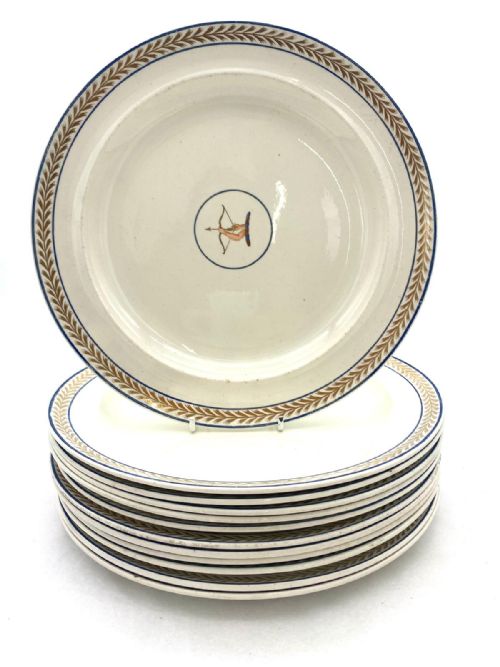
Hand Painted Earthenware
Hand painted earthenware brings together centuries of ceramic tradition, offering vibrant domestic vessels and decorative chargers adorned with pigment.
Hand Painted Earthenware
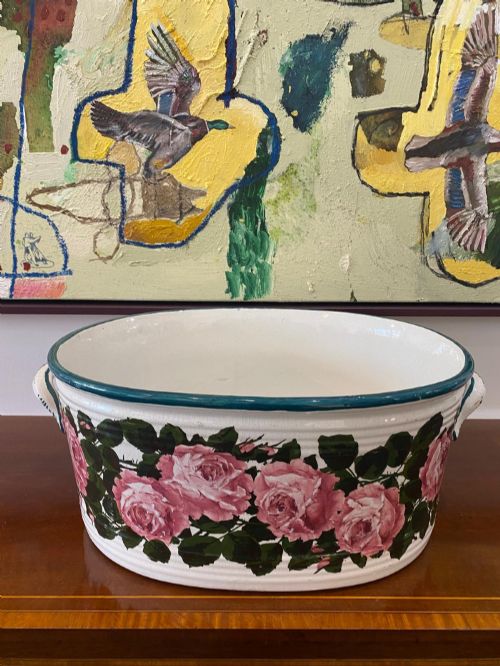
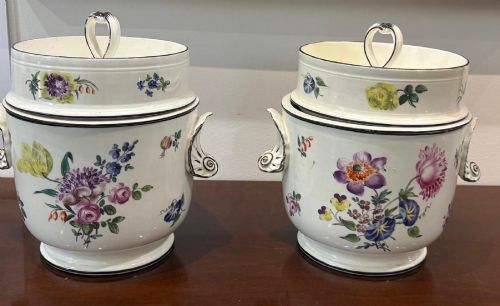
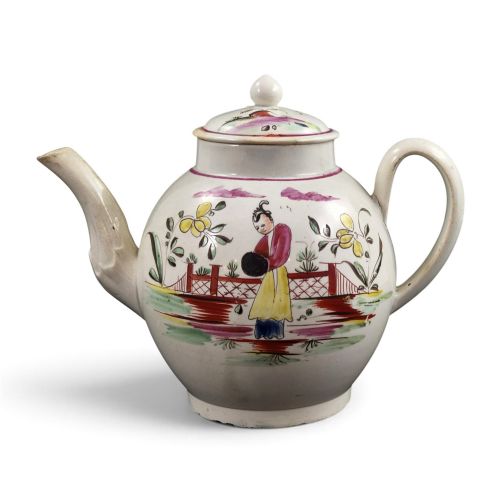
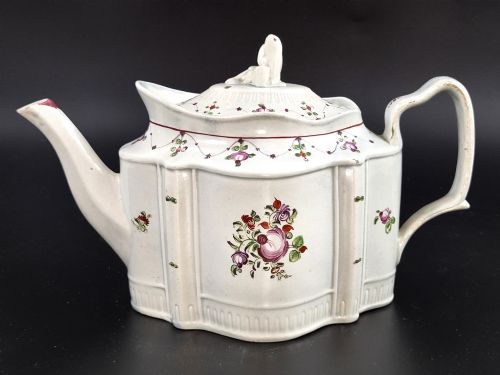
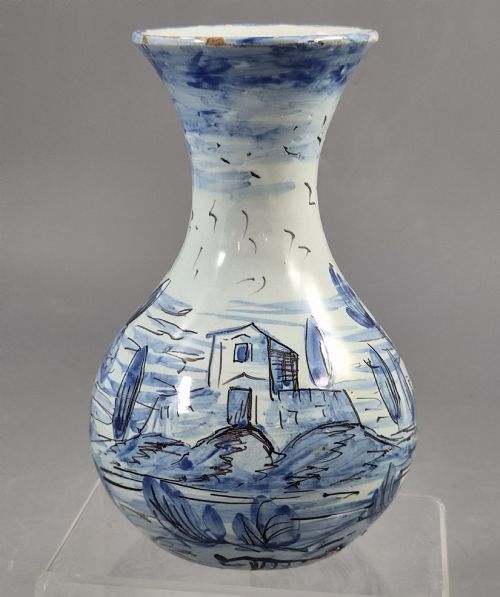
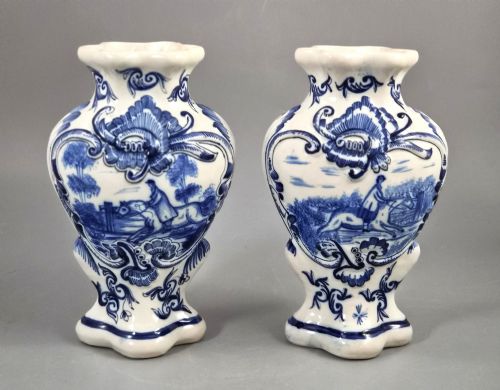
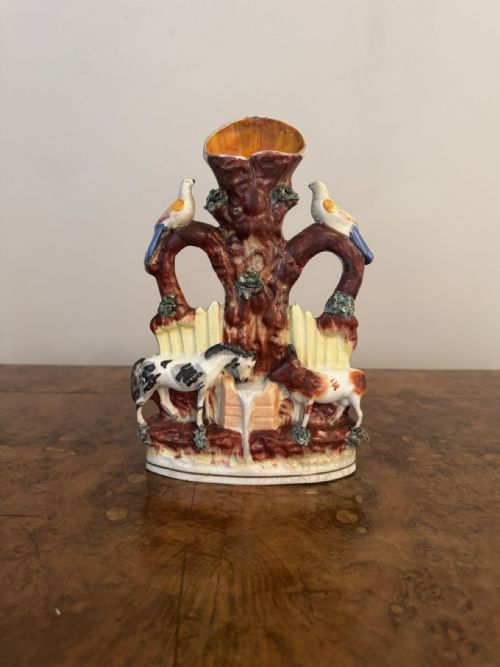
When you search for hand painted earthenware, you encounter a diverse group of ceramic objects shaped from clay and decorated by hand rather than printed with transfers. These pieces range from utilitarian pitchers and teapots to large decorative charger plates designed to be displayed on walls or sideboards.
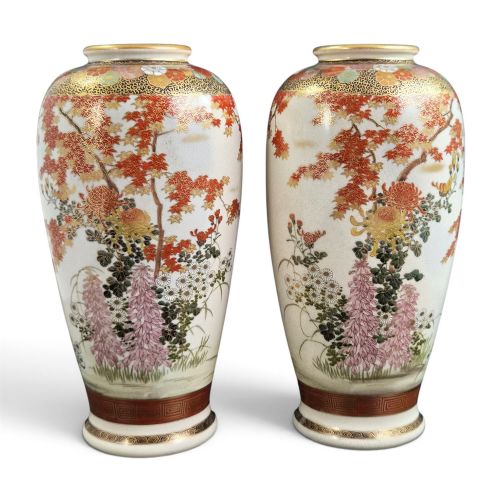
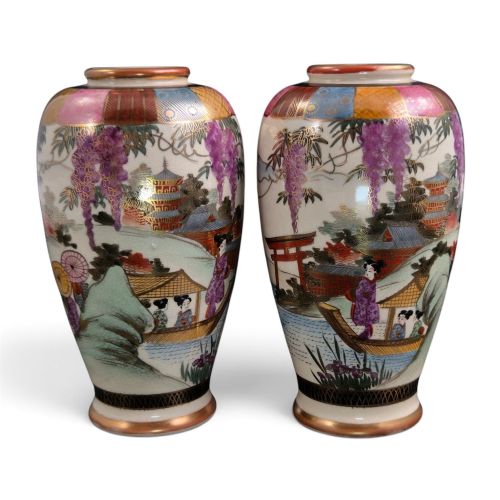
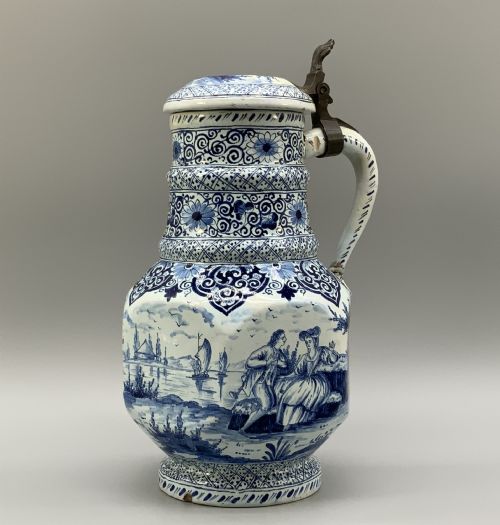
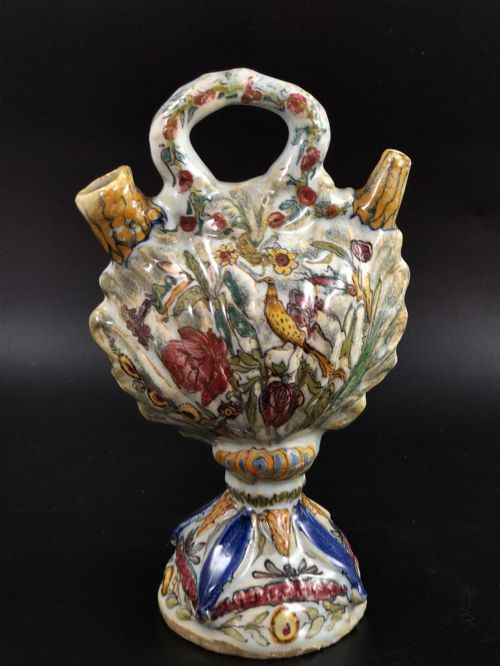
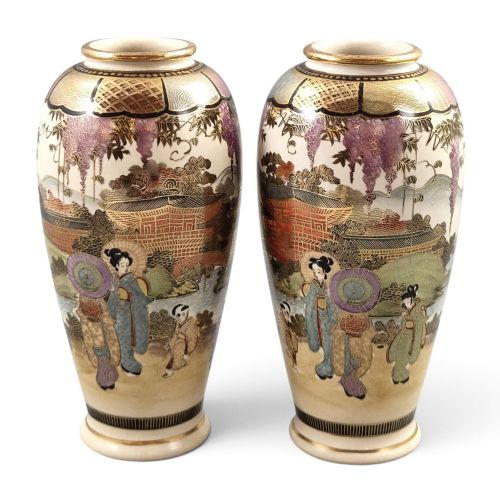
The selections available here lean heavily toward eighteenth-century tin-glazed dishes and nineteenth-century creamware, alongside regional majolica, faience, and Japanese wares. Chargers and chargers plates dominate the earlier periods, whilst teapots, vases, and jugs emerge more frequently in nineteenth-century examples.
Collecting these objects involves appreciating the direct touch of the decorator's brush across porous bodies. Each piece records an individual hand at work, making variation between similar forms part of the appeal.
Materials and construction
Potters form these objects from earthenware bodies, which remain relatively porous and require a surface coating to hold liquids. Tin glaze and enamel provide the opaque white or cream ground necessary for painted pigments to stand out sharply.
Decorators apply mineral colours directly onto the raw glaze or biscuit body before firing, utilising blue, white, and polychrome palettes. The interaction between the fluid glaze and the applied pigment creates soft edges where colours pool during firing.
Materials represented across the selection include traditional tin glaze, creamware, copper lustre, and refined enamel over porous earthenware bodies.
Distinguishing quality
Quality rests upon the confidence of the brushwork and the clarity of the painted composition. Skilled decorators execute swift, assured lines that define florals or figures without hesitation or clumsy correction.
The stability of the glaze and the harmony of the palette also separate standard production from superior pieces. Even glaze coverage and successful kiln results without severe bubbling or distortion indicate careful workshop practice.
Maruni Kobe·Shozan·Cantagalli·Fourmaintraux Courquin·Royal Bonn·Moorcroft McIntyre·Kizan
The Hand Painted Earthenware Glossary
- Earthenware
- A porous pottery body fired at lower temperatures than stoneware or porcelain. It requires a protective glaze to become watertight.
- Tin glaze
- An opaque white glaze containing tin oxide, used extensively on delftware, majolica, and faience. It provides a smooth white ground for painted decoration.
- Creamware
- A refined, pale yellow-cream earthenware developed in England during the eighteenth century. It gained popularity for its light weight and smooth surface.
- Charger
- A large decorative plate intended for display on a wall or sideboard rather than for dining use. These often feature elaborate hand-painted scenes.
- Majolica
- Tin-glazed earthenware produced in Italy and later adopted across Europe. It typically displays colourful polychrome decoration over an opaque white glaze.
- Faience
- The French term for tin-glazed earthenware. Workshops in France developed distinct regional styles utilising vibrant cobalt blue and manganese pigments.
Hand Painted Earthenware: Frequently Asked Questions
How do I clean old earthenware?
Dust these objects gently with a dry, soft cloth to remove surface particles. Avoid submerging porous or cracked pieces in water.
Moisture can penetrate historic bodies and destabilize old repairs or sensitive glaze surfaces.
Can I use these teapots for tea?
Historic teapots and jugs are best kept as display pieces rather than utilised for daily service. Hairline cracks and porous interiors absorb liquids over time.
Thermal shock from boiling water can also cause old ceramic bodies to fracture.
What is the difference between delft and faience?
Both terms describe tin-glazed earthenware, but they originate from different geographic traditions. Delft specifically refers to wares made in the Netherlands, whilst faience denotes French production.
Despite regional palette preferences, the underlying technique of applying pigment over an opaque white glaze remains shared.
How do I date a tin glazed dish?
Dating relies on stylistic clues, glaze thickness, and the characteristics of the earthenware body underneath. Earlier seventeenth and eighteenth-century pieces often exhibit heavier foot rims and subtle warping from kiln heat.
Comparing brushwork motifs against documented examples helps narrow down the period of production.