




Meiji Imari Porcelain
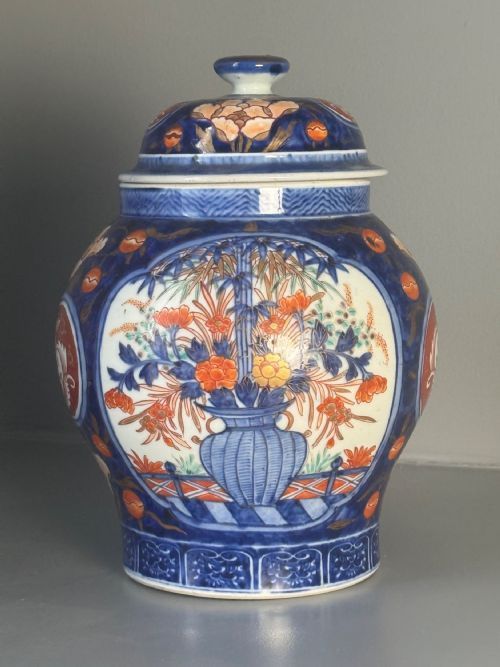
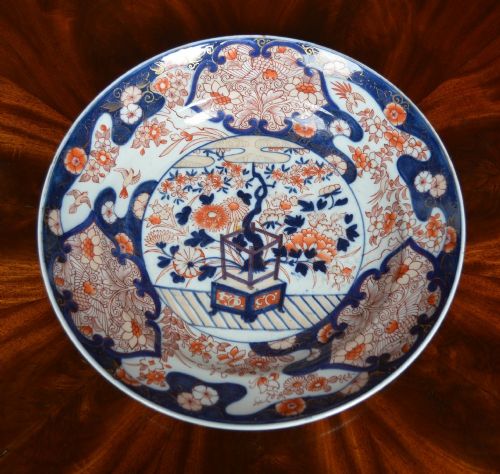
These pieces of meiji imari porcelain bring vibrant cobalt underglaze, enamel, and gilt decoration into any room.
Meiji Imari Porcelain
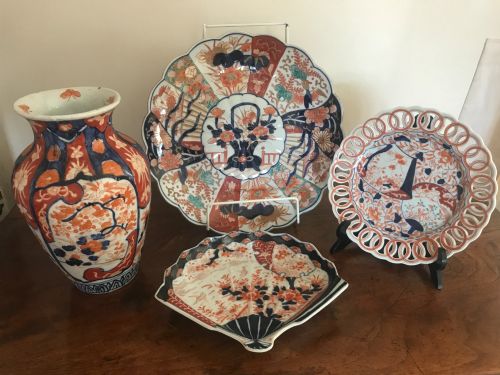
Meiji imari porcelain encompasses decorative plates, chargers, bowls, and vases produced in Japan during the late nineteenth and early twentieth centuries.
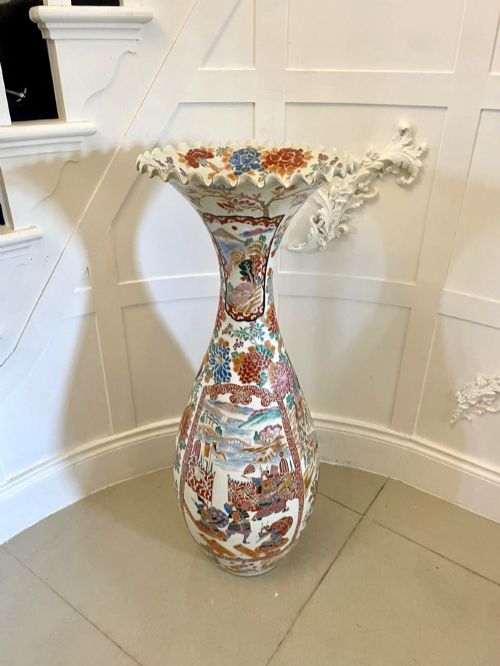
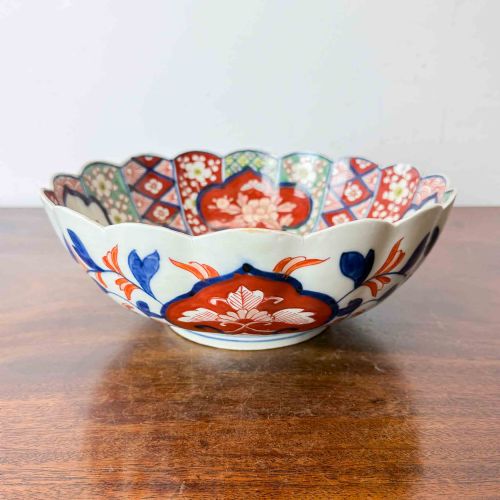
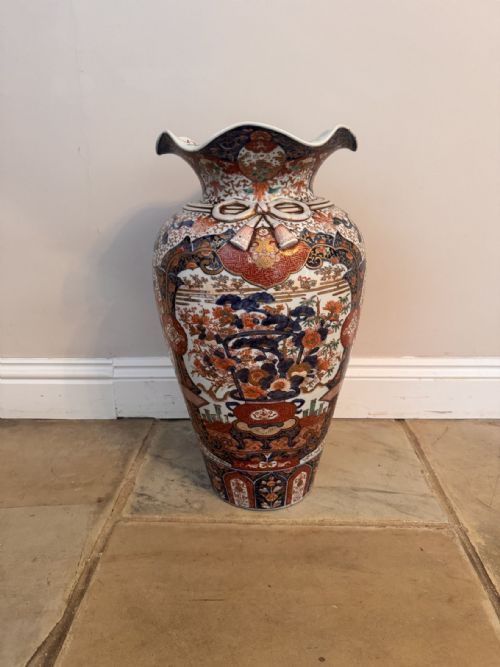
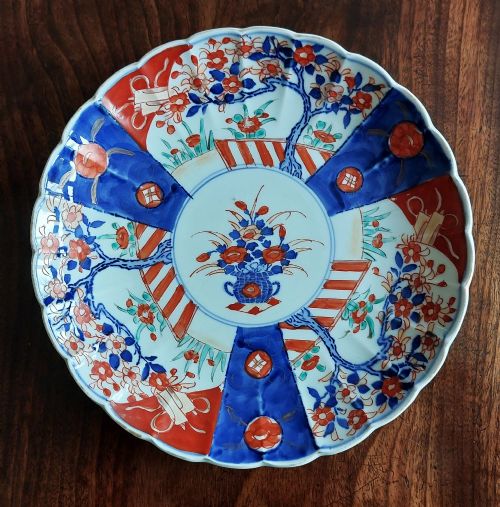
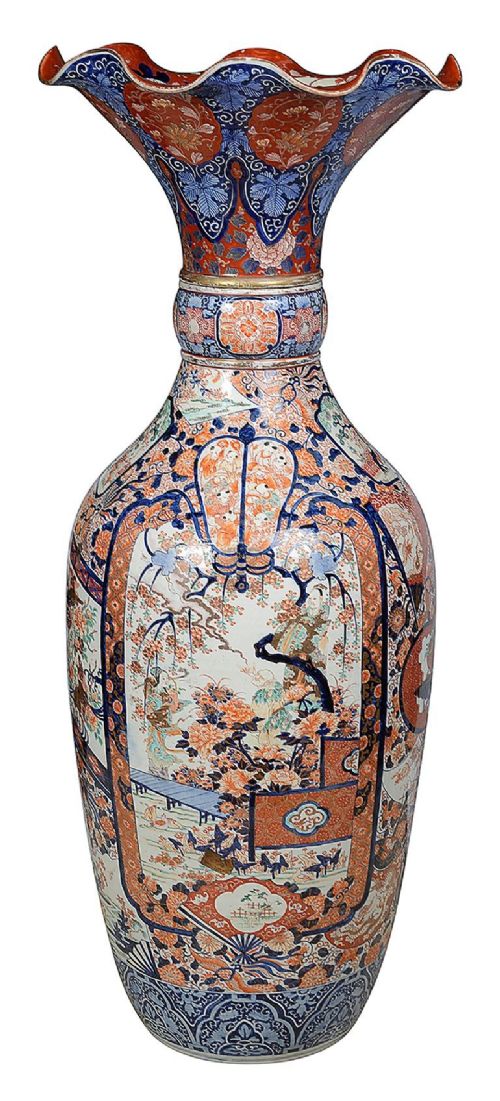
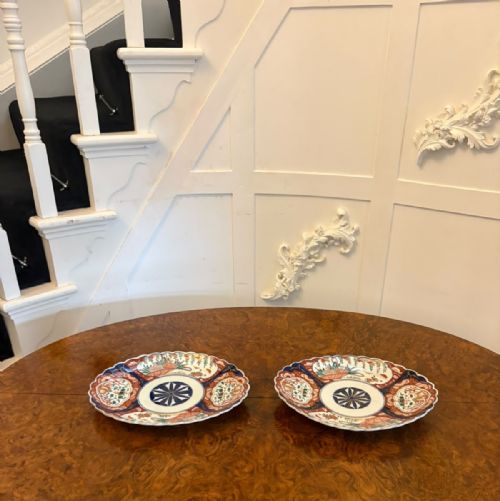
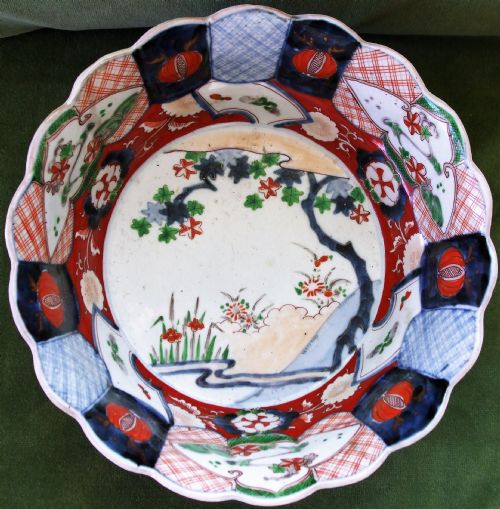
Buyers will most frequently encounter circular plates, scalloped edge dishes, and large floor standing vases spanning the Meiji period from 1868 to 1912.
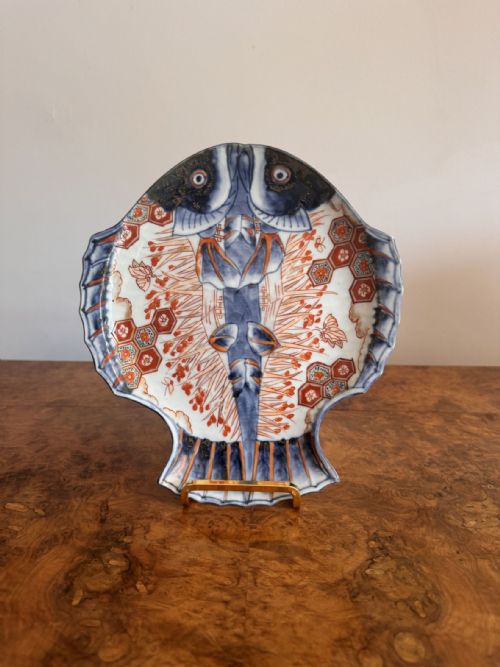
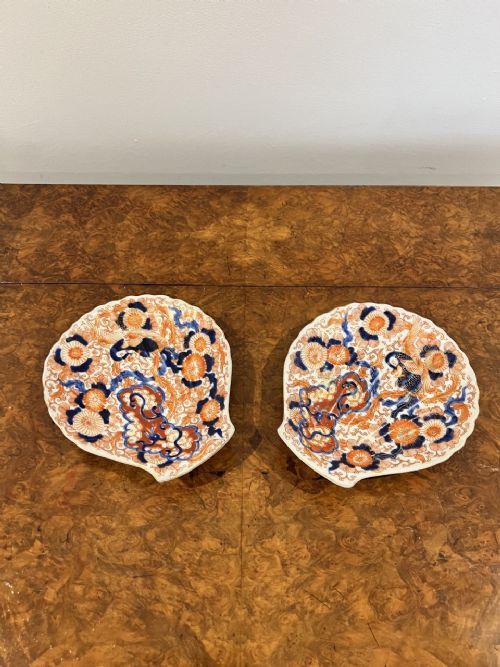
Forms extend beyond standard vessels to include unusual items shaped like fish, shells, or animals alongside biscuit barrels and tea cups.
How They Were Made
Potters shaped ceramic bodies from fine porcelain before applying cobalt underglaze pigments beneath a clear ceramic glaze.
Enamel colours and gold leaf highlights were subsequently layered over the glaze and fired again to achieve the characteristic rich palette.
Production centres such as Arita utilised these traditional techniques to create durable decorative wares suited for export and domestic display.
Potters occasionally stepped away from standard vessels to shape porcelain into playful pugs, kittens, and fish.
What Varies in Quality
Quality differentiates through the precision of the cobalt painting and the richness of the gilding applied over the glaze.
Pieces at the higher end display intricate pictorial scenes and exotic birds executed with disciplined brushwork rather than hasty application.
Scale and ambition dictate distinction, separating standard domestic bowls from exhibition quality floor vases and large chargers.
Ginshōtei Gyokushi·Koransha
The Meiji Imari Porcelain Glossary
- Cobalt underglaze
- A blue pigment applied directly to the raw porcelain body before glazing and firing at high temperatures. This mineral pigment produces the deep blue tones foundational to the imari palette.
- Imari palette
- A traditional decorative scheme combining underglaze blue with iron red enamel and gold leaf accents. This vibrant combination originates from Japanese production centres heavily influenced by export markets.
- Charger
- A large decorative plate intended for display on a wall or sideboard rather than dining use. These substantial pieces often showcase the most elaborate painting in a collection.
- Scalloped edge
- A rim shaped into a series of continuous curves resembling a shell or flower petal. Potters frequently gave plates and bowls this decorative contour during the Meiji period.
- Meiji period
- The era of Japanese history lasting from 1868 to 1912 characterised by rapid modernisation and a surge in ceramic exports to Western markets.
Meiji Imari Porcelain: Frequently Asked Questions
What is meiji imari porcelain?
Meiji imari porcelain refers to decorative ceramics produced in Japan during the Meiji period, known for their distinct cobalt blue and iron red palette with gilt highlights.
These pieces range from everyday plates and bowls to large exhibition vases created for export and domestic display.
How were these pieces used?
Many items, such as large chargers and floor vases, served purely as decorative display objects in nineteenth-century interiors.
Smaller dishes, bowls, and tea cups were utilised for serving food and tea or holding small household items.
How do I display them?
Large chargers look best mounted on walls or supported by sturdy plate stands on heavy sideboards.
Vases and jars suit prominent positions on tables or mantelpieces where their colourful enamel patterns can catch the light.
How do I identify the period?
Pieces dating to the Meiji era generally exhibit the characteristic combination of cobalt underglaze, dense enamel painting, and gilt details.
Forms often feature scalloped edges, floral motifs, or exotic birds typical of late nineteenth-century Japanese export production.