




Vintage Japanese Charger
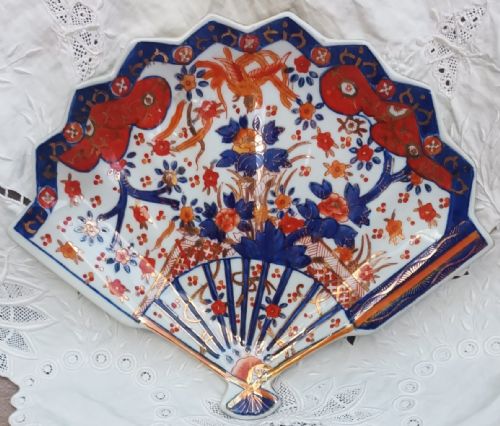
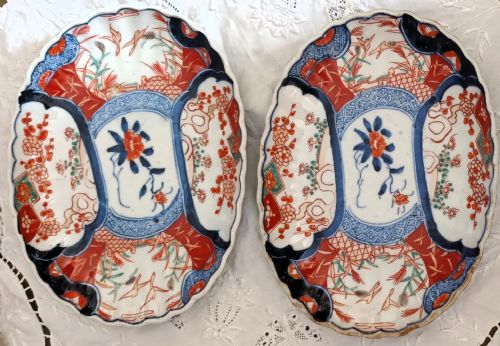
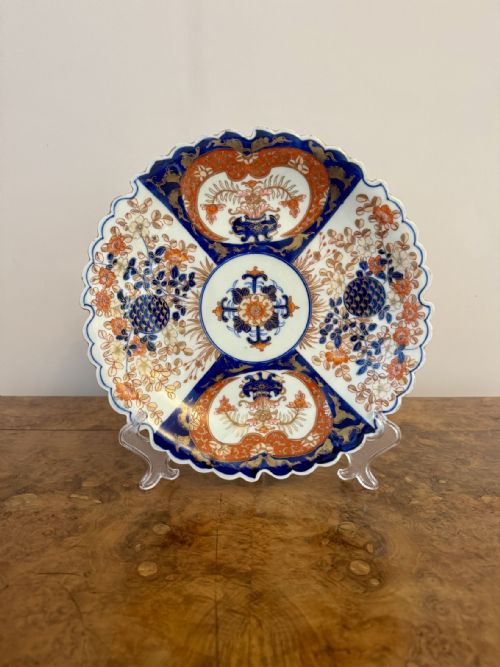
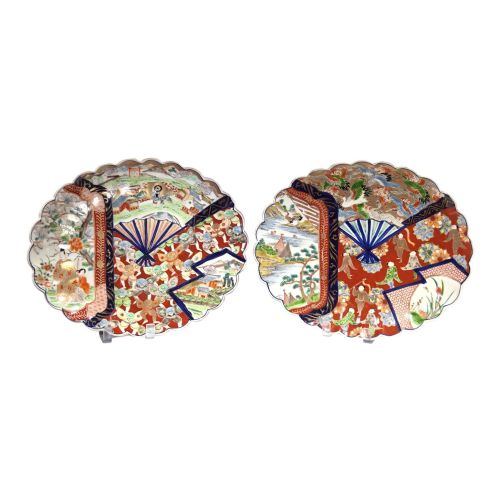
A vintage japanese charger brings wide porcelain and enamel circles into a room, shaped by hands across the Meiji and Edo periods.
Vintage Japanese Charger
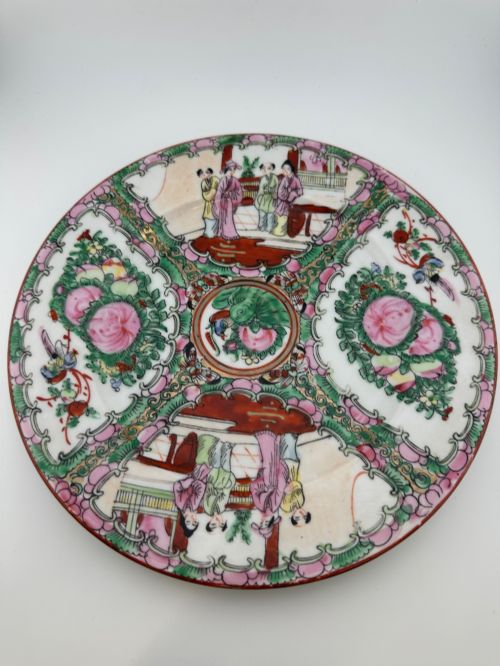
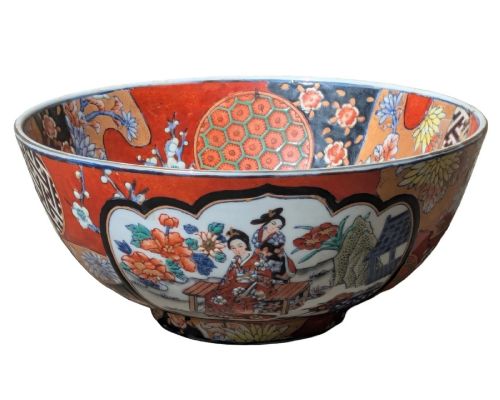
A vintage japanese charger typically presents as a wide decorative plate, dish, or plaque intended for display rather than dining. The examples gathered here span from the Edo period through the Meiji, Taisho, and Showa periods, capturing centuries of ceramic and metalwork traditions.
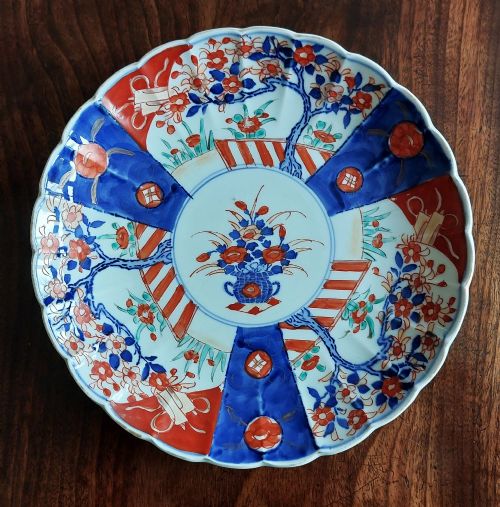
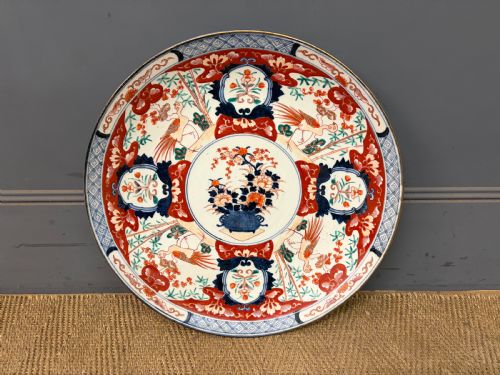
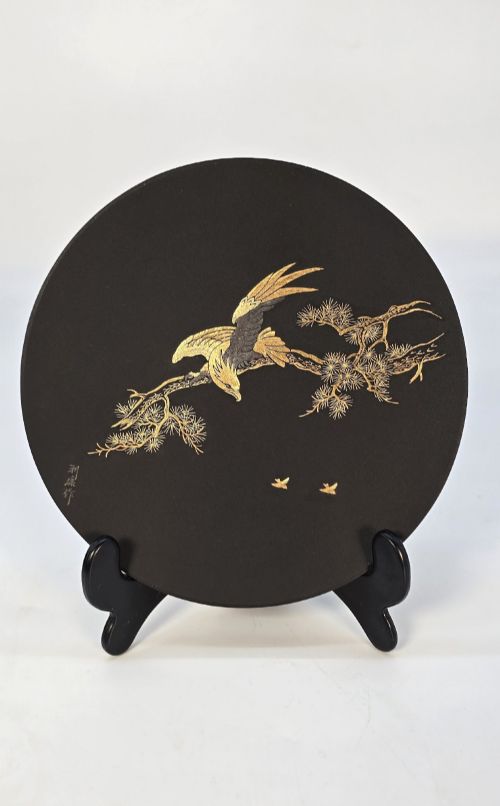
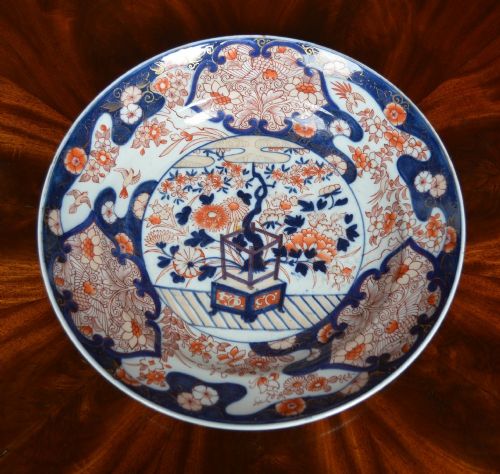
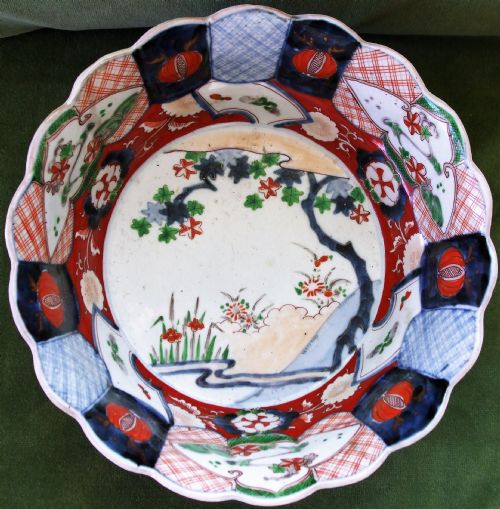
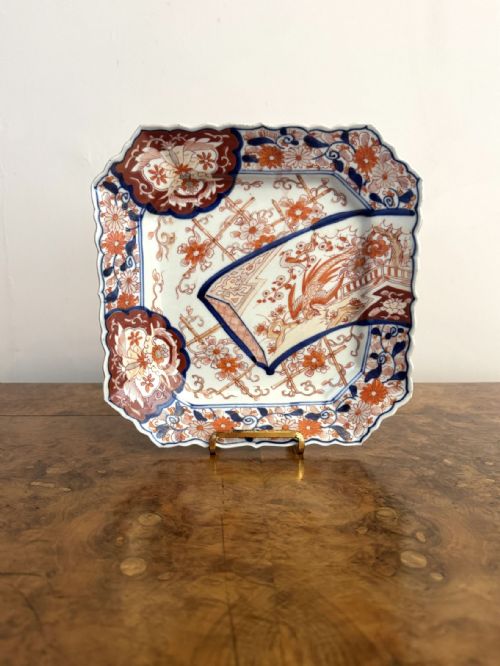
Most entries belong to the Japanese Imari tradition, rendered in porcelain with scalloped edges or square shapes. Alongside these porcelain chargers, buyers encounter cloisonne enamel trays and patinated iron or lacquer plaques depicting birds, deities, and natural scenes.
Forms range from large chargers and wall plates to medium dishes and deep bowls. The origins trace directly to workshops and kilns operating across Japan during the nineteenth and early twentieth centuries.
Materials and methods
Porcelain forms the foundation for Imari and Kutani pieces, shaped on a wheel or pressed into moulds before receiving hand-painted pigments. Kiln workers fused cobalt blue and iron red glazes onto the ceramic body, often adding gold leaf or gilding in subsequent firings.
Cloisonne enamel pieces utilise thin copper or brass wires soldered to metal bases to form cells, which artisans then fill with coloured enamel pastes before firing and polishing. Iron and lacquer plaques incorporate patination techniques alongside silver inlay to create textured pictorial surfaces.
Listings span periods from the eighteenth century through the 1930s, featuring porcelain, enamel, copper, and gold leaf.
Evaluating quality and execution
The standard of a vintage japanese charger rests on the precision of the hand painting and the complexity of the composition. Dense, neatly delineated motifs such as the Seven Lucky Gods or detailed fauna indicate superior brushwork and greater workshop time.
In cloisonne and metalwork, the fineness of the wirework and the smoothness of the polished enamel surface dictate the grade of the piece. Symmetry in scalloped porcelain rims and depth of glaze saturation also separate standard output from masterwork production.
Koshida
The Vintage Japanese Charger Glossary
- Imari
- A style of Japanese porcelain originating from the port of Arita, traditionally decorated in underglaze blue, iron red, and gilt. These pieces often feature intricate floral and geometric panels.
- Cloisonne
- A decorative metalwork technique where fine wires create raised compartments on a base, which are then filled with coloured enamel. The entire surface is fired and ground smooth.
- Meiji Period
- The era in Japanese history spanning from 1868 to 1912, noted for a surge in decorative arts produced for international export. Work from this time frequently displays high technical mastery.
- Kutani
- A style of Japanese porcelain known for vibrant overglaze enamels, often incorporating heavy gold leaf and detailed pictorial scenes of birds and peonies.
- Charger
- A large decorative plate or platter utilised historically for ceremonial presentation or wall display rather than for serving food at the table.
Vintage Japanese Charger: Frequently Asked Questions
How do I hang a heavy charger?
Large porcelain and metal chargers require specialist wall-mounting brackets that grip the rim securely without causing stress to the body. Brass or coated wire spring hangers distribute the weight evenly across the reverse.
Ensure the wall fixing is anchored directly into a stud or uses appropriate masonry plugs to support the substantial weight safely.
Were these plates used for dining?
These wide ceramic and enamel pieces served primarily as decorative objects or presentation items rather than everyday tableware. Their expansive surfaces were designed to showcase pictorial artistry.
Displaying them on tables, cabinets, or walls aligns with their original purpose as ornamental focal points.
How do I clean antique enamel?
Dust enamel and cloisonne surfaces gently with a soft, dry brush to prevent abrasive particles from scratching the polished glass paste. Avoid soaking metal-backed pieces or applying chemical solvents.
Water and harsh detergents can damage older patinated copper bases and weaken soldered wire boundaries over time.
What is the difference between Imari and Kutani?
Imari porcelain relies on a distinct palette of cobalt blue, iron red, and gold, typically arranged in symmetrical geometric and floral compartments. It developed around the Arita region during the Edo period.
Kutani porcelain leans towards bolder overglaze colour schemes, frequently featuring pictorial scenes rendered with heavy gold leaf and expressive brushwork.