






Oriental Porcelain Serving Dish
An oriental porcelain serving dish brings hand-painted colour and centuries of craftsmanship straight to the table.
Oriental Porcelain Serving Dish
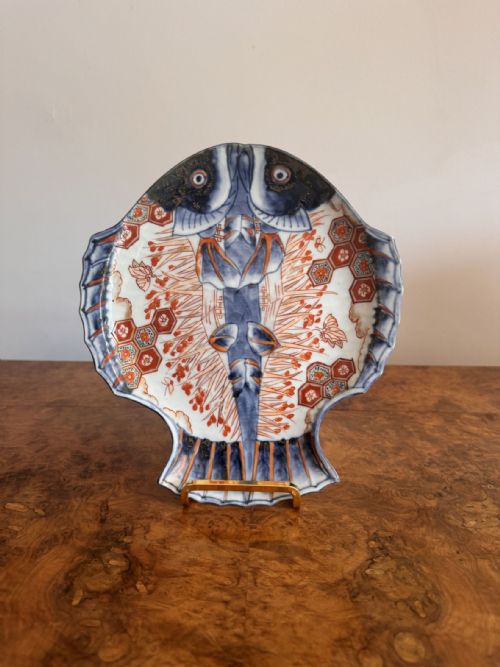
An oriental porcelain serving dish encompasses bowls, chargers, platters and plates originating from China and Japan. When you search for an oriental porcelain serving dish, you encounter forms ranging from circular chargers and oval dishes to fan-shaped and boat-shaped plates.
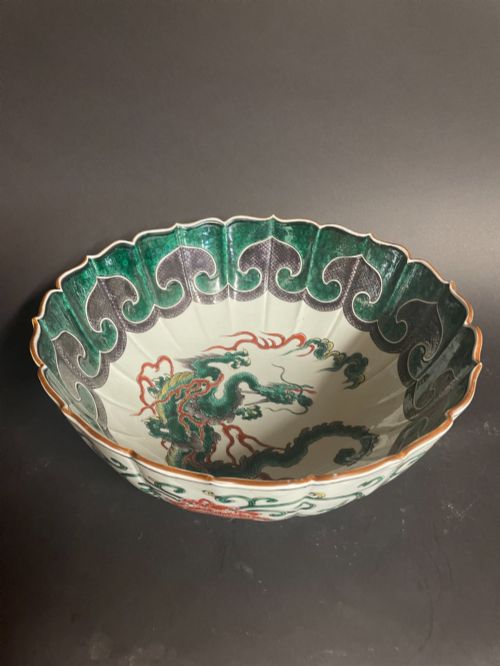
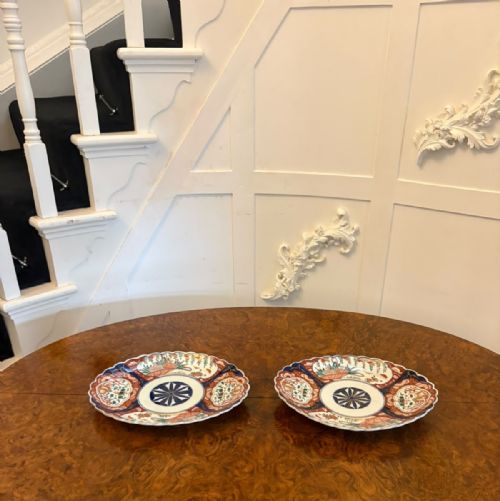
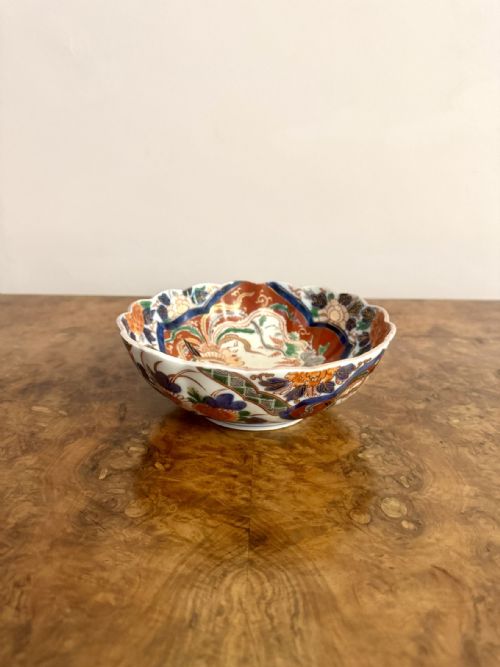
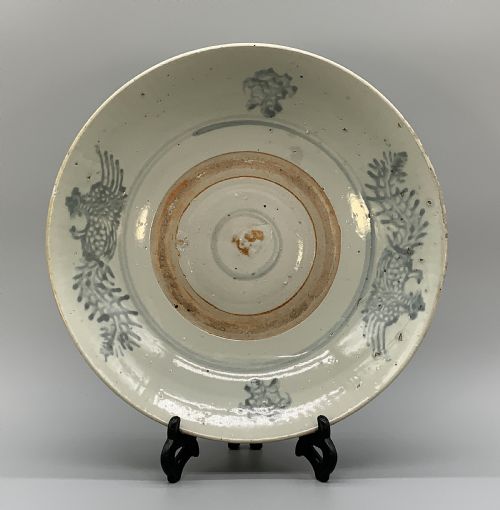
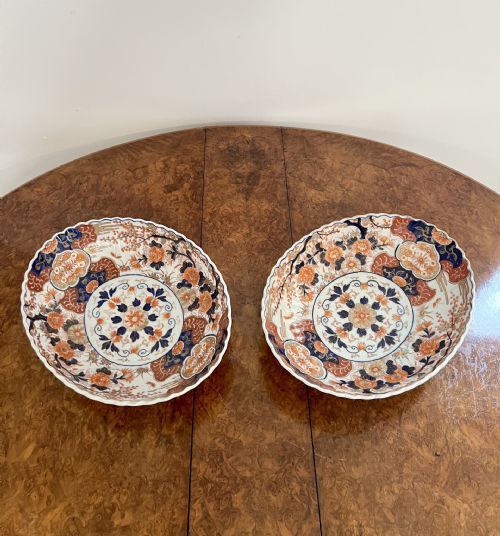
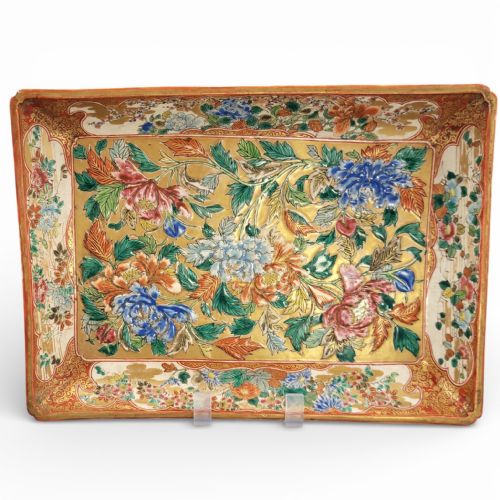
The pieces span several centuries, including Ming Dynasty Swatow ware, Kangxi period wares, Chinese Export and Canton pieces, alongside Japanese Arita, Meiji period Imari and Kutani platters. Japanese Imari examples with floral and bird designs appear frequently across the selection.
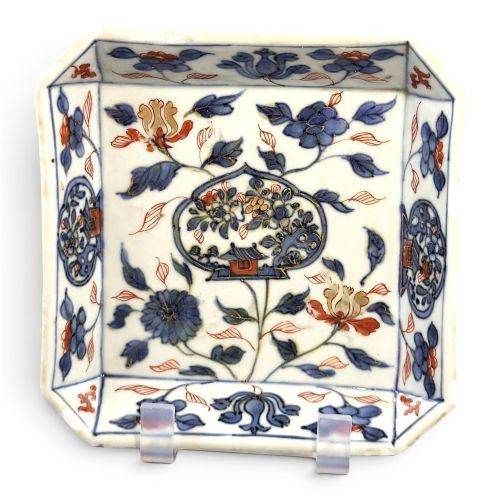
Makers and producers utilised hard-paste porcelain to create vessels intended for both display and functional use at table. Scallop-edged bowls and chamfered square shapes demonstrate the varied silhouettes available to collectors.
What varies in quality
The precision and detail of the hand-painted brushwork distinguish standard production from exceptional examples. Mastery in rendering delicate floral and bird designs sets finer plates and chargers apart.
The crispness of the cobalt underglaze and the richness of the applied gilding and enamel colours dictate visual depth. Form also plays a role, with unusual shapes like fish, boats and fans demanding greater skill from the potter.
The listings span from the 17th Century Ming Dynasty up to the 20th Century, encompassing both Chinese Export and Japanese Meiji periods.
The Oriental Porcelain Serving Dish Glossary
- Imari
- A style of Japanese porcelain decorated in underglaze blue, iron red and gold, heavily produced during the Meiji period and earlier. The palette remains instantly recognisable on plates and bowls.
- Charger
- A large decorative plate or serving dish used historically for ceremonial display or grand dining. These pieces often feature expansive hand-painted floral motifs.
- Hard-paste porcelain
- A durable ceramic composition fired at very high temperatures, made from kaolin and petuntse. This material forms the sturdy body of traditional oriental dishes.
- Cobalt underglaze
- A blue pigment applied to the raw porcelain body before glazing and firing, creating a permanent design beneath the glossy surface. It defines traditional blue and white Chinese and Japanese wares.
- Meiji period
- The era of Japanese history spanning from 1868 to 1912, known for prolific porcelain production including intricate Imari and Kutani wares.
Oriental Porcelain Serving Dish: Frequently Asked Questions
How were serving dishes used historically?
These pieces served food at formal banquets and family meals, holding everything from fish to rice. Larger chargers were often displayed upright on sideboards or walls when not in use at the dining table.
Over time, many dishes transitioned from practical tableware to decorative collector's items. Their robust hard-paste construction allowed them to survive centuries of handling.
How do I care for antique porcelain?
Wash antique porcelain gently by hand using lukewarm water and mild soap. Avoid soaking pieces with gold leaf or delicate enamel work.
Keep them away from sudden temperature changes and abrasive scrubbers. Display them securely on stable surfaces or padded plate stands.
How can I tell the period of a dish?
Dating relies on examining the painting style, glaze characteristics and potting techniques associated with specific eras like the Ming Dynasty or Meiji period. Certain motifs and colour combinations align closely with particular centuries of manufacture.
Comparing the foot ring and body weight to documented examples helps confirm the age of a charger or bowl.