




Japanese Ceramic Tray
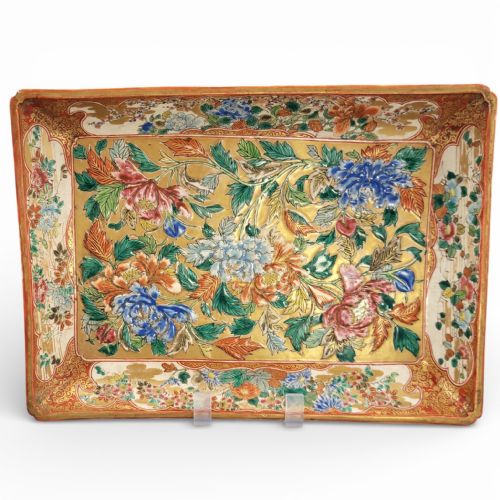
A Japanese ceramic tray brings intricate patterns and varied forms like fans and shells into a room.
Japanese Ceramic Tray
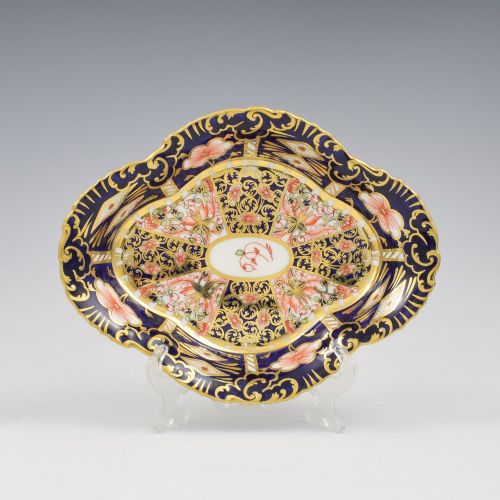
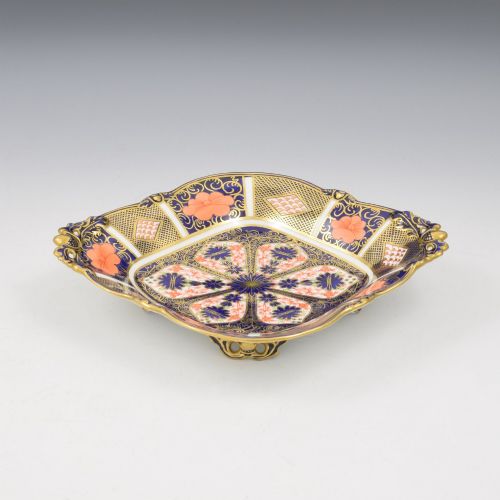
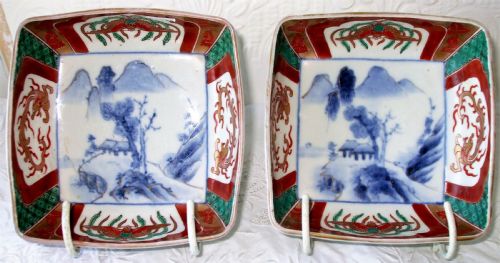
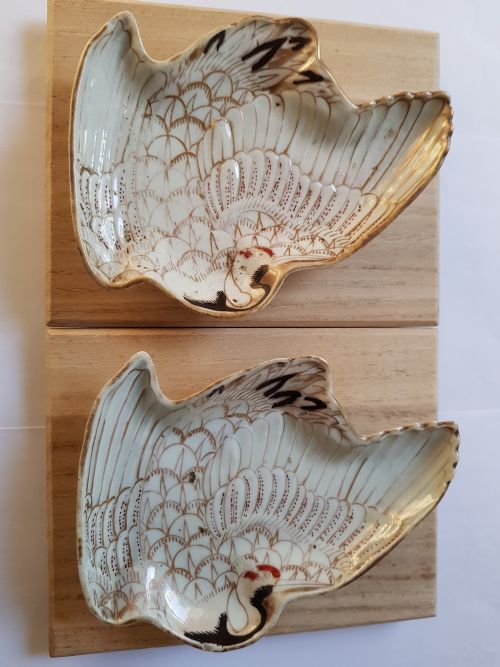
When you search for a Japanese ceramic tray, you are looking at decorative dishes, platters, and shaped plates originating from periods such as the Edo and Meiji eras, alongside British interpretations in the Imari style. These objects serve as both functional serving pieces and decorative focal points, often taking distinctive forms like fan, shell, or crane shapes.
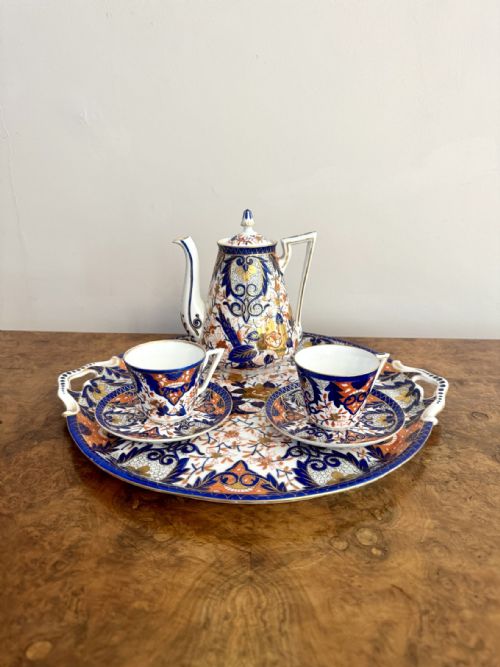
The pieces you are most likely to meet on this page include antique Japanese Imari porcelain dishes alongside English equivalents from the Victorian period and the nineteen-twenties. They demonstrate a rich exchange of decorative motifs between Britain and Japan, spanning blue and white designs as well as polychrome palettes.
Moulded in shallow relief or finished with flat surfaces, these items range from large platters to smaller serving dishes. Each piece reflects the specific aesthetic concerns of its manufacturing period, whether originating in nineteenth-century Japan or early twentieth-century workshops.
How they were made
The foundational material across these listings is porcelain and bone china, formed into complex shapes such as shells, fans, and birds through moulding in shallow relief. Potters shaped the clay before firing, creating sturdy yet delicate tablewares suited to both display and utility.
Surface decoration relies heavily on enamel, iron red enamel, and black pigments applied beneath or over the glaze, frequently heightened with gold leaf and gilding. This combination of ceramic bodies and metallic leaf creates the vibrant visual contrast characteristic of Imari and Kutani wares.
Plates shaped like cranes stand ready to take flight from the dining table.
What varies in quality
Quality in these pieces rests upon the precision of the moulding and the clarity of the shallow relief work, which defines the crispness of forms like crane and shell shapes. Superior items maintain sharp contours and clean edges where lesser examples appear soft or indistinct.
The application of enamel and gold leaf further separates standard items from finer ones, with superior decoration showing careful brushwork and secure adherence of gilding to the porcelain body. The complexity of the palette, particularly the integration of iron red and gold leaf, determines the visual depth of the surface.
The Japanese Ceramic Tray Glossary
- Imari
- A style of Japanese porcelain decorated in underglaze blue and overglaze iron red, black, and gold. This decorative scheme proved immensely popular and was subsequently copied by European potteries.
- Meiji Period
- The era in Japanese history spanning from eighteen sixty-eight to nineteen twelve, characterised by openness to international trade and the widespread export of decorative arts. Pieces from this time often display intricate enamel work.
- Bone China
- A type of porcelain composed of bone ash, feldspar, and kaolin, utilised by English makers to produce thin, durable wares. It forms the body for various British interpretations of Asian styles.
- Gilding
- The application of gold leaf or gold dust to the surface of porcelain to highlight decorative motifs. It provides a reflective finish that complements iron red and blue enamels.
- Shallow Relief
- A technique where sculptural details are raised slightly above the flat background of the ceramic plate or dish. This method adds tactile dimension to animal and plant motifs.
Japanese Ceramic Tray: Frequently Asked Questions
How do I identify Imari style?
Imari style is recognised by its distinctive palette of underglaze blue, iron red enamel, and gold leaf on a porcelain body. These colours work together to create dense, patterned surfaces.
Dishes in this style often feature floral or landscape motifs arranged in panels across fan, shell, or circular plate forms.
Where were these trays made?
The items originate from Japanese kilns during the Meiji and Edo periods, or from English potteries influenced by Asian designs. British makers produced their own versions during the Victorian era and the early twentieth century.
This creates a diverse selection that bridges traditional Japanese craftsmanship with European ceramic traditions.
Can I use these plates for food?
Most of these antique pieces function primarily as decorative dishes, platters, and serving trays rather than everyday tableware. Their age and delicate enamel or gold leaf decoration suggest careful handling.
Displaying them on walls, shelves, or tables protects the surface pigments from wear.
What shapes are available?
The inventory includes conventional round plates alongside unusual forms such as fans, shells, and cranes. Moulded shapes often feature shallow relief details that give the ceramic surface a three-dimensional quality.
These varied forms reflect both traditional Japanese aesthetic preferences and European novelty designs.