


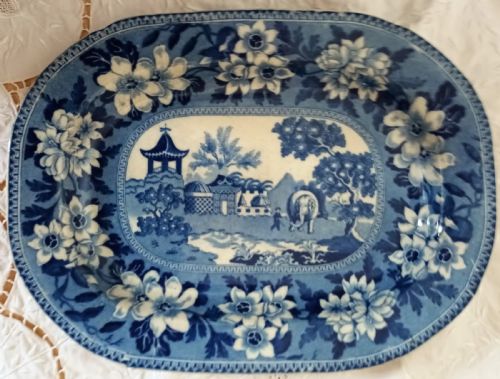
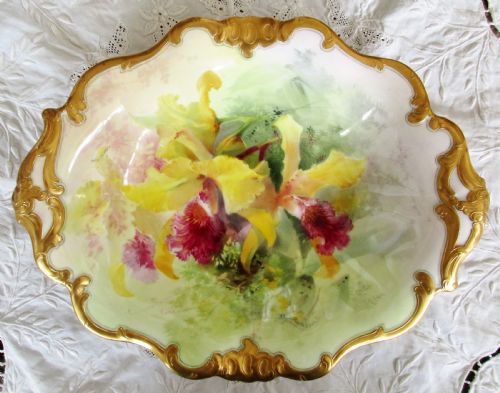
Antique Floral Platter
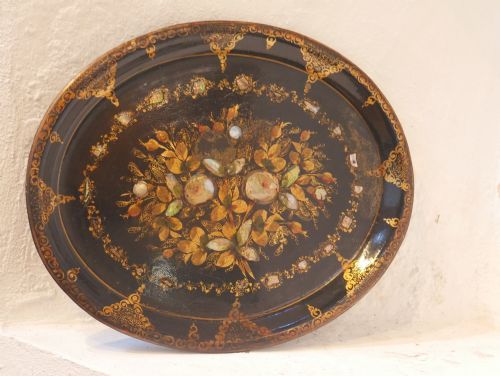
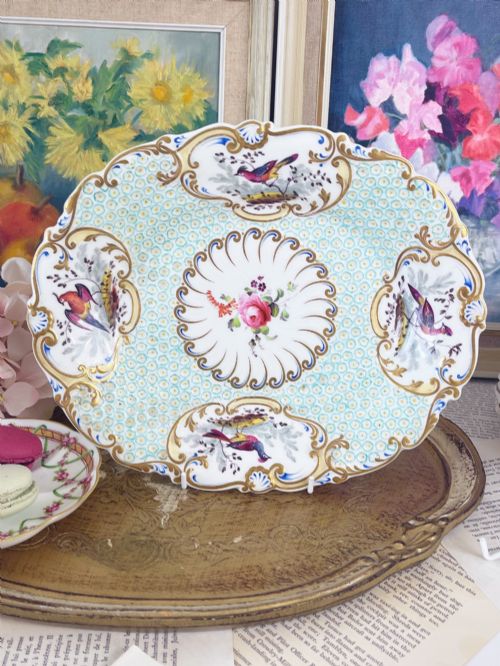
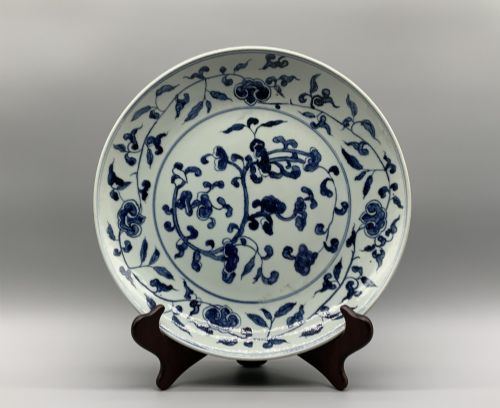
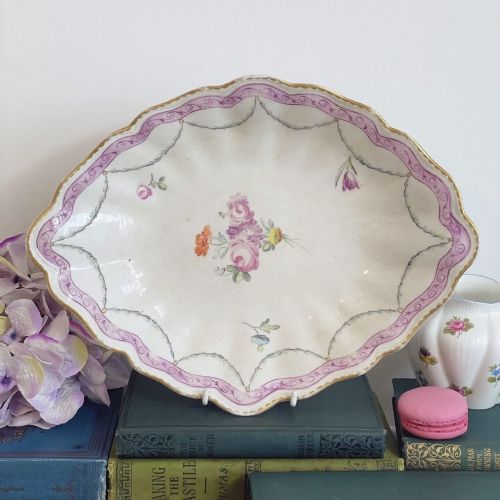
An antique floral platter brings painted petals and botanical scenes directly to the table or wall, offering a tangible piece of past craftsmanship.
Antique Floral Platter
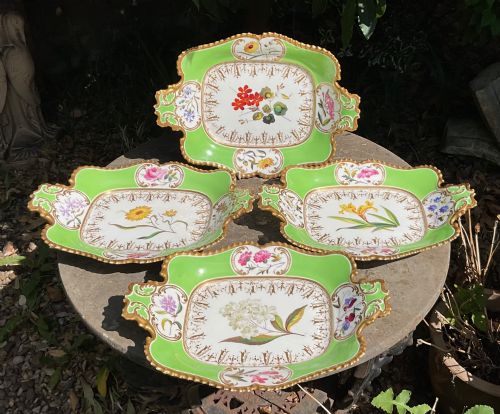
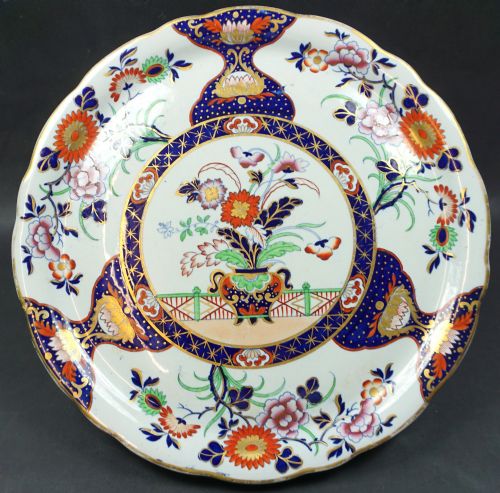
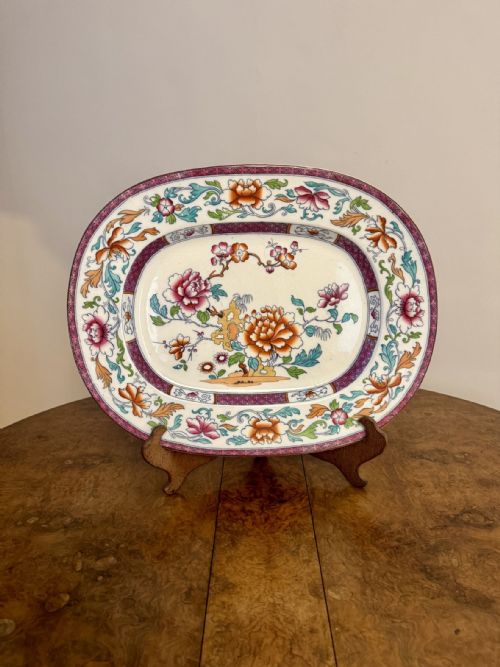
When searching for an antique floral platter, one encounters a diverse selection of serving dishes, chargers, and decorative plates spanning multiple centuries and continents.
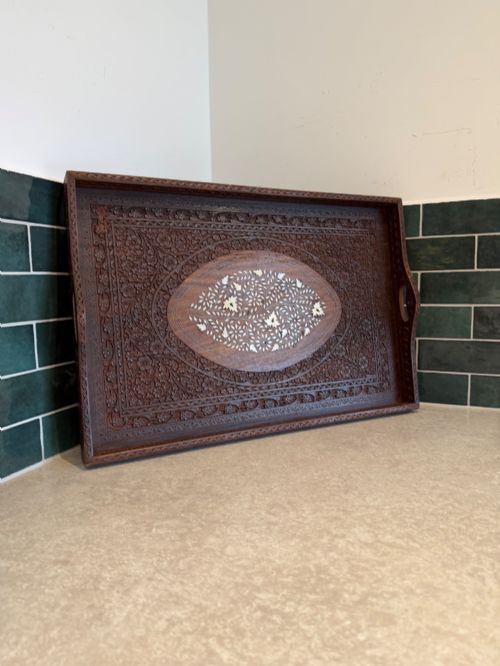
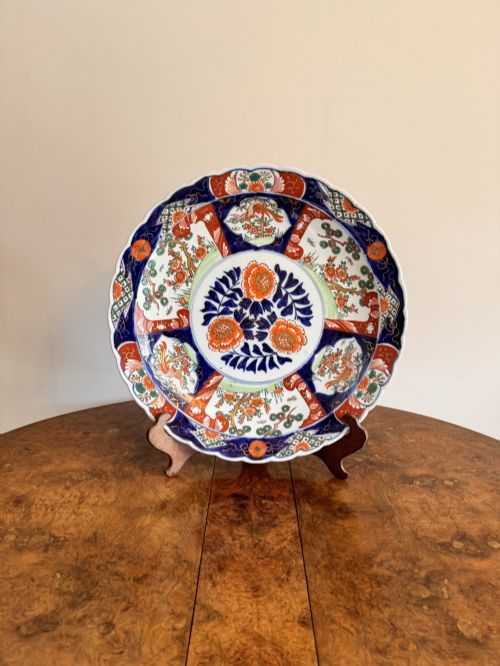
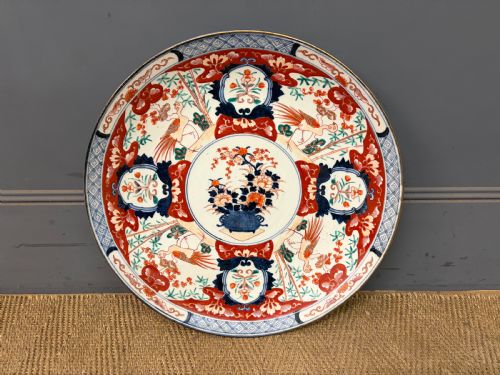
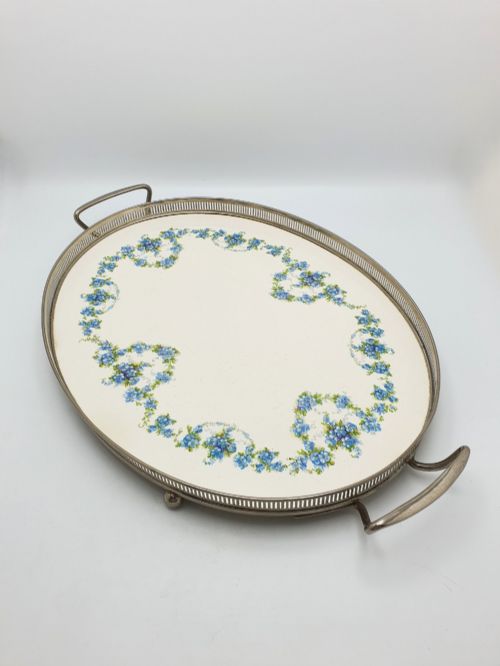
The pieces on this page range from English earthenware and porcelain serving platters to Japanese Imari chargers and Kashmiri trays, reflecting various international aesthetic traditions.
Makers and factories from the Georgian and Victorian periods sit alongside Meiji Period Japanese workshops, creating a broad spectrum of botanical and floral designs.
How they were made
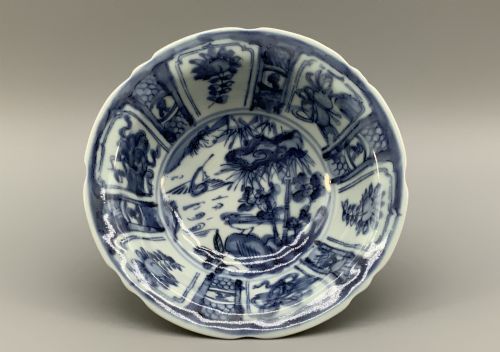
Potters and artisans utilised ceramic, porcelain, earthenware, and ironstone as foundations, applying glazes, enamel, and handpainted pigments to render floral and bird motifs.
Metals such as copper, brass, sterling silver, and silver plate appear alongside papier-mâché, often shaped into trays and platters featuring repoussé, engraving, or cloisonné techniques.
A porcelain frog occasionally peers out from among the chrysanthemums on a Meiji Period cloisonné charger.
What varies in quality
The standard of execution separates basic wares from exceptional works, visible in the precision of handpainted polychrome details, blue and white transfers, and intricate cloisonné enamel work.
Materials and provenance dictate distinction, where renowned potteries, silver workshops, and named artists elevate the artistic merit of a botanical composition.
H & R Daniel·Chamberlains Worcester·Hicks & Meigh·John Rogers & Son·David Dewsberry·John Davenport of Longport·Joseph-Gaspard Robert·Wedgwood·Booths·Pucher Deroche·Minton·Carlton Ware·Walker & Hall
The Antique Floral Platter Glossary
- Charger
- A large ornamental plate typically used as a base for other courses or displayed on a wall. These large pieces often feature elaborate painted scenes.
- Cloisonné
- An enamel technique where metal wires form compartments on a metal base, filled with paste and fired. Artisans used this method to create detailed floral designs.
- Earthenware
- A porous pottery body fired at lower temperatures, commonly glazed and painted. It serves as a traditional base for many service dishes.
- Repoussé
- A metalworking method where an artist hammers the design from the reverse side to form a raised pattern. This technique creates tactile floral motifs on metal trays.
- Transferware
- A pottery decoration method using a paper stamp to apply a printed design from an engraved copper plate. Blue and white patterns frequently utilise this process.
Antique Floral Platter: Frequently Asked Questions
How are antique floral platters best displayed?
Larger chargers and platters often feature mounting hardware or sit securely on sturdy plate stands for wall or cabinet presentation.
Smaller serving dishes and trays suit sideboards or open shelving where their painted surfaces remain visible.
Can I use an antique platter for serving food?
Ceramic and porcelain platters from the eighteenth and nineteenth centuries serve dry foods well, though crazed glazes require careful hand washing.
Silver plated and metal trays suit presentation purposes rather than acidic foods that might react with the finish.
How do I identify the period of a platter?
Backstamps, impressed potters' marks, and style markers offer chronological clues regarding manufacture dates.
Transfer printing styles and handpainted polychrome palettes also help distinguish Georgian items from later Victorian or Edwardian pieces.
What is the difference between a platter and a charger?
Platters are traditionally shaped to serve meats, poultry, or side dishes at the table during dining.
Chargers measure larger in diameter and function primarily as decorative centrepieces or underplates rather than direct service vessels.