
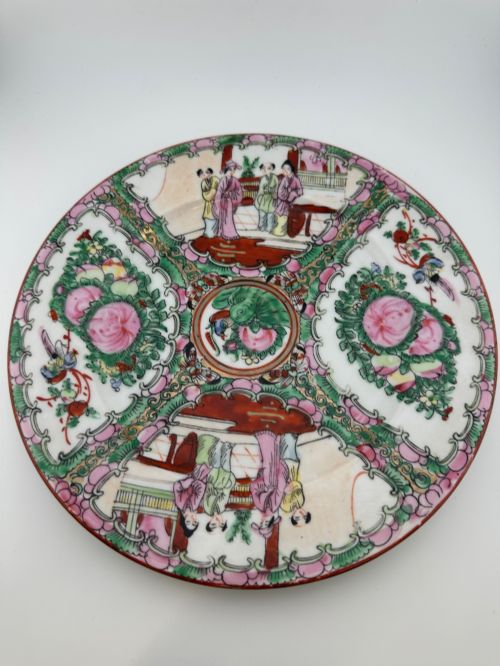
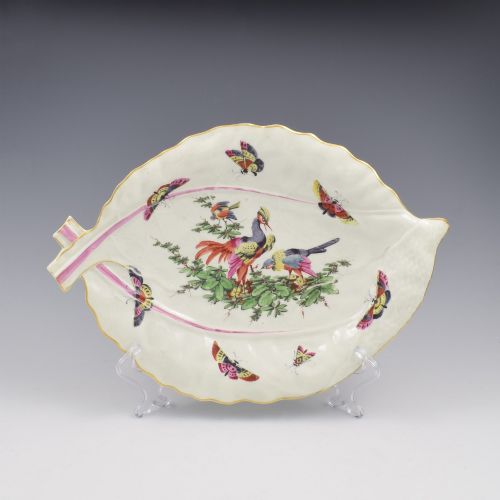
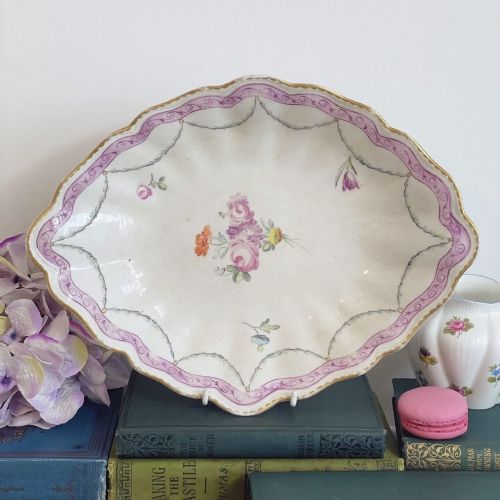

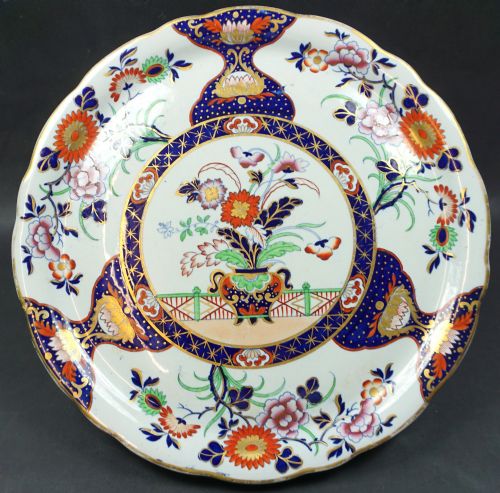
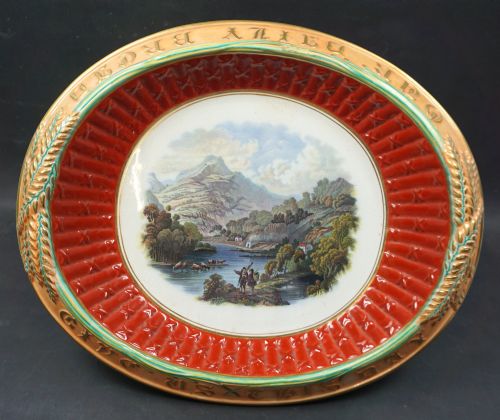
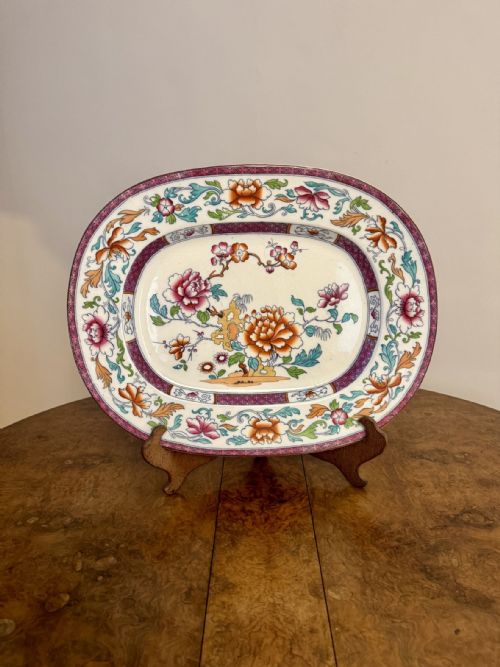
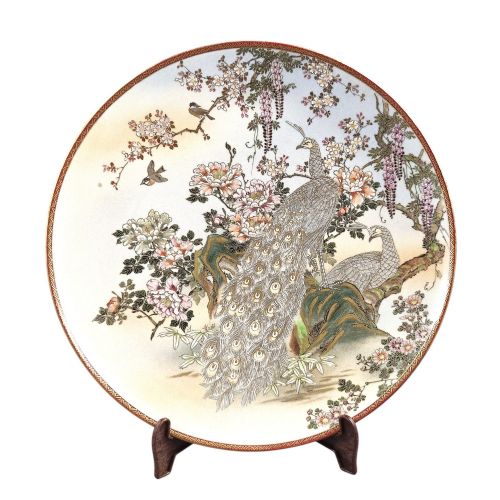


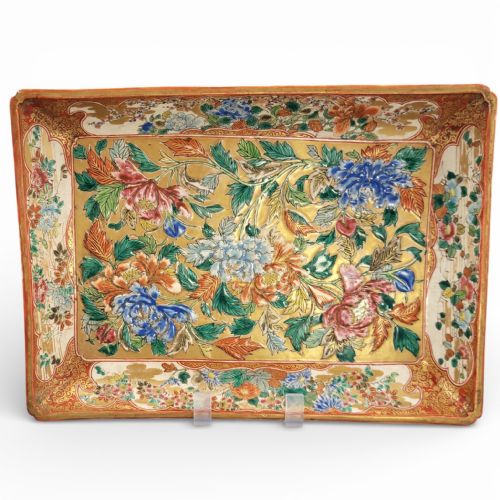

Polychrome Ceramic Platter
A polychrome ceramic platter brings together vibrant multi-coloured hand painting and heavy tableware forms spanning the eighteenth, nineteenth, and early twentieth centuries.

Polychrome Ceramic Platter
When you search for a polychrome ceramic platter, you examine large serving vessels, chargers, and decorative plates designed for display or presentation at table.
The pieces on this page span the eighteenth century through to the early twentieth century, originating from English factories, continental makers, and East Asian kilns.
You will encounter forms ranging from heavy ironstone meat platters and tin-glazed delft chargers to delicate porcelain dishes adorned with intricate hand-painted motifs.
How They Were Made
Potters shaped ceramic, porcelain, ironstone, and earthenware bodies before applying white tin-glazes or transparent glass coatings to seal the clay.
Artisans painted complex scenes directly onto the surface using mineral enamels, occasionally adding gold leaf highlights or cobalt blue underglazes before firing the pieces in kilns.
Polychrome Ceramic Platter Retail Price Guide 2026
Typical asking prices for polychrome ceramic platter among the pieces listed under this phrase on Sellingantiques today, from the lower quarter to the upper quarter. They describe what is for sale here now, not the wider market.
Materials recorded across the page include porcelain, ironstone, earthenware, tin-glazed earthenware, enamel, and gold leaf.
What Varies in Quality
The distinction between ordinary utility wares and exceptional display pieces rests upon the precision of the brushwork and the complexity of the polychrome palette.
Early porcelain bodies and substantial ironstone chargers display a crispness of form and depth of enamel application that set superior examples apart from standard factory output.
Dr Wall Worcester·Hicks And Meigh·John Ridgway·Masons Patent Ironstone·Minton
The Polychrome Ceramic Platter Glossary
- Polychrome
- Decorated in multiple colours. This multi-coloured enamel painting defines the vibrant surface patterns across these plates and platters.
- Charger
- A large decorative plate. These wide dishes served ceremonial functions at table or hung upon walls for display.
- Imari
- Japanese porcelain decorated in underglaze blue, iron red, and gold. This distinct East Asian aesthetic heavily influenced European ceramic design.
- Ironstone
- A durable type of earthenware patented in England. This heavy ceramic body resisted chipping and provided a robust surface for dense colourful transfers and hand painting.
- Delft
- Tin-glazed earthenware produced in England, Holland, and beyond. This porous ceramic received an opaque white glaze which accepted hand-painted mineral pigments.
Polychrome Ceramic Platter: Frequently Asked Questions
How were polychrome platters used?
These large vessels served substantial joints of meat and communal dishes during formal dining. Large chargers also functioned as decorative wall plates in country houses.
Over time, homeowners transitioned these colourful pieces from the dining table to display cabinets and walls to showcase the painted scenes.
How do I identify eighteenth century pieces?
Eighteenth century platters often exhibit characteristic tin glazes, hand-mixed enamel palettes, and specific maker marks associated with early English and continental kilns.
Examining the weight of the ceramic body and the softness of the glaze helps distinguish these early productions from later nineteenth century wares.
Are ironstone platters heavy?
Ironstone platters possess a dense, heavy ceramic body engineered for durability in busy nineteenth-century kitchens and dining rooms. This robust material prevented the cracking common in softer earthenwares.
The substantial weight distinguishes heavy meat services from delicate porcelain display dishes.