




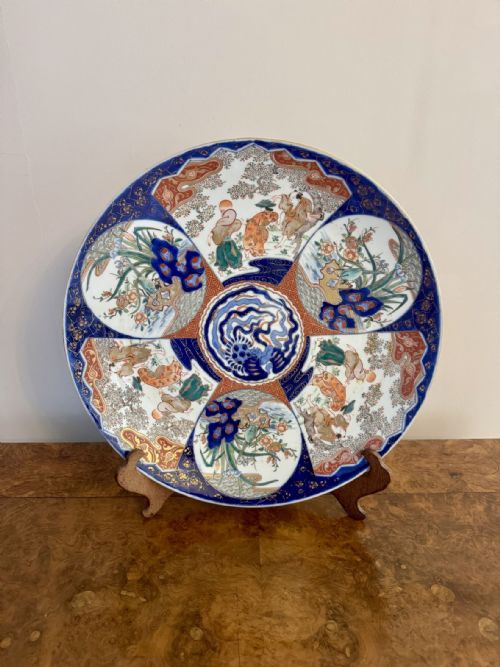



Meiji Imari Plate
These meiji imari plate selections bring vibrantly painted porcelain into your home, offering bold historic design.

Meiji Imari Plate
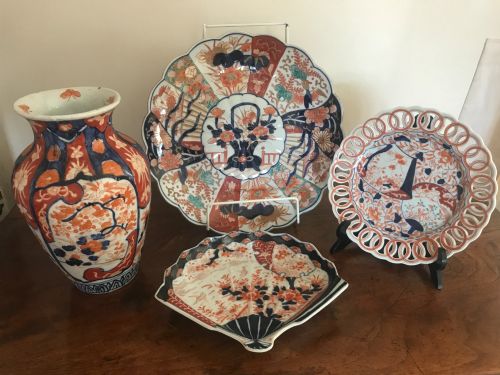
A meiji imari plate is a decorative ceramic piece originating from Japan during the late nineteenth and early twentieth centuries. These items encompass chargers, scalloped dishes and wall plates created for display and decorative use.
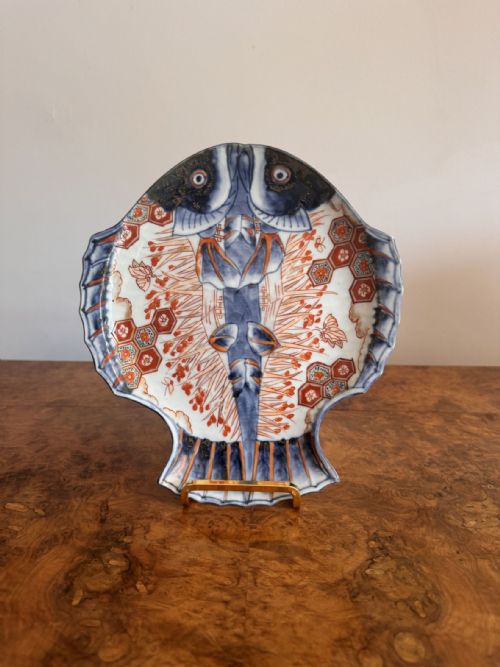
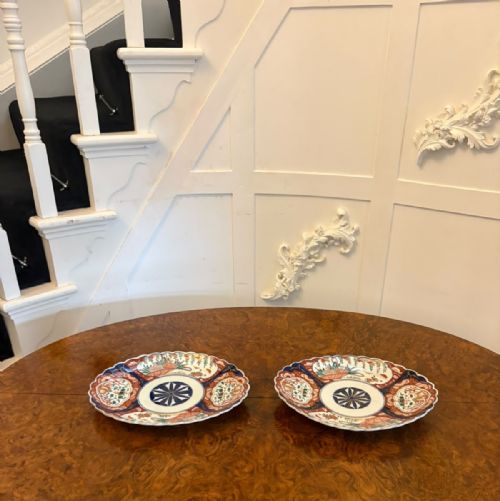
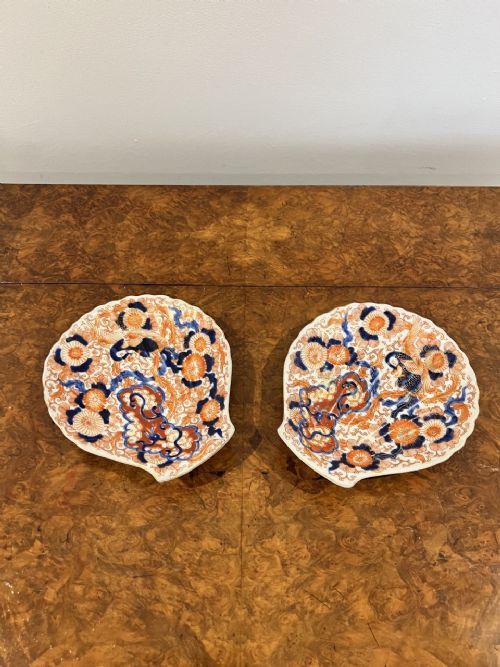
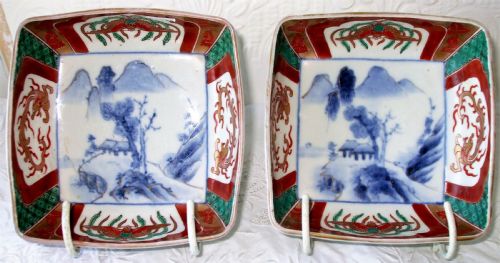
You will most commonly encounter pieces dated around the nineteen hundreds, often featuring traditional forms such as round plates, large chargers, pairs of oval dishes and unusual shapes like fish or shells.
How they were made
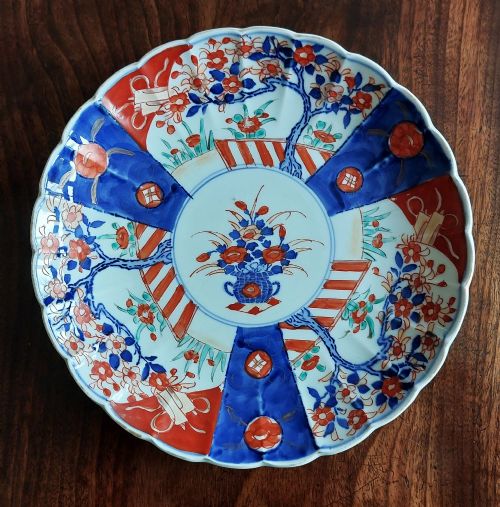
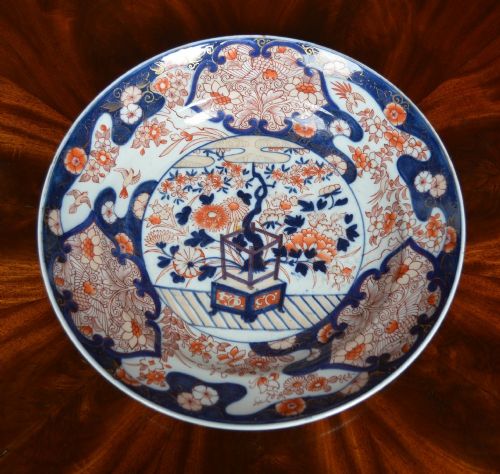
Potters shaped porcelain clay before applying cobalt underglaze details alongside enamel paints to build the rich surface patterns. Artisans then incorporated gold leaf or gilding to highlight specific areas of the decorative floral and bird motifs.
Firing techniques fused these mineral colours and glazes into a durable ceramic body. The combination of underglaze blue and overglaze enamel creates the signature palette seen across these items.
What varies in quality
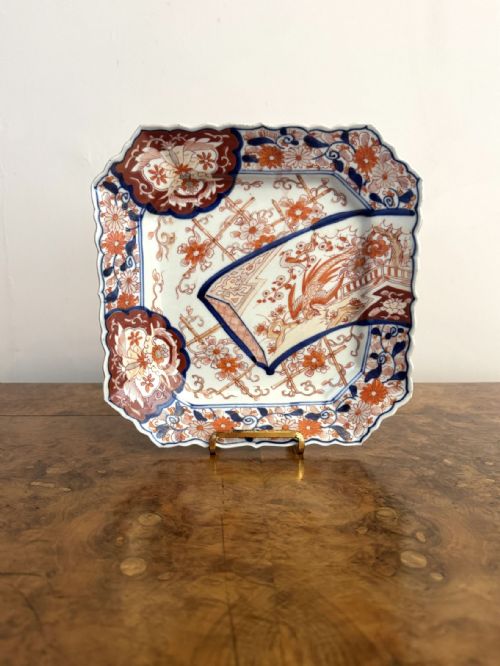
Superior examples display precise hand-painted brushwork with intricate floral and bird designs that maintain crisp outlines across the porcelain surface. Lesser items feature simpler or more repetitive decoration with less refined application of enamel and gold leaf.
Form and modelling also distinguish the range, as unusual shapes like fish, shells and squares demand greater skill from the potter than standard round plates. The depth and vibrancy of the cobalt underglaze and applied gilding further define the finer pieces.
The Meiji Imari Plate Glossary
- Meiji Period
- The era in Japanese history spanning from eighteen sixty-eight to nineteen twelve, characterised by openness to international trade and distinctive ceramic exports. This period saw prolific production of decorative porcelain for Western markets.
- Charger
- A large decorative plate intended for display on a wall or sideboard rather than for serving food. These pieces measure larger than standard dining plates and showcase more complex artwork.
- Cobalt Underglaze
- A blue pigment applied to the raw clay body before glazing and firing at high temperatures. This technique locks the colour permanently beneath the clear glass layer.
Meiji Imari Plate: Frequently Asked Questions
How do I identify meiji period pieces?
Look for the characteristic combination of cobalt underglaze blue, iron red enamel and gold leaf detailing on porcelain bodies. The styles reflect Japanese export art traditions from the late nineteenth and early twentieth centuries.
Date attributions often point towards the late nineteenth century or specific decades like nineteen hundred. The presence of traditional Arita production traits further helps verify the origin.
Are these plates meant for daily dining?
These ceramics are designed for display and decorative presentation rather than regular heavy use. Using them for dining risks damaging the delicate overglaze enamels and gold leaf.
Collectors generally mount chargers on walls or display dishes on plate stands. This preserves the hand-painted surface patterns for future generations.
What shapes do these plates come in?
Standard round plates and large chargers form the majority of available items, alongside scalloped edge dishes. You can also find pairs of oval dishes and unusual moulded forms.
Specialist shapes include fish, shells and square formats. These uncommon silhouettes demonstrate the varied craftsmanship of the period.