



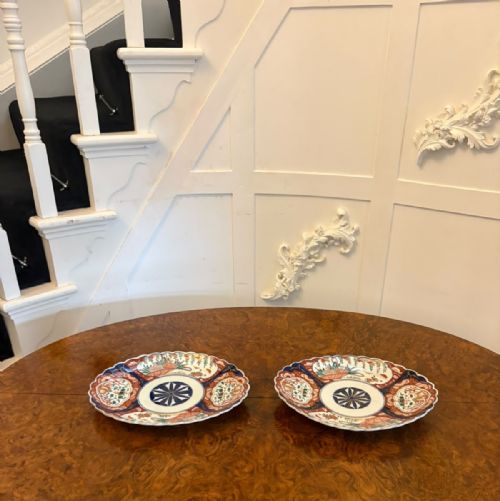
Hand Painted Oriental Dish
A hand painted oriental dish brings vibrant colour and intricate ceramic artistry into a room, spanning centuries of Asian export production.
Hand Painted Oriental Dish
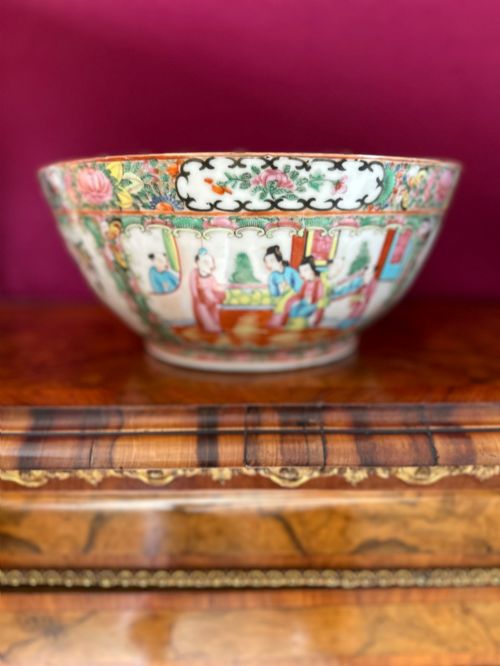
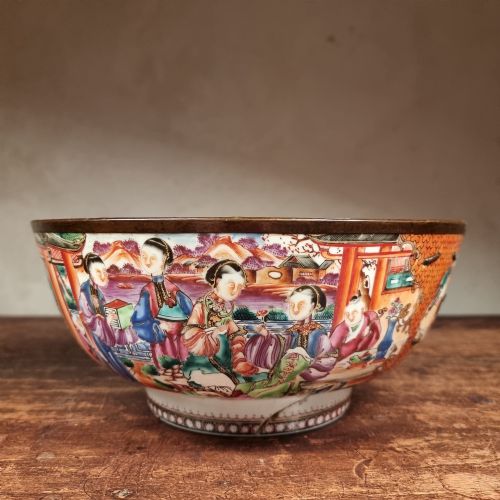
When searching for a hand painted oriental dish, collectors encounter a diverse range of decorative plates, chargers, and bowls originating from China and Japan. The pieces span periods from the eighteenth century through the nineteenth century and into the early twentieth century, including the Meiji and Qing dynasties.
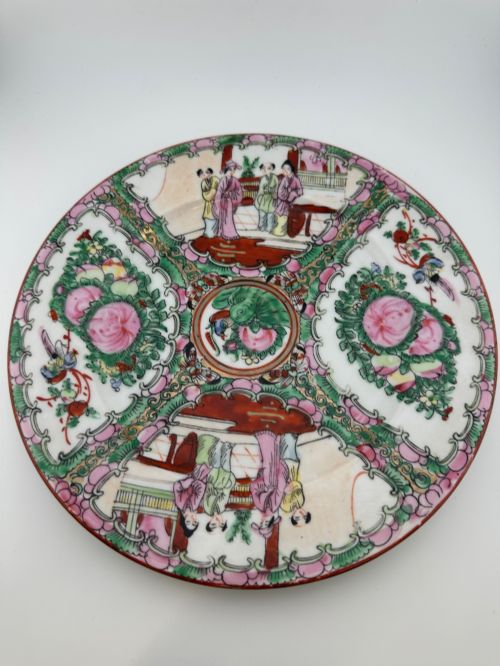
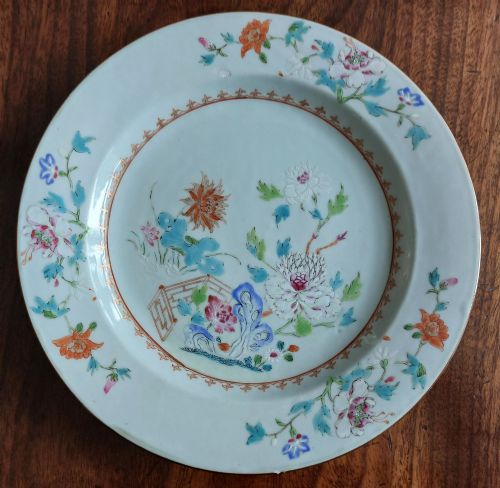
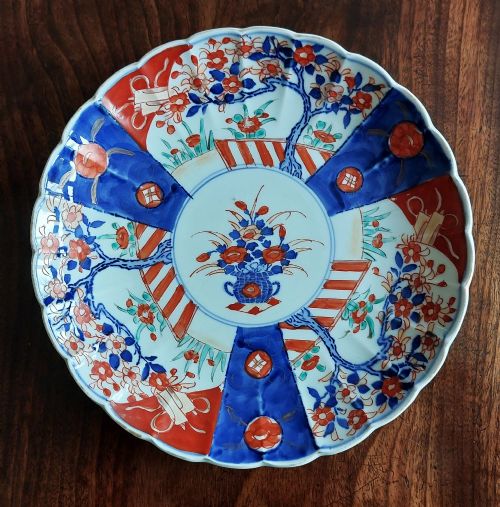
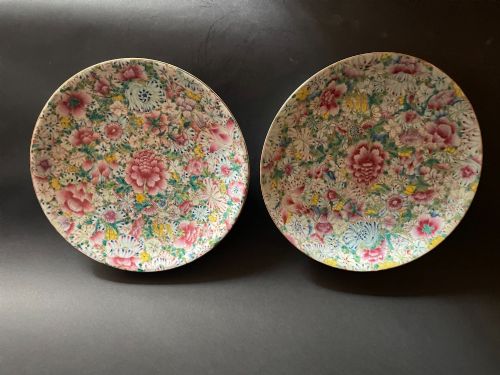
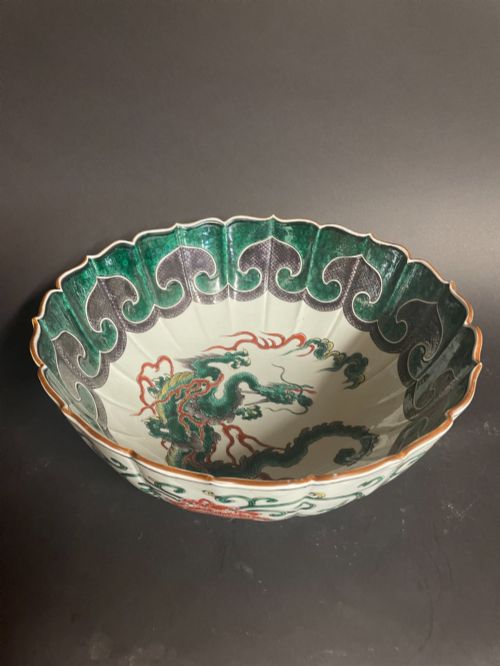
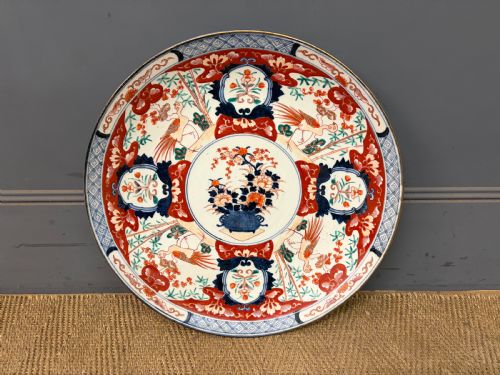
Japanese Imari wares dominate the selection, often taking the form of scalloped plates, chargers, and bowls decorated with rich cobalt underglaze and gilt highlights. Alongside these are Chinese porcelain and earthenware pieces decorated in Famille Rose, Famille Verte, and Canton styles, ranging from simple plates to large ceremonial chargers.
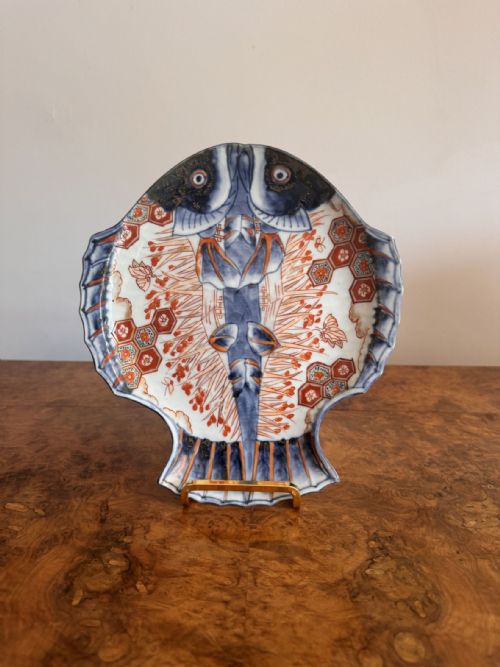
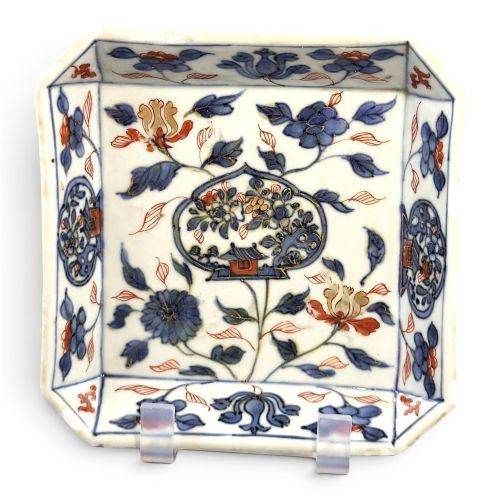
Forms vary from standard circular dishes to unusual shapes such as hexagonal plates, oval dishes, chamfered square bowls, and pieces modelled in the form of a fish. Buyers find both individual items and matched pairs suitable for wall display or table placement.
How They Were Made
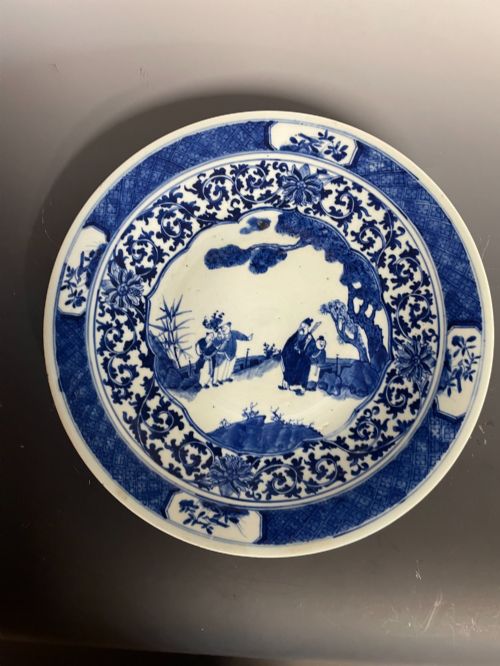
Potters shaped fine porcelain and earthenware on the wheel or pressed clay into moulds to create plates, bowls, and large chargers with uniform walls. Artisans then applied underglaze cobalt pigments before the primary firing to establish the foundational blue tones.
Painters added detailed overglaze enamel colours by hand, layering pigments to depict floral motifs, exotic birds, and figurative scenes. Many workshops then applied gold leaf or gilt details during a final low-temperature fixation firing to catch the light.
Several plates shaped entirely like fish swim onto the market, proving that nineteenth-century potters enjoyed serving dinner on the fauna itself.
What Varies in Quality
The precision and brushwork of the hand painted decoration define the upper tier of these ceramics, where fine lines and controlled pigments show the hand of a skilled artisan. Simpler pieces often display looser, more repetitive brushstrokes applied for commercial export markets rather than individual artistic merit.
The crispness of the porcelain body and the richness of the glaze separation also set finer examples apart from standard production items. Pieces retaining bright, intact gold leaf and well-preserved enamel colours demonstrate superior preservation and original material quality.
Koshida·Gyokkō·Kozan
The Hand Painted Oriental Dish Glossary
- Imari
- A style of Japanese porcelain originating from the port of Arita, traditionally decorated in cobalt blue, iron red, and gold. These pieces were heavily exported to Europe from the seventeenth century onward.
- Satsuma
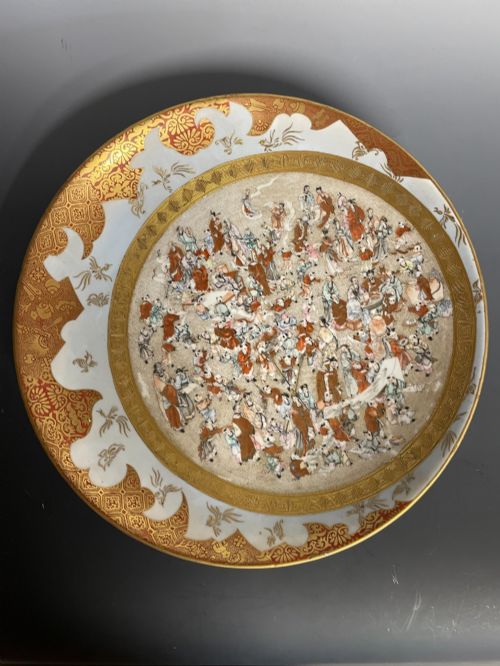
- A type of earthenware from Japan characterised by a ivory craquelure glaze decorated with elaborate enamel and gilt patterns. Kyoto workshops produced many notable examples during the nineteenth century.
- Famille Rose
- A Chinese porcelain palette introduced in the eighteenth century, dominated by opaque pink enamel derived from colloidal gold. The style allowed for delicate shading in floral and figurative designs.
- Charger
- A large decorative plate intended for display on a wall or sideboard rather than for practical dining use. These items often feature the most ambitious painting in a workshop's output.
- Cobalt Underglaze
- A blue pigment applied to raw ceramic bodies before glazing and high-temperature firing, ensuring the colour becomes permanently sealed beneath the glassy surface.
Hand Painted Oriental Dish: Frequently Asked Questions
How do I hang a heavy charger?
Heavy chargers require secure wall mounting using professional brass wire hangers that grip the rim safely without exerting pressure on weak points. Ensure the fixture is anchored directly into solid wall studding rather than plaster alone.
Check the weight distribution of the piece before mounting, particularly for large Imari chargers with thick porcelain bodies. Using a padded backing prevents the metal clips from scratching the glaze or the foot ring.
What is the difference between Imari and Satsuma?
Imari wares are hard-paste porcelains made in Japan featuring glazed surfaces painted in cobalt blue, iron red, and gold. They have a ringing tone when tapped and a smooth, vitreous finish.
Satsuma pieces are earthenware bodies covered in a characteristic creamy glaze with microscopic crackle lines. They feature matte enamel and heavy gilt decorations applied over the glaze rather than beneath it.
Were these dishes made for export?
The vast majority of nineteenth-century Imari and Canton ceramics were produced specifically for export markets in Europe and America. Workshops adapted traditional motifs to suit Western decorative tastes.
Export wares often combined familiar Asian iconography with shapes like chamfered square bowls or scalloped plates that appealed to foreign buyers. This international trade drove large-scale production across Japanese and Chinese pottery centres.