

Mahogany Glazed Vitrine
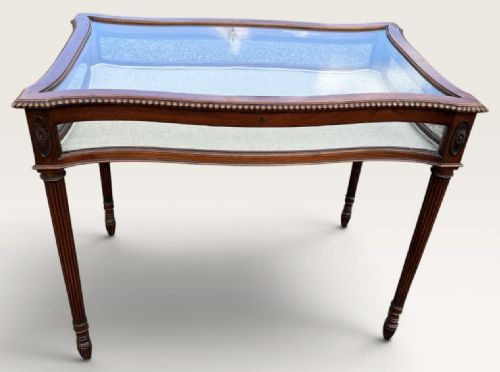
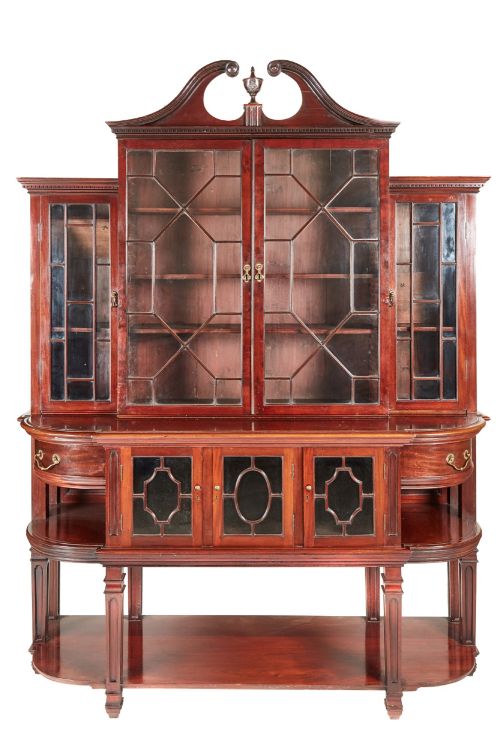
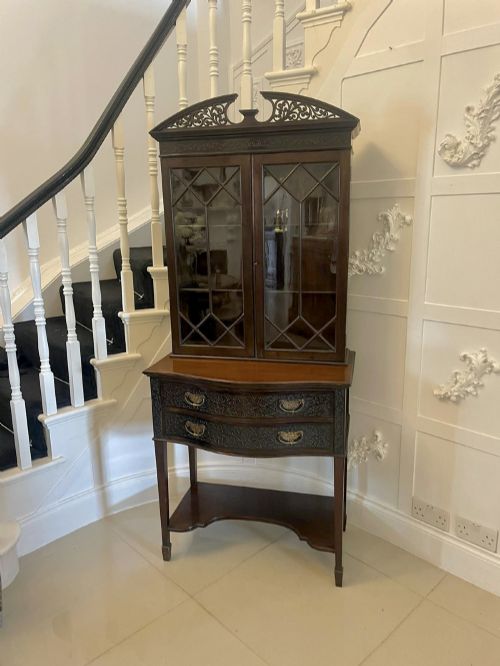
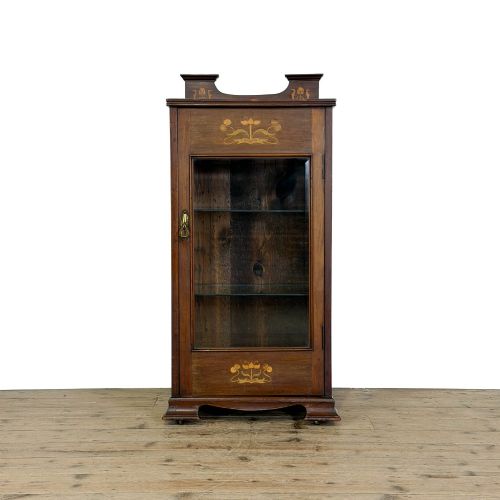
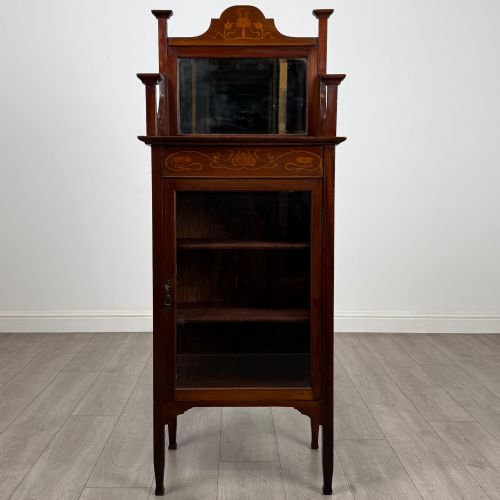
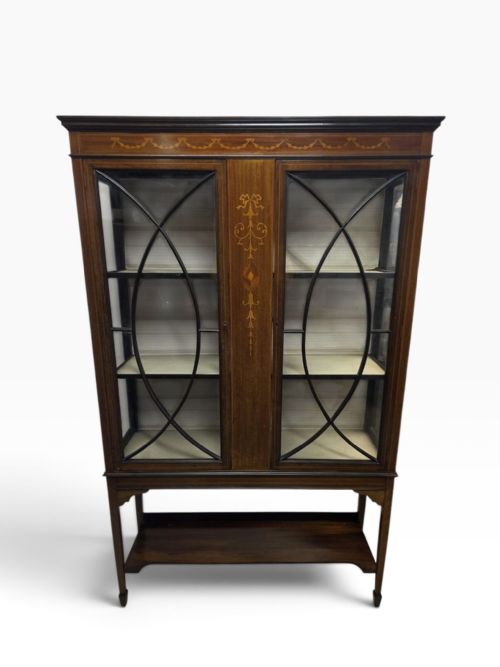
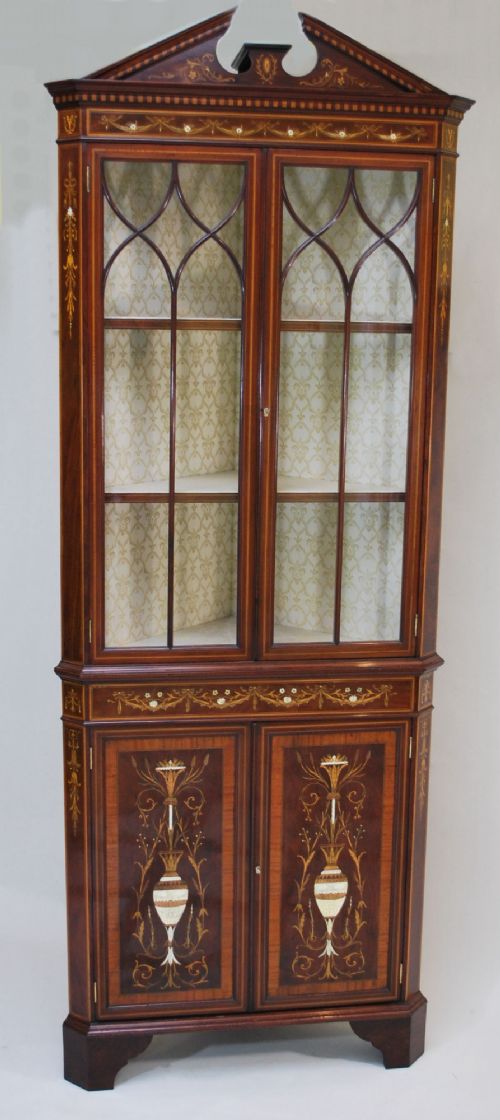
These mahogany glazed vitrine cabinets bring refined display space to a room, offering classic proportions and clear glass panels to show your collection.
What a mahogany glazed vitrine is
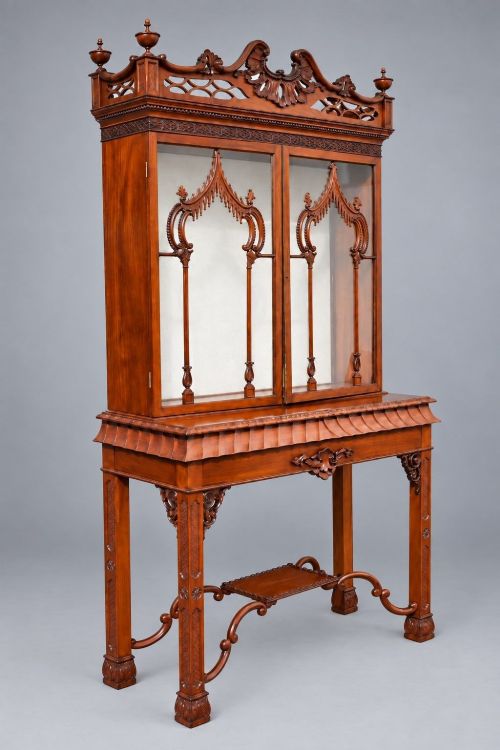
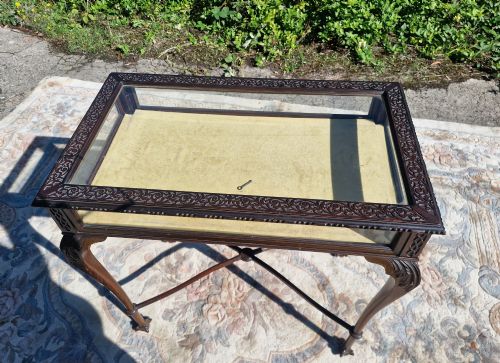
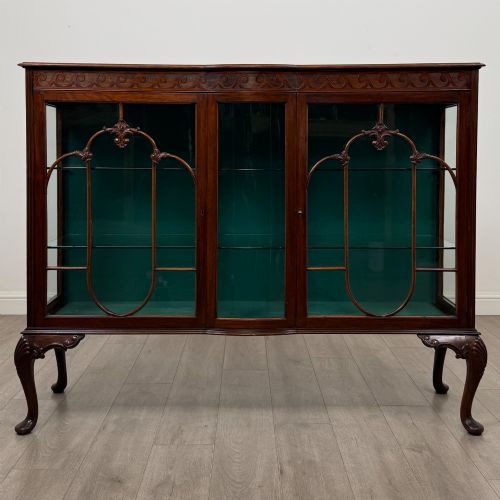
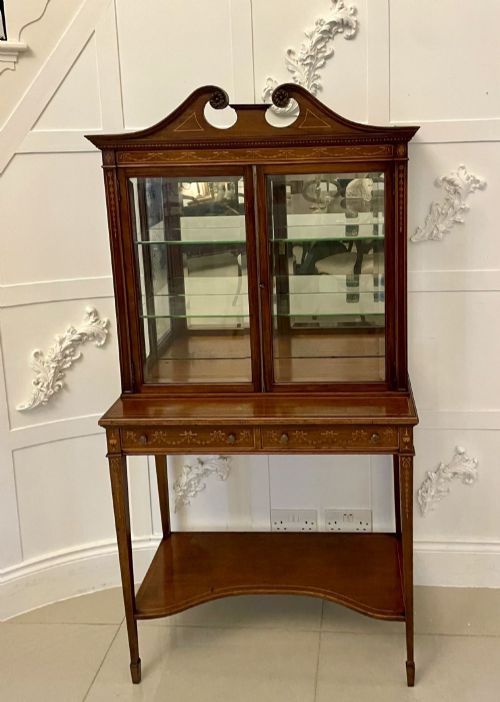
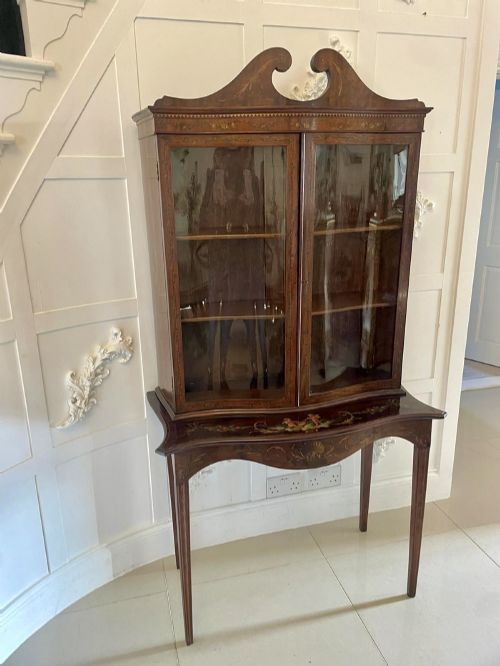
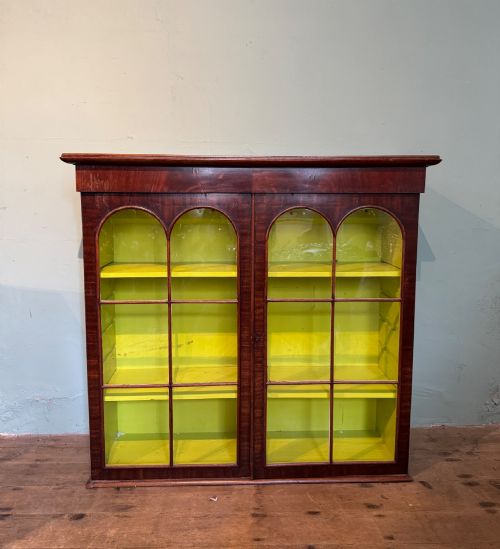
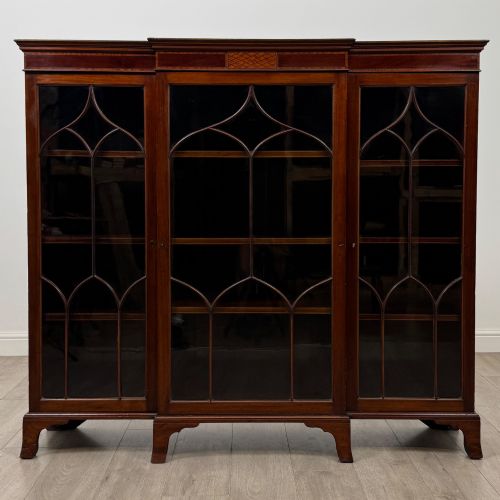
A mahogany glazed vitrine is a piece of display furniture designed to hold and protect decorative objects while keeping them fully visible. The selection on this page centres on display cabinets and corner cabinets made from rich timber.
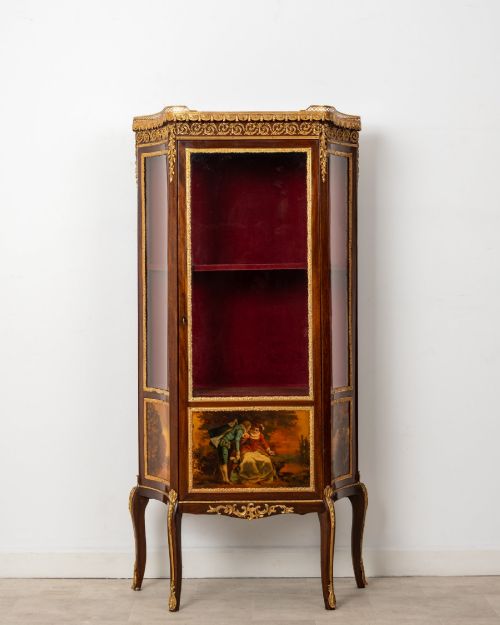
You will most commonly meet pieces from the Edwardian period, alongside examples dating from the nineteenth century and around nineteen hundred. These cabinets often draw on Chippendale, Georgian, and Louis XV styles.
The form adapts to different spaces through freestanding display cabinets and fitted corner cabinets. Each variation uses glass panes to frame the interior shelves.
How they were made
Cabinet makers built these pieces using solid and veneered mahogany, often pairing the dark timber with satinwood stringing, brass fittings, and ormolu mounts. Glass forms the primary viewing panels for the doors and sides.
Interests in historic revival styles led makers to incorporate carved details, astragal glazing bars, and inlaid motifs. Interiors frequently lined with fabric or velvet provided a soft backdrop for displayed items.
Retail Price Guide 2026
Typical UK retail prices for mahogany glazed vitrine, calculated from the Sellingantiques database of over a million retail prices indexed since 2003. This retail price guide relies exclusively on Sellingantiques data; no external sources or auction records are used, so the figures do not describe the wider market.
Some Edwardian vitrines hide secret inner velvet linings that have silently absorbed generations of polite tea party gossip.
What varies in quality
Quality in a mahogany glazed vitrine rests on the depth of the timber figuring, the crispness of any carved or inlaid decoration, and the refinement of the brasswork. Finer examples show careful balance between the mahogany frame and the glass panels.
The sophistication of the stylistic revival work marks the distinction between standard production and superior pieces. Subtle details in the glazing bars and ormolu mounts elevate the overall presence of the cabinet.
The Mahogany Glazed Vitrine Glossary
- Vitrine
- A glass-fronted cabinet designed specifically for displaying fine objects or collections. The word comes from the French term for glass.
- Astragal glazing
- Wooden bars that divide a glass window or door into smaller panes. They add structural support while creating a decorative grid pattern.
- Ormolu
- Gilt bronze mounts applied to furniture for decorative effect. This technique was widely used in French furniture and later revival styles.
- Satinwood
- A pale, lustrous exotic timber often used for contrasting inlay and stringing on darker woods like mahogany.
- Vernis Martin
- A type of decorative lacquer finish developed in France, known for its smooth, polished surface often adorned with painted scenes.
Frequently Asked Questions
What is a mahogany glazed vitrine used for?
These cabinets serve as secure display spaces for porcelain, silver, and small prized collectibles. The glass panels protect items from dust while allowing them to be viewed from across the room.
Their enclosed shelves make them practical for everyday display in living rooms or dining spaces. They keep delicate items safe from accidental knocks.
How do I date an Edwardian vitrine?
Edwardian pieces generally date from the early twentieth century and often feature lighter construction methods than their Victorian predecessors. Look for stylistic cues such as Arts and Crafts inlay or simplified revival forms.
The use of satinwood stringing and specific Edwardian hardware helps distinguish these cabinets from nineteenth-century work. Examining the interior lining and timber backing also provides clues to the era of manufacture.
Are all vitrines French in origin?
While the term vitrine originates in France, many cabinets found in Britain are domestic products made in Edwardian and late Victorian workshops. British makers frequently adopted French styles such as Louis XV.
You will find pieces reflecting English revival tastes alongside continental designs. The construction details and secondary woods usually reveal the workshop's geographic origin.
Where should I place a corner cabinet?
Corner cabinets fit neatly into unused room angles, making them efficient choices for smaller spaces. They draw the eye to corners that might otherwise remain empty.
Ensure the floor is level so the glazed doors hang true and swing properly. Position the cabinet away from direct sunlight to protect both the mahogany timber and any fabric interior lining.