
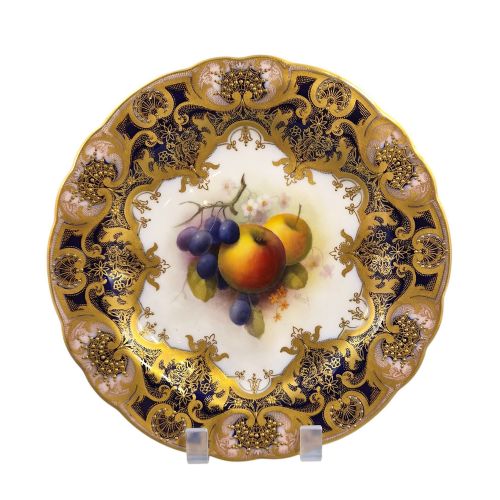
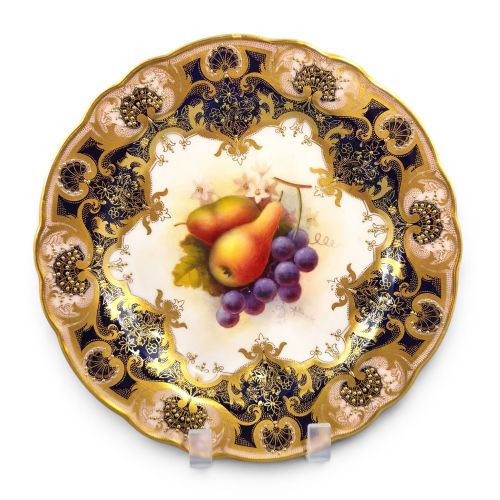
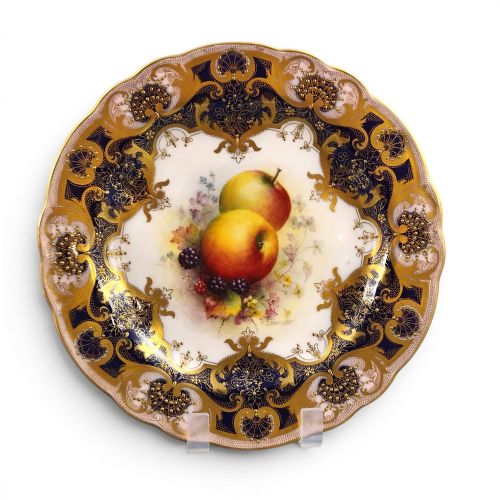
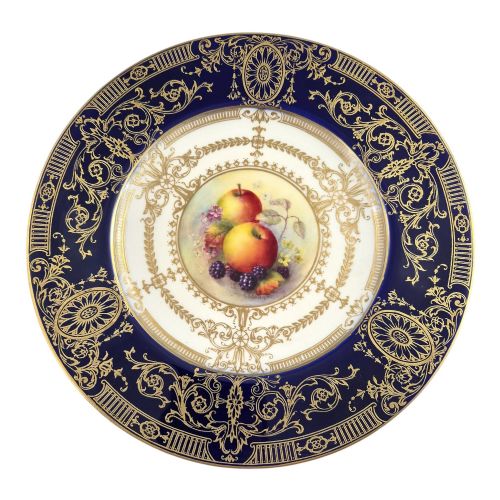


Gilded Cobalt China Dish
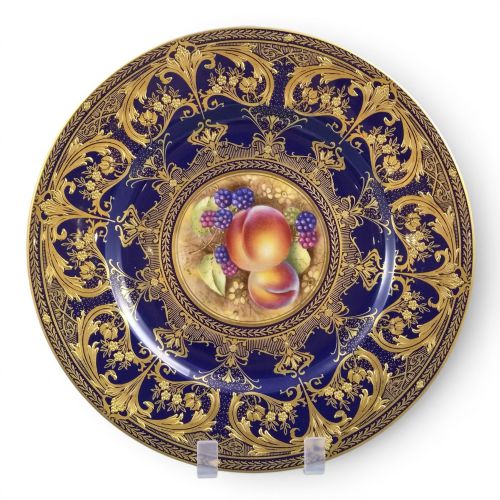
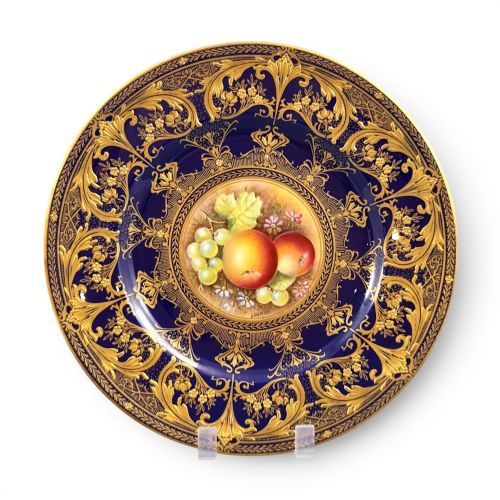
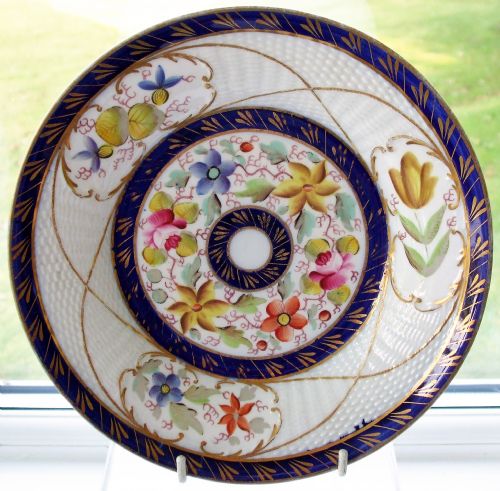
A gilded cobalt china dish brings rich cobalt blue and metallic gold leaf together on porcelain or ironstone.
Gilded Cobalt China Dish
When you search for a gilded cobalt china dish, you encounter a variety of serving dishes, cabinet plates, and tureens that utilise deep blue underglaze and rich gold decoration. These items emerge from prominent periods such as the eighteenth century, the Regency era, and the nineteenth century, alongside later twentieth-century examples.
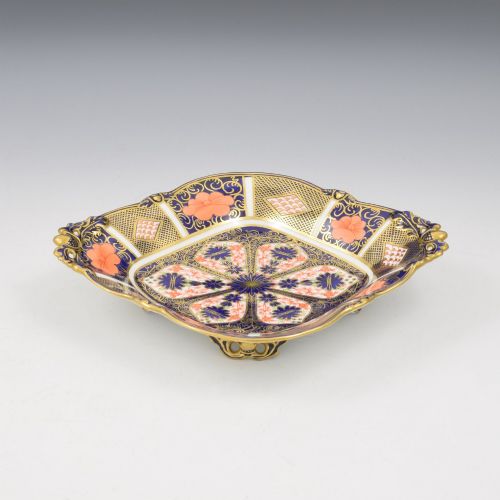
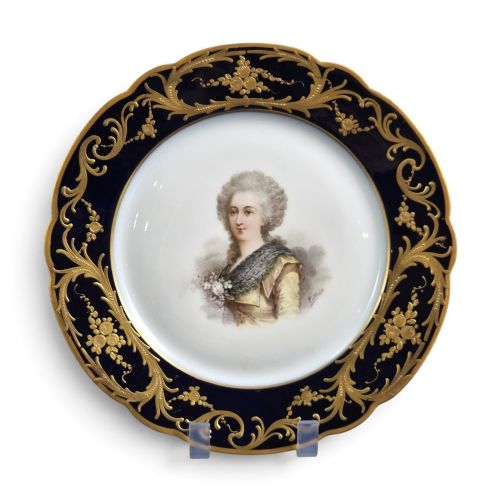
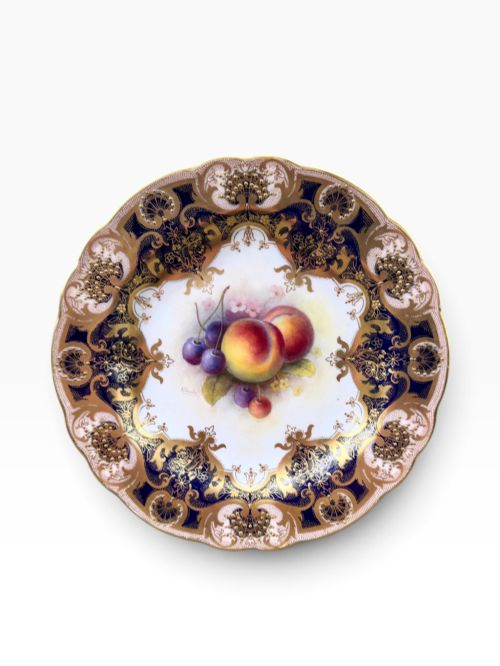
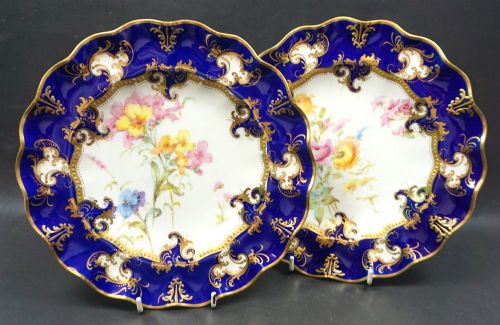
The pieces on this page span English factories like Royal Worcester and Coalport, continental makers such as Sèvres and Meissen, and Japanese Imari traditions. Cabinet plates and decorative serving dishes dominate the selection, often bearing hand-painted floras, armorial crests, or traditional patterns.
How they were made
Potters shaped porcelain, bone china, or ironstone before applying cobalt blue pigments and firing the body to fix the colour. Artisans then added gold leaf, gilding, or enamel detailing by hand, sometimes returning the piece to the kiln for a final fix.
Moulded contours, pierced rims, and hand-painted scenes require precise temperature control during firing. The integration of cobalt pigment with applied gold leaf demands technical skill from the painter and the gilder.
Several plates depict whimsical bird scenes, historic castles, and botanical studies alongside traditional Japanese Imari patterns.
What varies in quality
Quality rests in the precision of the hand-painting and the depth of the tooled gilding upon the porcelain surface. Pieces bearing signatures from known artists or specific factory ciphers demonstrate higher artistic ambition.
The crispness of moulded ironstone details and the vibrancy of the cobalt ground layer distinguish standard domestic tablewares from exhibition-grade cabinet plates.
Royal Crown Derby·Royal Worcester·Coalport·Chamberlain Worcester·New Hall·Meissen·Sèvres
The Gilded Cobalt China Dish Glossary
- Cobalt
- A deep blue metallic oxide used to colour ceramics beneath the glaze before high-temperature firing. This pigment produces the rich blue background seen on many antique plates.
- Gilding
- The application of gold leaf or powdered gold onto the surface of ceramic wares for decorative effect. Tooled gilding adds textured highlights to the design.
- Ironstone
- A heavy, durable type of earthenware patented in the nineteenth century to imitate Chinese porcelain. It provides a sturdy body for tureens and serving dishes.
- Imari
- A decorative style originating in Japan featuring cobalt blue, iron red, and gilt highlights. European potteries frequently copied these bold motifs.
- Cabinet plate
- A decorative ceramic plate intended for display in a cabinet rather than for daily dining use. These pieces often feature elaborate hand-painted scenes and gilt borders.
Gilded Cobalt China Dish: Frequently Asked Questions
How do I care for antique gilded dishes?
Wash these ceramics gently by hand in lukewarm water using mild soap, avoiding abrasive sponges that might wear away the gold leaf.
Store them securely in cabinets or use padded plate hangers to protect the decorated edges from chipping.
Were these dishes meant for dining?
Many items functioned as serving dishes, soup plates, or dessert plates for formal meals during the Georgian and Victorian periods.
Cabinet plates and armorial wares were primarily decorative or displayed family prestige rather than serving food.
How do I identify the period of a piece?
Examine the back of the ceramic for factory marks, pattern numbers, or impressed ciphers that correspond to specific dates of operation.
Painting styles, moulding shapes, and the composition of the porcelain body also offer clues to the era of manufacture.
What is the difference between porcelain and ironstone?
Porcelain is a fine, vitrified ceramic that is often translucent when held to the light, typical of high-status cabinet plates.
Ironstone is a dense, opaque earthenware designed for durability, frequently found in heavier serving dishes and tureens.