


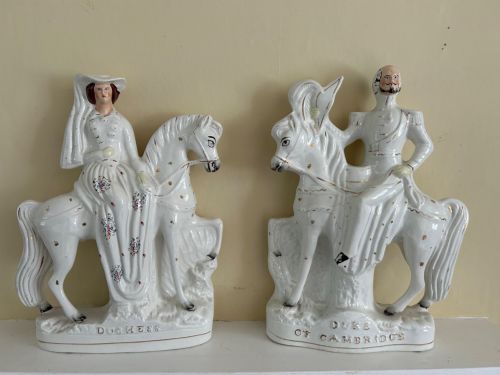
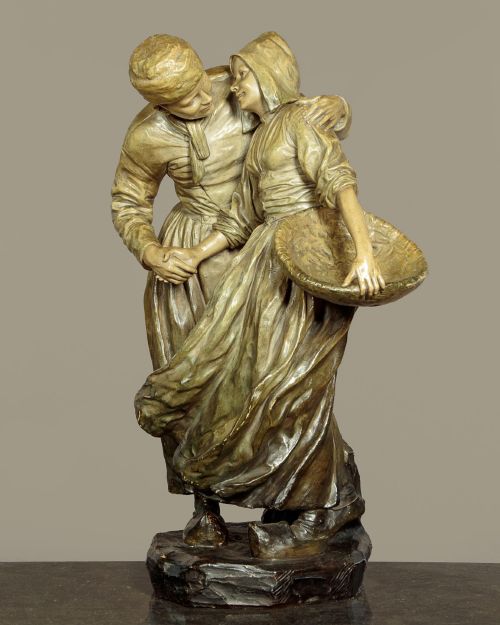
Earthenware Pottery Figure
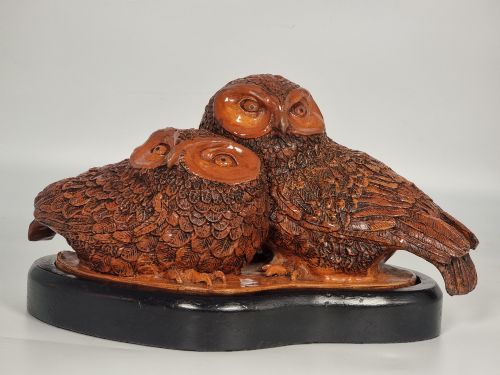
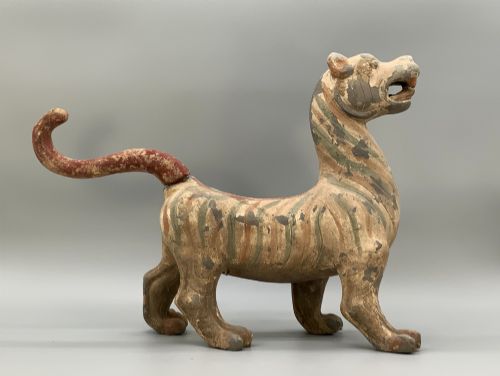
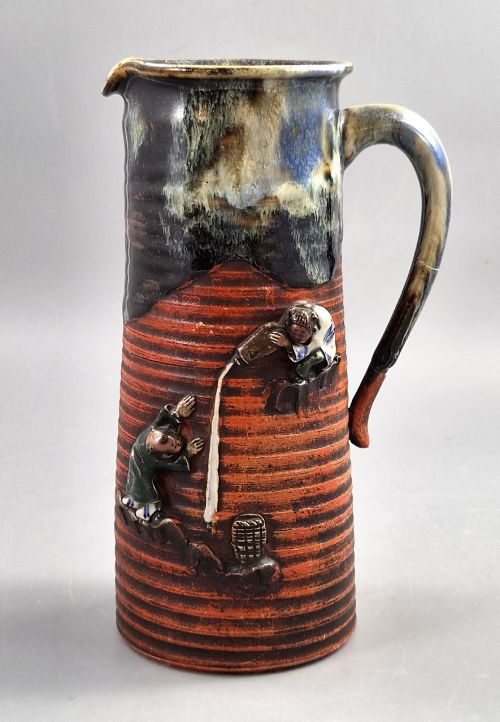
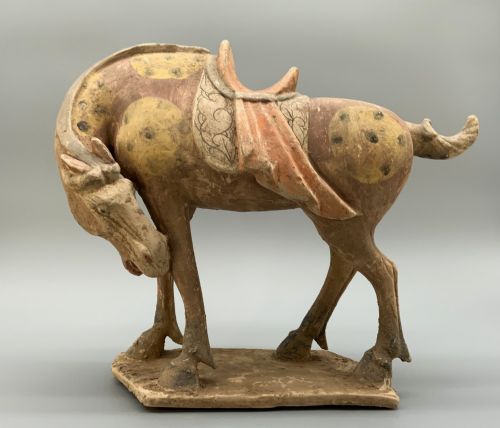
These earthenware pottery figure pieces encompass centuries of sculptural tradition, offering collectors tactile representations of animals, historical figures, and deities.
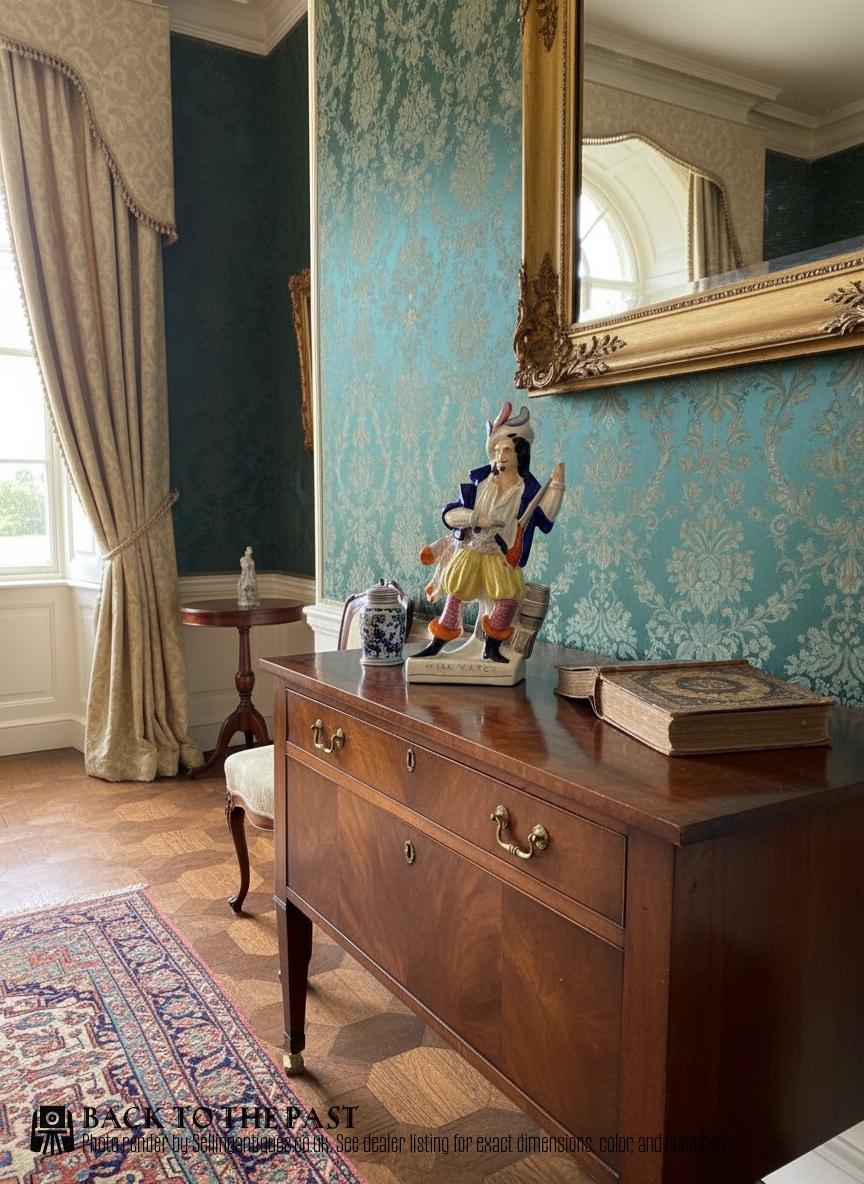
Earthenware Pottery Figure
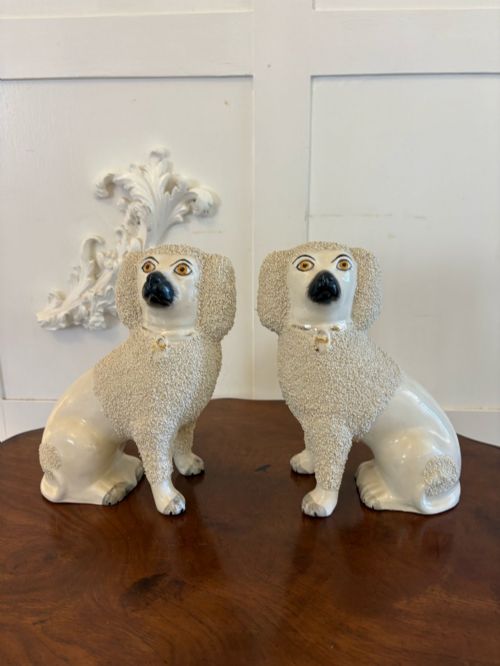
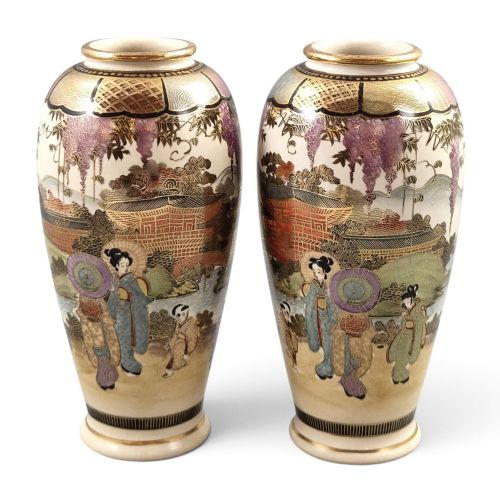
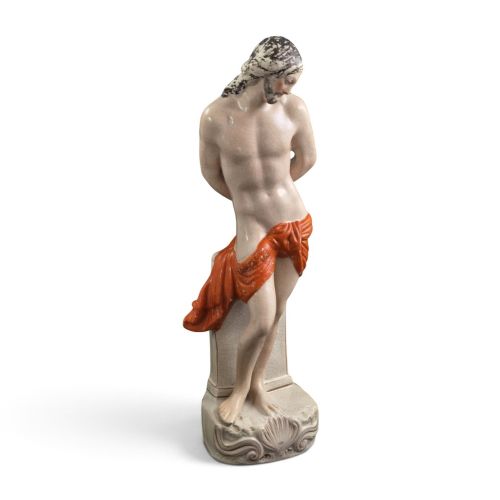
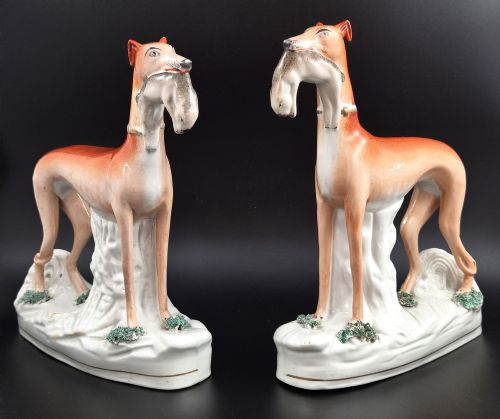
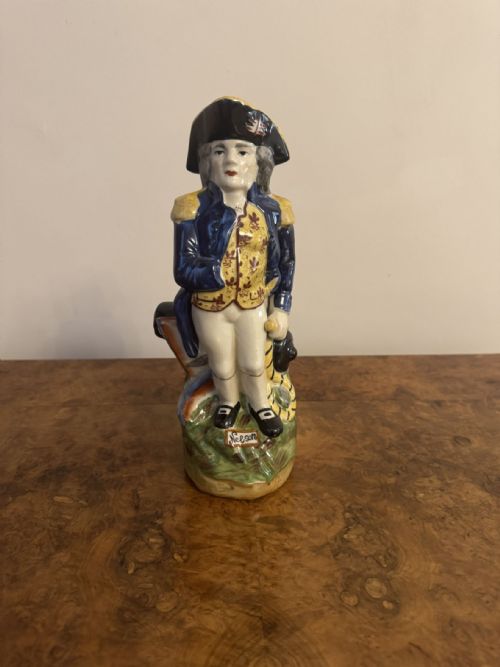
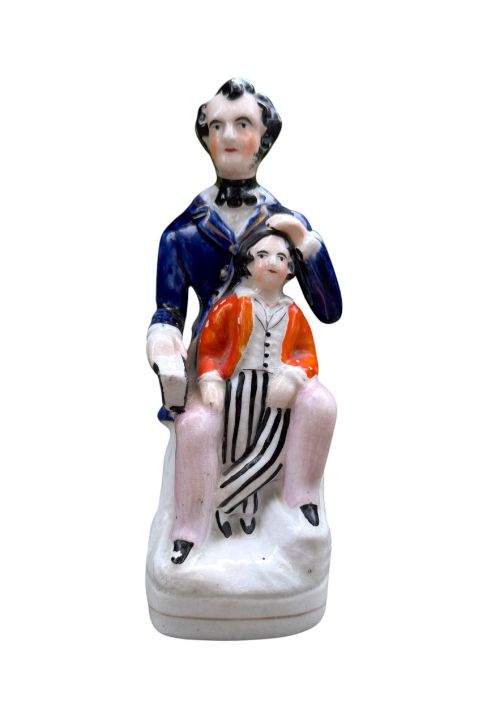
When searching for an earthenware pottery figure, a buyer encounters a diverse range of objects spanning multiple centuries and continents, from ancient Chinese guardian beasts to nineteenth-century Staffordshire portrait models. The nineteenth century yields the highest volume of examples, particularly British Staffordshire flatbacks, spaniels, and historical personalities.
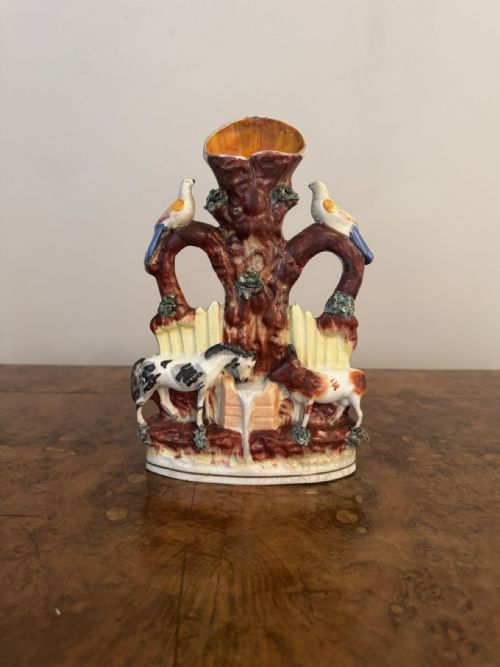
Formally, these works appear as standalone figurines, pairs of animals, decorative spill vases, and characterful toby jugs. Subjects extend from domestic pets like greyhounds and poodles to theatrical performers and political figures of the Victorian era.
Materials and construction
The construction of an earthenware pottery figure typically relies on porous clay bodies shaped by hand sculpting or press-moulding in ceramic moulds. Artisans then apply surface decoration using glazes, enamels, and sometimes gold leaf to add colour and detail.
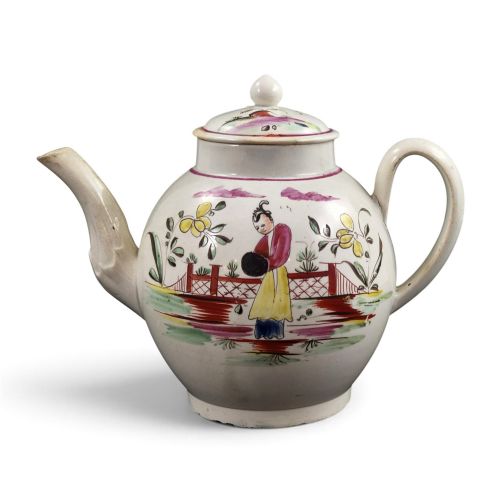
Earlier Chinese and Japanese examples utilise local terracotta and specialised ceramic techniques, while European Staffordshire pieces often employ lead glaze and painted enamel highlights over a creamware or pearlware body.
Materials represented in the inventory include terracotta, lead glaze, enamel, and gold leaf on ceramic bodies.
Distinctions in craftsmanship
The fluidity of the glaze and the precision of the sculptural form separate mass-produced factory pieces from works by notable studio potters or accomplished makers.
Charles Vyse·Goldscheider·Inoue Ryosai·Shozan
The Earthenware Pottery Figure Glossary
- Earthenware
- Porous ceramic fired at a relatively low temperature, requiring glaze to hold liquids. It serves as the primary body material for traditional figures and jugs.
- Flatback
- A Staffordshire pottery figure designed with an unglazed or minimally finished flat rear, intended to sit flush against a wall or mantelpiece.
- Toby jug
- A pottery jug moulded in the shape of a seated person, usually a robust eighteenth or nineteenth-century character holding a mug and a pipe.
- Spill vase
- A hollow figurine incorporating an attached vertical cylinder designed to hold wooden spills for lighting fires.
- Pearlware
- A refined fine-grained earthenware developed in the eighteenth century, featuring a faint bluish tinge in the glaze.
Earthenware Pottery Figure: Frequently Asked Questions
What is a Staffordshire flatback figure?
A Staffordshire flatback is a nineteenth-century earthenware pottery figure modelled with a decorated front and a flat, unpainted back. These pieces were intended to be displayed on mantelpieces where only the front view was visible.
Potters produced them in large numbers to depict royalty, theatrical stars, historical events, and domestic animals like spaniels and greyhounds.
How do I date an antique earthenware figure?
Dating relies on stylistic clues, the type of ceramic body used, and the nature of the glaze or enamel colours. Victorian pieces often show distinct political subjects or moulded titles on the base.
Earlier items from the Han or Tang dynasties exhibit characteristic burial clays and painted pigments, while nineteenth-century English pieces utilise earthenware or pearlware bodies.
What is the difference between a figurine and a toby jug?
A figurine is a solid or hollow decorative sculpture depicting a person, animal, or mythical beast for visual display. A toby jug is a functional drinking vessel shaped as a seated, often humorous human character.
Toby jugs typically feature a removable hat as a lid or a handle at the back, combining utility with sculptural form.
How were nineteenth-century pottery figures painted?
Potters applied enamel colours and metallic oxides over the fired ceramic body, often followed by a second low-temperature firing to fuse the pigments. Artisans hand-painted details such as eyes, lips, and clothing patterns onto moulded earthenware.
This method allowed factories to produce uniform shapes while varying the decorative finishes across different production batches.