

Brass Movement Clock
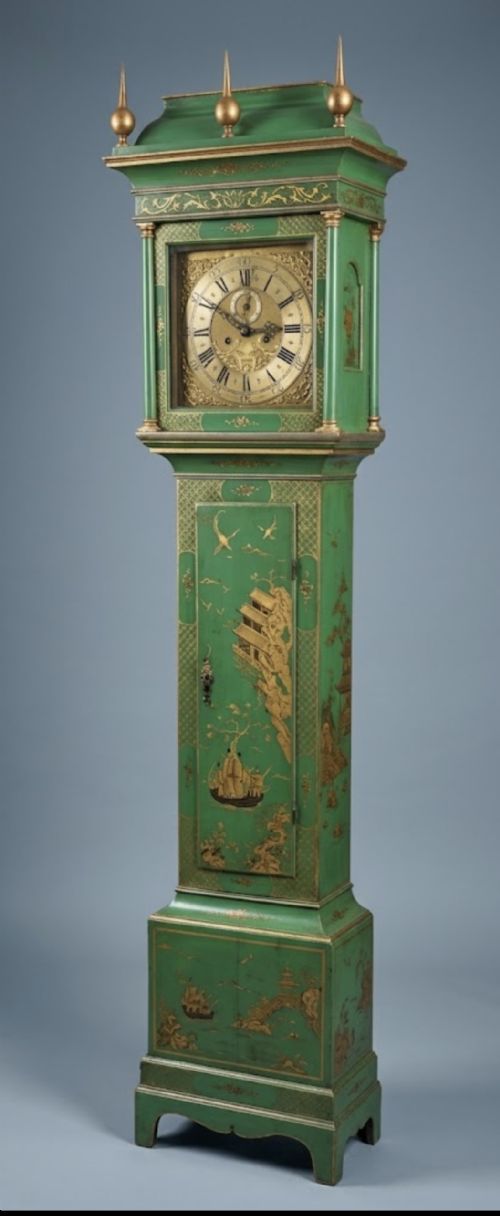
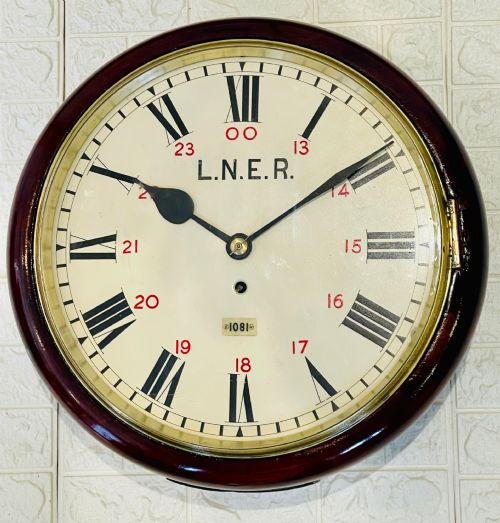
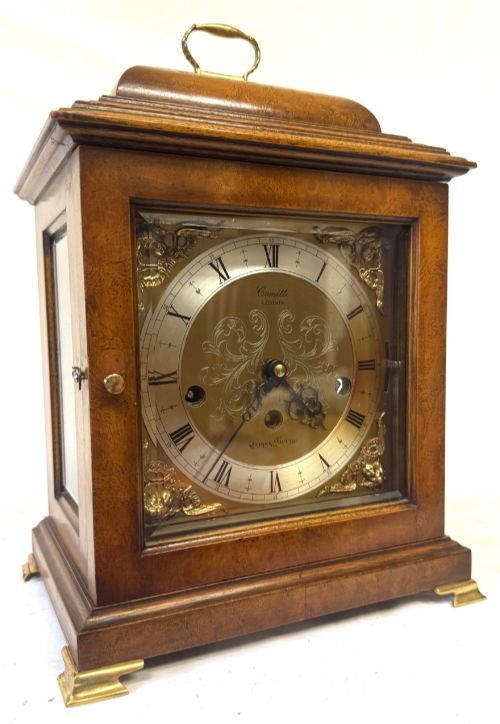
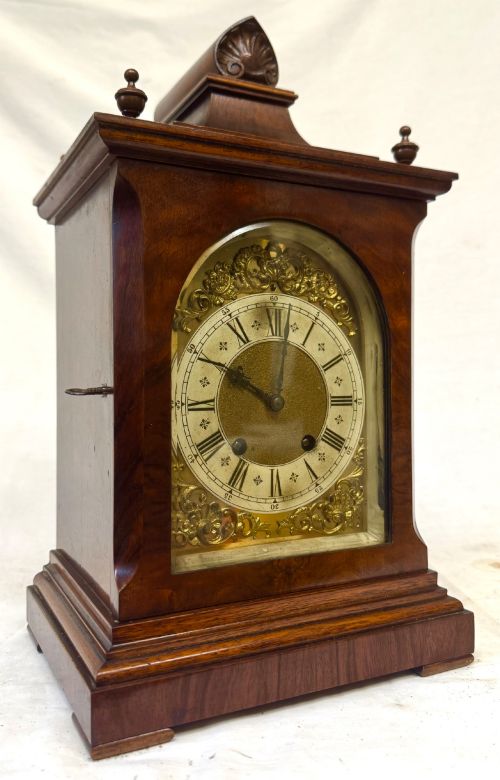
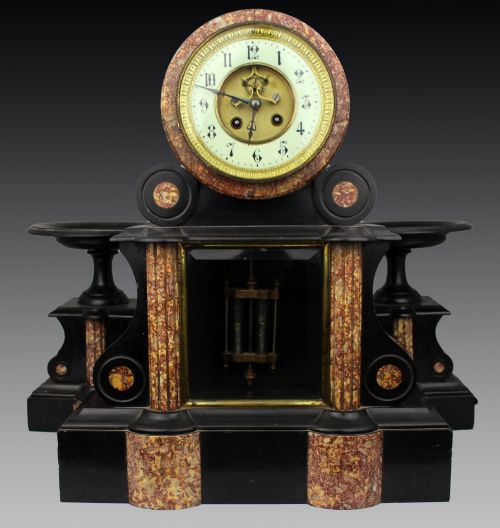
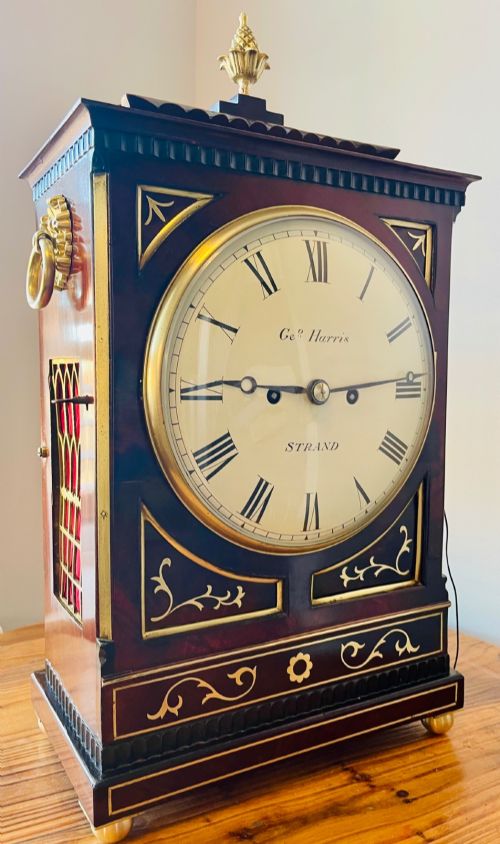
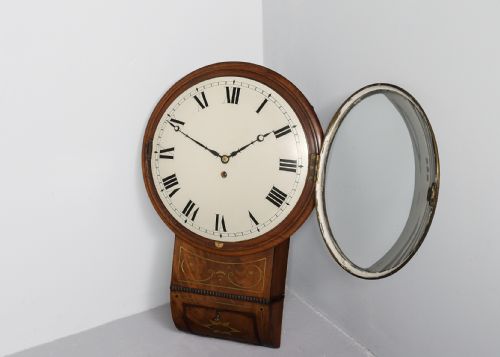
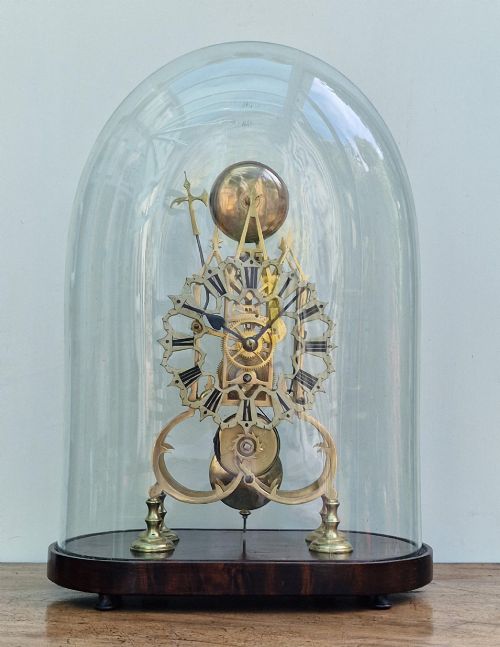
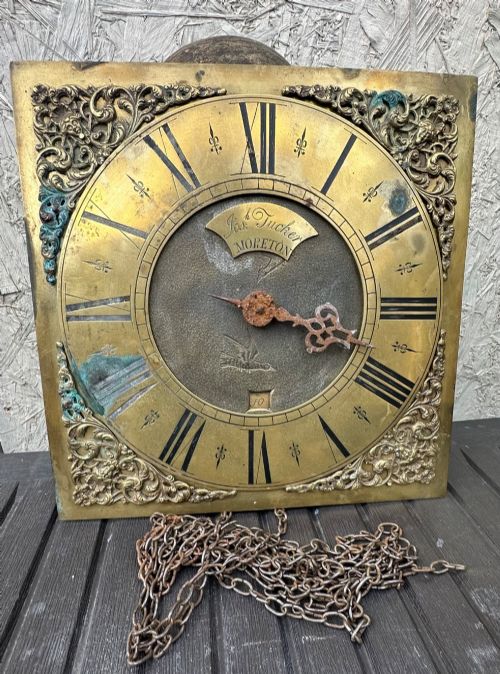
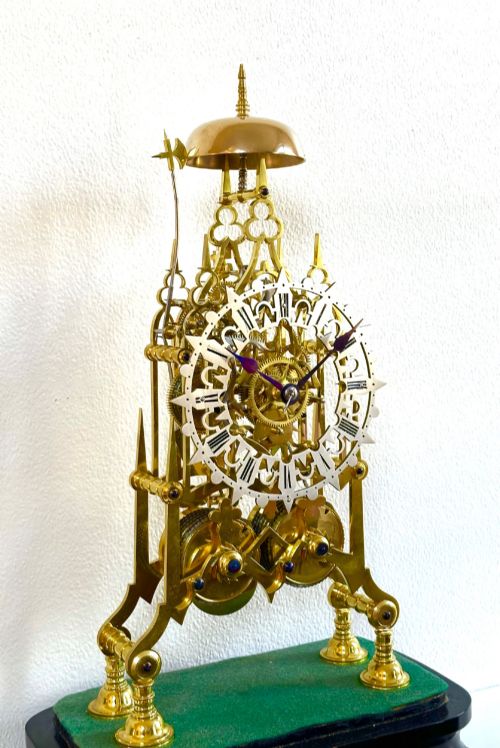
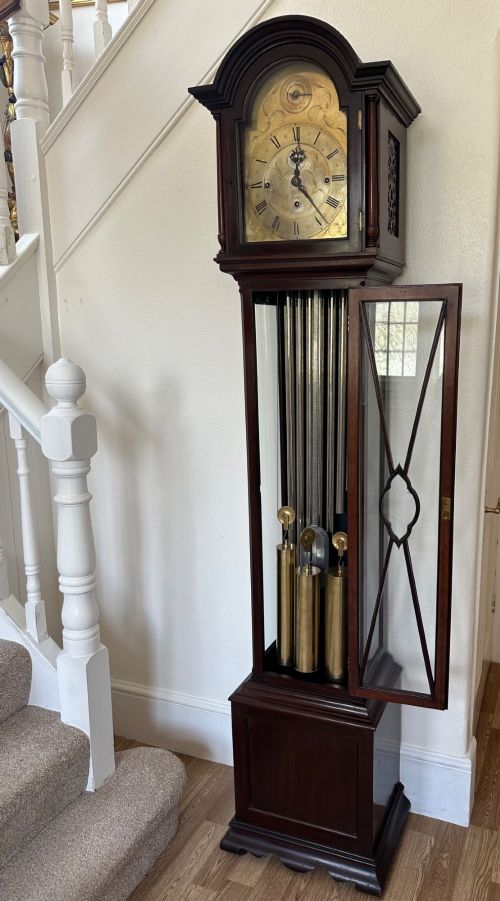
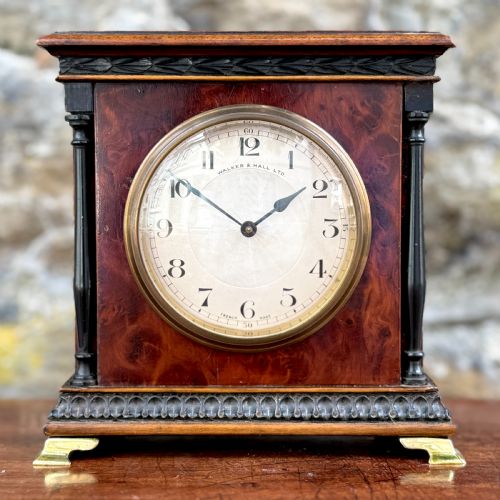
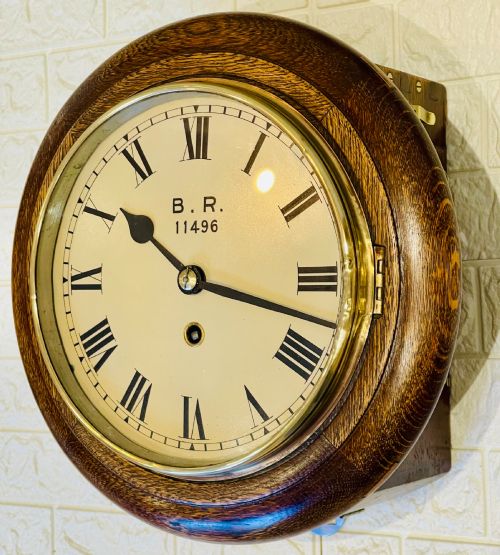
These brass movement clock examples span longcase, bracket and railway wall forms, driven by mechanical gears and metal dials.
Brass Movement Clock
A brass movement clock brings together timekeeping machinery and timber or metal housing, originating from periods such as the eighteenth century, the Victorian era, and the Edwardian years.
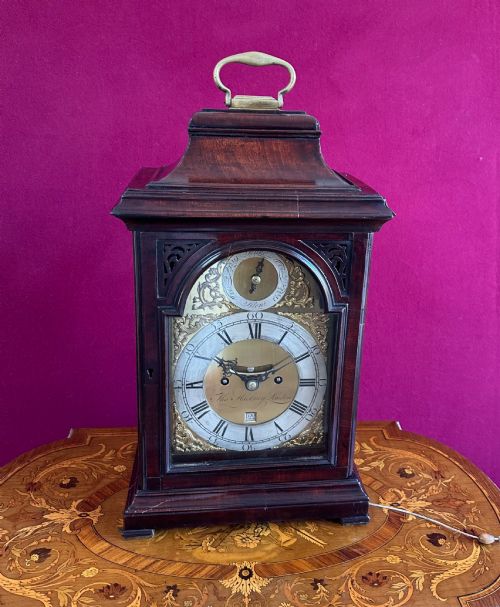
The selections on this page include tall longcase clocks, heavy bracket pieces, and round-faced wall dials utilised by railway networks.
Makers housed these brass mechanisms in mahogany, oak, burr walnut, marble, and lacquered wood cases, often with painted enamel or engraved metal dials.
Materials and technique
Craftsmen built the internal mechanisms using brass for gears and plates alongside steel and iron for springs and arbors.
Cases combined solid timbers such as mahogany and oak with veneers like burr walnut, complemented by glass bezels and cast brass bezels or dials.
Listings feature eighteenth-century pieces through to nineteen-sixties designs, utilising oak, mahogany, burr walnut, and marble.
What varies in quality
The standard of a brass movement clock depends on the precision of the gear-cutting and whether the maker signed the dial or movement backplate.
Case construction separates ordinary examples from finer works, marked by hand-cut inlay, substantial timber thickness, and crisp brass casting.
John Fielder of Alton·Comitti Of London·Lenzkirch·Japy Freres·Walker and Hall·Thomas Hedge of Colchester·Schneckenburger·Duverdrey and Bloquel·John Walker·L'Epee·Bernard Freres
The Brass Movement Clock Glossary
- Fusee
- A conical pulley used with a chain or cord to maintain even power as the mainspring unwinds. This mechanism improves timekeeping accuracy across the power reserve.
- Verge escapement
- An early type of escapement controlling the release of power in a clock movement. It works with a balance wheel or pendulum to regulate ticks.
- Bracket clock
- A portable table or shelf clock designed during earlier centuries to sit on a matching wall bracket. Many feature substantial handles and glazed side panels.
- Carriage clock
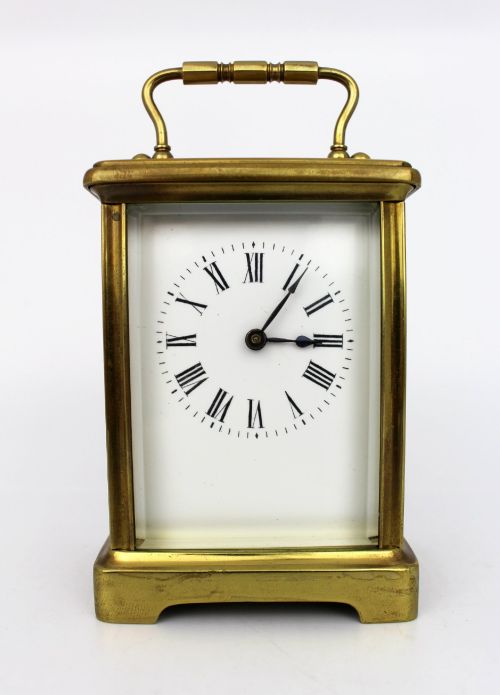
- A small, spring-driven timekeeper with a carrying handle, originally built for travel. They frequently feature glass panels revealing the brass escapement inside.
- Dial clock
- A wall-mounted timepiece featuring a prominent round face and a short wooden case underneath. Railway companies widely employed these for station platforms.
Brass Movement Clock: Frequently Asked Questions
How do fusee movements work?
A fusee movement uses a conical pulley connected to a chain or gut line to even out the declining force of the mainspring as it unwinds.
This ensures steady power delivery to the gear train, which helps the clock keep more accurate time throughout its running cycle.
Where were railway wall clocks used?
Railway wall clocks were mounted in station booking halls, platform offices, and administrative rooms where precise timekeeping governed train departures.
Operators relied on their sturdy fusee movements and clear dials for constant schedule coordination.
How do I identify a carriage clock?
A carriage clock is a portable timepiece housed in a brass frame with glass panels on the sides and top, often fitted with a swinging handle.
They were designed for travel by coach or train, utilising robust spring-driven platforms rather than hanging pendulums.
What is a longcase clock?
A longcase clock, commonly called a grandfather clock, is a tall floor-standing timekeeper that encloses a swinging pendulum and hanging weights.
Their elongated wooden cases protect the delicate brass movement and provide space for the weights to descend over days or weeks.
How do I care for an antique clock?
Keep the clock away from direct sunlight, draughts, and sudden temperature shifts that can affect the timber case and metal lubricants.
Wind the movement gently according to its specific design and have a professional horologist service the gears periodically.