
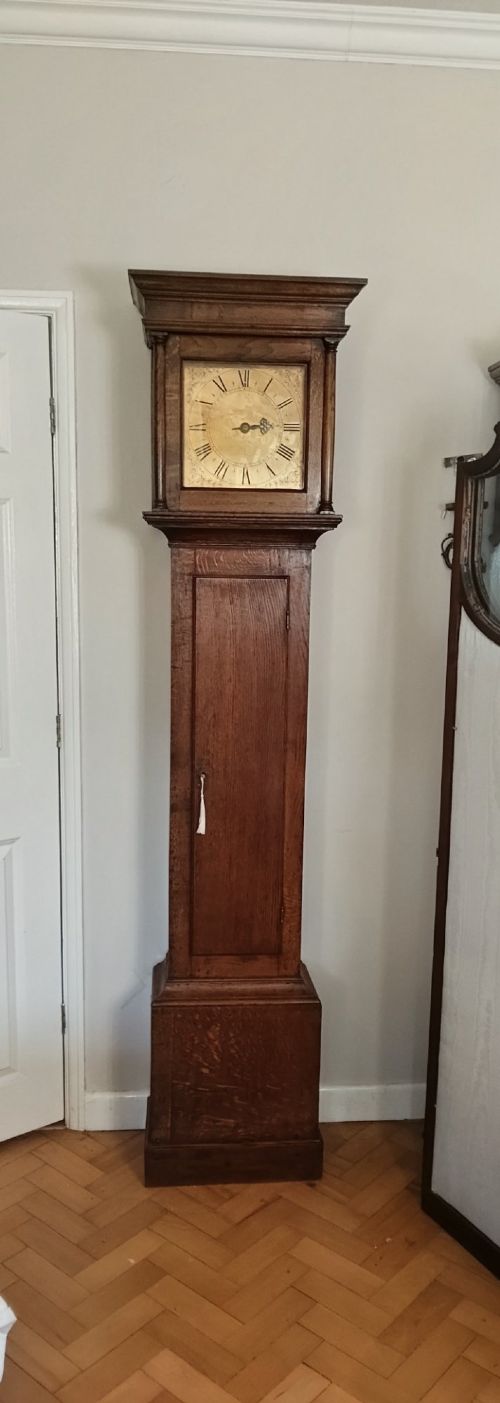
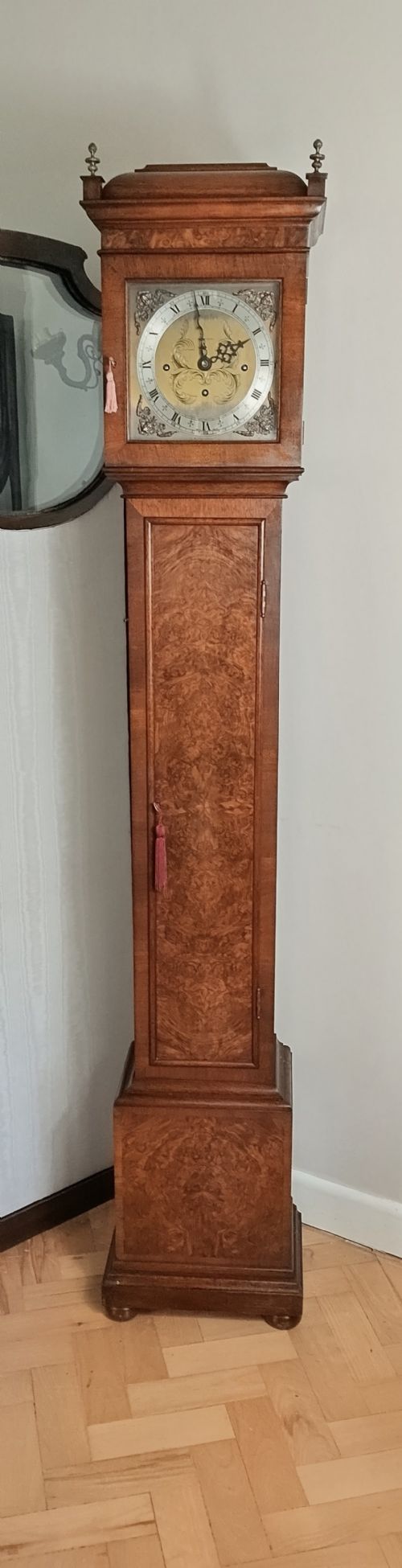
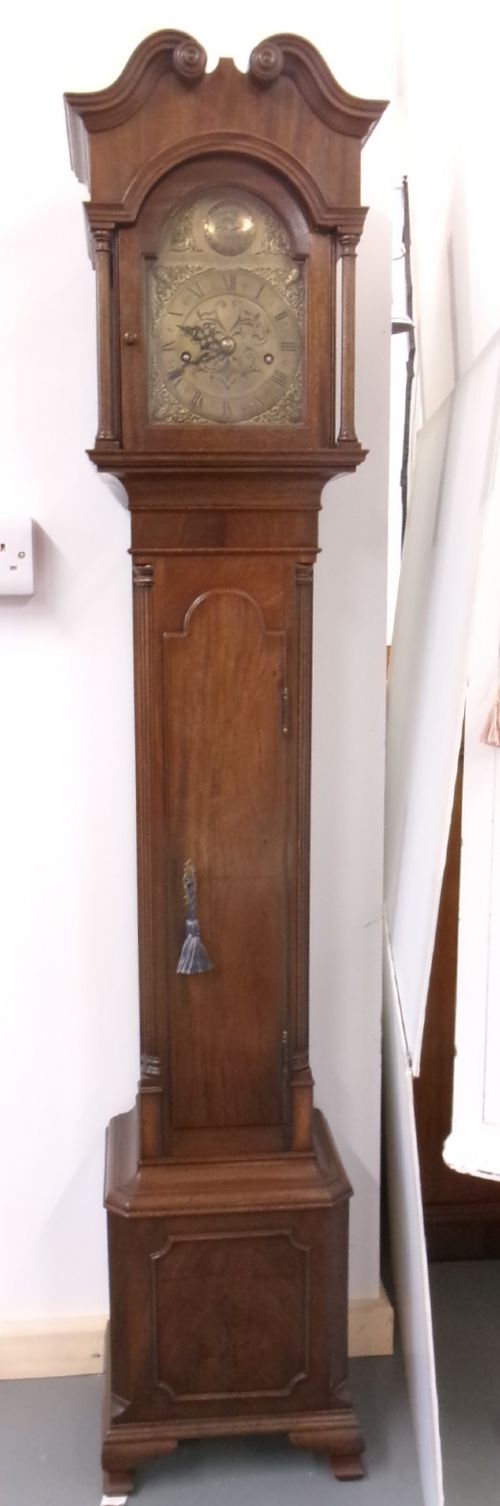


Mechanical Longcase Clock
A mechanical longcase clock stands tall, measuring time through swinging weights and ticking gears within a fitted timber case.
Mechanical Longcase Clock
When you search for a mechanical longcase clock, you encounter tall floor-standing timepieces that measure hours through internal weight or spring-driven gear trains. These vertical clocks house pendulum movements inside protective wooden housings that range from full-sized grandfather versions down to smaller grandmother and granddaughter variants.
The selections span distinct historical eras, including Georgian origins alongside Victorian, Edwardian, and Art Deco interpretations. Cabinets appear in oak, mahogany, walnut, and burr walnut veneers, often displaying brass dials and glass door panels.
How they were made
Cabinetmakers constructed the tall cases using solid timbers and decorative veneers such as flame mahogany and burr walnut over foundational woods like oak. Woodworkers fitted glass panels into the hood doors to protect the dial while allowing visibility of the moving hands.
Clockmakers fitted brass movements, steel components, and tubular bells or carillon mechanisms inside the wooden trunks. Dials incorporated engraved brass and metallic chapter rings to display the passing hours.
Mechanical Longcase Clock Retail Price Guide 2026
Typical asking prices for mechanical longcase clock among the pieces listed under this phrase on Sellingantiques today, from the lower quarter to the upper quarter. They describe what is for sale here now, not the wider market.
Father Time occasionally rocks his scythe above the dial, reminding passers-by that even the best brass gears cannot stop the hours.
What varies in quality
Quality diverges in the precision of the internal movement and the execution of the timber case. Finer examples display intricate quarter-chiming mechanisms, musical cylinders, or automata alongside carefully matched burr walnut and flame mahogany veneers.
Simpler models feature plain oak cases and standard time-only or basic striking gear trains. The refinement of the brass dial engraving and the stability of the cabinetry distinguish superior pieces from standard workshop output.
Elliott·Enfield·John Thompson·Hay Wolverhampton
The Mechanical Longcase Clock Glossary
- Longcase clock
- A tall pendulum clock housed in a protective wooden floor case designed to stand upright against a wall.
- Grandmother clock
- A smaller, more slender version of the traditional longcase clock, typically produced in the twentieth century.
- Grandfather clock
- A large, full-sized floor clock utilising a long pendulum and heavy driving weights.
- Quarter chiming
- A movement capability that plays a musical melody or chime sequence every fifteen minutes.
- Burr walnut
- A highly figured timber veneer prized for its swirling grain patterns derived from tree growths.
- Automata
- Mechanical moving figures integrated into the clock face or dial area that animate during striking intervals.
Mechanical Longcase Clock: Frequently Asked Questions
How do I wind the clock?
You wind the movement using a specialised key inserted into the winding holes on the dial face. Turning the key draws the internal weights back up to the top of the case.
Care must be taken not to over-wind the springs or pull the weight cords too abruptly. Each gear train requires steady, measured turns to maintain proper tension.
Where should I place a longcase clock?
These clocks require a stable, dry interior location against a solid wall to prevent floor vibrations from disrupting the pendulum swing. Positioning them away from direct sunlight and temperature drafts protects the wooden case and veneers.
Ample ceiling height is necessary because these floor clocks measure several feet tall. The surrounding floor must remain level so the pendulum beats evenly.
What is the difference between grandfather and grandmother clocks?
Grandfather clocks represent the traditional large floor-standing timepieces built with tall proportions and heavy weights. Grandmother clocks are scaled-down versions with shorter, narrower cases developed during the twentieth century.
Both utilise internal mechanical gear trains, but the grandmother variant fits more easily into smaller modern rooms.
How do chiming mechanisms work?
Chiming movements utilise additional gear trains connected to bells, gongs, or tubular tubes inside the upper hood. As the time reaches specific intervals, internal levers release the chime train to sound the melody.
Some models feature multiple carillon options, allowing the owner to select different tunes or silence the chiming entirely.
How do I tell periods apart?
Georgian and 18th-century pieces typically exhibit solid oak or mahogany construction with brass dial faces and classic proportions. Twentieth-century examples, including Art Deco and 1950s models, often incorporate burr walnut veneers, tubular bells, and streamlined case designs.
Victorian and Edwardian versions combine ornate woodwork with quarter-chiming mechanical movements and glass viewing doors.