




Antique Pendulum Timepiece
An antique pendulum timepiece brings precise mechanical rhythm and period character into a room.
What they are
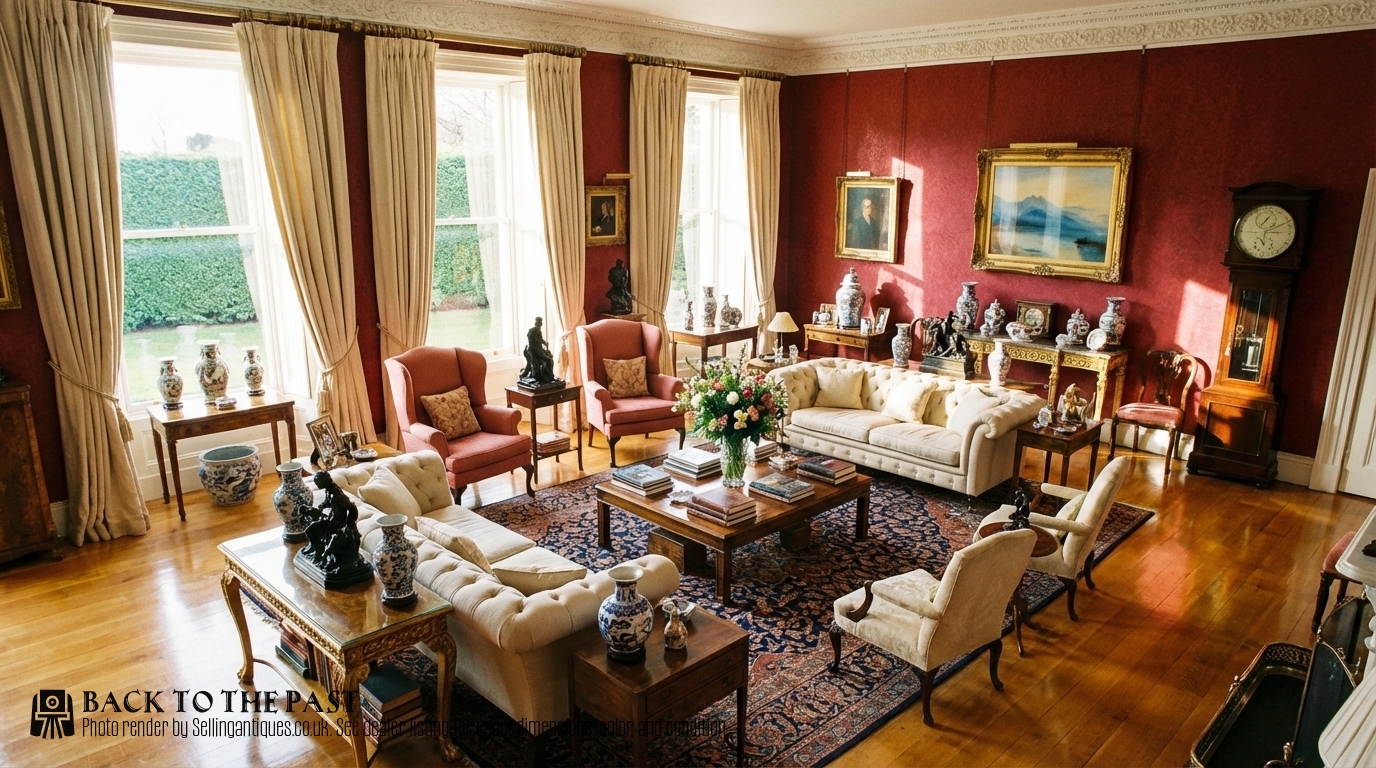
When you search for an antique pendulum timepiece, you encounter a range of functional horological instruments spanning wall, mantel, and longcase formats. These mechanical clocks rely on the swing of a pendulum to regulate time, housed in timber, glass, and metal cases from the Victorian era up to 1910.
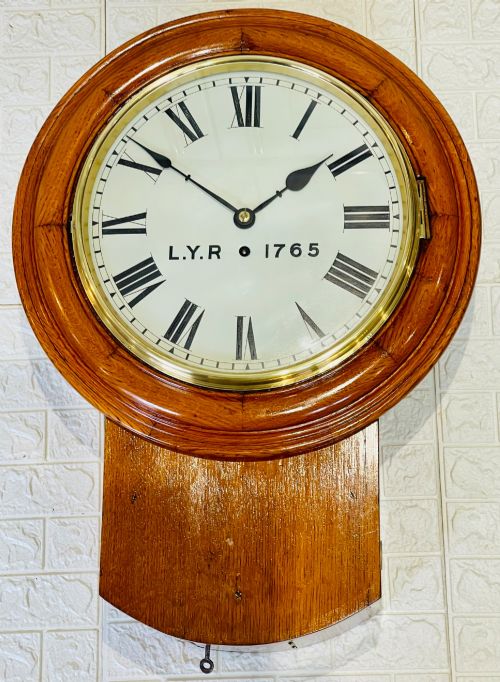
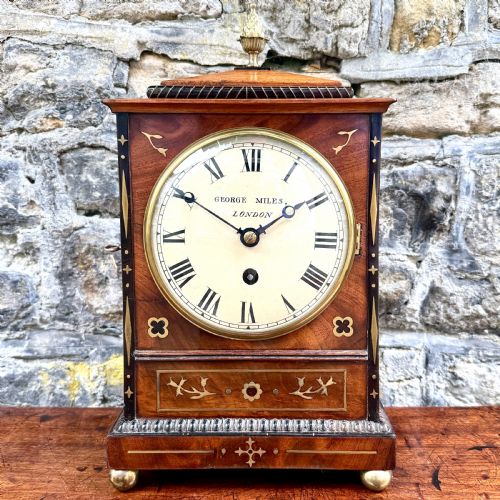
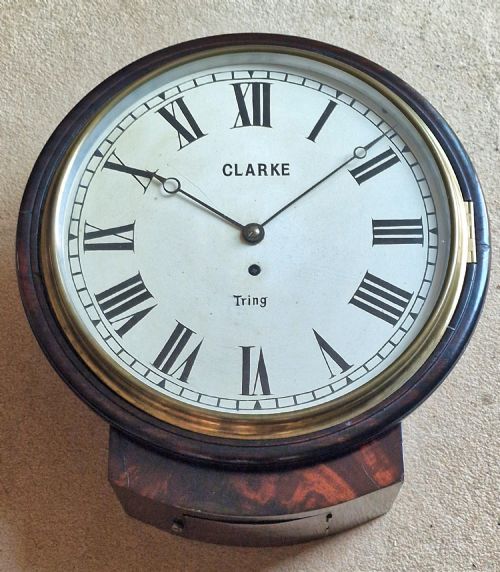
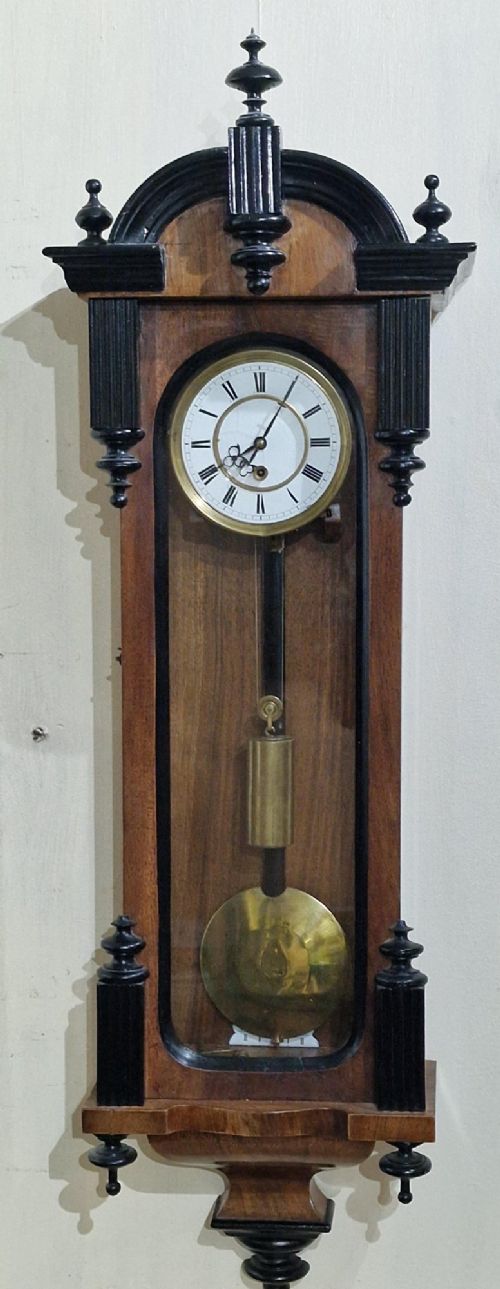
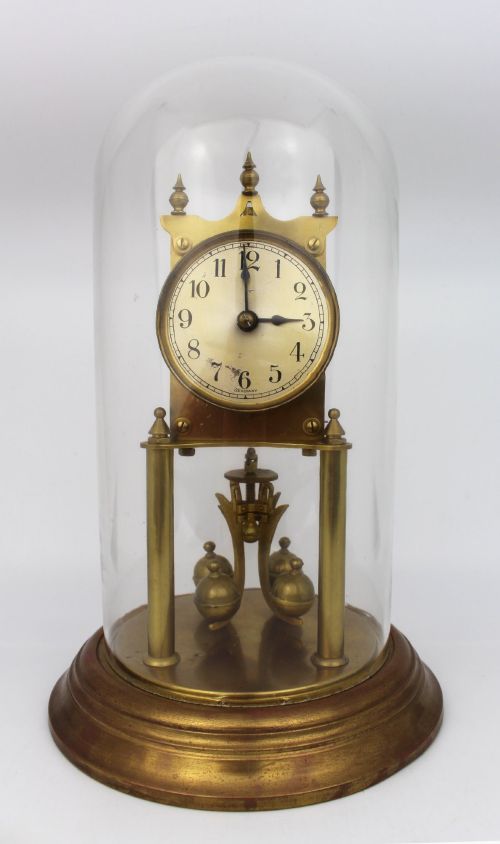
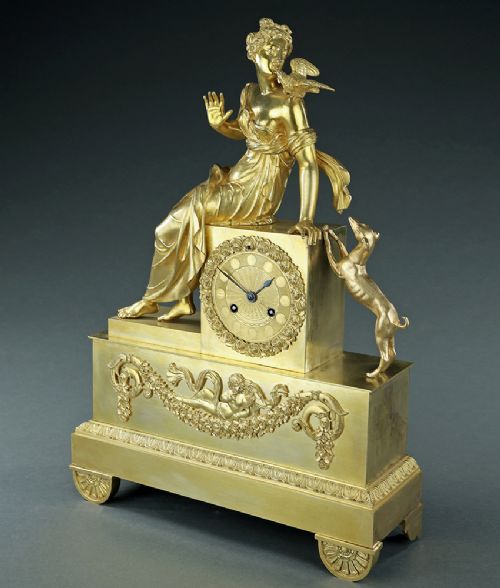
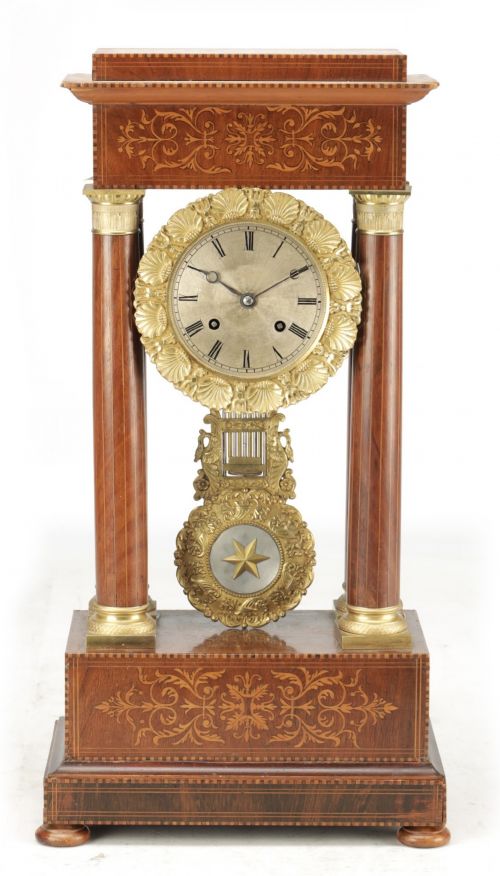
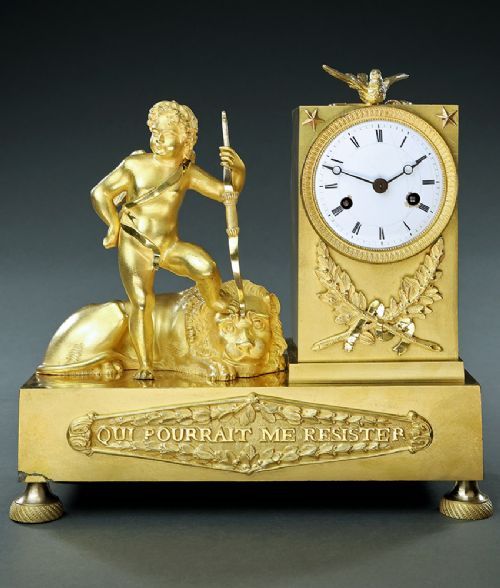
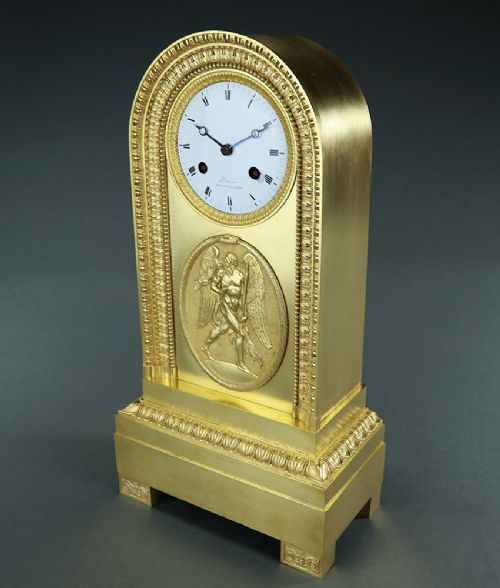
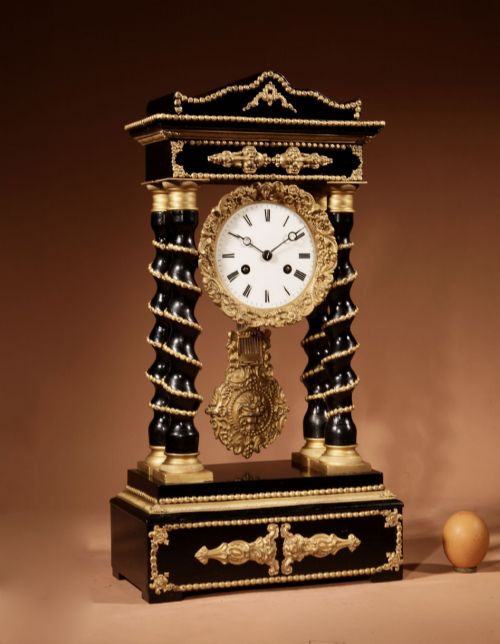
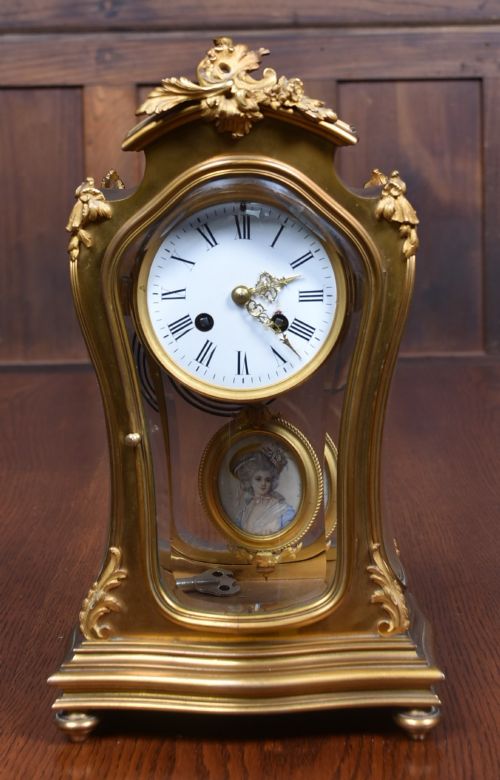
The versions most likely to meet you on this page include Victorian wall clocks, French mantel clocks, and taller regulator designs. Cases vary from mahogany drop dials and ebonised or oak housings to ornate brass-mounted or ormolu structures.
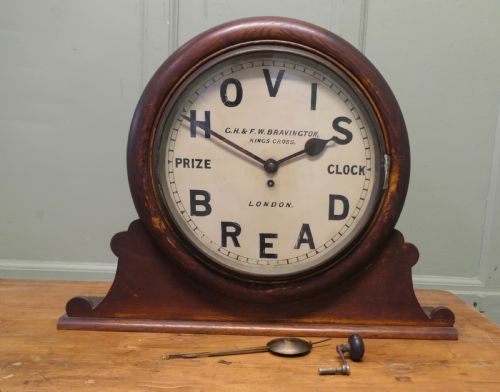
Makers and origins stretch from English retailers such as G.H. & F.W. Bravington to Austrian wall regulators and French makers like Henri Jacot. Each piece reflects the interior taste and horological capability of its nineteenth or early twentieth-century context.
How they were made
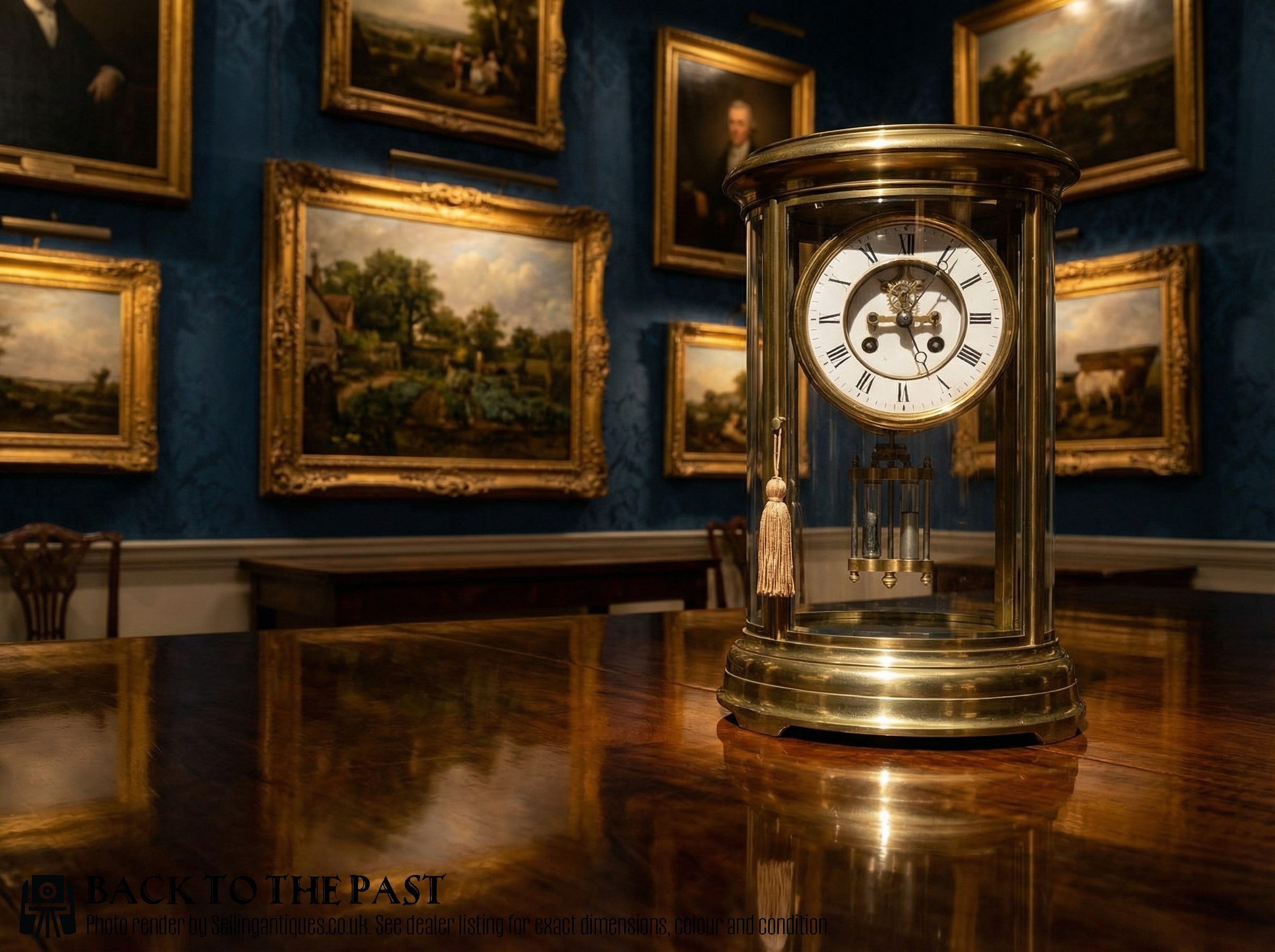
Makers constructed the outer housings using timbers such as mahogany, walnut, oak, and ebonised wood, alongside cast brass and gilded ormolu mounts. Glass panels permitted visibility of internal movements or swinging pendulums, whilst enamel provided a durable surface for painted dial numerals.
Movements relied on brass gears, springs, and weights, engineered to maintain tension and drive the escapement mechanism. Carpenters, casters, and clockmakers collaborated to join timber cases, shape bezels, and assemble delicate interior trains.
Retail Price Guide 2026
Typical UK retail prices for pendulum timepiece, calculated from the Sellingantiques database of over a million retail prices indexed since 2003. This retail price guide relies exclusively on Sellingantiques data; no external sources or auction records are used, so the figures do not describe the wider market.
A prize clock awarded by Hovis once ticked the hours away in someone's kitchen.
What varies in quality
Quality reveals itself in the crispness of brass casting, the depth of wood polish, and the legibility of enamel dial painting. Heavy ormolu mounts and finely cut timber veneers distinguish substantial parlour pieces from simpler utility clocks.
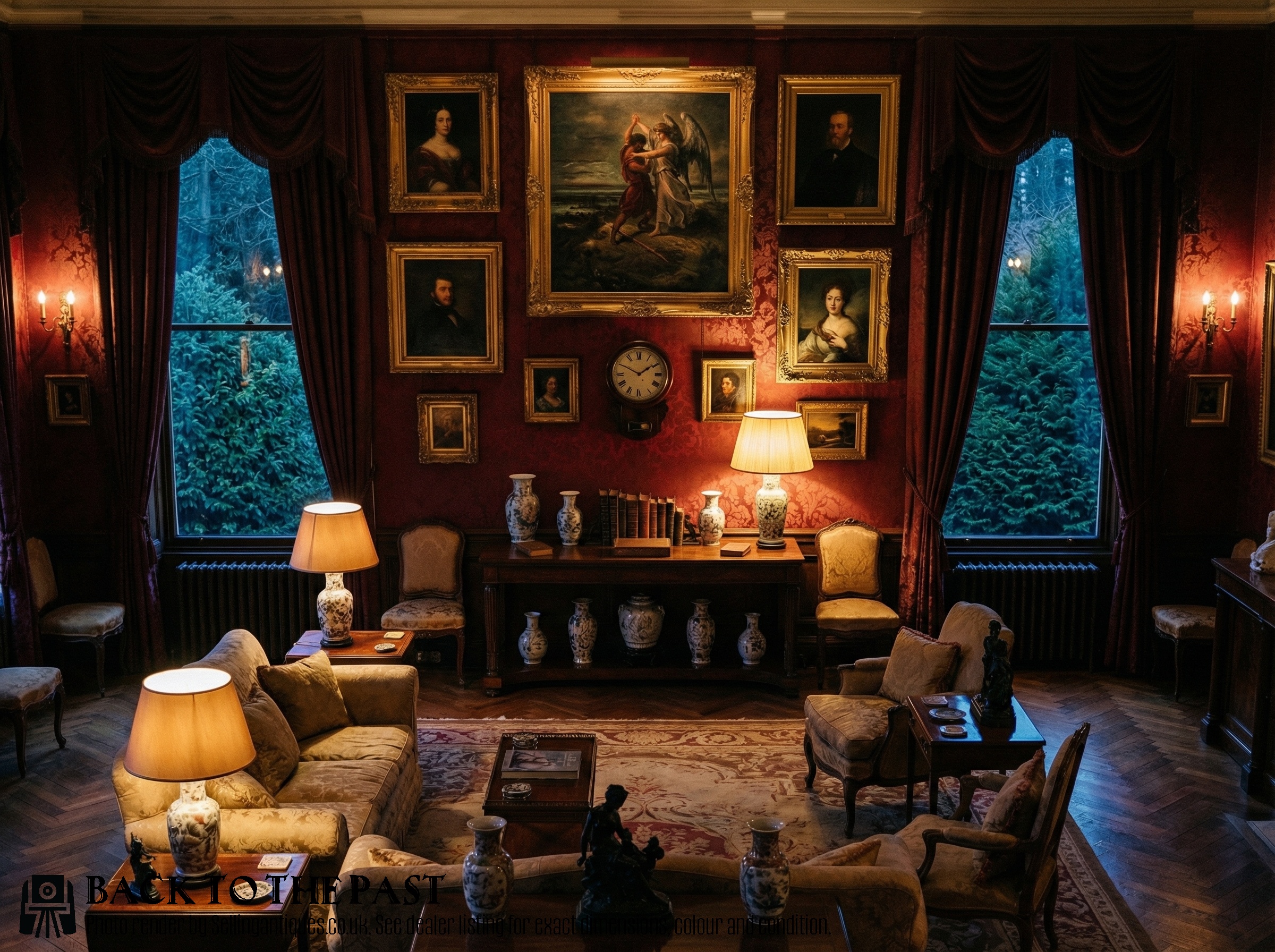
The refinement of the movement and the integrity of the original case components determine the standing of a piece. Retaining signed dial signatures, such as Henri Jacot or G.H. & F.W. Bravington, elevates the historical interest of the clock.
G.H. & F.W. Bravington·Henri Jacot
The Antique Pendulum Timepiece Glossary
- Pendulum
- A suspended weight that swings back and forth to regulate the speed of a clock movement. Its steady motion governs the timing accuracy.
- Drop dial
- A wall clock case featuring a circular dial above an extended wooden box that houses the hanging pendulum. This format was common in offices and stations.
- Ormolu
- Gilded bronze applied to ornamental mounts on clock cases. The technique creates a rich golden decorative surface.
- Regulator
- A precision clock designed to keep exceptionally accurate time, often utilised as a standard for setting other clocks. They feature long pendulums and clear, separated dials.
- Escapement
- The internal mechanism that translates the rotary motion of the gear train into the impulses that keep the pendulum swinging. It is the heart of any mechanical clock.
Frequently Asked Questions
How do I wind an antique pendulum timepiece?
Most mechanical clocks require a key inserted into winding holes on the dial to tension the internal springs or lift the driving weights. Care must be taken not to overwind the mechanism.
Ensuring the clock is placed on a level surface helps the pendulum beat evenly once power is applied to the gear train.
Where should I place a wall clock?
Wall clocks require a sturdy interior partition or wall stud capable of supporting the combined weight of the timber case and internal movement. Avoid placing them near exterior doors subject to heavy vibrations.
Proximity to direct sunlight or damp sources should also be avoided to protect antique wood veneers and paper or enamel dial faces.
What is the difference between a mantel clock and a wall clock?
Mantel clocks are freestanding pieces designed to sit on a shelf, sideboard, or fireplace mantelpiece, often featuring decorative ormolu or glass enclosures. Wall clocks are mounted directly onto vertical surfaces, frequently utilising drop dial or Vienna regulator formats.
Both styles employ pendulums, but their case architecture reflects distinct domestic placement needs during the nineteenth century.
How do I tell Victorian clocks apart from Edwardian pieces?
Victorian clocks often display heavier ornamentation, rich dark mahogany or walnut timbers, and ornate brass or ormolu details influenced by revival styles. Edwardian pieces, such as those from around 1910, tend toward simpler lines or lighter Edwardian interpretations of earlier forms. Nomenclature in listings usually records the period or specific decade based on stylistic evidence and maker archives.