






Blue White Wall Plate
A blue white wall plate brings centuries of pigment and fired earth directly to a vertical surface, offering enduring pattern and tone.
Blue White Wall Plate
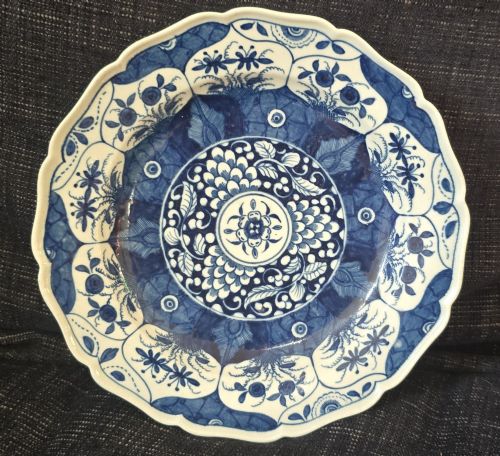
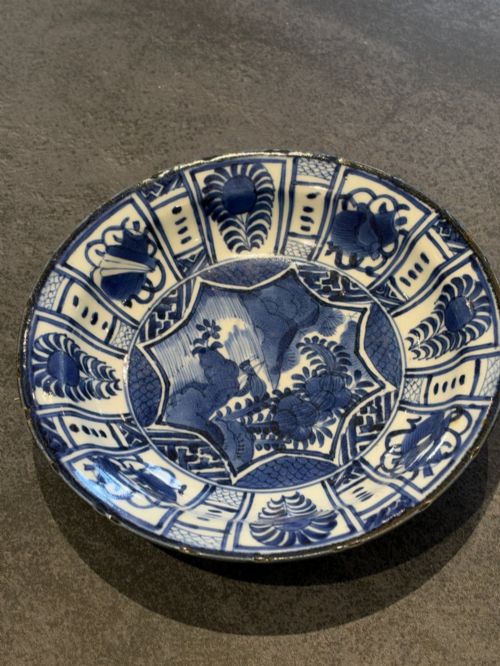
A blue white wall plate is a decorative ceramic piece designed primarily for display, spanning centuries of global ceramic traditions. When searching this phrase, collectors encounter everything from early tin-glazed earthenware chargers to crisp oriental porcelain.
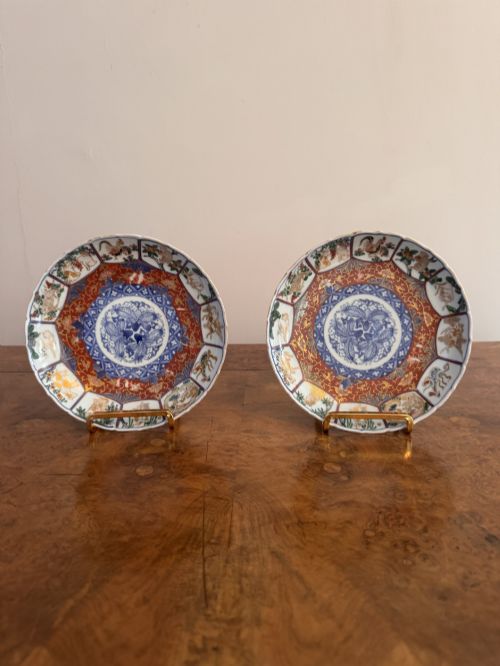
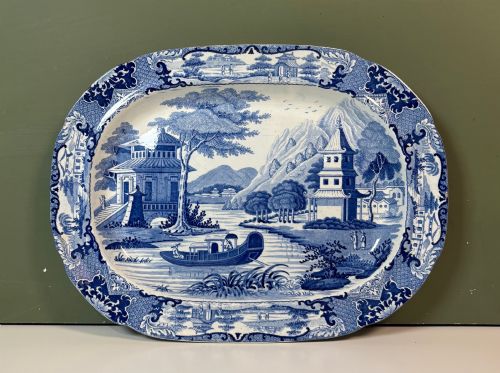
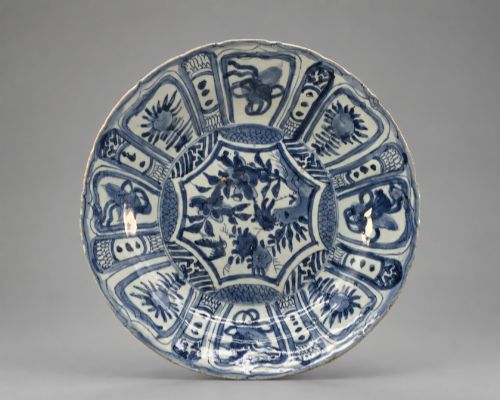
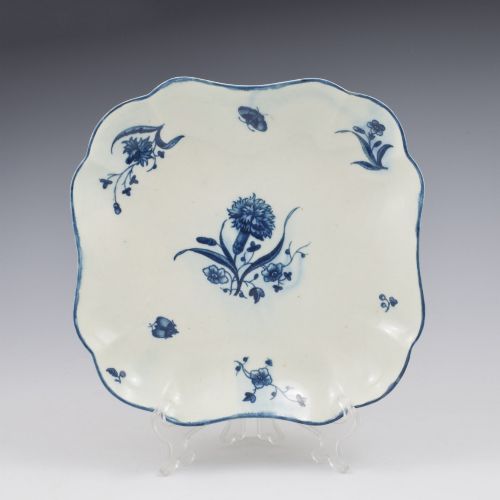
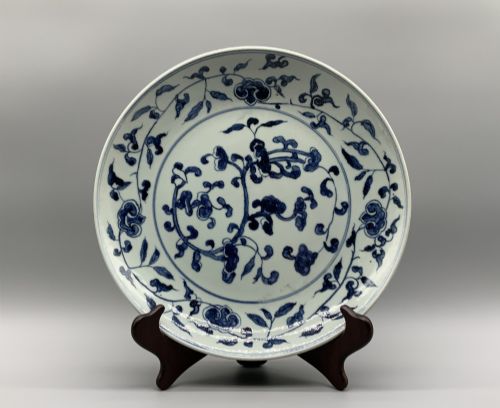
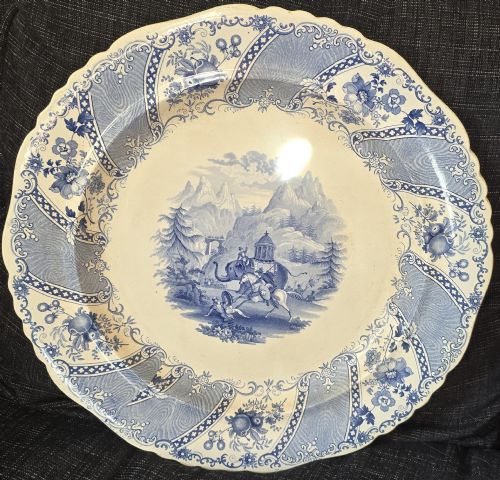
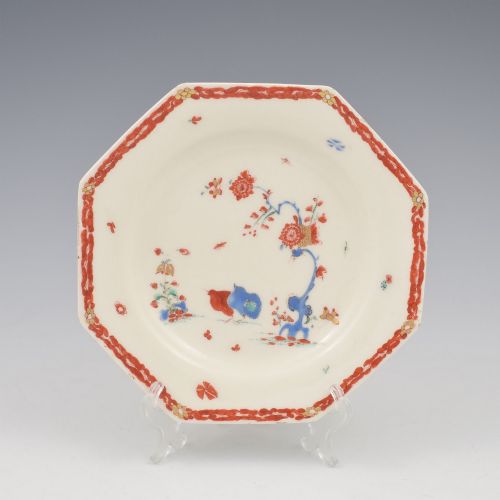
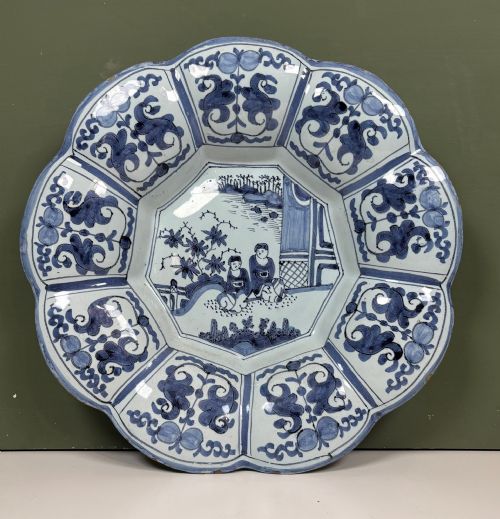
The pieces appearing on this page range from seventeenth-century Dutch and English delftware to nineteenth-century Japanese Imari and Victorian transfer-printed ironstone. Large chargers dominate the earlier centuries, while smaller plates and shallow dishes represent later periods.
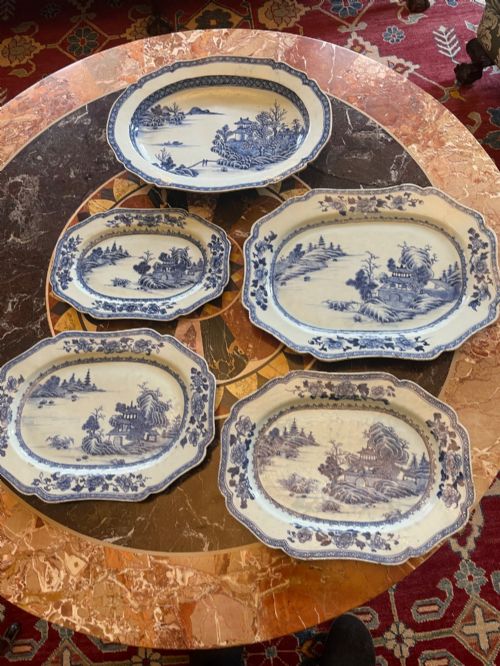
Geographic origins vary widely across these listings, encompassing English factories, continental faience workshops, Chinese kilns, and Japanese production centres. Each region brought distinct local interpretations to the enduring cobalt and white palette.
Materials and construction
Tin-glazed earthenware and hard-paste porcelain form the primary bodies of these pieces, each demanding specific firing techniques. Cobalt pigment provides the characteristic blue decoration, applied either directly onto an absorbent raw glaze or beneath a clear protective coat.
Potters shaped these wares on the wheel or pressed them into moulds before applying opaque white tin glazes or translucent porcelain glazes. Subsequent high-temperature kilning fixed the cobalt pigment permanently into the glassy surface layer.
Blue White Wall Plate Retail Price Guide 2026
Typical asking prices for blue white wall plate among the pieces listed under this phrase on Sellingantiques today, from the lower quarter to the upper quarter. They describe what is for sale here now, not the wider market.
One nineteenth-century plate records the dramatic demise of a bear, capturing a surprisingly fierce narrative frozen forever in cobalt blue.
Evaluating quality and execution
The distinction between standard domestic wares and exceptional display pieces lies in the crispness of the cobalt painting and the stability of the fired body. Master painters achieved remarkable fluidity and depth with a single pigment, whilst lesser examples appear flat or heavily rushed.
Surface preservation and glaze integrity separate superior survivals from heavily worn examples, reflecting both the original chemistry of the kiln and centuries of subsequent handling. The depth of the tin glaze or the purity of the porcelain paste ultimately dictates the visual resonance of the piece.
Bow Porcelain·Royal Bonn·Meissen Porcelain·Stubbs·John Ridgway
The Blue White Wall Plate Glossary
- Charger
- A large decorative plate intended primarily for display on a sideboard or wall rather than for use at the dining table. These substantial pieces provide a wide canvas for complex painted scenes.
- Tin-Glaze
- An opaque white ceramic glaze containing tin oxide, providing a smooth background for painted cobalt decoration. It is characteristic of European delftware and faience production.
- Cobalt Pigment
- A metallic oxide used under the glaze to produce deep blue decoration that withstands high kiln temperatures without fading. This material defines the entire aesthetic of the genre.
- Imari
- A style of Japanese export porcelain featuring underglaze blue combined with iron red and gilt highlights. Pieces in this tradition often display dense floral and panelled motifs.
- Transfer-Printed
- A decoration technique where a design is engraved on a copper plate, inked, transferred to tissue paper, and then applied to the ceramic body before glazing. This method enabled intricate mass production during the nineteenth century.
Blue White Wall Plate: Frequently Asked Questions
How were heavy wall plates hung historically?
Early chargers and large plates were frequently displayed on dresser shelves or supported by plate rails rather than hung directly from walls. When wall hanging was desired, specialised wire grips or fitted fabric loops secured the rim safely.
Modern display methods generally utilise rubber-coated spring clips that distribute tension evenly around the edge of the ceramic without causing abrasion.
What is the significance of the Chinoiserie style?
Chinoiserie represents European decorative arts inspired by Chinese design motifs, particularly popular during the seventeenth and eighteenth centuries. Artisans on European delftware plates playfully reinterpreted Asian pagodas, figures, and landscapes from imported textiles and porcelain.
This stylistic cross-pollination created a distinct hybrid aesthetic that merges European manufacturing techniques with imagined oriental vistas.
How should I clean antique ceramic plates?
Antique wall plates require gentle maintenance, limited strictly to occasional dusting with a soft, dry brush or microfibre cloth. Submerging older tin-glazed earthenware in water can allow moisture to penetrate historic hairline cracks in the porous body.
Harsh chemical cleaning agents must be avoided entirely, as they can permanently etch or dull fragile historical glazes and exposed ceramic paste.