


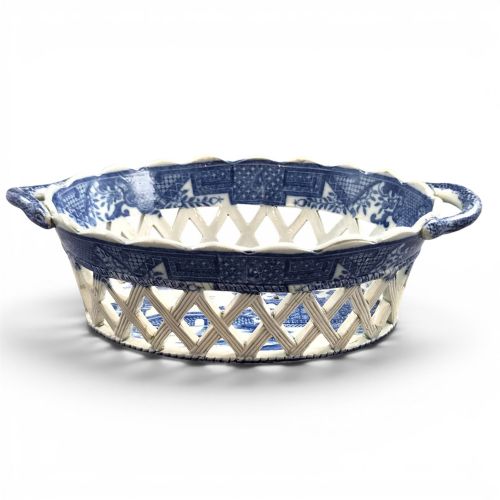
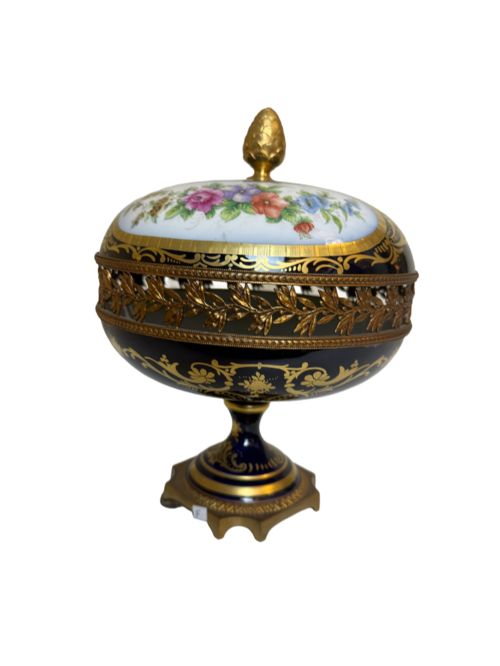
Blue Porcelain Bowl
A blue porcelain bowl brings intense colour and centuries of ceramic skill straight to your table.
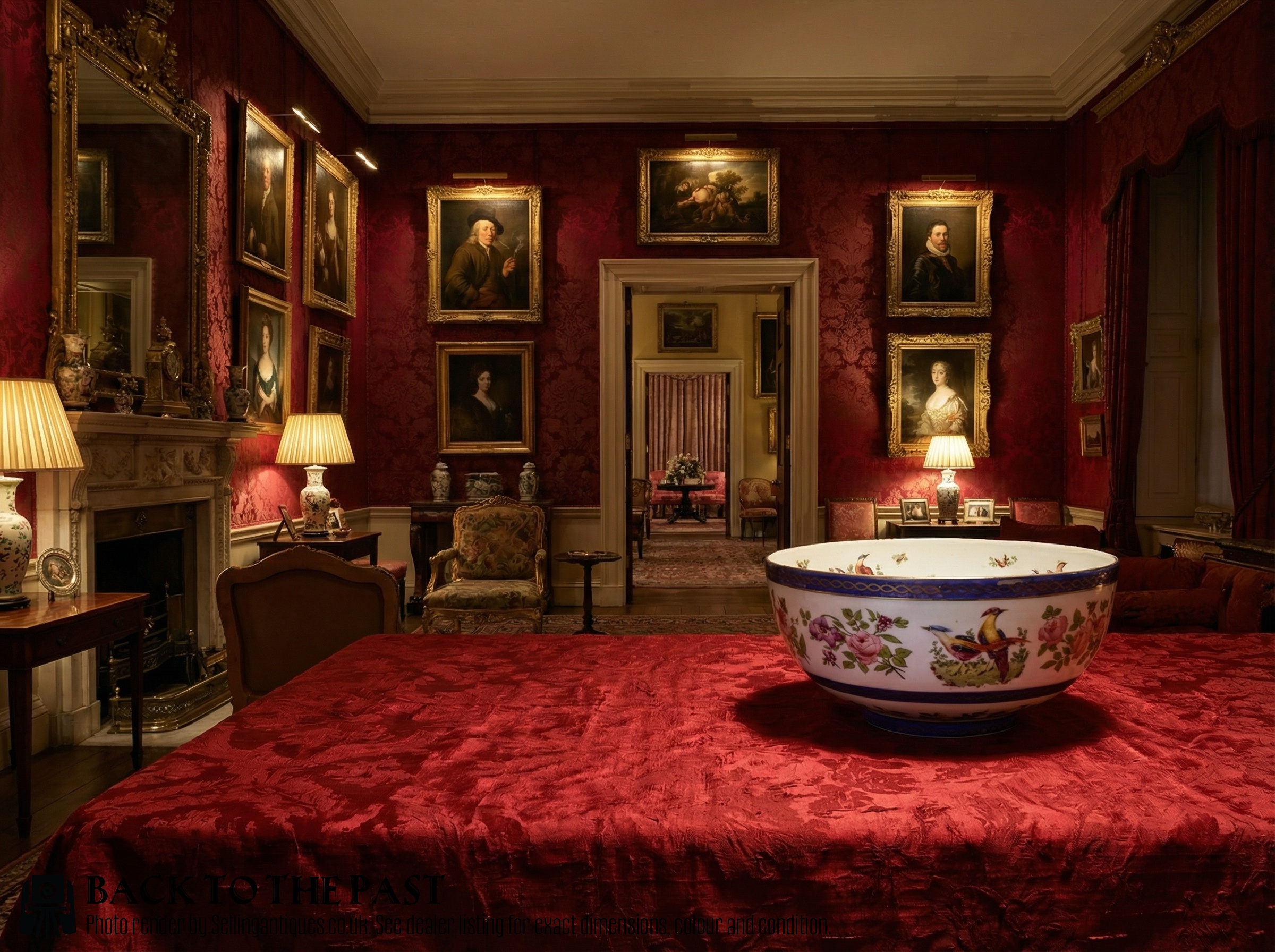
What these blue porcelain bowls are
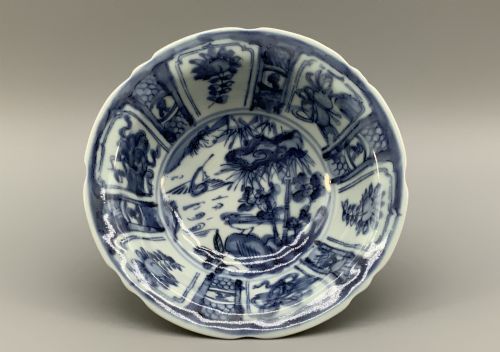
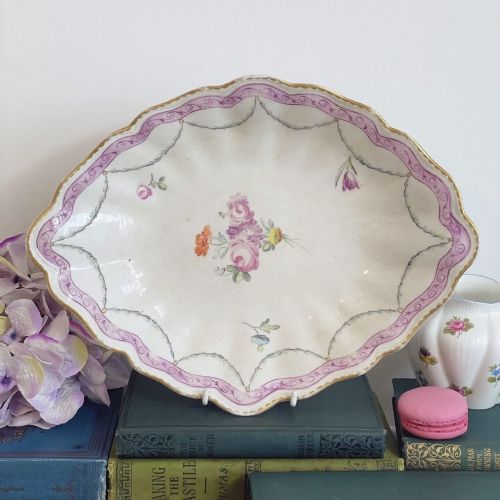
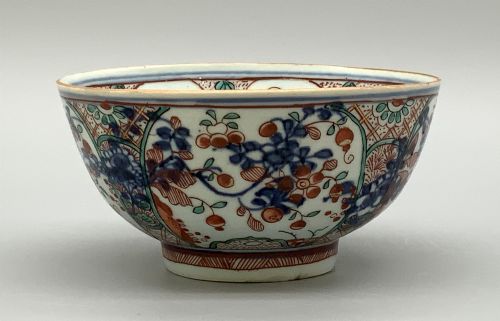
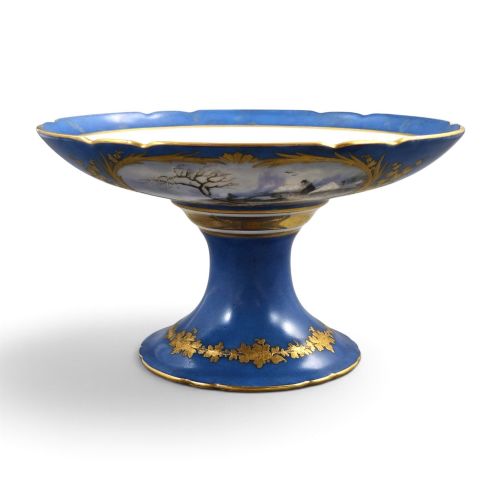
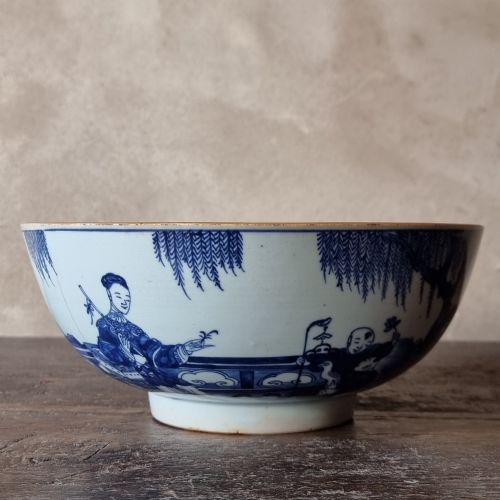
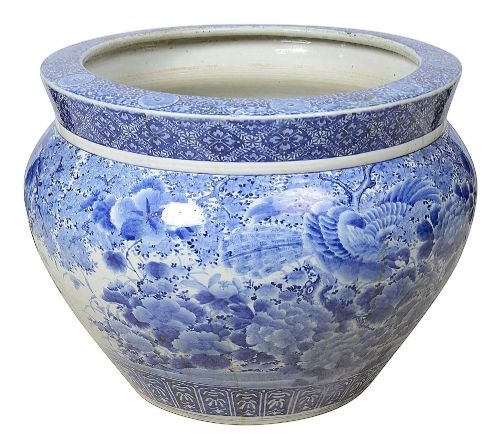
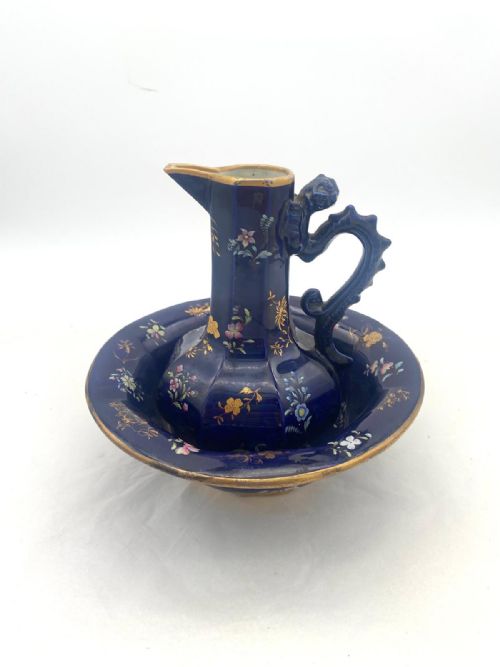
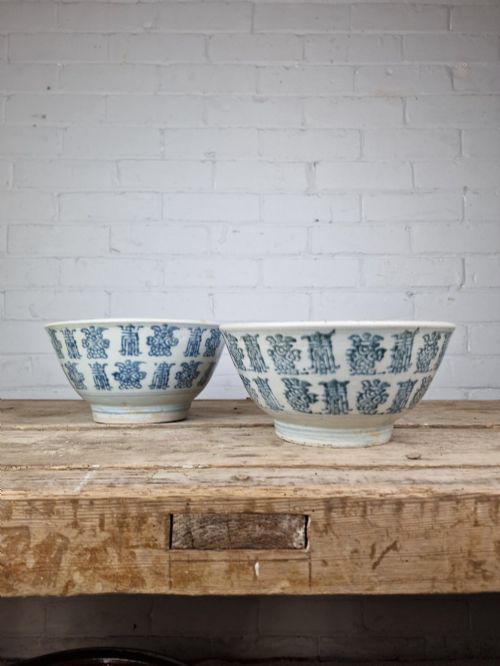
A blue porcelain bowl covers a remarkably wide geographical span, moving from Chinese export ware and Japanese Arita pieces to European interpretations from English and French factories. When searching for a blue porcelain bowl, collectors frequently encounter items ranging from seventeenth century Asian output up to early twentieth century revival pieces.
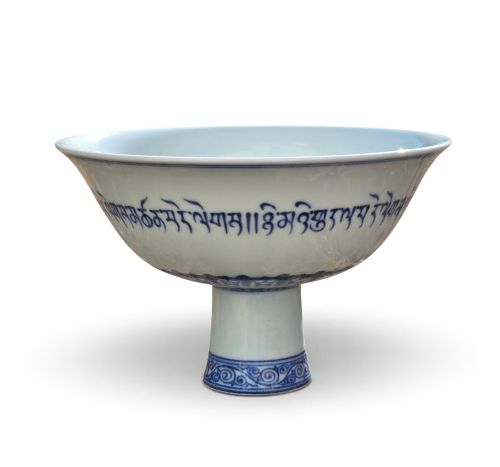
The forms vary from small decorative tea vessels and miniature lustre bowls to large octagonal and footed shapes. These items serve primarily as decorative accents or cabinet pieces rather than heavy kitchenware, reflecting their delicate construction.
How they were made
The pieces rely on hard paste or bone china bodies fired at high temperatures before receiving decoration. Cobalt glaze provides the deep blue pigment, often applied under the glaze for permanence or added in overglaze enamels.
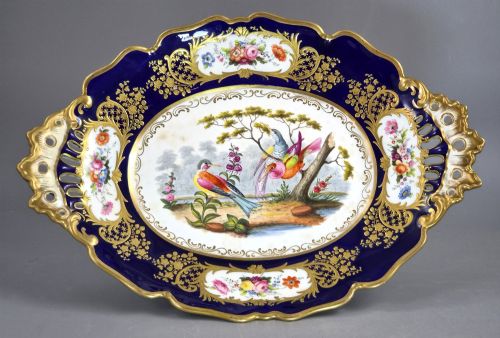
Many examples incorporate supplementary luxury details such as gilding, gold leaf, and lustre glaze. Potters built these surfaces through precise kiln controls, sometimes combining blue and white painting with rich metallic accents.
Retail Price Guide 2026
Typical UK retail prices for blue porcelain bowl, calculated from the Sellingantiques database of over a million retail prices indexed since 2003. This retail price guide relies exclusively on Sellingantiques data; no external sources or auction records are used, so the figures do not describe the wider market.
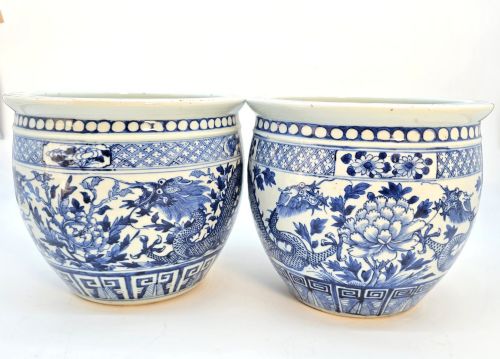
Butterflies, pheasants, and celestial dragons frequently inhabit the painted surfaces of these bowls, escaping their kilns to live forever in cobalt blue.
What varies in quality
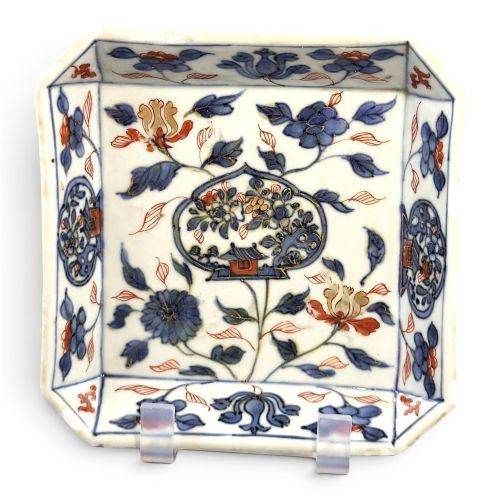
The distinction between ordinary and exceptional pieces lies in the crispness of the cobalt painting and the depth of the glaze. Finer examples display meticulous hand-painted detail, whether depicting traditional botanical motifs, dragons, or complex figurative scenes.
Execution of secondary decorative elements, such as gold leaf application and lustre effects, determines the sophistication of the finish. Stronger pieces maintain uniform colour and careful registration across the entire ceramic surface.
Daisy Makeig-Jones Wedgwood·Samson Paris·Caughley Porcelain
The Blue Porcelain Bowl Glossary
- Cobalt glaze
- A metallic oxide pigment producing intense blue colouration under or over the ceramic glaze. It withstands high firing temperatures without losing definition.
- Lustre glaze
- An iridescent metallic film applied to the ceramic surface to create a shimmering, multicoloured sheen. This technique gained particular popularity during the early twentieth century.
- Arita
- A Japanese town famous for producing some of the earliest and finest porcelain exported to the West. Arita wares often feature delicate blue and white painting.
- Bone china
- A type of soft-paste porcelain containing bone ash, yielding a durable body with high whiteness and translucency. It forms the base for various British decorative bowls.
Frequently Asked Questions
Are these bowls safe for serving food?
Most antique and vintage pieces function best as decorative cabinet displays rather than everyday tableware. Older glazes and metallic lustre elements may not meet modern culinary safety standards.
Treat them as works of art to preserve the integrity of the surface decoration over time.
How can I tell Japanese from Chinese export bowls?
Japanese Arita bowls frequently employ distinct brushwork styles, lighter bodies, and particular botanical or geometric framing. Chinese export items, such as Kangxi or Nanking cargo pieces, often show specific cobalt shades and narrative scholar scenes.
Examining the foot ring and paste characteristics provides further clues to regional origin.
What is Fairyland lustreware?
Fairyland lustreware is a specialised line developed by Wedgwood featuring fantastical scenes with elves, gnomes, and mystical landscapes. The method uses complex chemical reactions during firing to produce iridescent, glowing colour gradients.
These pieces remain highly prized by ceramic collectors for their imaginative artistry.