


Blue Ceramic Serving Dish
A blue ceramic serving dish brings hand-painted cobalt patterns and functional elegance to the table, spanning centuries of global pottery traditions.
Blue Ceramic Serving Dish
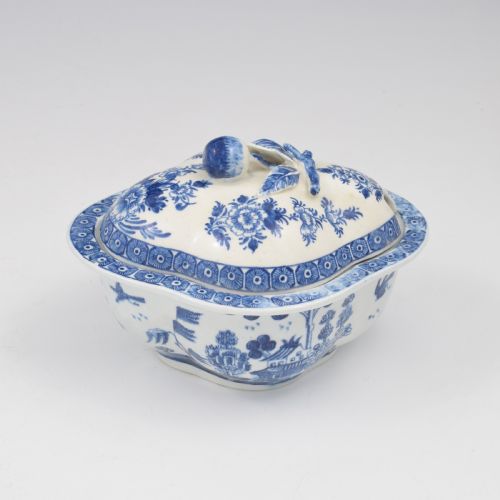
A blue ceramic serving dish encompasses a wide variety of utilitarian and decorative vessels designed for presenting food, from large meat platters and vegetable tureens to open bowls and chargers.
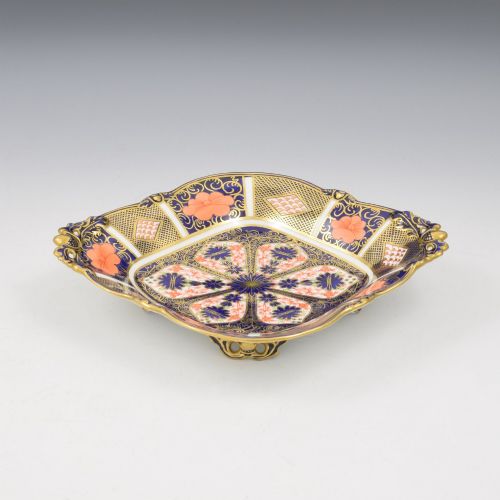
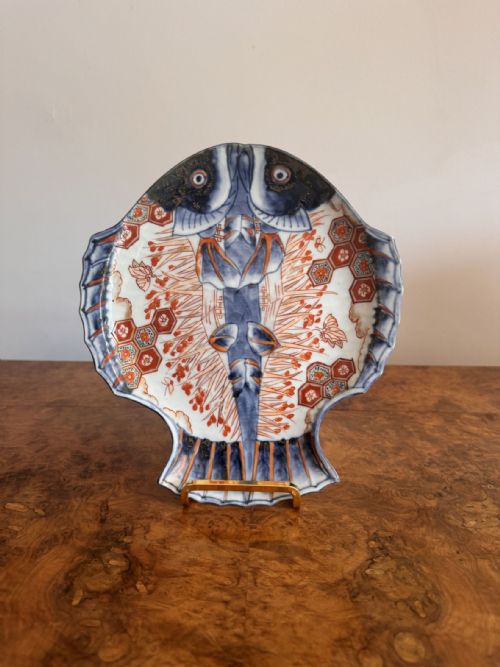
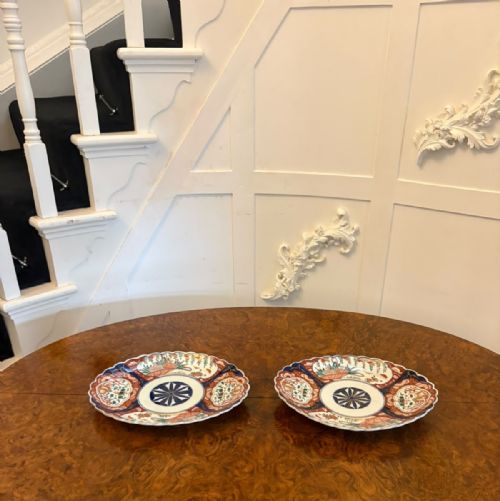
The pieces on this page originate from English earthenware potteries, continental European faience workshops, Chinese export kilns, and Japanese imari production centres.
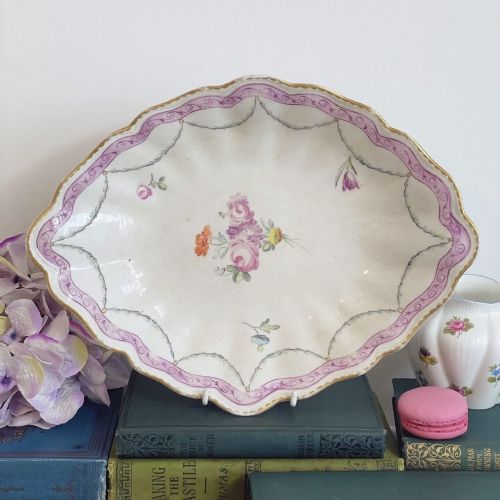
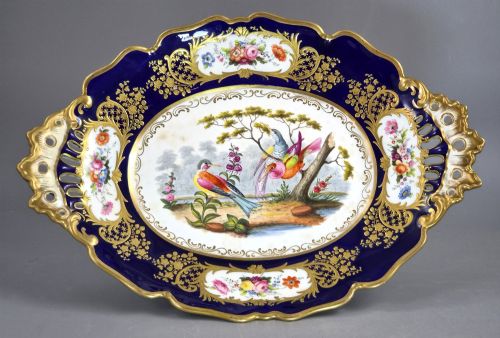
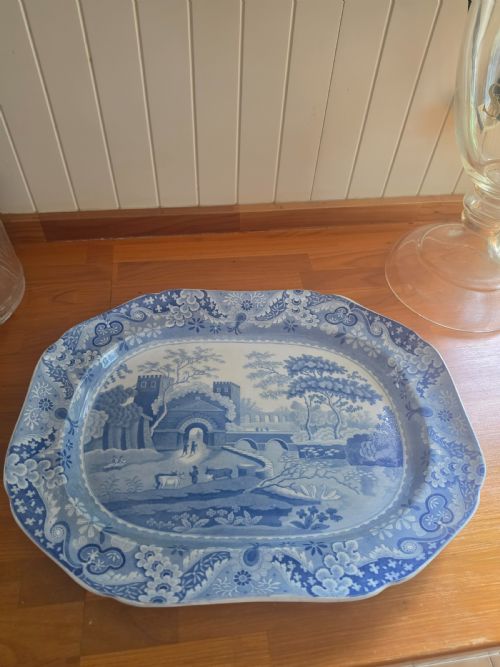
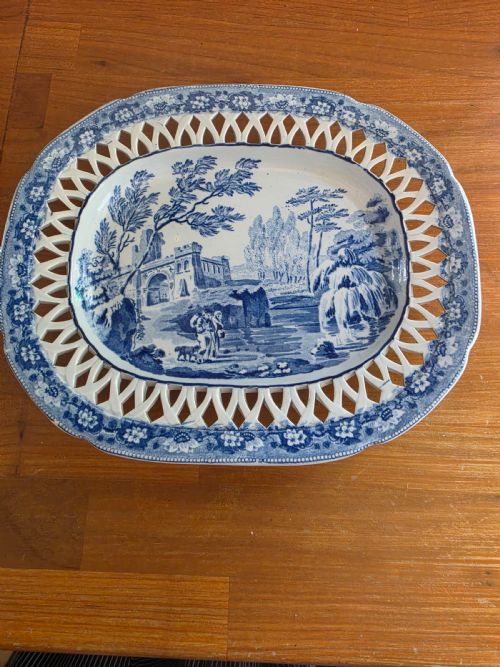
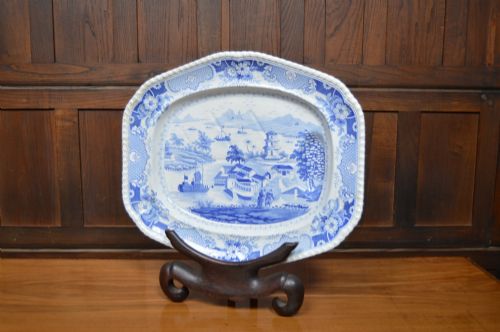
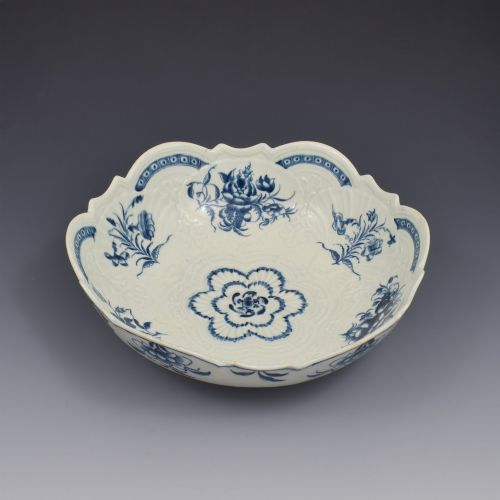
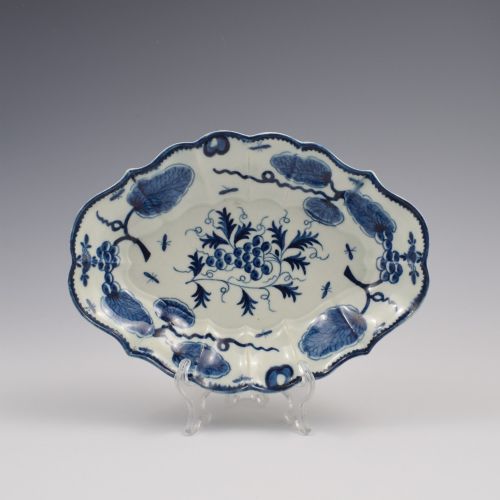
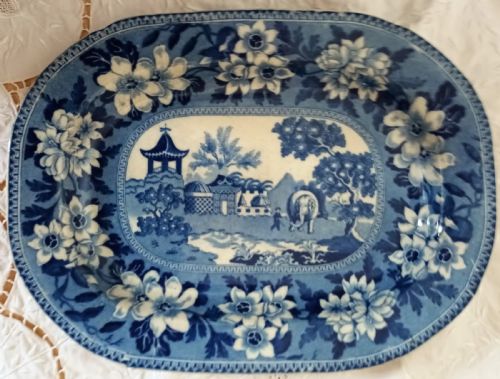
Examples range from eighteenth-century porcelain dishes decorated with hand-painted cobalt flora to nineteenth-century transferware platters bearing complex narrative scenes.
How they were made
Potters shaped bodies from porcelain, earthenware, or ironstone before applying cobalt pigment directly to the raw clay or onto an opaque tin glaze.
Transfer printing allowed English factories to press detailed copperplate engravings onto paper and transfer complex blue designs onto the ceramic surface prior to firing.
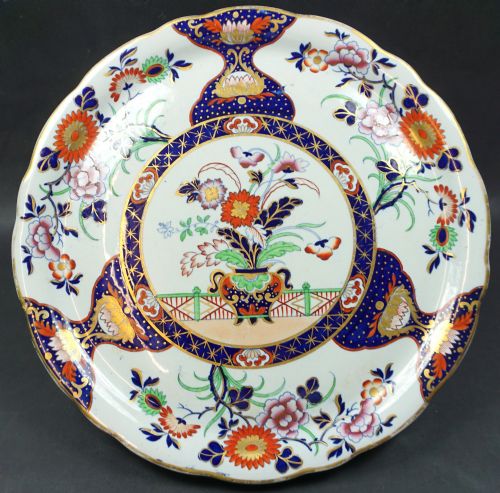
Many items received additional hand-colouring, polychrome enamels, or gilding over the initial blue glaze to enrich the finished appearance.
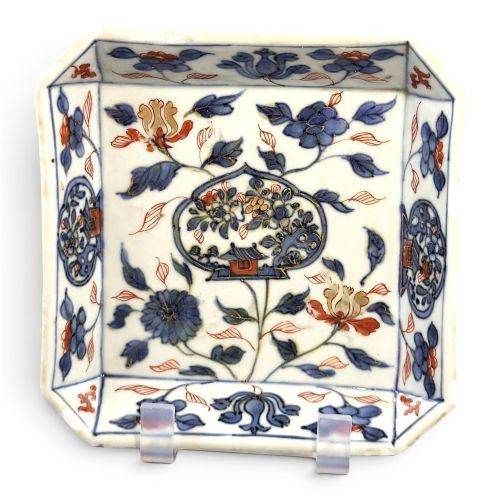
Listings feature eighteenth-century delft chargers, nineteenth-century transferware platters, and Japanese imari porcelain dishes.
What varies in quality
Quality rests in the crispness of the cobalt application, where sharp lines and deep tone separate skilled painting from blurred or runny execution.
The refinement of the ceramic body itself dictates value, distinguishing thin, translucent porcelain from thicker, heavier earthenware or ironstone.
The artistic ambition of the pattern, whether a finely detailed transfer print or a hand-painted composition, marks the distinction between standard utilitarian wares and exceptional pieces.
Derby·Coalport·Spode·Davenport·Hicks and Meigh·Dr Wall Worcester·John Rogers and Son·James Wallace and Company·J and R Riley·Quimper·Mason·J and R Clews·John and Richard Riley·Minton
The Blue Ceramic Serving Dish Glossary
- Transferware
- Earthenware or porcelain decorated by printing an engraved design from a paper tissue onto the ceramic body. This technique enabled factories to produce intricate pictorial scenes consistently on large scales.
- Charger
- A large decorative plate or shallow dish originally used for ceremonial dining or displaying courses. These broad surfaces often showcase the most elaborate painted or printed patterns.
- Imari
- Japanese porcelain decorated in underglaze blue, iron red, and gilt, drawing on styles developed in the Edo period. These wares were widely exported to Europe and copied by domestic potteries.
- Faience
- Tin-glazed earthenware produced in France, Spain, and the Netherlands. The opaque white glaze provided a smooth ground for painted blue and polychrome pigments.
- Tureen
- A deep covered vessel used for serving soups, sauces, or vegetables at the table. Matching ladles and stands frequently accompanied these formal dining pieces.
Blue Ceramic Serving Dish: Frequently Asked Questions
What is a blue ceramic serving dish?
A blue ceramic serving dish is a functional or decorative vessel used for presenting food, utilising cobalt pigment on earthenware, stoneware, or porcelain.
These pieces include meat platters, tureens, chargers, and bowls produced across various centuries and ceramic traditions.
How do I date a transferware platter?
Dating relies on maker marks, potters' stamps, pattern names, and the specific tone of the blue pigment used.
Early nineteenth-century pieces often display impressed or printed factory ciphers that identify the specific Staffordshire or English pottery of origin.
Can I use antique dishes for serving food?
Many antique platters and dishes remain structurally sound for serving dry foods, though historic glazes require careful handling.
Hand washing preserves the fragile ceramic body and prevents modern detergents from damaging nineteenth-century surfaces.