




Antique Floral Transferware Plate
An antique floral transferware plate brings the structured charm of nineteenth-century ceramics to a table, offering durable earthenware decorated in rich blue and white scenes.
Antique Floral Transferware Plate
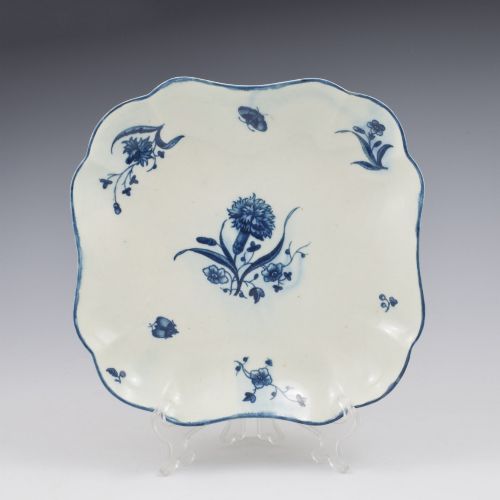
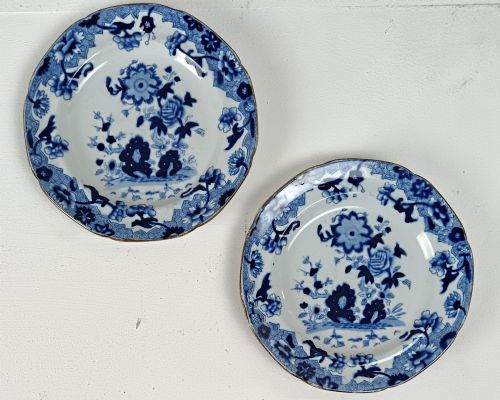
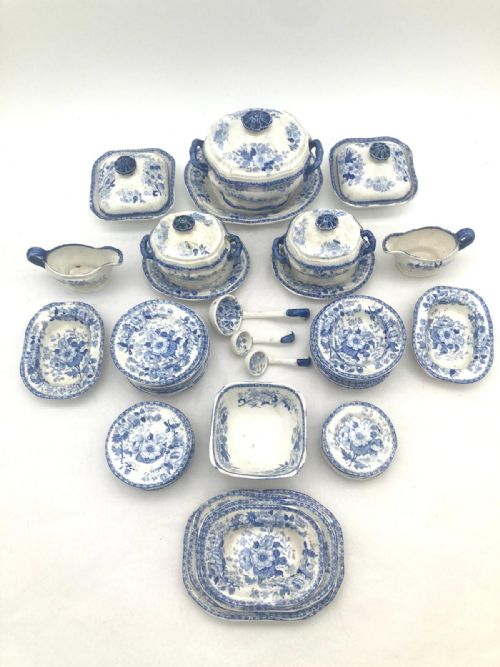
An antique floral transferware plate represents a specific category of domestic ceramic produced primarily across the nineteenth century during the Georgian, Regency, and Victorian periods. These pieces span standard dining plates, tea plates, serving platters, and smaller child's service items designed for everyday use or display.
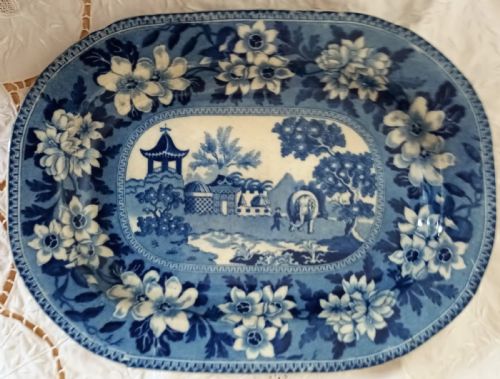
The varieties found here focus heavily on blue and white transfer printed earthenware, ironstone, and pearlware adorned with botanical motifs, sheet patterns, and pictorial scenes. Makers ranging from known Staffordshire potteries to unmarked workshops shaped these ceramics to handle daily service while maintaining decorative appeal.
How they were made
Potters shaped earthenware, ironstone, pearlware, and stoneware bodies before applying the transfer printing technique to transfer engraved designs onto the ceramic surface. This process involved pulling an inked paper impression from a copper plate and pressing it onto the biscuit ware prior to glazing.
A protective ceramic glaze sealed the printed pattern before the pieces underwent high-temperature kiln firing to fuse the enamel colours permanently into the surface. Ironstone and stoneware provided robust foundations, while pearlware offered a softer bluish-white tint beneath the glaze.
Antique Floral Transferware Plate Retail Price Guide 2026
Typical asking prices for floral transferware plate among the pieces listed under this phrase on Sellingantiques today, from the lower quarter to the upper quarter. They describe what is for sale here now, not the wider market.
Elephants march across early nineteenth-century platters right alongside delicate botanical British flowers.
What varies in quality
The clarity and crispness of the transfer printed motif dictate much of the visual merit, separating sharp, detailed engravings from blurred or smudged impressions. Engravings that retain fine lines in floral patterns and complex borders show superior workshop execution.
The refinement of the ceramic body and the evenness of the glaze application determine the overall durability and finish of the plate. Heavier ironstone and well-potted pearlware display fewer kiln artefacts and present a smoother, more consistent surface for the transfer design.
John Rogers & Son·Minton·John Ridgway·Wedgwood·Elkin & Newbon
The Antique Floral Transferware Plate Glossary
- Transferware
- Ceramic pottery decorated by transferring a printed design from an engraved copper plate onto the clay body using tissue paper and ink. This method allowed intricate floral and pictorial patterns to be reproduced consistently across large dinner services.
- Pearlware
- A refined earthenware developed in the late eighteenth century featuring a subtle bluish glaze that pooled in recesses to mimic the look of Chinese porcelain. It forms the body of many early nineteenth-century plates.
- Ironstone
- A dense, durable type of stoneware patented in the early nineteenth century designed to resist chipping and heavy use. It provides a sturdy white background for transfer printed decoration.
- Biscuit ware
- Unglazed pottery that has been fired in a kiln once to harden the clay body before the application of glaze and transfer prints. This porous state absorbs the printed ink from the tissue paper.
Antique Floral Transferware Plate: Frequently Asked Questions
How do I date an antique plate?
Dating relies on stylistic markers, backstamps, ceramic bodies like pearlware versus ironstone, and the specific tones of the blue transfer print. Earlier pieces from the Georgian period often exhibit softer pearlware glazes.
Later Victorian examples tend to utilise heavier ironstone or denser earthenware bodies. Comparing the pattern name and registry marks helps narrow the decade of production.
Can I use these plates for dining?
These nineteenth-century ceramics were originally made for domestic food service and remain structurally robust enough for occasional use. However, modern dishwashers and harsh detergents can damage the historic glaze and soften the transfer print.
Hand washing with mild soap preserves the ceramic body and protects the printed surface from chemical wear. Careful handling prevents chips to the edges of ironstone and earthenware bodies.
Why are some plates marked and others not?
Many nineteenth-century potteries did not stamp every piece, reserving marks for hollowware or primary serving pieces within a larger dinner service. Smaller items like tea plates often left the factory with only pattern names or printed factory marks.
Unmarked pieces frequently match documented patterns from known makers through archival research into floral engravings and border styles. The absence of a maker mark does not diminish the age or quality of the ceramic.