



Antique Ceramic Oval Dish
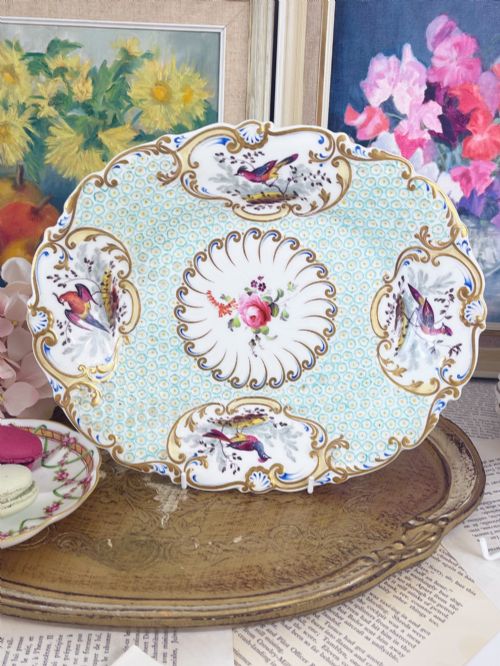
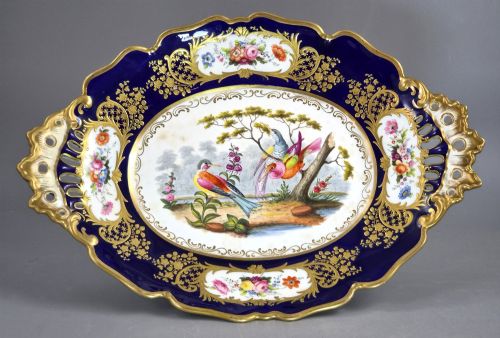
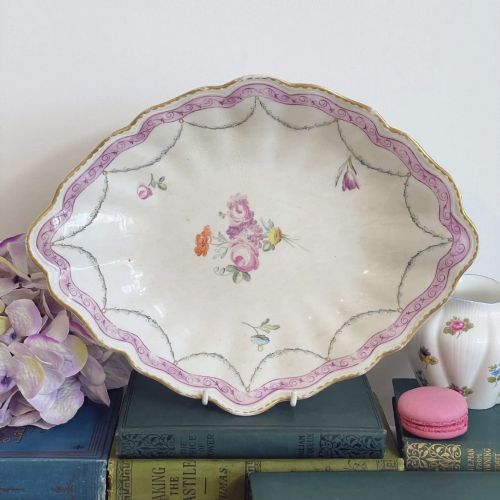
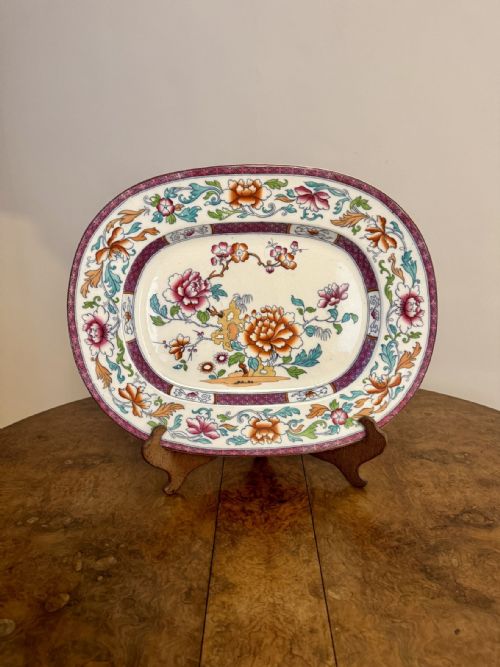
An antique ceramic oval dish brings centuries of dining tradition to the table, offering practical service alongside handpainted colour.
Antique Ceramic Oval Dish
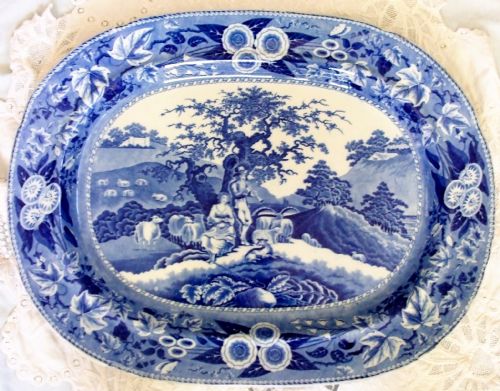
An antique ceramic oval dish serves as a practical platter or decorative centrepiece, shaped to hold meats, fish, and fruit across the dining table. These items appear frequently in nineteenth-century blue and white transfer print earthenware, alongside eighteenth-century porcelain and ironstone platters.
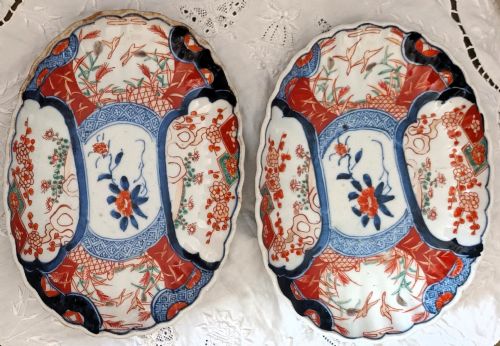
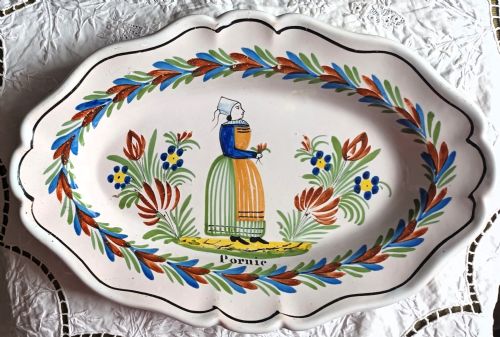
Makers produced these oblong vessels in various dimensions, ranging from small pin trays to large meat dishes meant for substantial feasts. English potteries like Staffordshire and Derby sit alongside French faience, Chinese export porcelain, and Japanese Meiji period Imari wares.
The form accommodates both bustling dining rooms and quiet display cabinets, utilising the elongated curve to present food or painted scenes gracefully.
How they were made
Potters shaped these dishes from earthenware, porcelain, stoneware, or ironstone, throwing or moulding the clay before firing it in kilns. Craftsmen then applied cobalt pigment, enamel colours, or transfer prints to the surface, often adding gold leaf and meticulous gilding by hand.
Transparent glaze sealed the decoration beneath a glossy finish, protecting handpainted birds, flowers, and narrative scenes from daily wear during service.
Antique Ceramic Oval Dish Retail Price Guide 2026
Typical asking prices for ceramic oval dish among the pieces listed under this phrase on Sellingantiques today, from the lower quarter to the upper quarter. They describe what is for sale here now, not the wider market.
Certain meat platters still bear the faint ghost of a Victorian roast, having survived countless family dinners without cracking.
What varies in quality
Quality rests in the crispness of the transfer print and the skill of the brushwork in handpainted polychrome flowers and fancy birds. Superior pieces display clear cobalt tones without blurring, alongside balanced compositions on porcelain or ironstone bodies.
The weight, throwing precision, and integrity of the original glaze determine how well the dish survived centuries of use on the dining table.
H and R Daniel·Royal Worcester·Royal Crown Derby·Wedgwood·Samson Paris·Meissen
The Antique Ceramic Oval Dish Glossary
- Transfer print
- A decorative technique where an engraved copper plate transfers a printed design onto ceramic bisque prior to glazing. This method allowed potteries to produce intricate blue and white patterns consistently.
- Ironstone
- A dense, durable type of earthenware patented in the nineteenth century to imitate Chinese porcelain. It resists chipping and formed the robust body for many large meat dishes.
- Imari
- A style of Japanese porcelain featuring characteristic cobalt blue, iron red, and gold ornamentation. These wares gained immense popularity in European interiors during the Meiji period.
- Faience
- Tinned-glazed earthenware produced in France and other European regions. It typically displays handpainted rustic motifs or scenic views.
- Polychrome
- Multicoloured decoration executed in handpainted enamels. Artisans utilised various mineral pigments to bring botanical and avian scenes to life.
Antique Ceramic Oval Dish: Frequently Asked Questions
How were antique oval dishes used?
These vessels served roast meats, fish, and seasonal fruit at formal dining tables, holding substantial quantities for family meals.
Larger platters often included drainage wells or separate strainers to catch juices, while smaller versions functioned as decorative serving plates or pin trays.
Can I use my antique dish for food?
Most antique ceramic and ironstone dishes remain structurally sound for serving dry foods or fruit at the modern table.
Careful hand washing protects the older glaze, soft earthenware bodies, and delicate handpainted gold leaf from aggressive detergents.
How do I identify a transfer print?
Transfer printed designs exhibit a fine dotted matrix or continuous monochrome lines under magnification, mirroring copperplate engravings.
Popular blue and white patterns like the piping shepherd or Chinese garden repeat identical motifs with crisp outlines across the ceramic surface.
What is Japanese Imari porcelain?
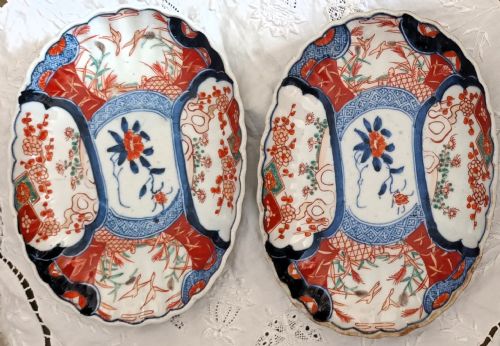
Japanese Imari porcelain consists of pieces decorated in distinct palettes of cobalt blue underglaze and iron red overglaze, frequently highlighted with gilding.
Produced extensively during the Meiji period, these decorative dishes combine bold floral panels with intricate geometric borders.