




Blue Ceramic Plate
A blue ceramic plate brings cobalt pigment and centuries of glaze tradition directly to a wall or table.
Blue Ceramic Plate
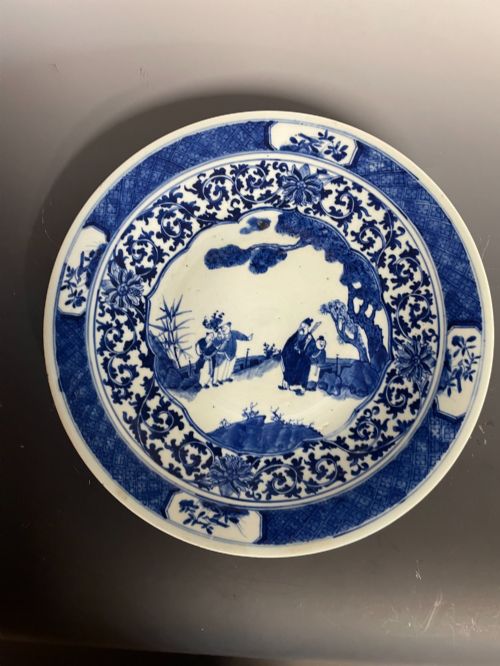
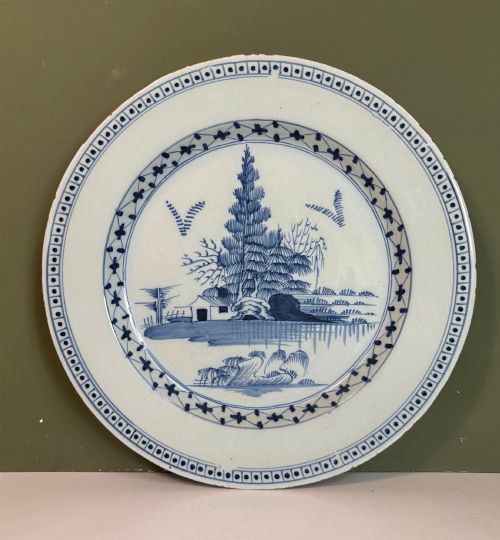
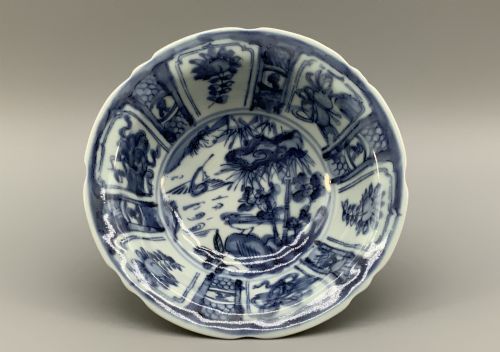
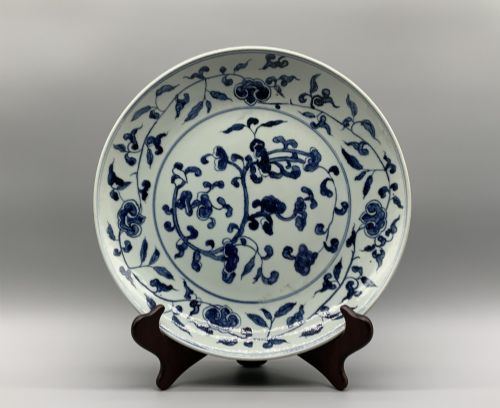
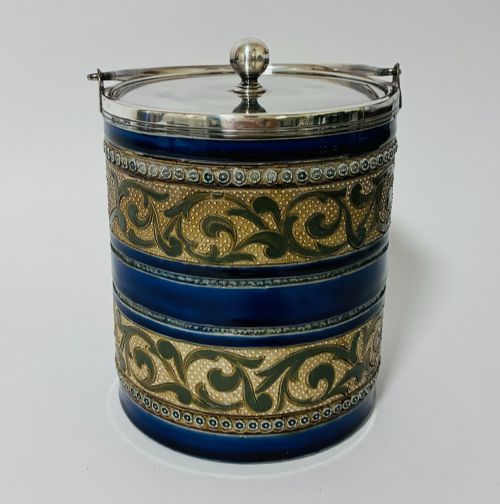
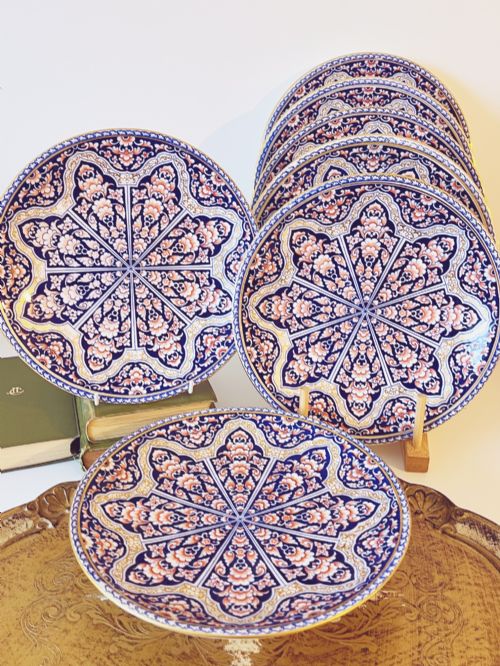
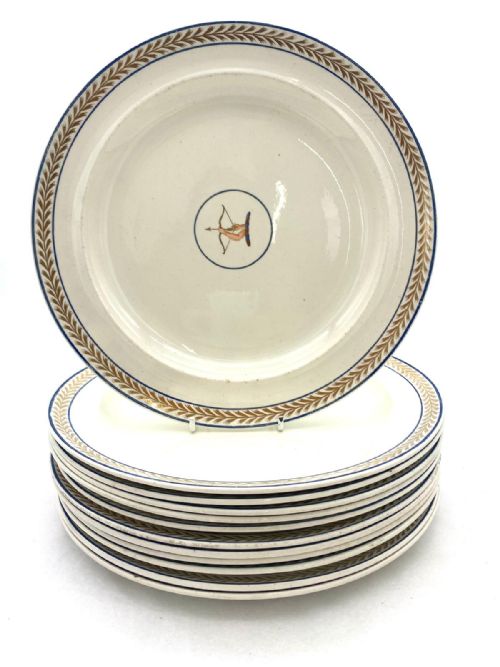
A blue ceramic plate covers domestic service pieces and large display chargers originating from English potteries, European factories, and East Asian kilns. The pieces available span earthenware, creamware, and hard-paste porcelain created across the eighteenth, nineteenth, and early twentieth centuries.
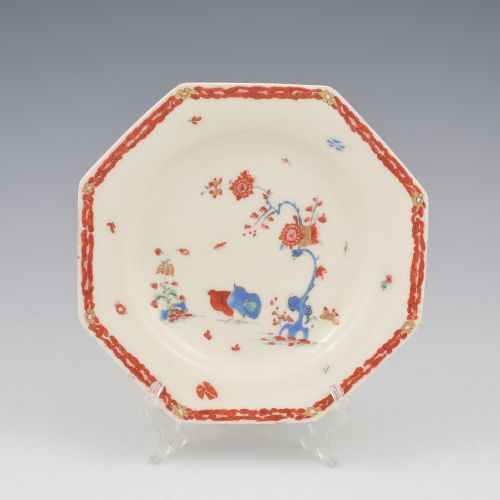
Buyers encounter eighteenth-century Delft chargers alongside nineteenth-century Japanese Imari dishes and English transferware. Forms range from deep serving dishes and lobed bowls to cabinet plates decorated with hand-painted birds and fruit.
Domestic service plates share space with heavily decorated cabinet pieces designed purely for visual impact. Each object relies on cobalt pigment applied under or over the glaze to secure its primary tone.
Materials and technique
Potters formed bodies from ceramic pastes, earthenware, or porcelain before applying tin or transparent lead glazes. Cobalt underglaze was painted directly onto the unfired body or raw glaze to withstand high kiln temperatures without fading.
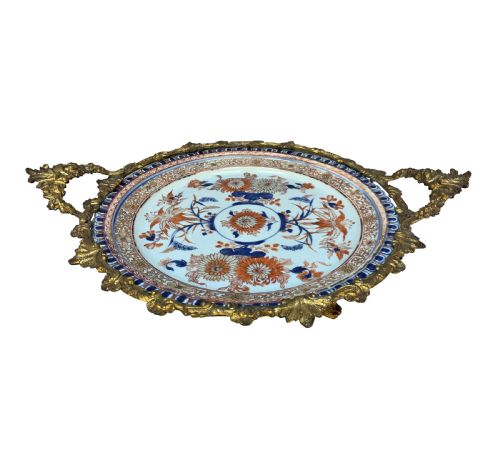
Makers integrated hand-painted polychrome highlights, enamel details, and occasional ormolu mounts to finished surfaces. Earthenware bodies received opaque tin glazes, while porcelain compositions required specific firing ranges to achieve vitrification.
Blue Ceramic Plate Retail Price Guide 2026
Typical asking prices for blue ceramic plate among the pieces listed under this phrase on Sellingantiques today, from the lower quarter to the upper quarter. They describe what is for sale here now, not the wider market.
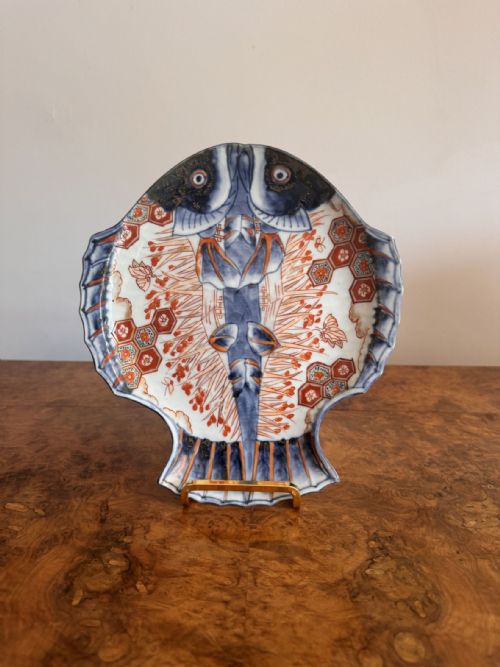
One remarkably spirited plate takes the physical form of a fish, bringing marine life directly to the dining table.
Distinctions in quality
Quality rests in the crispness of the cobalt painting, the stability of the glaze, and the precision of the form. Hand-painted brushwork on porcelain demonstrates greater control than mass-produced transfer printing on basic earthenware.
The weight of the porcelain body, the depth of the footring, and the absence of firing distortions distinguish standard utility wares from high-status cabinet plates and chargers.
Royal Crown Derby·Royal Worcester·George Jones·Meissen·Spode·Davenport·Bow·Doulton Lambeth
The Blue Ceramic Plate Glossary
- Charger
- A large decorative plate or dish intended for display on a wall or sideboard rather than daily dining use.
- Cobalt Underglaze
- Pigment applied to the ceramic piece before glazing and firing, which sinks into the surface and resists wear.
- Imari
- A Japanese export style characterised by iron red, cobalt blue, and gilt details on a white porcelain ground.
- Tin Glaze
- An opaque white glaze containing tin oxide that provides a smooth surface for painted decoration on earthenware.
- Cabinet Plate
- A decorative plate produced for display within a cabinet or room rather than for holding food.
Blue Ceramic Plate: Frequently Asked Questions
Can I use these plates for dining?
Most antique pieces function better as display objects or light serving dishes than for heavy daily meals. Older glazes and ceramic bodies require gentle hand washing rather than dishwasher cycles.
Earthenware from the eighteenth and nineteenth centuries absorbs moisture through tiny glaze craquelure lines. Modern dining places more stress on antique paste than these domestic items were built to sustain.
How do I hang a heavy charger?
Large chargers need dedicated brass wire hangers that distribute weight evenly across the entire rim. Spring clips must be checked regularly to ensure the tension remains secure against the ceramic edge.
Wall mounting requires solid fixings directly into wall studs rather than simple plaster anchors. Secure placement prevents accidental slips in high-traffic rooms.
What is the difference between Delft and Imari?
Delft refers to European tin-glazed earthenware emulating Chinese blue and white designs with opaque white surfaces. Imari describes Japanese porcelain featuring a distinct palette of cobalt blue, iron red, and gold.
Delft relies on a softer earthenware body with tin glaze. Imari uses dense porcelain fired at higher temperatures.
How do I date a blue ceramic plate?
Dating relies on maker marks, paste composition, footring construction, and painting styles. Factory ciphers and registration numbers narrow periods down to specific decades.
Examination of the unglazed base reveals kiln marks and body texture unique to specific centuries. Comparing style elements against documented archive pieces confirms the era of production.