




Staffordshire Transferware Plate
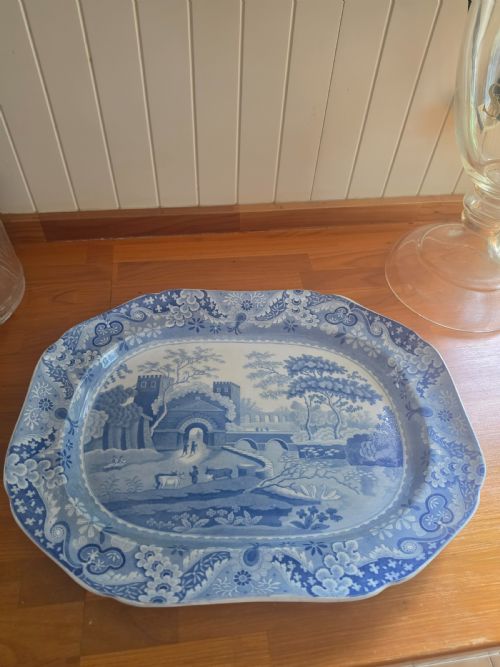
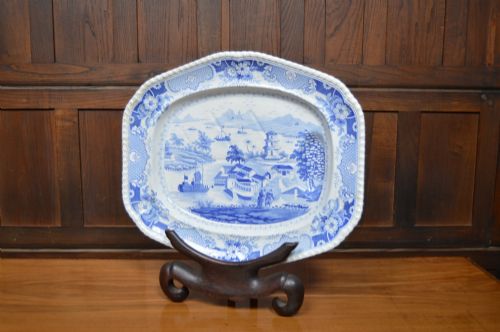
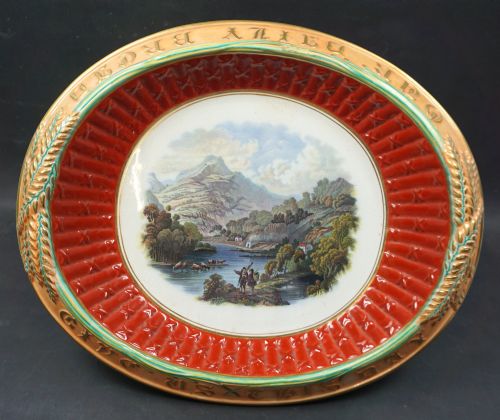
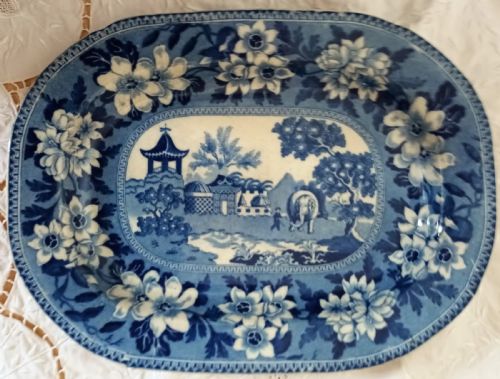
A staffordshire transferware plate brings the pictorial charm of the nineteenth century straight to your table, offering monochrome scenes printed directly onto durable earthenware.
Staffordshire transferware plate types
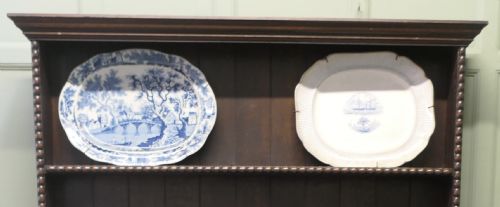
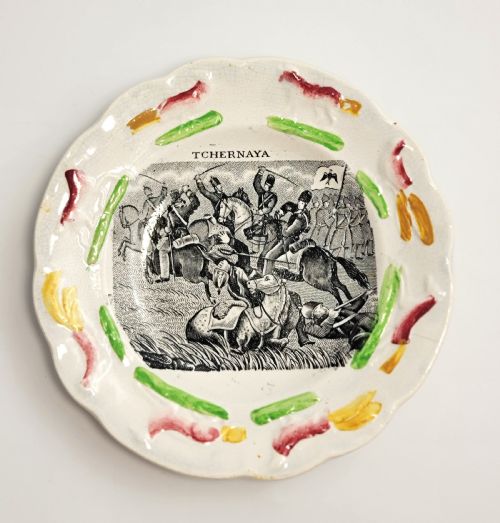
Every staffordshire transferware plate on this page belongs to the nineteenth century, spanning the Georgian, Regency, and Victorian periods. These pieces include decorative plates, meat plates, and tea plates featuring printed landscape and architectural subjects.
Makers recorded in the evidence range from individual potters to notable works such as John Davenport and Mason's. Forms vary from standard tea plates to large meat platters, all united by printed ceramic decoration.
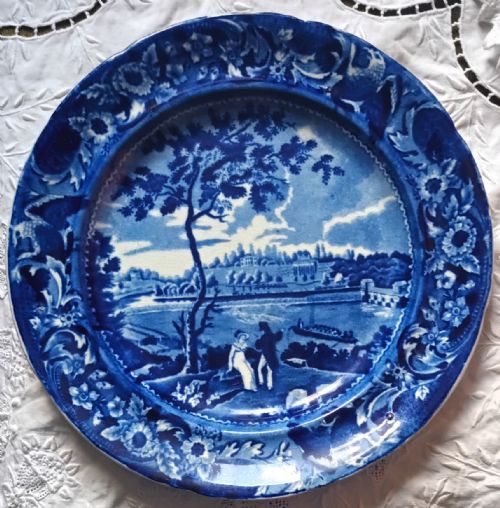
The subjects depicted include specific topography like Powder Mill at Hastings and Wolseley Hall, alongside pastoral narratives such as The Cowman and Returning Home. Collectors frequently encounter these nineteenth-century items in earthenware, pearlware, and ironstone.
Materials and technique
Potters shaped these objects from earthenware, pearlware, ceramic, and ironstone, before finishing the surfaces with a protective glaze. The underlying body determines the weight and tone of each individual plate.
Decoration relied on transfer printing, a technique where an engraved copper plate applied ink onto tissue paper, which was then transferred onto the biscuited ceramic surface prior to glazing and firing.
Retail Price Guide 2026
Typical UK retail prices for staffordshire transferware plate, calculated from the Sellingantiques database of over a million retail prices indexed since 2003. This retail price guide relies exclusively on Sellingantiques data; no external sources or auction records are used, so the figures do not describe the wider market.
The selection includes both domestic tea plates and substantial meat platters spanning the Georgian, Regency, and Victorian eras.
Judging quality
Quality rests upon the clarity of the transfer print and the crispness of the underlying ceramic form, whether earthenware or ironstone. Finer pieces maintain sharp details in complex architectural scenes and topographical views.
The sophistication of the glaze and the refinement of the ceramic body distinguish standard utilitarian plates from those bearing named views and established pottery marks.
John Davenport·Mason's
The Staffordshire Transferware Plate Glossary
- Transferware
- Ceramic ware decorated by transferring a printed design from an engraved copper plate onto the pottery body. This method allowed intricate pictorial scenes to be produced consistently.
- Pearlware
- A refined earthenware developed in the late eighteenth century featuring a subtle bluish glaze that pooled in recesses. It served as a popular precursor to later nineteenth-century white ceramics.
- Ironstone
- A dense, durable type of heavy ceramic patented in the early nineteenth century. It offered greater strength than standard earthenware and resisted chipping during everyday service.
- Earthenware
- Porous pottery fired at lower temperatures and coated with a glaze to render it waterproof. It forms the structural base for the majority of these nineteenth-century plates.
Frequently Asked Questions
How are these plates dated?
Dating relies on the ceramic body, style of transfer print, and recorded working periods of the potters. Nineteenth-century examples often display specific stylistic traits typical of the Georgian, Regency, and Victorian eras.
Makers' marks or impressed stamps on the reverse provide further chronological context when present on the earthenware or ironstone base.
Can I use them daily?
These nineteenth-century pieces were originally created for practical dining and service, utilising durable earthenware and ironstone materials. Many buyers choose to display them on walls or dressers to preserve the printed glaze.
Hand washing is essential to protect the historic glaze and ceramic body from modern dishwasher detergents and thermal shock.
What subjects appear most often?
Topographical views of British estates and mills, such as Wolseley Hall and Hastings, form a large category of the printed decoration. Pastoral scenes and Italianate landscapes are equally characteristic of the period.
These pictorial themes reflect nineteenth-century tastes for picturesque scenery and romanticised rural narratives.
What is ironstone china?
Ironstone is a heavy, robust ceramic material patented to withstand the rigours of domestic service. It provides a dense white body that accepted transfer printing exceptionally well.
Plates and platters made from this material tend to feel heavier than standard earthenware items of the same size.