





Blue and White Platter
When you handle a blue and white platter, you hold centuries of global trade and domestic tradition in your hands.
Blue and White Platter
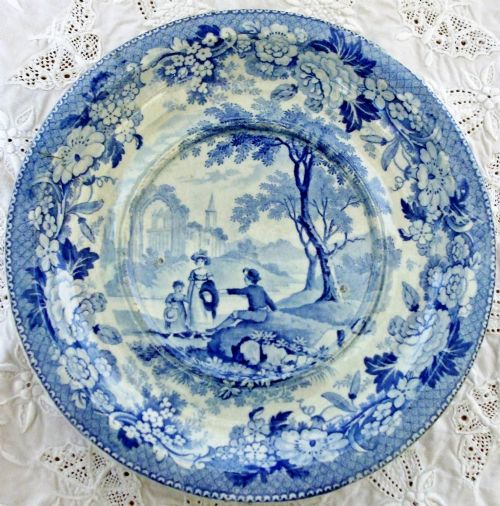
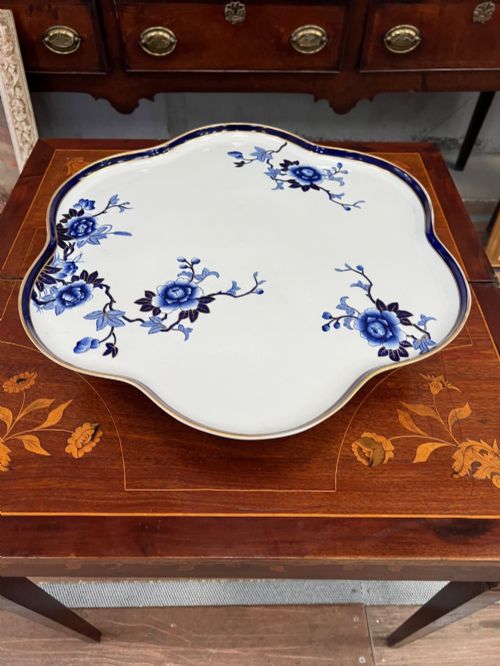
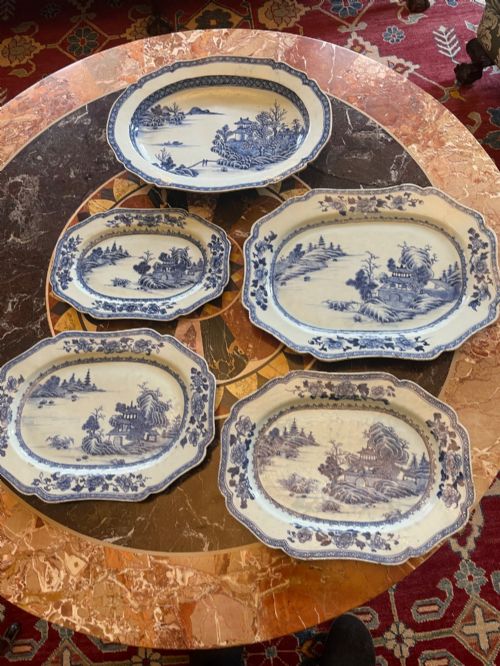
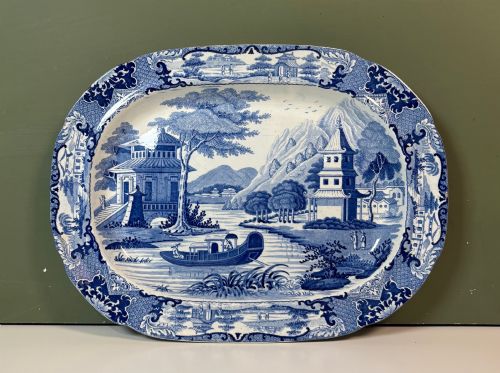
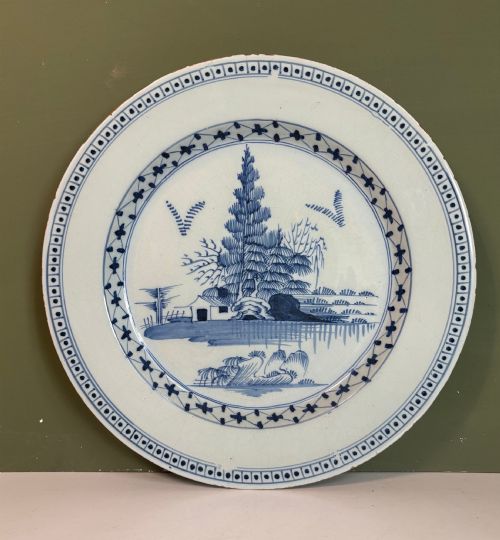
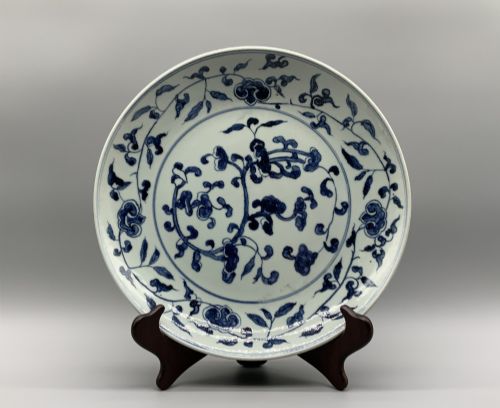
A blue and white platter serves as the central vessel for historic dining, designed to present joints of meat, fish or courses at a large table. These pieces range from substantial English earthenware transferware meat plates to delicate Chinese export porcelain and tin-glazed delftware chargers.
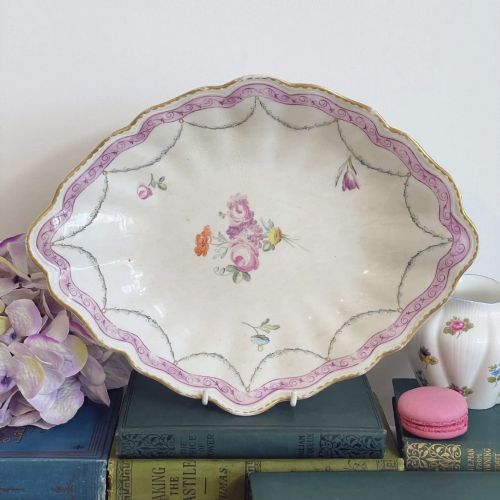
Collectors encounter numerous regional traditions under this heading, spanning Georgian and Victorian Staffordshire potteries alongside Qing dynasty porcelain and Japanese Arita wares. The form varies from deep octagonal and oval platters with draining wells to broad, flat chargers intended for display.
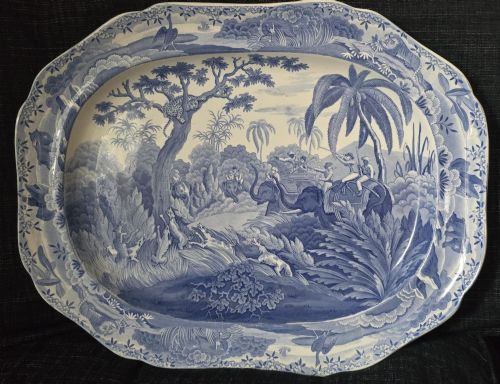
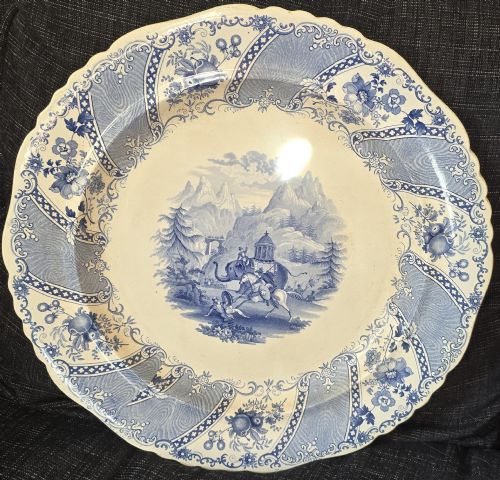
English transfer-printed earthenware from factories such as Spode and Wedgwood dominates current stock, alongside continental delft faience and East Asian export pieces. Each era brought specific pictorial scenes, from classical Greek ruins to sprawling landscape patterns.
How They Were Made
Potters built these vessels using earthenware, pearlware, and porcelain, shaping them upon wheels or pressing them into moulds. Cobalt pigment provided the characteristic blue colour, applied either by hand painting or via copperplate transfer printing.
Glazing involved coating the fired body with tin or lead compounds before a second kiln firing to achieve a vitreous, glossy surface. Transfer printing required skilled operatives to pull tissue impressions from engraved copper plates and press them onto the biscuit ceramic.
Blue and White Platter Retail Price Guide 2026
Typical asking prices for blue and white platter among the pieces listed under this phrase on Sellingantiques today, from the lower quarter to the upper quarter. They describe what is for sale here now, not the wider market.
Several platters arrive ready to serve a Victorian turkey, having spent two centuries waiting patiently in Welsh larders.
What Varies in Quality
The clarity and depth of the cobalt transfer printing dictate the visual strength of a piece, separating crisp, detailed impressions from smudged or blurred outlines. Hand-painted examples rely entirely upon the brushwork precision of the artisan, where firm, fluid strokes distinguish master work from hurried production.
Body thickness and weight indicate the original purpose and skill of the potter, with finer porcelains achieving thin, translucent walls while maintaining structural integrity. Glaze application also varies, with superior examples exhibiting an even, unclouded finish free from excessive pitting or pooling.
John Rogers and Son·J. and W. Ridgway·Robert Hamilton·Doulton Burslem·Herculaneum
The Blue and White Platter Glossary
- Transferware
- Pottery decorated by applying a paper impression from an engraved copper plate onto the ceramic surface. This technique allowed intricate topographical and pictorial designs to be replicated rapidly during the nineteenth century.
- Delftware
- Tin-glazed earthenware produced in England, the Netherlands and continental Europe, typically featuring a white opaque background painted with blue cobalt designs. It often mimics Chinese porcelain styles.
- Charger
- A large decorative plate or serving dish intended primarily for display on a sideboard or wall rather than general dining use. These expansive surfaces provided makers a wide canvas for complex pictorial scenes.
- Pearlware
- A refined earthenware developed by Josiah Wedgwood in the late eighteenth century, featuring a pale bluish glaze designed to counteract the natural yellowish tint of the clay body.
- Flow Blue
- A nineteenth-century transfer printing style where the cobalt pigment intentionally bled into the surrounding white glaze during firing. This created a soft, hazy effect popular in Victorian households.
Blue and White Platter: Frequently Asked Questions
How do I care for antique ceramic platters?
Wash these pieces strictly by hand using warm water and a mild detergent, avoiding modern dishwashers entirely. Sudden temperature changes can craze the old glaze or weaken historic bodies.
Store them securely in plate racks or use padded vertical dividers if stacked. Ensure they remain away from direct, strong sunlight to protect the cobalt pigments over decades.
Were these platters used for everyday dining?
Large platters and meat dishes saw heavy service during formal family meals and feasts, accommodating substantial joints of meat or poultry. Many feature central wells and drainage channels designed to catch meat juices during carving.
Smaller serving dishes and chargers often served dual purposes, moving between the dining table and decorative wall displays. Their durability ensured they survived generations of domestic use.
How can I distinguish transferware from hand-painted pieces?
Examine the blue decoration closely under a magnifying glass to check for the tiny stipple pattern or unbroken continuous lines characteristic of copperplate transfer printing. Hand-painted surfaces reveal subtle brush strokes, pooling of pigment, and minor individual variations between motifs.
Transfer-printed items display absolute uniformity across identical pattern repeats, whereas painted ceramics show the distinct hand of the decorator.
What period does my blue and white piece belong to?
Look to the base for maker marks, registry diamonds, or impressed factory ciphers that pin down specific production years. The style of the border, the tone of the blue pigment, and the type of ceramic body also offer clear chronological indicators.
Earlier eighteenth-century wares often utilise tin-glazed earthenware bodies, while nineteenth-century pieces lean heavily toward refined ironstone, pearlware, and dense transfer-printed earthenwares.