



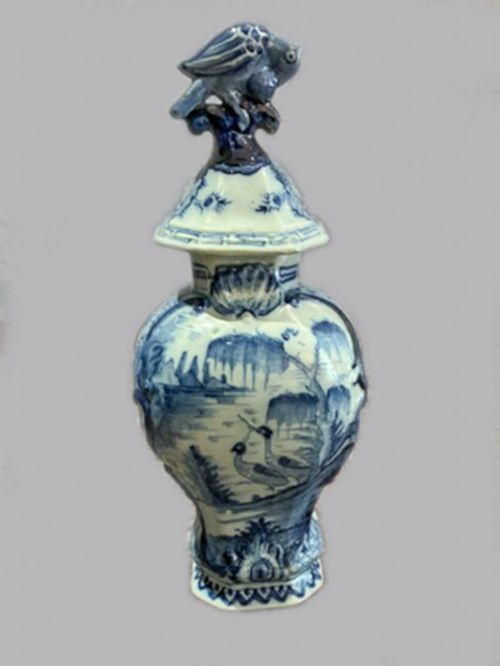
Blue and White Delft
Delftware brings together tin-glazed earthenware and cobalt pigment to create plates, chargers and chargers decorated in blue and white.

Blue and White Delft
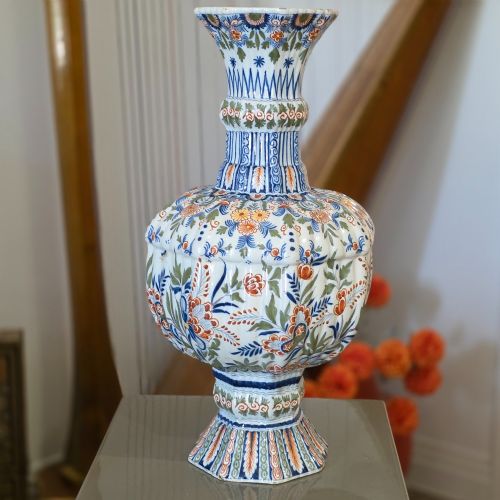
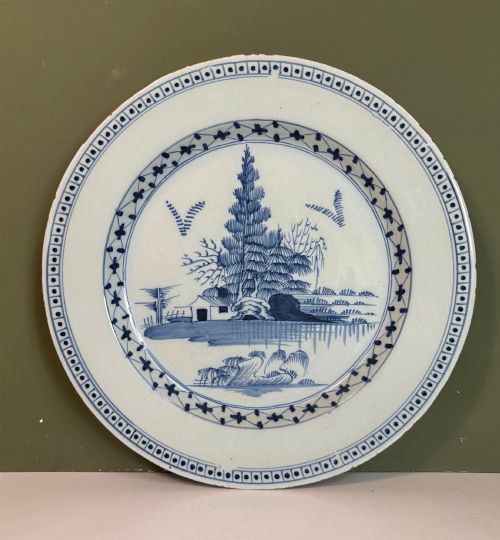
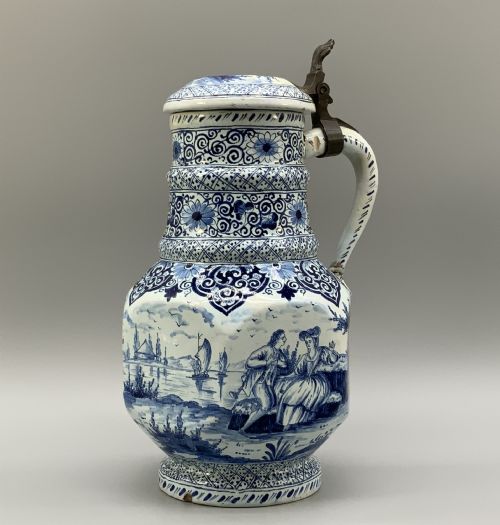
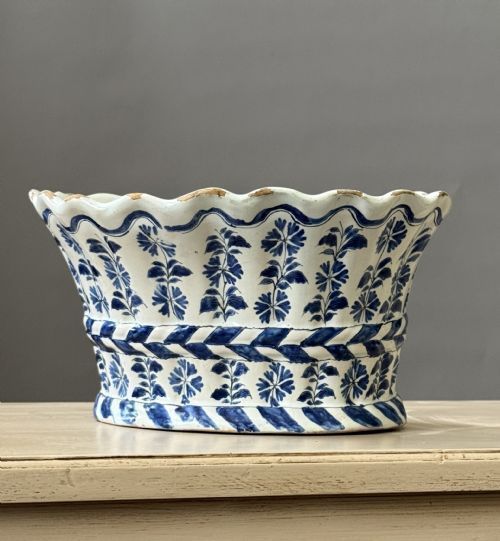
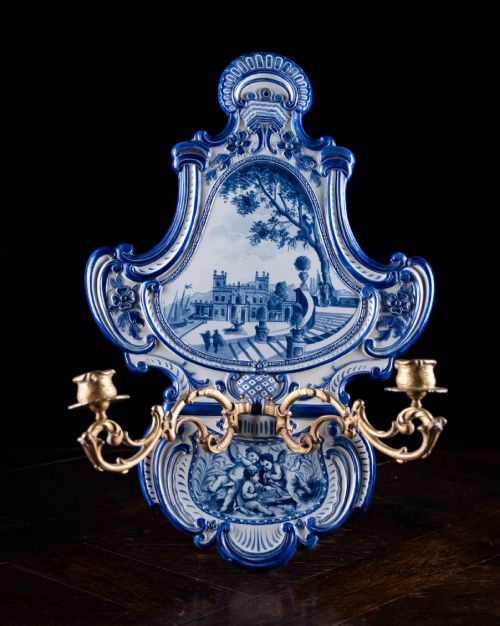
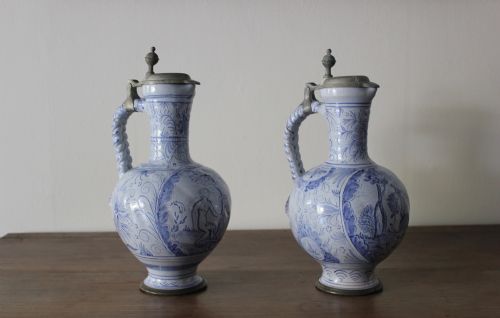
When you search for blue and white delft, you encounter tin-glazed earthenware forms ranging from 17th century plates and chargers to 19th century table lamps and vases. The objects span Dutch, English, and continental workshops, encompassing utilitarian vessels alongside purely decorative pieces.
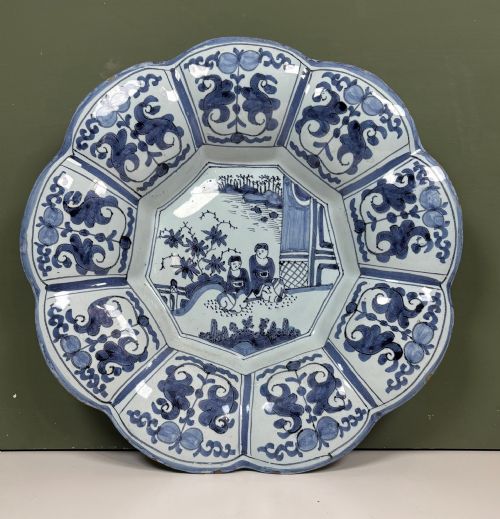
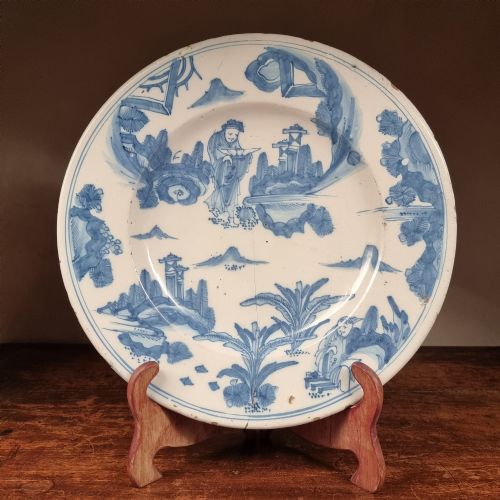
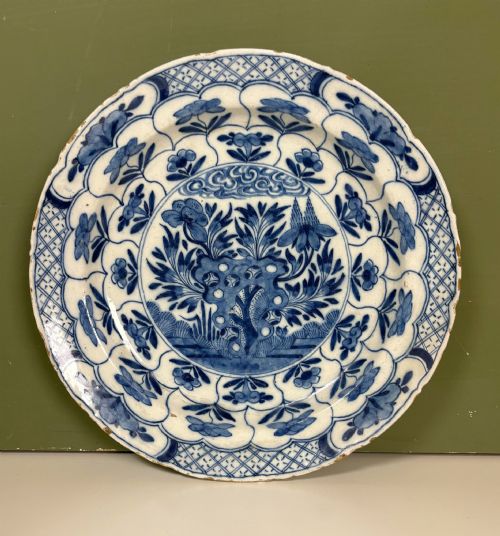
You are most likely to meet 18th century chargers, dishes, and vases displaying Chinese-inspired Chinoiserie motifs or traditional floral patterns. These items appear in domestic settings as mantel garnitures, wall-hung plates, or table centerpieces.
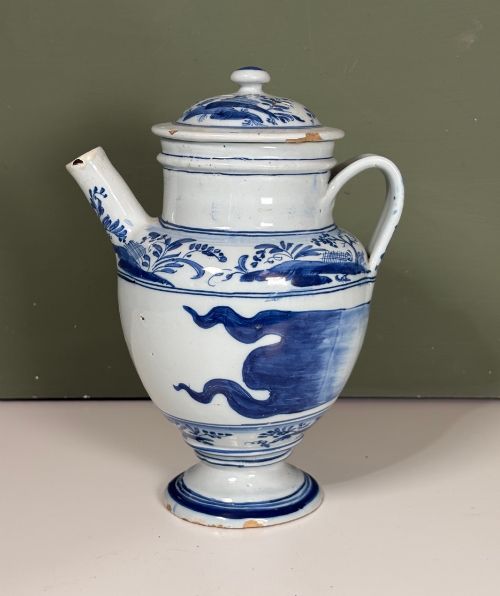
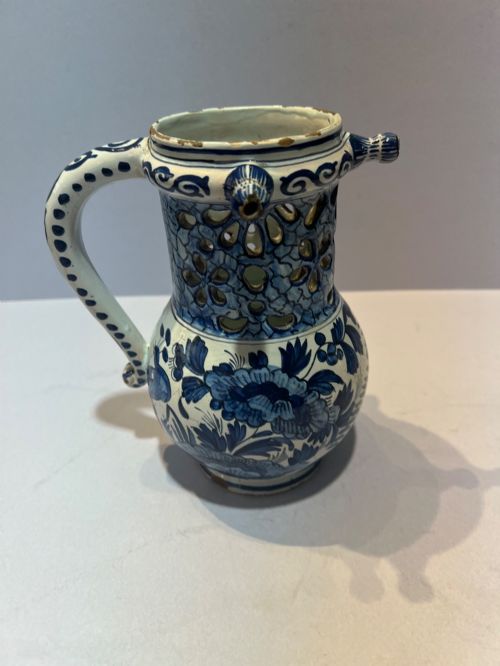
The selection also includes apothecary jars, puzzle jugs, posset pots, and modern revivals from the late 19th and early 20th centuries. Each piece reflects the enduring appeal of tin glaze pottery across multiple eras of European ceramic production.
Materials and production
Makers shaped earthenware clay into vessels, fired them once, and coated the biscuit body in an opaque tin glaze that provided a smooth white surface for painting.
Painters applied cobalt pigment directly onto the absorbent unfired glaze, allowing the oxide to sink permanently into the coating during the final high-temperature kiln firing.
Blue and White Delft Retail Price Guide 2026
Typical asking prices for blue and white delft among the pieces listed under this phrase on Sellingantiques today, from the lower quarter to the upper quarter. They describe what is for sale here now, not the wider market.
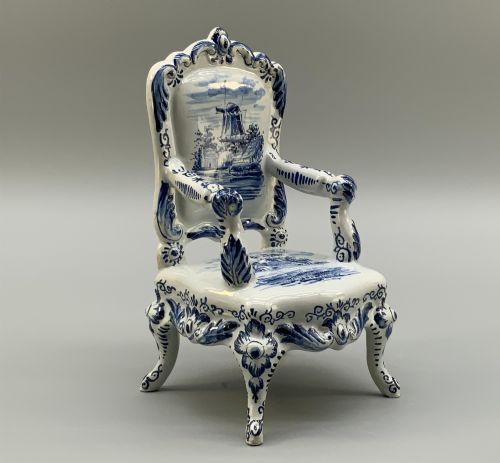
Potters occasionally modeled cows, miniature armchairs, and puzzle jugs alongside conventional vases.
Assessing quality
The sophistication of the hand-painted brushwork dictates the visual success of a piece, separating rapid commercial output from confident, finely detailed execution.
The evenness of the white tin glaze and the intensity of the cobalt blue pigment reveal the technical control exercised by the kiln master.
Villeroy and Boch·Royal Bonn
The Blue and White Delft Glossary
- Tin-Glaze
- A ceramic glaze made opaque by the addition of tin oxide, providing a white background for painted decoration.
- Charger
- A large ornamental plate designed to be displayed on a wall or dresser rather than used for dining.
- Chinoiserie
- European decorative art influenced by Chinese styles and motifs, frequently featuring figures, pagodas, and landscapes.
- Bough Pot
- A vessel specifically constructed for holding flowering branches or floral arrangements within a room.
- Posset Pot
- A covered two-handled ceramic cup used historically for serving a warm spiced milk and wine drink.
Blue and White Delft: Frequently Asked Questions
How do I hang a heavy charger?
Wall display requires a secure wire spring hanger that grips the rim evenly without putting stress on the earthenware body.
Ensure the wall fixing supports the weight firmly so the piece remains stable over time.
Were these vessels used for dining?
Most surviving chargers and large plates served decorative purposes on sideboards or walls rather than everyday table use.
Smaller bowls and dishes saw domestic service, though tin glaze remains susceptible to chipping from heavy cutlery.
How do I clean tin-glazed earthenware?
Dust gently with a dry cloth and avoid immersing older porous pieces in water for extended periods.
Harsh detergents damage the soft glaze surface, so basic dusting preserves the original pigment best.
Can I use an antique lamp safely?
Vases converted to lighting should be inspected by a qualified electrician to ensure modern wiring standards.
Rewiring preserves the ceramic body while making the lamp suitable for daily domestic use.
How do I distinguish 17th century pieces?
Early items often show heavier potting, thicker tin glazes, and distinct pigment pooling around the brushstrokes.
Comparing glaze thickness and stylistic motifs helps separate 17th century production from later 19th century revivals.