



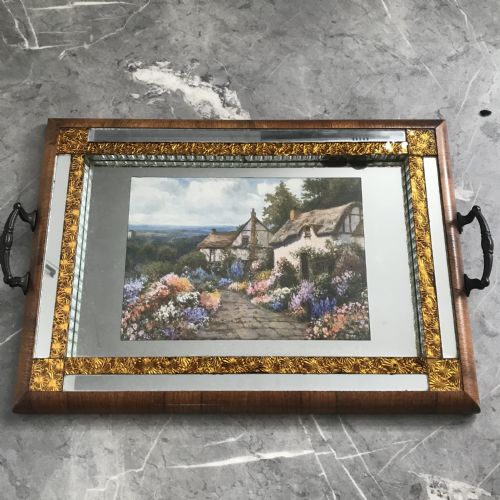
Art Deco Drinks Bar
An art deco drinks bar brings the distinct glamour of the interwar years straight into a modern interior.
Art Deco Drinks Bar
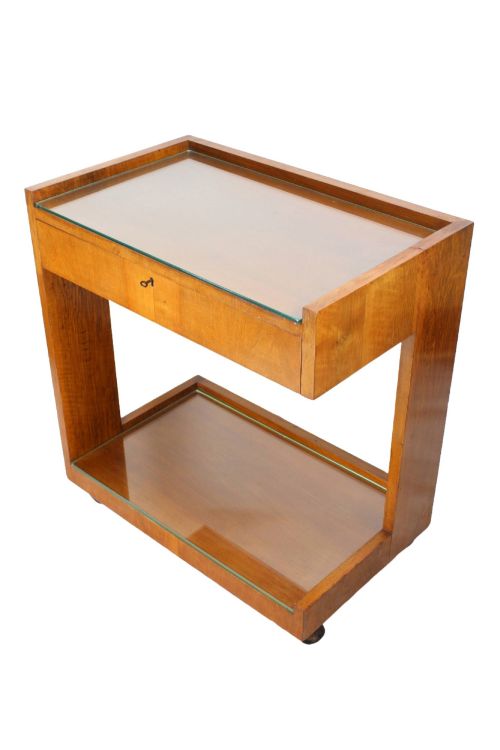
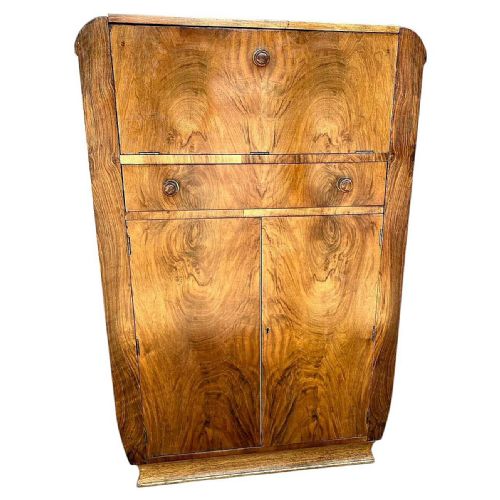
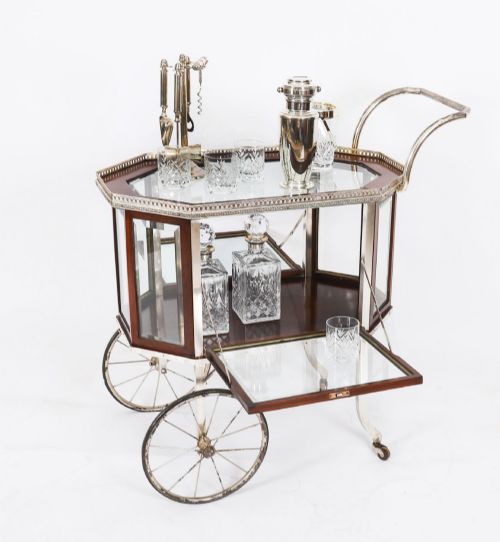
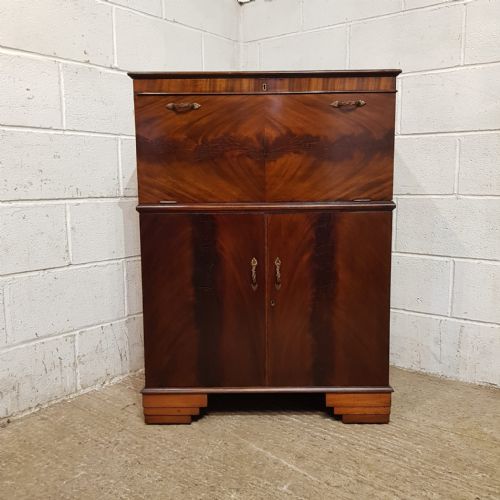
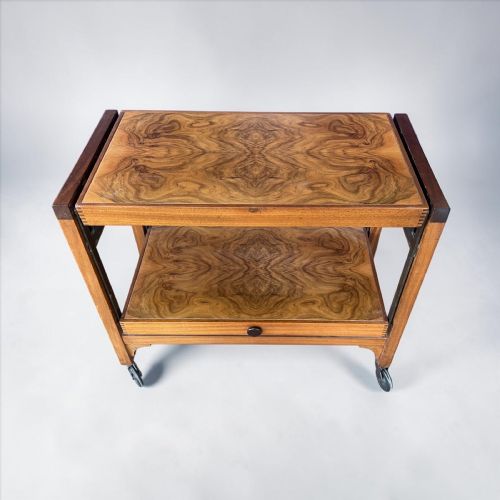
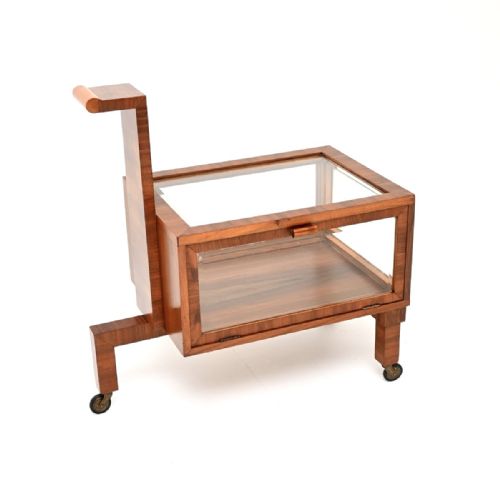
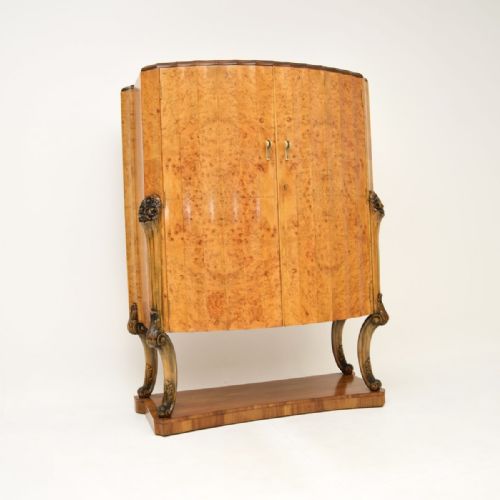
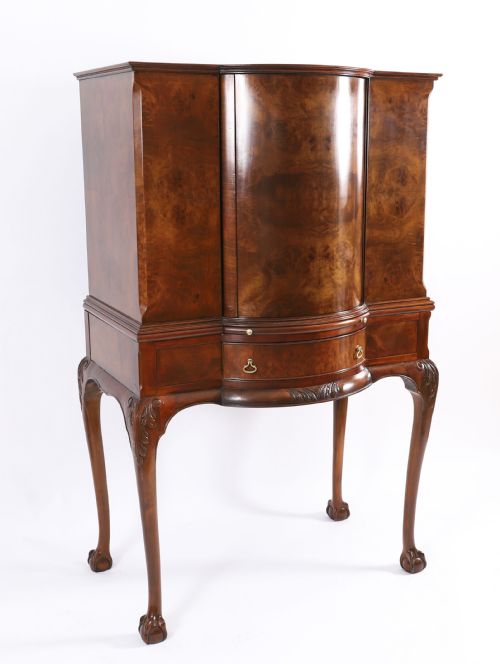
An art deco drinks bar encompasses everything from substantial freestanding cocktail cabinets in burr walnut to mobile trolleys and small barware accessories. The pieces on this page span the 1920s through the 1940s, capturing a period when home entertaining called for specialised furniture. The most frequent finds are fitted cocktail cabinets and wheeled serving carts designed for hosting.
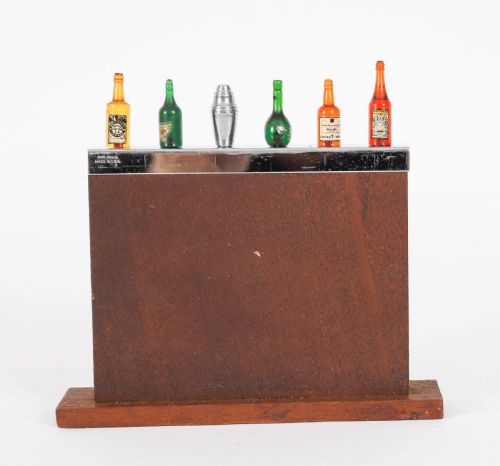
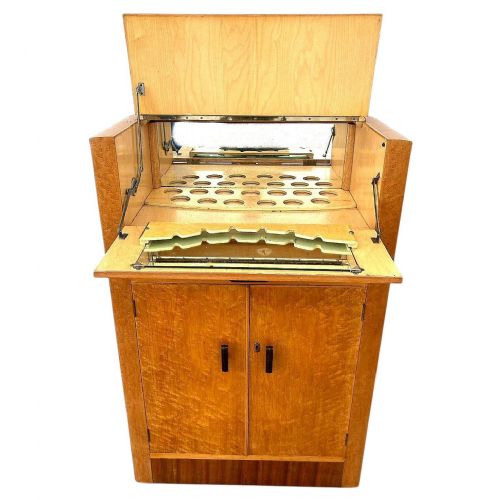
Cabinets often open to reveal mirrored interiors, glass shelving, and spaces for bottles, while trolleys rely on tiered surfaces and metal handles for mobility. Alongside these large items, the selection includes smaller serving essentials like trays, shakers, and cocktail stick sets. These designs originate from English workshops as well as French ateliers, displaying a diverse range of regional interpretations.
How they were made
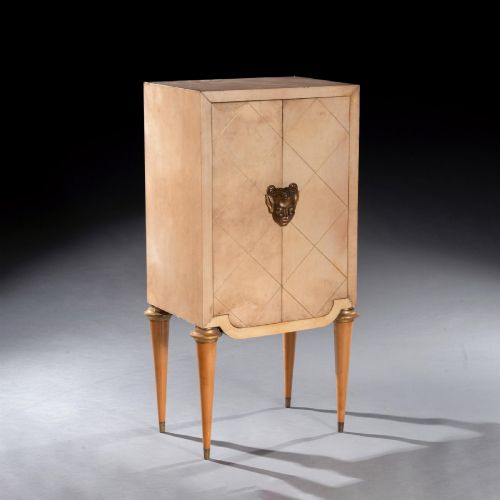
Makers utilised rich timber veneers such as burr walnut, bird's-eye maple, mahogany, and satinwood, applying them over solid wood carcases to create striking grain patterns. Cabinet surfaces often received careful lacquering or polishing to bring out the depth of the wood, sometimes incorporating contrasting materials like parchment or Chinoiserie decoration.
Metal components played a structural and decorative role, with brass, chrome, and silver plate forming handles, gallery rails, and trolley frames. Glass featured heavily for shelving, mirrored backs, and serving trays, often combined with Bakelite or enamel details on smaller barware items.
Art Deco Drinks Bar Retail Price Guide 2026
Typical asking prices for art deco drinks bar among the pieces listed under this phrase on Sellingantiques today, from the lower quarter to the upper quarter. They describe what is for sale here now, not the wider market.
Listings feature items spanning the 1910s to the 1940s, with the 1930s representing the most common decade for these drinks bars and trolleys.
What varies in quality
The degree of craftsmanship shows in the selection and matching of wood veneers, particularly on cabinet doors where grain patterns mirror one another. Finer pieces display thoughtful internal lighting mechanisms, specialised bottle storage, and fitted pull-out slides for mixing drinks.
Hardware quality distinguishes standard production from exceptional work, seen in the weight of cast brass mounts, solid silver-plated frames, and smooth-running castors on trolleys. Maker attribution also influences standing, with documented pieces from notable workshops holding distinct recognition.
Maurice Jallot·Epstein·Harry and Lou Epstein·Maison Bagues·Maurice Adams·Sudre·Hille·Incorporall
The Art Deco Drinks Bar Glossary
- Burr walnut
- A wood figured with small swirls and knot clusters, highly prized for cabinet doors. It provides a rich, textured surface that defines many pieces from this era.
- Metamorphic
- Furniture designed to transform its shape or function through folding or expanding mechanisms. These pieces shift from compact sideboards into extended serving stations.
- Bakelite
- An early form of synthetic plastic used for handles, knobs, and barware accents. It brings vibrant colour contrast to metal and glass accessories.
- Chinoiserie
- European decorative style imitating Chinese artistic traditions, often applied through lacquered finishes. This technique appears on specific cabinet exteriors.
- Gallery rail
- A small metal or wooden border fitted around the edge of a tray or trolley shelf. It keeps glassware and bottles secure during movement.
Art Deco Drinks Bar: Frequently Asked Questions
What is an art deco drinks bar?
An art deco drinks bar refers to specialised interwar furniture and accessories created for serving alcohol at home. These range from large locking cabinets with mirrored interiors to mobile serving trolleys and silver-plated shakers.
Most items date from the 1920s to the 1940s and use striking materials like burr walnut, chrome, and glass to achieve a polished, geometric aesthetic.
How were cocktail cabinets used?
Cocktail cabinets served as dedicated storage for spirits, liqueurs, glassware, and mixing tools during the height of the home cocktail movement. Owners kept them in reception rooms to entertain guests with freshly mixed drinks before dinner.
Drop-down doors often doubled as preparation shelves, while internal mirrors and glass surfaces displayed the glassware collection.
Where were these pieces made?
These items originated primarily in England and France, reflecting the different design centres of the interwar period. English workshops frequently produced substantial walnut and mahogany cabinets, while French makers experimented with parchment, lacquered finishes, and avant-garde cart designs.
Department stores also retailed these goods, commissioning pieces from domestic cabinet makers.
How do I care for burr walnut?
Burr walnut veneer requires gentle maintenance to preserve its polished surface and prevent the wood from drying out. Keep pieces away from direct sunlight and strong heat sources to protect the finish.
Dust regularly with a soft, dry cloth and apply specialist wax polish sparingly when the wood loses its lustre.